Scientists discover why animals evolved necks, and surprisingly it wasn’t to turn their heads - The Brighter Side of News
This story deserves to be shared
Send it to someone who'd care, or post it on your networks.
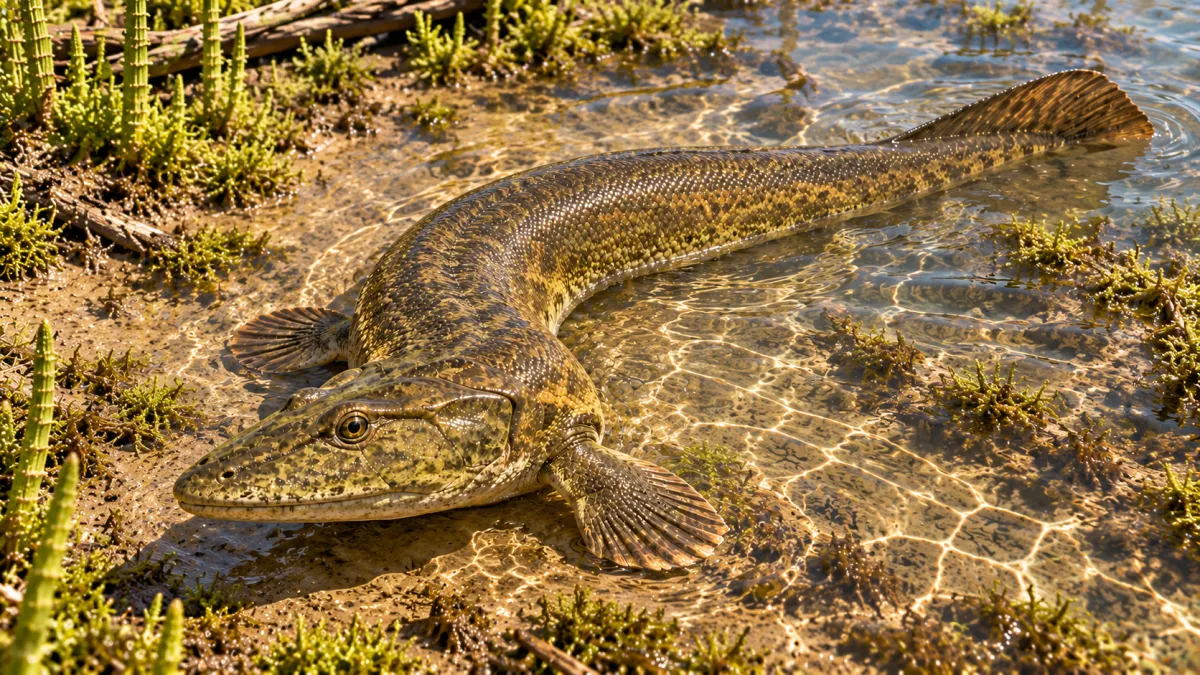
Models suggest that separating the head from the shoulders did not immediately give early tetrapod relatives highly mobile necks. Mechanical tests on lake sturgeon, combined with fossil anatomy, predict only small head movements in most species examined. The findings favor a link with forelimb locomotion, but movement estimates depend on a living analogue and exclude several surrounding tissues. An anatomical neck did not necessarily give ancient vertebrates the freedom to look around. Models of several early tetrapod relatives suggest their heads remained surprisingly restricted, even after the skull separated from the shoulders. The findings challenge the assumption that greater head mobility drove one of the major changes associated with the transition toward land. The authors propose that changing demands on the shoulders offer a better explanation than a newly flexible head. As front appendages took on a greater role in movement, separating the shoulder apparatus from the skull may have become advantageous. Substantial neck mobility, their analysis suggests, generally developed later, rather than arriving automatically with that separation.
This article is an excerpt. To read the full content, visit the original source. The Brighter Side of News
Related articles
Scientists uncover the molecular pillars that shape our cells' powerpacks - Phys.org
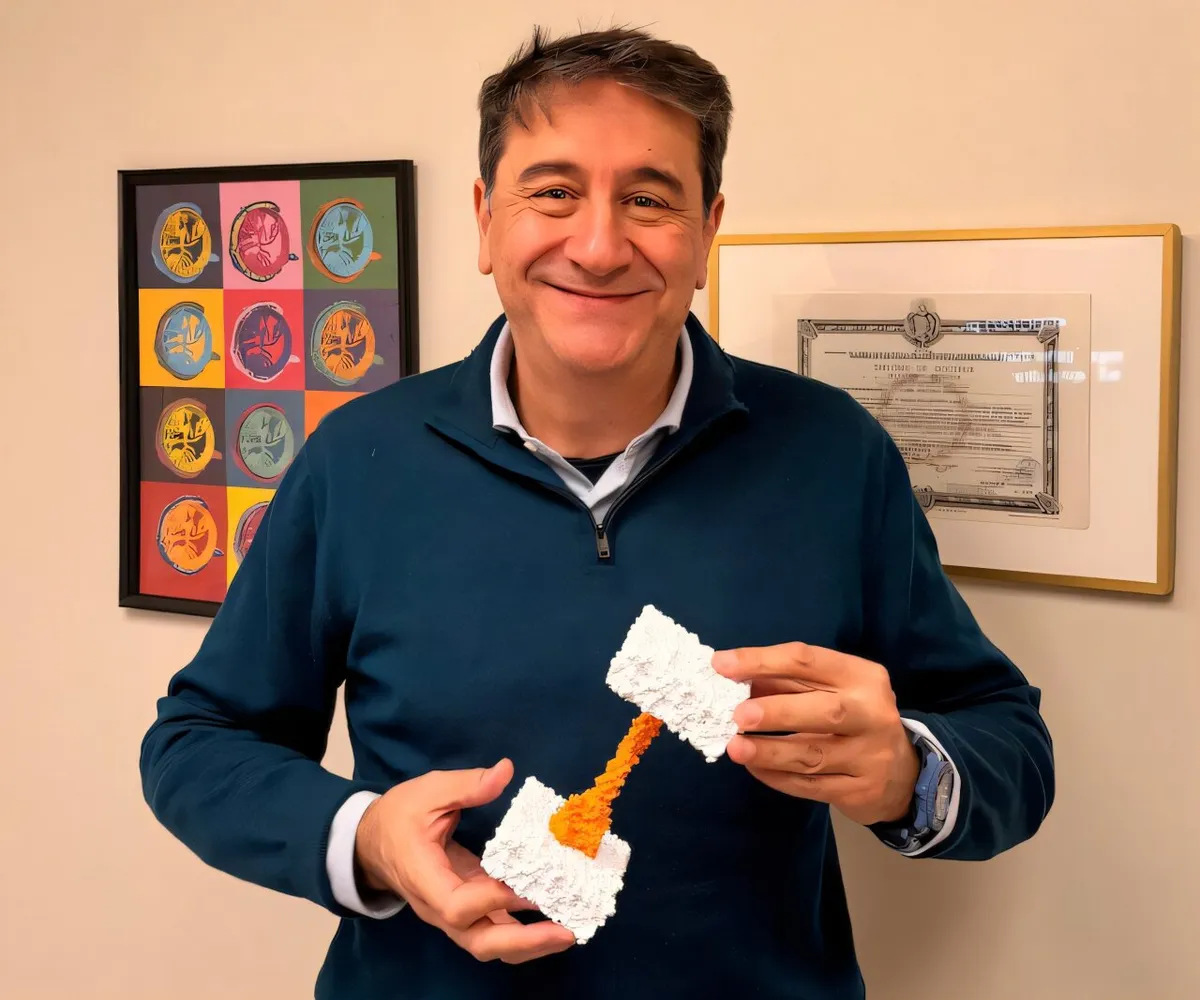
"What makes SPRIZ so unexpected is that it uses a familiar mechanism—a tether—to do something different: it connects the two mitochondrial membranes while acting as a rigid pillar that holds them a set distance apart, so the room between them keeps a defined height," explains Dr. Luca Pellegrini, full professor at the University of Ottawa, who led the study. Credit: Faculty of Medicine, University of Ottawa Mitochondria are the tiny powerpacks that supply most of the energy our cells need. Their ability to generate this energy relies on a distinctive architecture: two membranes, one tucked inside the other, separated by a narrow gap called the intermembrane space (IMS). This tiny space helps sustain the chemistry of energy production, making its organization critical to how these cellular powerpacks function.
Tiny Genetic Tweak From An Ancient Virus Might've Prevented Chimpanzees From Developing Brains Like Ours - ScienceAlert
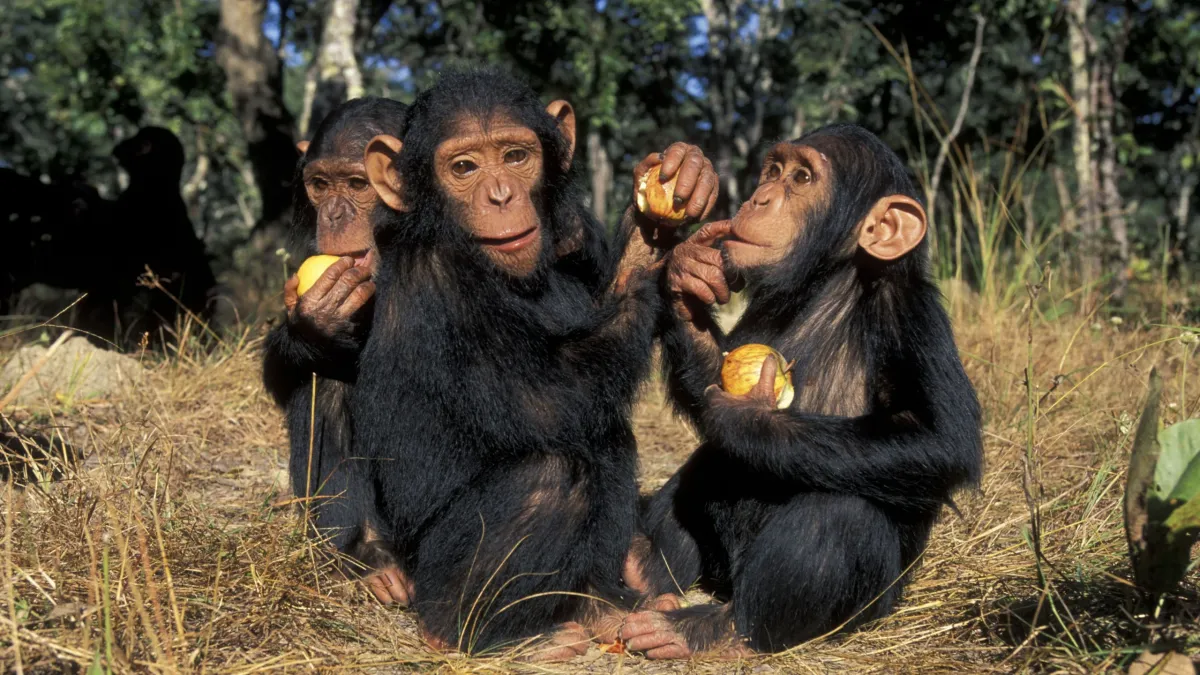
Young chimpanzees enjoy some fruit. (Martin Harvey/The Image Bank RF/Getty Images) Humans and chimpanzees are remarkably similar, despite the major differences in how our societies have panned out. After about 5-6 million years of evolution from a common ancestor, only 1.2 percent of our DNA is different. A virus that infected chimpanzees (Pan troglodytes) – but not humans – about 4 million years ago is partly responsible. This ancient retrovirus made a tiny tweak to chimp DNA that has led to some major differences in how our brains develop, according to a new study published in Science Advances today. "We wanted to understand how human and chimpanzee brains could have evolved differently when so many of their protein-making genes are similar," lead author Patricia Gerdes told ScienceAlert. Gerdes is a molecular neurogeneticist at Lund University in Sweden. "We knew that ancient viruses can leave DNA behind in the genome, and those remnants can affect nearby genes," she said. "PTERV1 (Pan troglodytes endogenous retrovirus-1) was a particularly interesting candidate because it is found in chimpanzees and other African apes but not in humans.
Halley's Comet dazzles from afar in spectacular astrophoto of Orionid meteor shower - Space
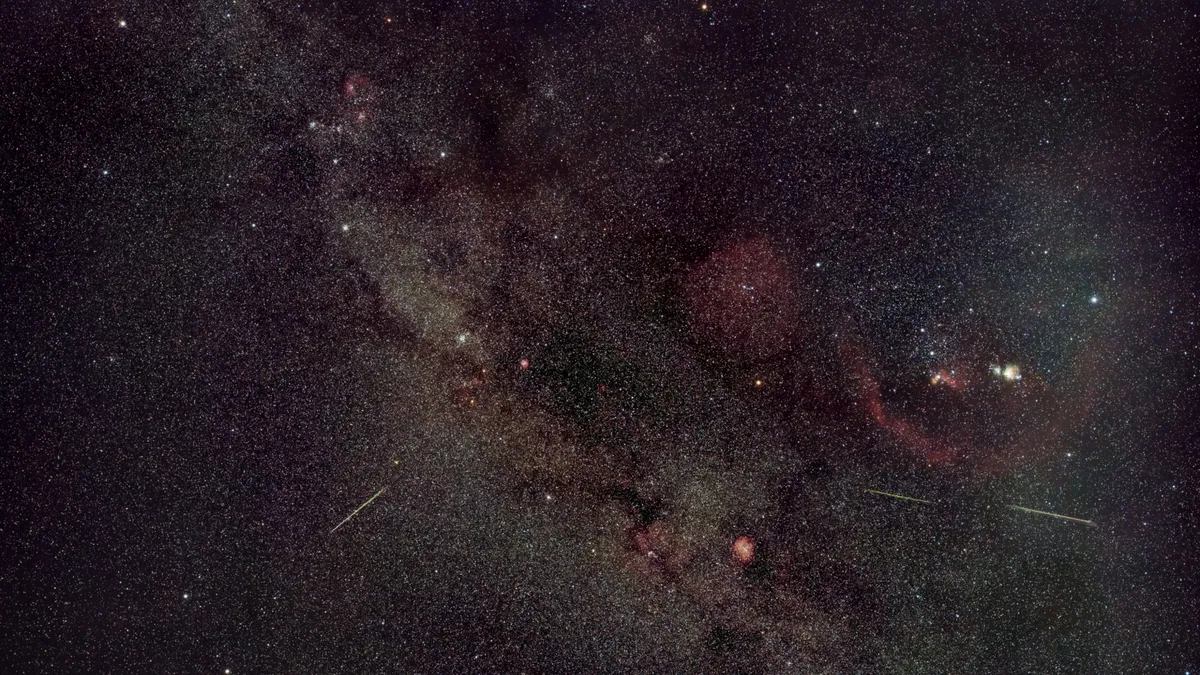
This incredible composite image of Orionid meteors was captured as Earth passed through the debris trail shed by Halley's Comet.
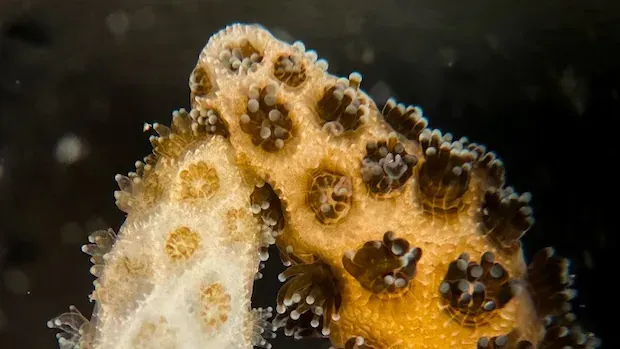
Scientists put a dying coral next to a healthy one — and watched it heal before their eyes - CBC
As It HappensScientists at Stanford University in California stumbled on a promising discovery when two coral fragments in the lab — one bleached and one healthy — tipped over in a tank and touched.'This could open a door to possible reef restoration,' says Stanford researcherSheena Goodyear · CBC News · Posted: Oct 23, 2026 1:37 PM EDT | Last Updated: 28 minutes agoListen to this articleEstimated 5 minutesThe audio version of this article is generated by AI-based technology. Mispronunciations can occur. We are working with our partners to continually review and improve the results. Scientists at Stanford University in California found that when a bleached coral fragment makes contact with a healthy one, the dying fragment can make a full recovery. (Danny Collins)The best medicine for a dying coral may be the power of touch. Scientists at Stanford University in California stumbled on a promising discovery when two coral fragments in the lab — one bleached and one healthy — tipped over in a tank and touched.
0 comments
No comments yet. Be the first to share your thoughts!