Scientists are infecting elm trees to see which ones survive
This story deserves to be shared
Send it to someone who'd care, or post it on your networks.
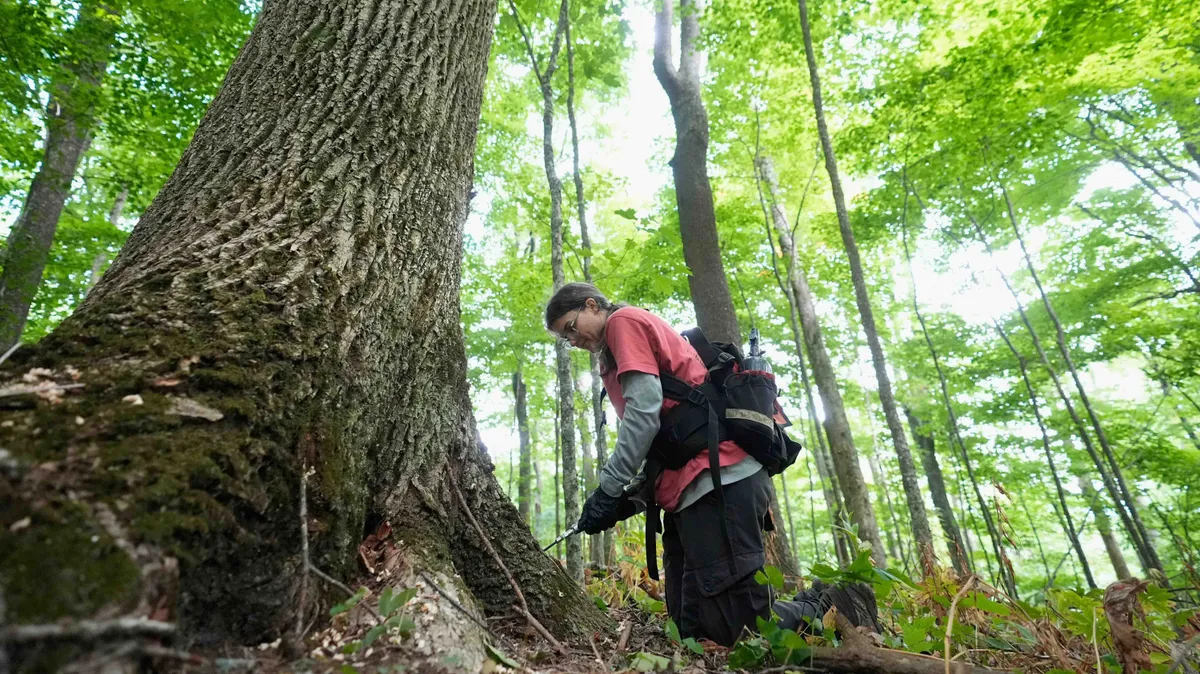
An American elm tree spreads its limbs in Portland, Maine, June 3, 2026. (AP Photo/Robert F. Bukaty)(AP Photo/Robert F. Bukaty)The very disease that has decimated millions of American elms in the U. S. is now being used to bring the iconic trees back. In Vermont, Leila Wilson, a research ecologist with the U. S. Forest Service, is one of the scientists leading an effort to beat Dutch elm disease, which has killed tens of millions of elm trees over the last century. Scientists with the Forest Service and The Nature Conservancy Vermont spent the summer injecting 6,000 young elm trees with Dutch elm disease spores to test their resistance to the disease. The survivors will be sent to a breeding program with a goal of growing the genetic diversity of disease-tolerant elm trees. They will one day be used for restoration in forests, riverbanks and backyards. “We will put those newly propagated trees into a seed orchard, basically just a big fenced area, will grow and love those trees for about 15 or so years, at which point they should produce seeds, and that seed can be used for restoration,” Wilson said.
This article is an excerpt. To read the full content, visit the original source. The Weather Channel
Related articles

Brain-infecting fungus that can kill 7 in 10 patients is on the rise across America - Fox News
NEWYou can now listen to Fox News articles! A rare fungal infection that can strike healthy people is rising across the U. S., prompting calls from public health officials for heightened awareness and national tracking. Cladophialophora bantiana (C. bantiana) is a black yeast-like mold that can infect the brain and contains a dark pigment called melanin, according to a new report from the Centers for Disease Control and Prevention. Data from a microbiology laboratory at the University of Washington shows that detection of the fungus nearly quadrupled between 2023 and 2025. LOUISIANA GIRL, 8, DIES AFTER CONTRACTING SUSPECTED BRAIN-EATING AMOEBA LINKED TO LAKE SWIMBetween January 2009 and July 2026, researchers identified 48 confirmed cases and one probable case of C. bantiana in tissue samples from 21 states and the District of Columbia. The median patient age was 68 years old. Unlike many fungal infections that mainly affect people with weakened immune systems, about half of C. bantiana infections occur in otherwise healthy people. Cladophialophora bantiana (C.
Hurricane season maps tracker: Latest forecasts and more
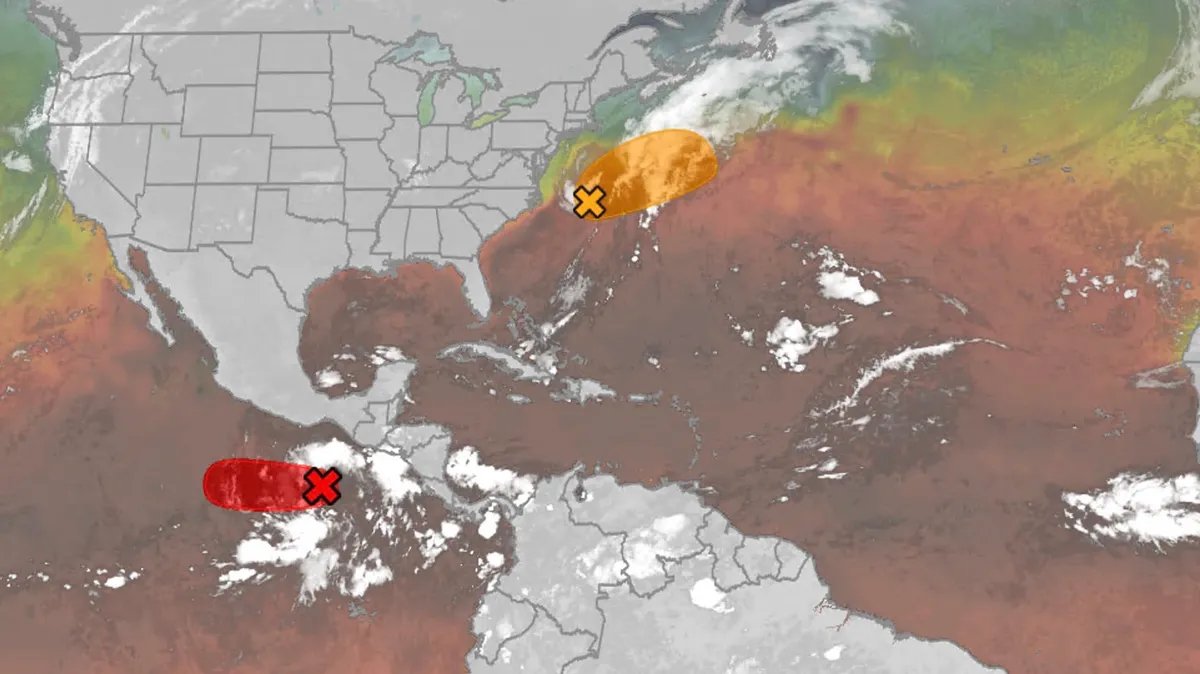
We have the maps you need to track all the systems ongoing in the Pacific and Atlantic below. Tracking the AtlanticTropical development areasSea surface temperatures Wind shear These are areas of strong wind shear, the difference in wind speed and direction with height, which are shown in purple. High wind shear is hostile to mature tropical cyclones and those trying to develop.(MORE: What is wind shear?)Get More of Our News on GoogleSet The Weather Company as a 'Preferred Source' to get quicker access to the news you value. Dry, dusty airAnother nemesis of tropical systems is dry air. In hurricane season, plumes of dust-laden air stream across the basin from Africa's Sahara Desert, as you can see in the map below. This sinking, dry air squelches thunderstorm development, the building blocks of tropical storms and hurricanes. So areas in the brown shading below are generally unfavorable for development. Atlantic tracks so far this seasonThese are the tracks of systems that were at least tropical or subtropical storms so far in the Atlantic Basin.
Nor'easter lashes coast from Carolinas to Northeast
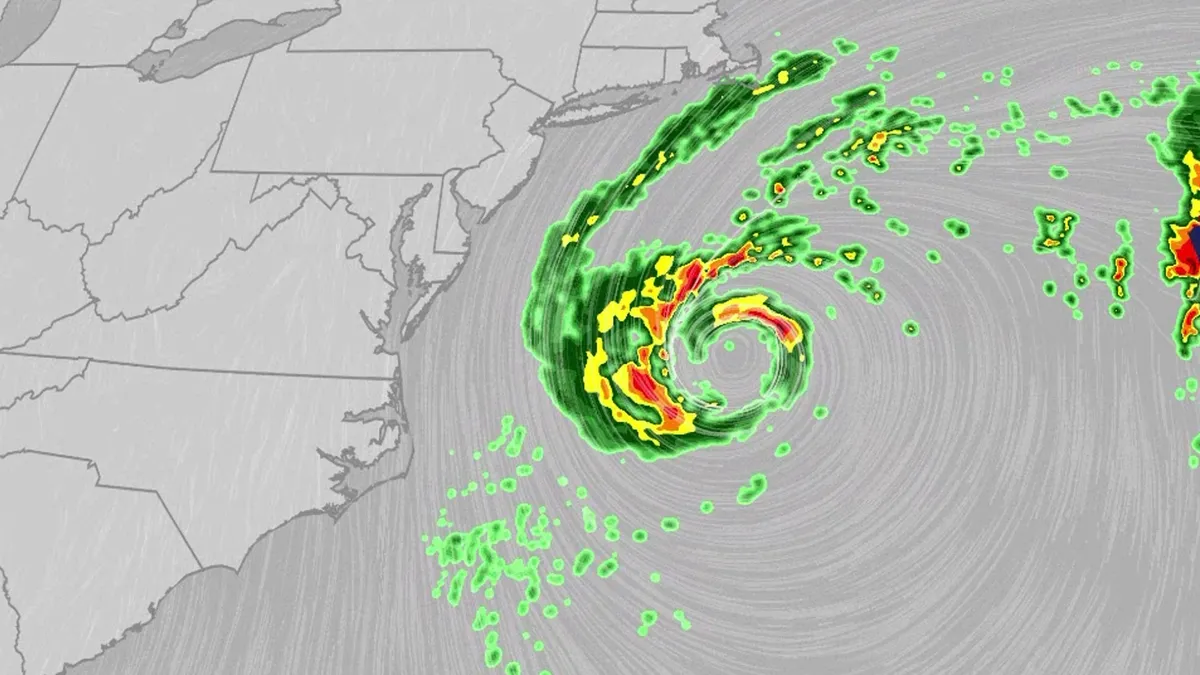
An October nor'easter is meandering off the Atlantic coast, where it will bring high surf, rip currents, coastal flooding and winds to parts of the East Coast for several days this week. The National Hurricane Center has highlighted it as an area to watch this week for the potential development of Josephine. However, regardless of whether we call this system a nor'easter or Josephine, the impacts will be the same. The bottom line: This system will bring dangerous conditions to the East Coast for multiple days this week.(MORE: What is a nor'easter?)ImpactsWhile we do not expect this storm to be as strong as the late September nor'easter, there will still be some impacts. They are broken down below: Coastal floodingGet More of Our News on GoogleSet The Weather Company as a 'Preferred Source' to get quicker access to the news you value. The area most likely to be impacted the longest appears to stretch from the Delmarva Peninsula to eastern North Carolina. Coastal flood alerts are in effect for parts of coastal North Carolina, where anywhere from 1 to 4 feet of inundation is possible.
Orionid meteor shower 2026: cloud cover forecast by region
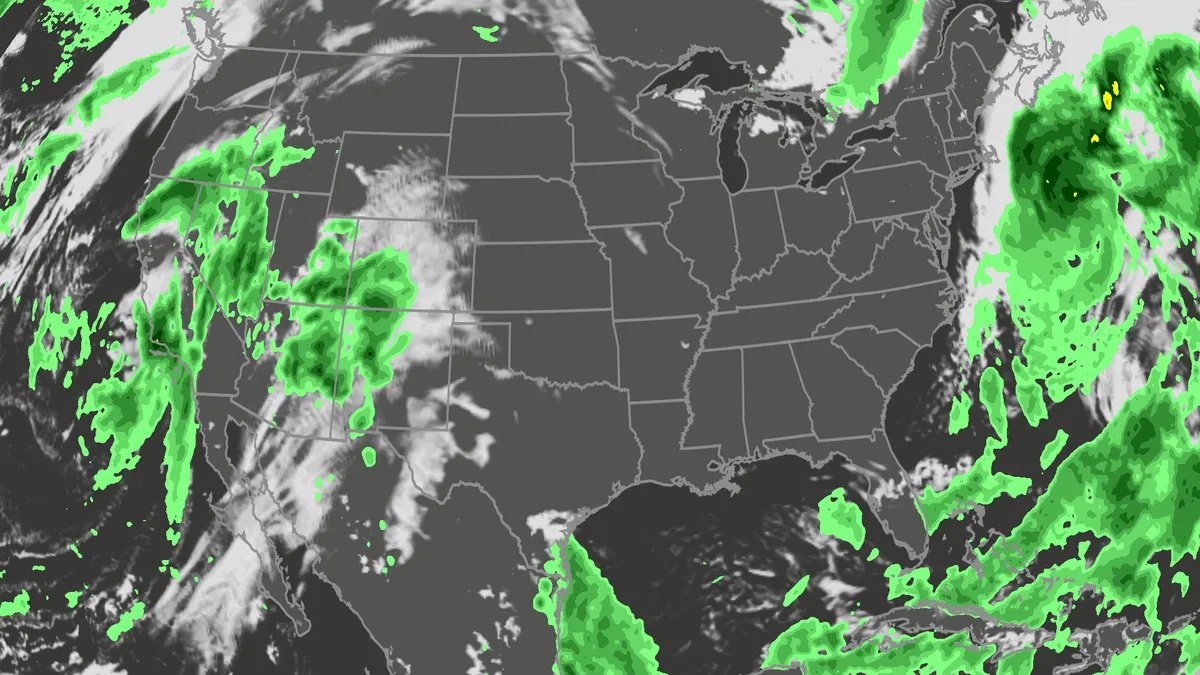
A meteor streaks across the sky over a desert in China during the Orionid meteor shower on Oct. 22, 2023.(VCG/VCG via Getty Images)The Orionid meteor shower is peaking this week, and it promises to be one of the most dazzling displays of the year. And while some of you will have clear skies, rain and clouds could impact the view for others. Here's what you need to know about the Orionids and your forecast:Fast factsPeak day: The meteor shower peaks Wednesday night, Oct. 21, into the early hours of Thursday morning, Oct. 22. Peak time: From midnight to dawn are the best hours to catch the meteors streaking through the sky, so plan on a late night or really early morning. What the Orionids are known for: The Orionid meteors are known for their brightness and their speed. As they streak across the sky at around 41 miles per second, the meteors leave behind a glowing "train" that can last several seconds to minutes. While you can make the perfect plan to catch the Orionids, the key to stellar viewing is still in Mother Nature's hands. The good news is that many of you should have good meteor shower-watching conditions. Much of the central and eastern U. S.
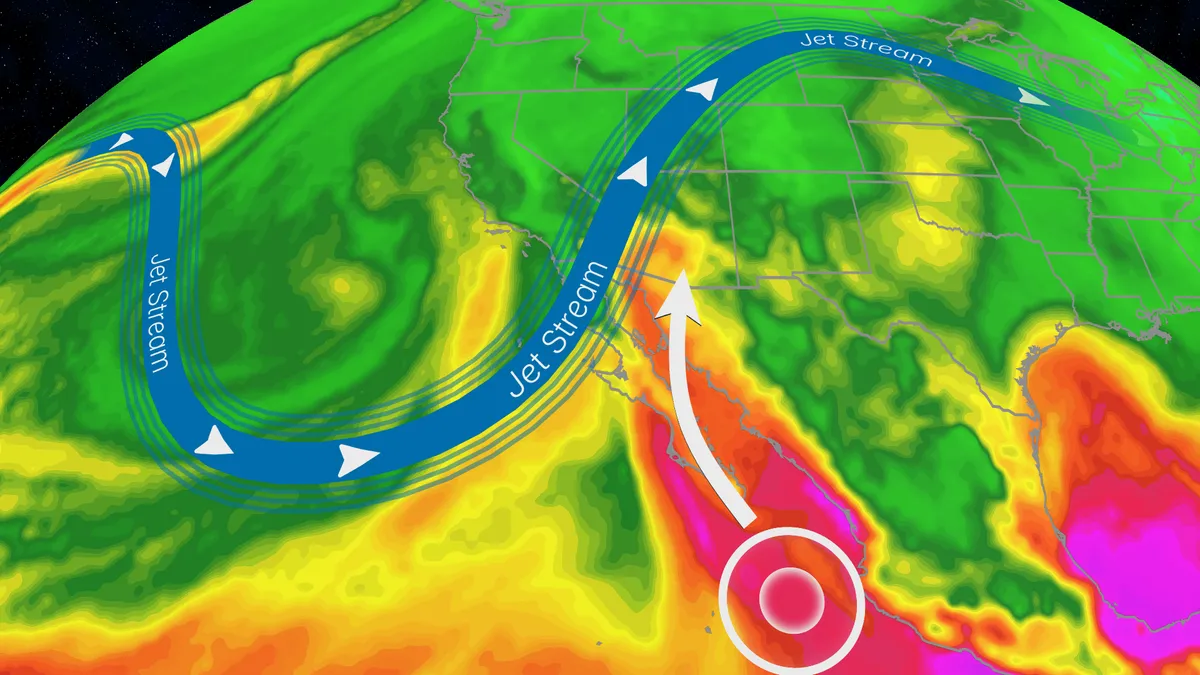
Trudy’s moisture will trigger a flood risk for Southwest US
Hurricane Trudy will bring flood threat to the Southwest USTrudy is off the Mexican coast, but its moisture will pour into the southwestern U. S. and will help fuel a multiday flood risk across seven states this week from California to Colorado. A dip in the jet stream will also funnel in moisture from the Pacific as a strong low-pressure system moves into the region. Timing out this week’s rainfallWednesday: The highest risk of flooding on Wednesday covers much of Arizona and New Mexico, and portions of Colorado and Utah, as well as Southern California. There will be an abundance of moisture available to support heavy downpours and training storms. This means storms will produce heavy rain over the same areas for long periods of time. The Weather Prediction Center is forecasting rainfall rates as high as 2 inches per hour. Some of the biggest concern will be the possibility of mudslides over recent burn scar areas as well as slow canyons and arroyos. If you have plans to visit any of the national parks in the West this week, make sure you check the forecast daily and pay attention to any warnings or advisories issued.

Typhoon Champi churns across Pacific as another tropical threat begins to take shape
THE TAKEAWAYChampi is expected to peak as a violent super typhoon with winds exceeding 160 mph. Another tropical threat — designated Invest 94E — is taking shape in the Pacific. The Pacific basin remains active amid a brewing Super El Niño. The Pacific remains a hotbed of tropical activity this week as Typhoon Champi churns across the region, while the FOX Forecast Center keeps a close eye on another area for potential development. The basin remains supercharged, fueling monster storms across the basin, including Champi, which has impacted Guam in recent days, with little sign of relief as Tropical Storm Trudy lingers near Mexico. CALIFORNIA STORMS COULD BRING MUCH-NEEDED RAIN AND RELIEF TO WILDFIRE-WEARY AREASThe FOX Forecast Center is also monitoring an additional storm that could develop in the near future. Satellite imagery showing the Northeast Pacific tropics. (NOAA / FOX Weather)Behind Tropical Storm Trudy, an area to watch with highly conductive environmental conditions is being observed south of Mexico, with a high probability of tropical development over the next seven days.
0 comments
No comments yet. Be the first to share your thoughts!