Rolling without wheels: How dwarf reedsnakes coordinate their bodies for high-speed escapes - Phys.org
This story deserves to be shared
Send it to someone who'd care, or post it on your networks.
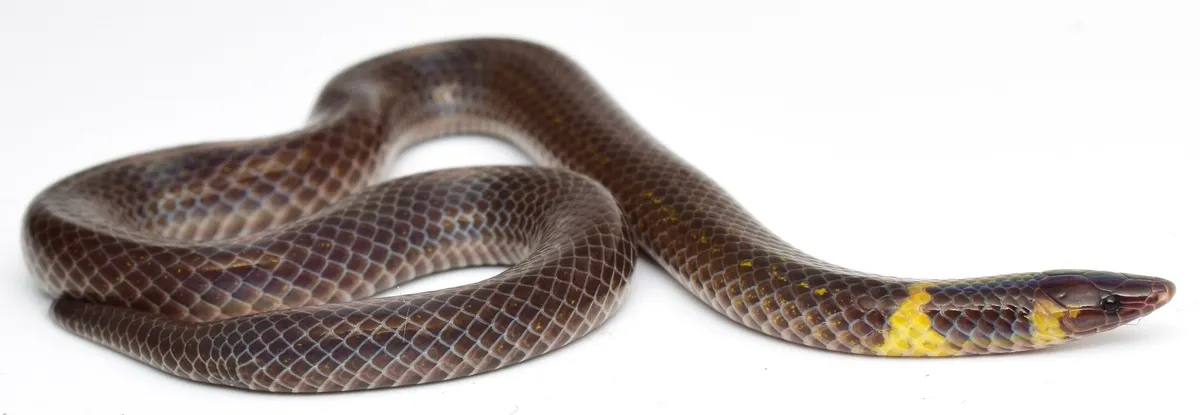
A species of dwarf reedsnake, Pseudorabdion saravacense, investigated in the study. Credit: Yosuke Kojima
Small snakes called dwarf reedsnakes can escape danger by rolling rapidly along the ground. Researchers investigated how they perform this unusual form of locomotion using multi-angle video analyses. The results show that the snakes use precisely coordinated body movements that keep their heads facing the direction of travel and at a relatively stable height, even as the posterior body undergoes large rotational movements.
This article is an excerpt. To read the full content, visit the original source. Phys.org
Related articles
Six Years of Curiosity’s Wheels on the Move - NASA Science (.gov)
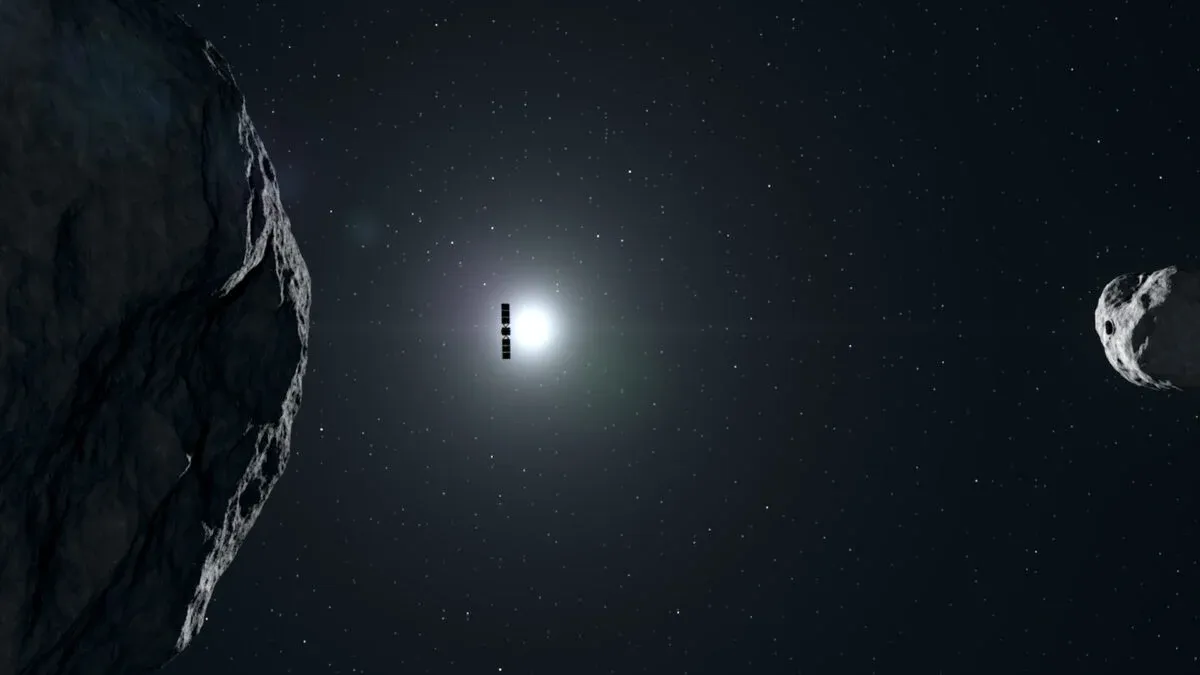
Hera Closes In on Asteroid Pair to Study the Impact Damage of NASA’s DART Strike - Gizmodo
In September 2022, a NASA spacecraft violently smashed into a tiny asteroid as a test of planetary defense. Now, a new probe is ready to check out the wreckage by rendezvousing with the space rock for a closer look. The European Space Agency (ESA) launched its Hera mission on October 7, 2024, as a crucial follow-up to NASA’s DART (Double Asteroid Redirection Test), a first-of-its-kind attempt to redirect the orbit of an asteroid. The small, car-sized spacecraft recently pulled off a braking maneuver to slow it down as it approaches the binary asteroid system before it makes its first close flyby in early November. Hera is set to perform a detailed, post-impact survey with the aim of turning a one-time, space experiment into a well-understood planetary defense mechanism. The mission could also help scientists learn more about how asteroids form. Collision ahead For the DART test, NASA sent a 1,340-pound spacecraft (607 kilograms) and smashed it into Dimorphos, a 558-foot-wide (170-meter) space rock that orbits its larger 2,625-foot-wide (800-meter) companion, Didymos.
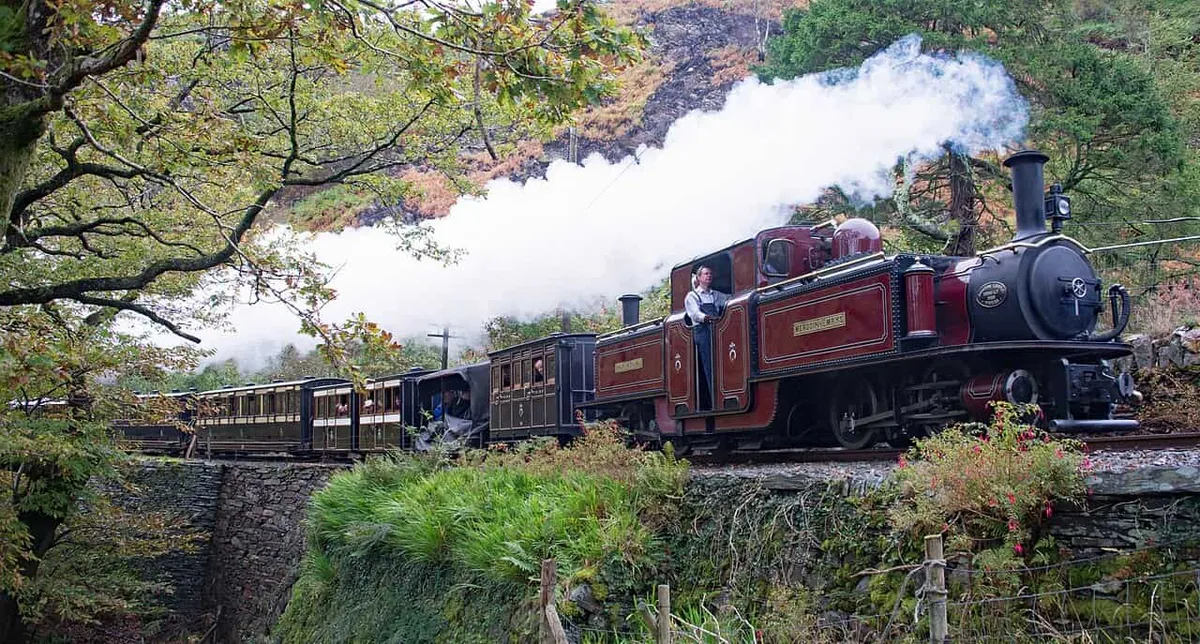
A Solar Storm Supposedly Delayed a Train in 1841. But the Railway Didn’t Exist Yet - ZME Science
For more than 150 years, scientists believed it was the earliest documented example of a solar storm interfering with human technology. There was just one glaring problem. The Victorian railway hadn’t even been built yet. The story appeared in the prestigious scientific journal Nature in 1871. According to the account, an intense magnetic storm on October 18, 1841, scrambled telegraph signals along the South Devon Railway. Unable to confirm that the tracks ahead were clear, railway officials held the 10:05 p.m. express at Exeter for 16 minutes.
0 comments
No comments yet. Be the first to share your thoughts!