RFK Jr’s ‘deities of vaccine research’ raided by police in Guinea-Bissau - The Guardian
This story deserves to be shared
Send it to someone who'd care, or post it on your networks.
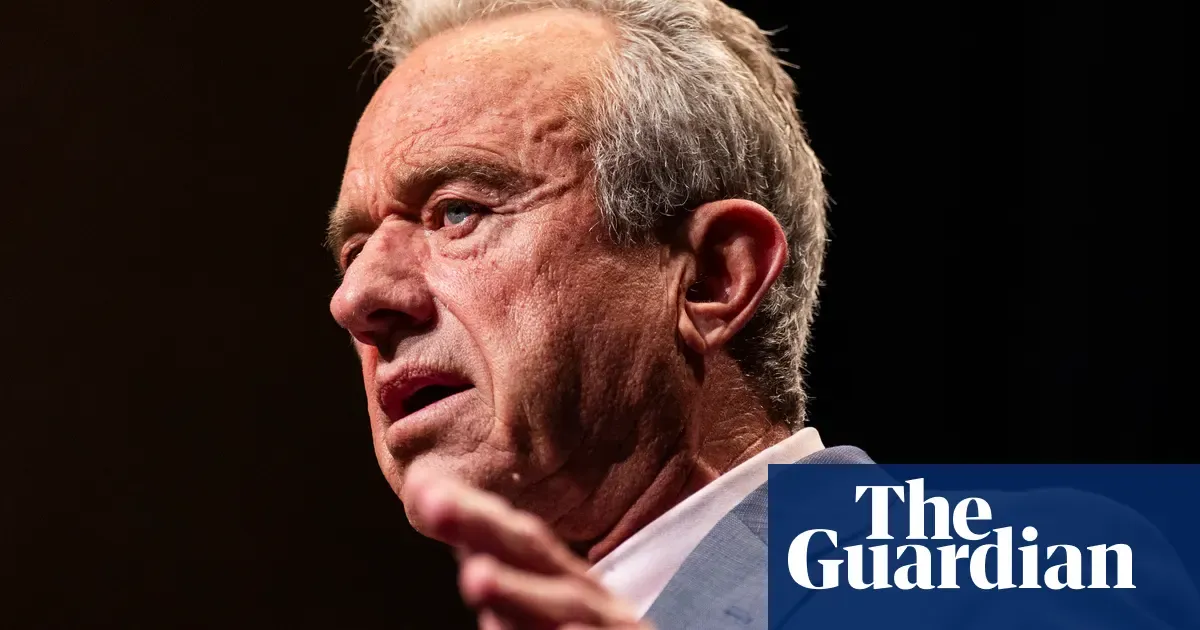
Controversial vaccine researchers who have been praised by Robert F Kennedy Jr, the US Department of Health and Human Services (HHS) secretary, had their offices in Guinea-Bissau raided by judicial police, who seized doses of hepatitis B vaccines, officials said on Facebook. The researchers have been at the heart of an ongoing dispute over research on African newborns, supported by $1.6m from the US Centers for Disease Control and Prevention (CDC) and matched by the Pershing Square Foundation and the Bluebell Foundation for a total of $3.2m. The police search took place on Monday, involving “investigative procedures aimed at clarifying the circumstances related to the said batch of vaccines”, according to the social media post, which was translated from Portuguese. The announcement noted that seizing the immunizations did not point to “irregularities in the quality, safety, or effectiveness of the vaccines”. The Bandim Health Project recently posted a letter of approval for the trial from Guinea-Bissau’s national ethics committee at the ministry of public health, dated 14 July and signed by the committee’s president, Mouhammed Djicó Ould Ahmed.
This article is an excerpt. To read the full content, visit the original source. The Guardian
Related articles

Guinea-Bissau denies it has approved controversial vaccine trial in newborns - The Guardian
Guinea-Bissau has not approved the controversial hepatitis B study in newborns that would be funded by the US government and private partners, the African country’s minister of health said on Tuesday. The study, which would not investigate the safety or effectiveness of vaccines but would instead track “nonspecific” health outcomes like overall mortality or neurodevelopmental conditions, has been championed by Robert F Kennedy Jr, secretary of the US Department of Health and Human Services (HHS) and a longtime anti-vaccine activist. Members of a Danish research ethics committee were informed that officials in Guinea-Bissau had approved an updated design of the study, which influenced some committee members’ votes to proceed with the trial last week. But the health ministry never agreed to or authorized the trial, said Quinhin Nantote in Portuguese at a press briefing, where he referred to the study as “tests”. “The ministry did not authorize the tests under the terms presented in the publications currently in circulation,” the health minister said. He said officials in Guinea-Bissau were “surprised” to see media reports that the country had given approval to the study.
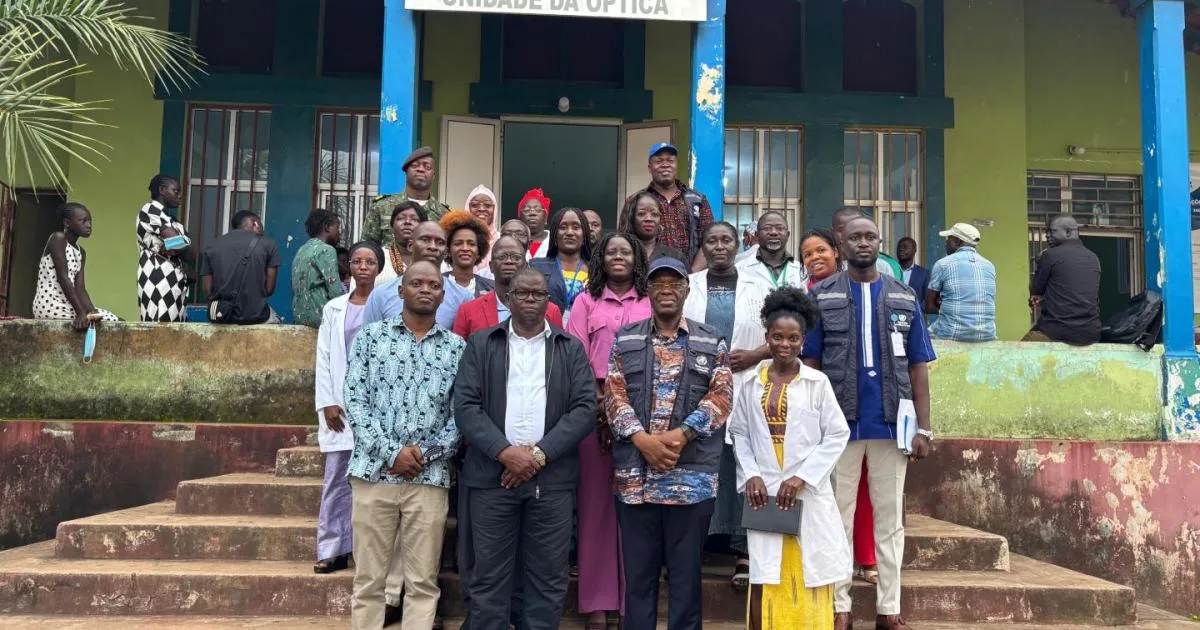
New equipment strengthens the capacity of Guinea-Bissau’s National Ophthalmology Service - WHO | Regional Office for Africa
Bissau—The initiative expands the resources available for eye examinations, diagnosis and treatment at Simão Mendes National Hospital. The World Health Organization (WHO) handed over materials and equipment to the National Ophthalmology Service, based at Simão Mendes National Hospital in Bissau. The equipment, valued at a total of US$151,863, was procured under the National Health System Strengthening Project, funded by the African Development Bank in collaboration with the Ministry of Public Health. Technology for more accurate examinations and treatmentThe materials provided include equipment for different stages of eye care. Slit lamps allow health professionals to examine the structures of the eye in detail. Tonometers are used to measure intraocular pressure, an important test for detecting and monitoring conditions such as glaucoma. The automated refractor-keratometer helps assess refractive errors and corneal curvature, while the optical biometer provides measurements that support the planning of certain procedures.
Statement on the planned hepatitis B birth dose vaccine trial in Guinea-Bissau - World Health Organization (WHO)
Media release: Aotearoa NZ needs action on unhealthy food environment - Public Health Communication Centre
AHF, GNP+ Webinar Puts Spotlight on Global HIV/AIDS Response - AFP.com
AHF ) and the Global Network of People Living with HIV ( GNP+ ) will convene a global webinar on Oct. 22 titled “
0 comments
No comments yet. Be the first to share your thoughts!