Researchers in Australia develop method to target gene fusions in cancer - Xinhua
This story deserves to be shared
Send it to someone who'd care, or post it on your networks.
MELBOURNE, Oct. 19 (Xinhua) -- Researchers in Australia have developed a way to precisely target the "unique molecular fingerprint" created when two genes become abnormally fused together, potentially paving the way for more personalized cancer treatments. Researchers from Australia's Peter MacCallum Cancer Center and collaborating institutions described the method in Science Advances, aiming to develop programmable cancer medicines tailored to individual tumors' genetic abnormalities, according to a statement released recently by Peter Mac. The new strategy can precisely target and silence gene fusions, stopping their cancer-driving effects and potentially offering a new, highly personalized approach to treating a wide range of fusion-driven cancers, according to the study. ■
This article is an excerpt. To read the full content, visit the original source. Xinhua
Related articles
Researchers in Australia develop method to target gene fusions in cancer - Xinhua
MELBOURNE, Oct. 19 (Xinhua) -- Researchers in Australia have developed a way to precisely target the "unique molecular fingerprint" created when two genes become abnormally fused together, potentially paving the way for more personalized cancer treatments. Researchers from Australia's Peter MacCallum Cancer Center and collaborating institutions described the method in Science Advances, aiming to develop programmable cancer medicines tailored to individual tumors' genetic abnormalities, according to a statement released recently by Peter Mac. The new strategy can precisely target and silence gene fusions, stopping their cancer-driving effects and potentially offering a new, highly personalized approach to treating a wide range of fusion-driven cancers, according to the study. ■
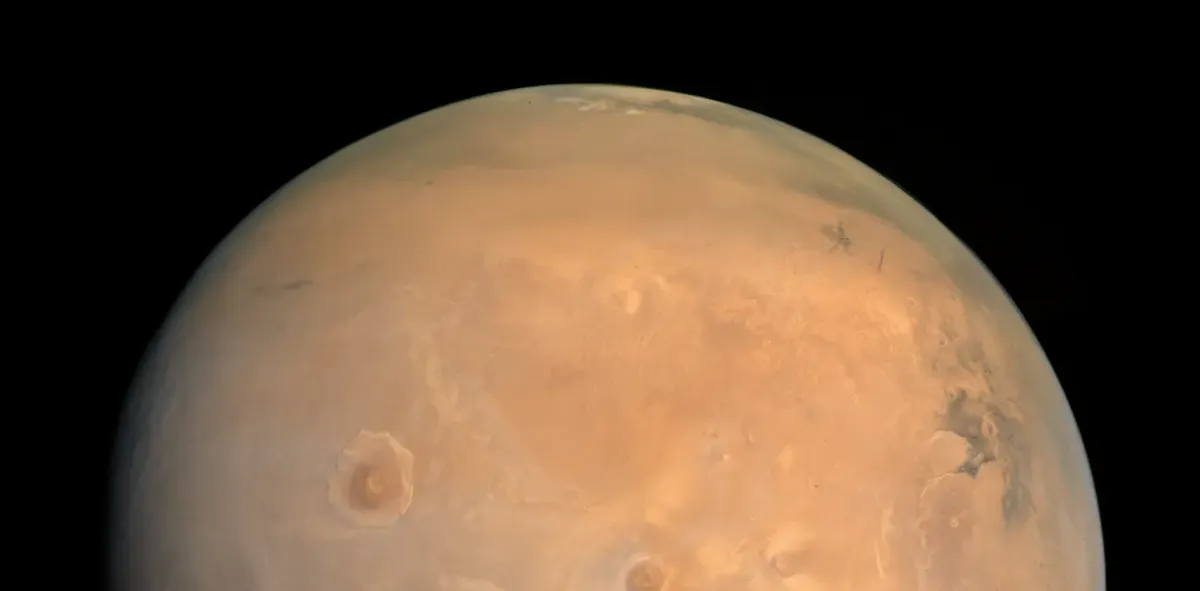
NASA’s Mars orbiter fleet is getting old – here’s how that could affect future exploration - The Conversation
Currently, about 16,000 satellites are orbiting Earth, providing everything from GPS service and weather reports to phone service in remote locations to people across the globe. In contrast, the highest-ever number of active satellites in orbit around Mars, one of the best-explored other planets in our solar system, is eight.
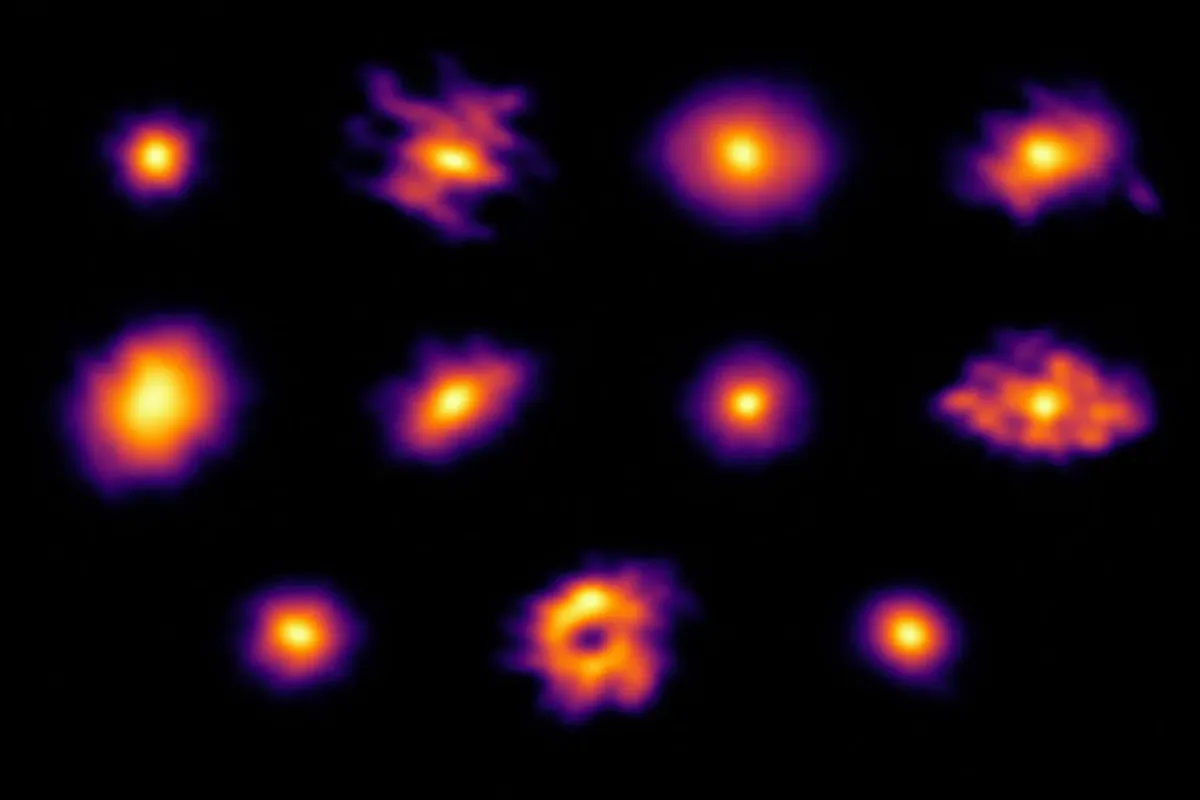
Tiny planet-forming disks reveal a big surprise about how planets are born - Tech Explorist
Hidden gaps in tiny disks could point to planets still forming. Continue reading Tiny planet-forming disks reveal a big surprise about how planets are born on Tech Explorist .

Scientists discover why some people still can’t taste food after COVID-19 - Science Daily
Scientists have uncovered changes inside taste buds that may help explain why some people struggle to taste food more than a year after recovering from COVID-19. The findings point to disruptions in the molecular signals responsible for detecting certain flavors, along with physical abnormalities in the structure of taste buds. The study, published in Chemical Senses, offers the first direct biological evidence connecting persistent taste problems reported by patients to measurable changes within their taste cells.
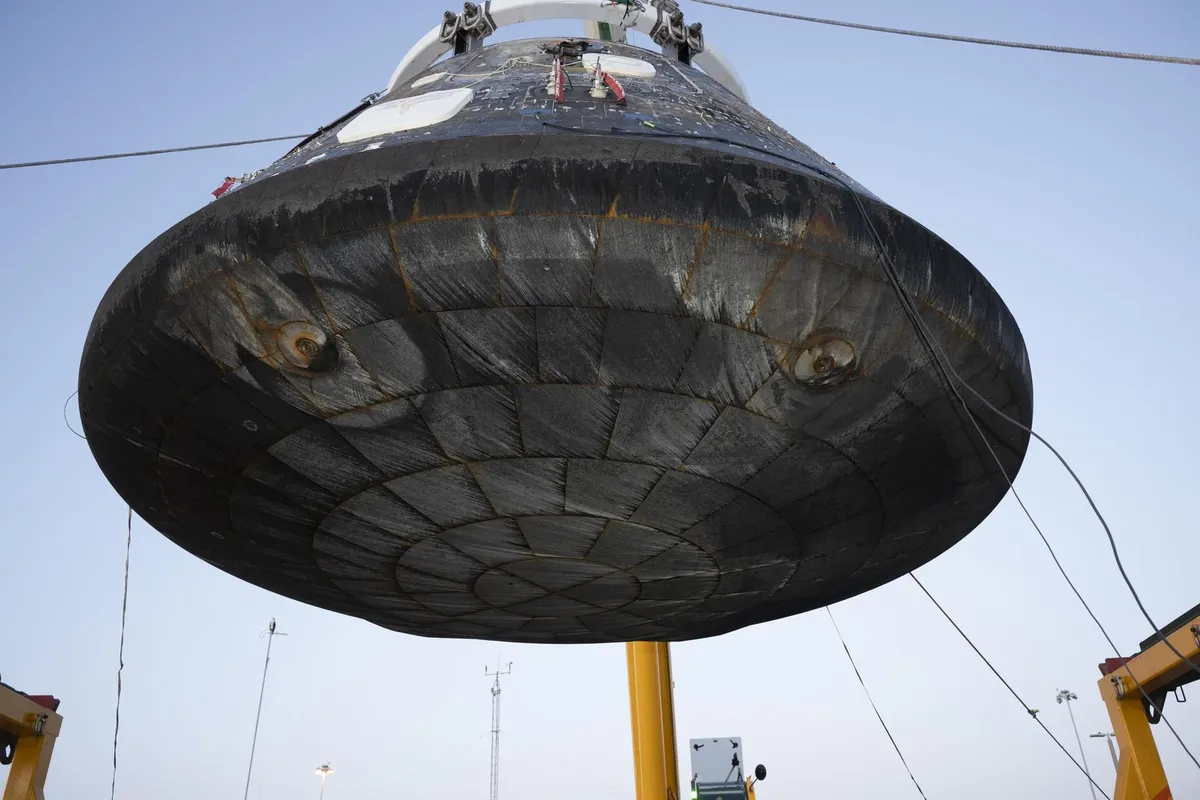
Studies confirm performance of Artemis 2 heat shield - SpaceNews
The Orion heat shield after the Artemis 2 mission, with far less char loss than experienced on Artemis 1. Credit: NASA/Kevin Davis WASHINGTON — Detailed engineering studies have confirmed that the Orion heat shield on the Artemis 2 mission performed as expected, without the erosion seen on Artemis 1.

Did a giant object collide with Earth to form the moon? - Space
The popularity of the giant-impact hypothesis can be attributed to the multiple lines of evidence supporting the impact scenario.
0 comments
No comments yet. Be the first to share your thoughts!