Pseudomonas turns protection into pathology - Nature
This story deserves to be shared
Send it to someone who'd care, or post it on your networks.
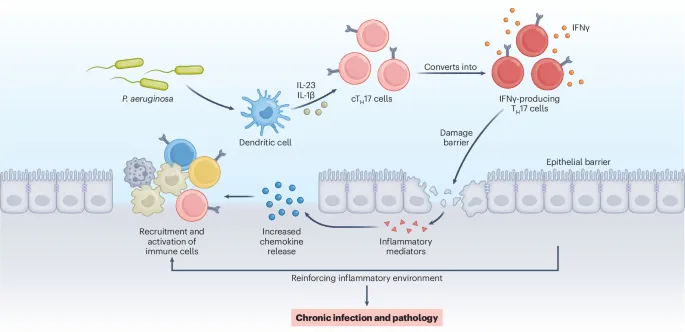
Chronic airway infection and inflammation form a destructive partnership in cystic fibrosis. Recent evidence shows that Pseudomonas aeruginosa persistent infections can redirect immunity towards tissue injury.
Access Nature and 54 other Nature Portfolio journals
This article is an excerpt. To read the full content, visit the original source. Nature
Related articles
Saskatchewan welcomes first students to new occupational therapy and speech language pathology programs - University of Saskatchewan
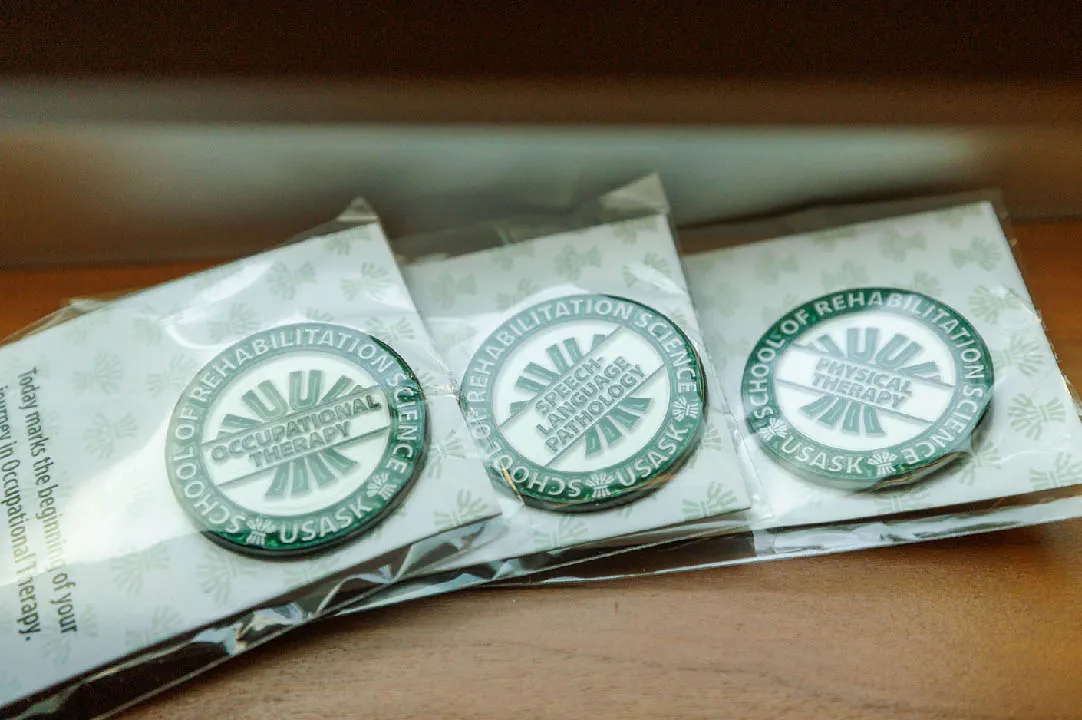
A Saskatchewan milestone: Students will begin studies in the first-ever Master of Occupational Therapy and Master of Speech-Language Pathology programs at the University of Saskatchewan. (Photo: David Stobbe for the University of Saskatchewan) The Government of Saskatchewan is recognizing a milestone in the expansion of health professional training in the province. Students will begin studies in the first-ever Master of Occupational Therapy and Master of Speech-Language Pathology programs at the University of Saskatchewan (USask).
Health Minister welcomes Pathology Transformation Review - Department of Health

The need for resilience in global vaccination programs - Nature
New studies of trends in the global burden of measles and pertussis offer a reminder of how much vaccination has achieved and a warning of the need to build more resilient and sustainable vaccination programs. This is a preview of subscription content, access via your institution
Integrated fermentation optimization and downstream purification strategies for enhanced monascin and ankaflavin production by Monascus purpureus TST - Nature
We’re sharing this article early to provide faster access to peer-reviewed, accepted research. It is citable and carries a permanent DOI. This version is subject to further edits and will be replaced automatically by the final Version of Record. All legal disclaimers apply. AbstractMonascin (MS) and ankaflavin (AK) are bioactive yellow pigments produced by Monascus species, known for their health benefits and safety profile compared to monacolin K. This study developed an integrated strategy combining Response Surface Methodology (RSM) for submerged fermentation optimization and a downstream purification process to maximize MS and AK production by Monascus purpureus TST. Although the results of this study demonstrate that RSM did not successfully predict the optimal production conditions, the RSM optimization revealed significant interactions between sucrose, ammonium sulfate, and magnesium sulfate heptahydrate. Verification experiments confirmed that the optimal culture conditions for M. purpureus TST were 200 g/L sucrose, 17.5 g/L (NH4)2SO4, and 0.1 g/L MgSO4·7H2O.
0 comments
No comments yet. Be the first to share your thoughts!