Popular sugar substitute linked to brain damage and stroke risk - Science Daily
This story deserves to be shared
Send it to someone who'd care, or post it on your networks.
This article is an excerpt. To read the full content, visit the original source. Science Daily
Related articles
In vitro and in vivo evaluation of liposomes constructed with Rg3 as a cholesterol substitute for tumor therapy - Nature
We’re sharing this article early to provide faster access to peer-reviewed, accepted research. It is citable and carries a permanent DOI. This version is subject to further edits and will be replaced automatically by the final Version of Record. All legal disclaimers apply. AbstractConventional cholesterol liposomes have poor stability, rapid clearance, and toxicity. This study used Rg3 to replace cholesterol for constructing curcumin-loaded liposomes (PCRL) and evaluated their potential for enhanced hepatocellular carcinoma therapy. Curcumin-loaded liposomes were prepared with Rg3 (PCRL) and cholesterol (PCCL) via thin-film hydration. Physicochemical properties, protein corona, in vitro behavior, in vivo tumor targeting, antitumor efficacy, and biosafety were assessed in H22 tumor-bearing mice. PCRL exhibited smaller particle size, superior storage/plasma stability, and comparable membrane packing to PCCL. Protein corona analysis showed reduced adsorption of immunoglobulin-like and complement proteins, prolonging blood circulation > 24 h and enhancing tumor accumulation.
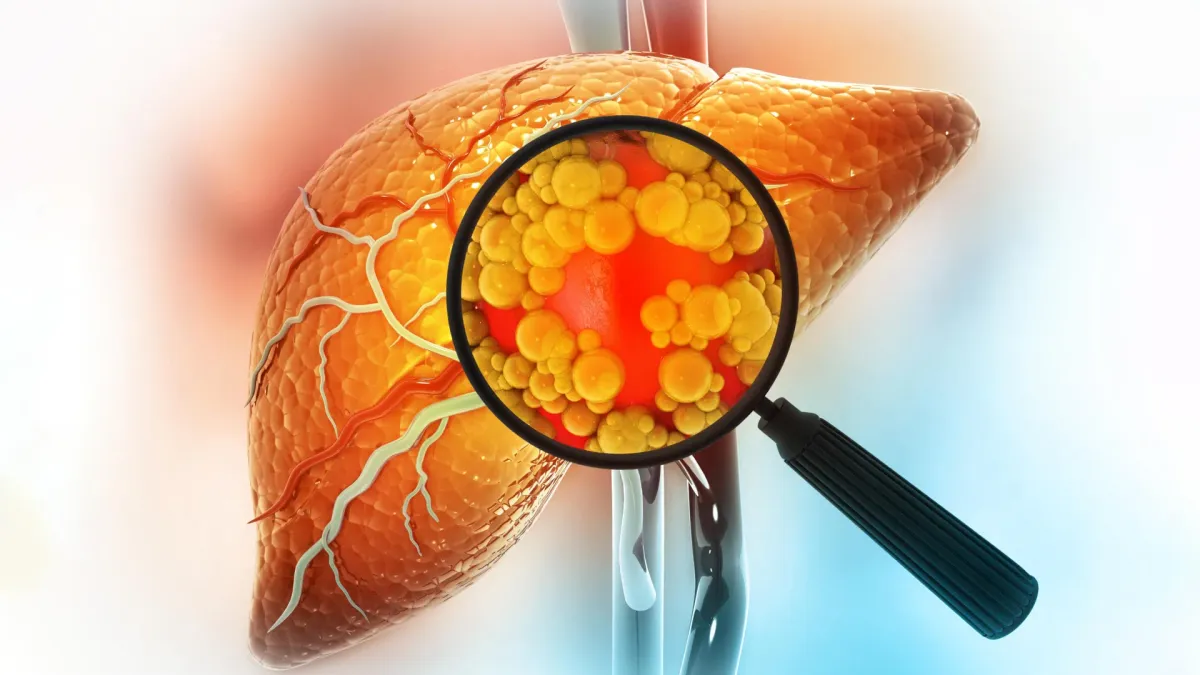
Scientists discover a hidden problem with this popular sugar substitute - Science Daily
Sugar substitutes are often marketed as a better choice than foods loaded with refined sugar (glucose). Common examples include aspartame, the sweetener used in Equal packets, sucralose (Splenda), and sugar alcohols such as sorbitol. But growing research is complicating the idea that these alternatives are automatically healthier. A new study suggests that sorbitol, in particular, may have metabolic effects that make it less harmless than many people assume.

JWST tours Orion’s hidden stellar nursery - Astronomy.com
Colorful outflows from young protostars in Orion the Hunter plunge into the thick dust of a molecular cloud in this new infrared image. A small slice of the molecular cloud known as OMC-2 in Orion explodes to life in this new JWST image. Young protostars and their powerful outflows highlight a region chock full of cold gas and dust. Credit: ESA/Webb, NASA & CSA, T. Megeath (University of Toledo), M. Zamani (ESA/Webb); Acknowledgement: M. H. Özsaraç
0 comments
No comments yet. Be the first to share your thoughts!