Paying for the past: Norway's finder's fees favor gold's weight over what it tells us - Phys.org
This story deserves to be shared
Send it to someone who'd care, or post it on your networks.

The Skaun hoard (T27224/1 and T27224/2), made up of "payment gold" dated to around A. D. 200–550. Credit: Åge Hojem; CC BY-SA 4.0 NTNU, University Museum in Axelsen and Skare 2026
Ten years ago, in 2016, a metal detectorist came upon a hoard of gold. It had been buried in the dirt for around 1,800 years and consisted of around 396 grams (14 ounces) of gold rings. The detectorist handed in his finds to a museum and received the largest finder's fee ever paid out in Norwegian history. He had been rewarded for the gold weight, not its rarity.
This article is an excerpt. To read the full content, visit the original source. Phys.org
Related articles

Introducing the New Small Business Cybersecurity Support Program Finder - National Institute of Standards and Technology (.gov)
For small businesses who are often confronted with limited resources, knowing how to get started and where to find support with planning, implementing, or evaluating a cybersecurity risk management strategy can be challenging — sometimes making cybersecurity feel like an insurmountable hurdle. However, there is good news. Many non-profit organizations across the United States have created programs for their local small business communities (in addition to local schools, municipal governments, and non-profits) that often extend beyond general cybersecurity education to include services like conducting risk assessments and penetration tests, performing compliance consulting services, helping with incident preparedness and response measures, and more. The NIST Small Business Cybersecurity Support Program Finder brings these programs together into one tool, connecting small businesses with local non-profit community partners who help with cybersecurity risk management. Explore the ToolSelecting a state on the interactive map will present a list of programs, as shown in the graphic below. A table of programs alphabetized by state is also provided below the map for users to browse.
How to get the most out of the Business Benefits Finder - ISED Canada
There’s a lot that government can do for your Canadian business. But with so much support available, it’s easy to miss out if you don’t know where to look. The Government of Canada’s Business Benefits Finder is your one-stop-shop for everything government can do for your business. The Finder pulls together more than 1,500 supports offered by the federal, provincial and territorial governments and then helps you narrow that down to only the ones that meet your needs. All you have to do is answer a few quick questions about your business to get a tailored list of the right programs and services.
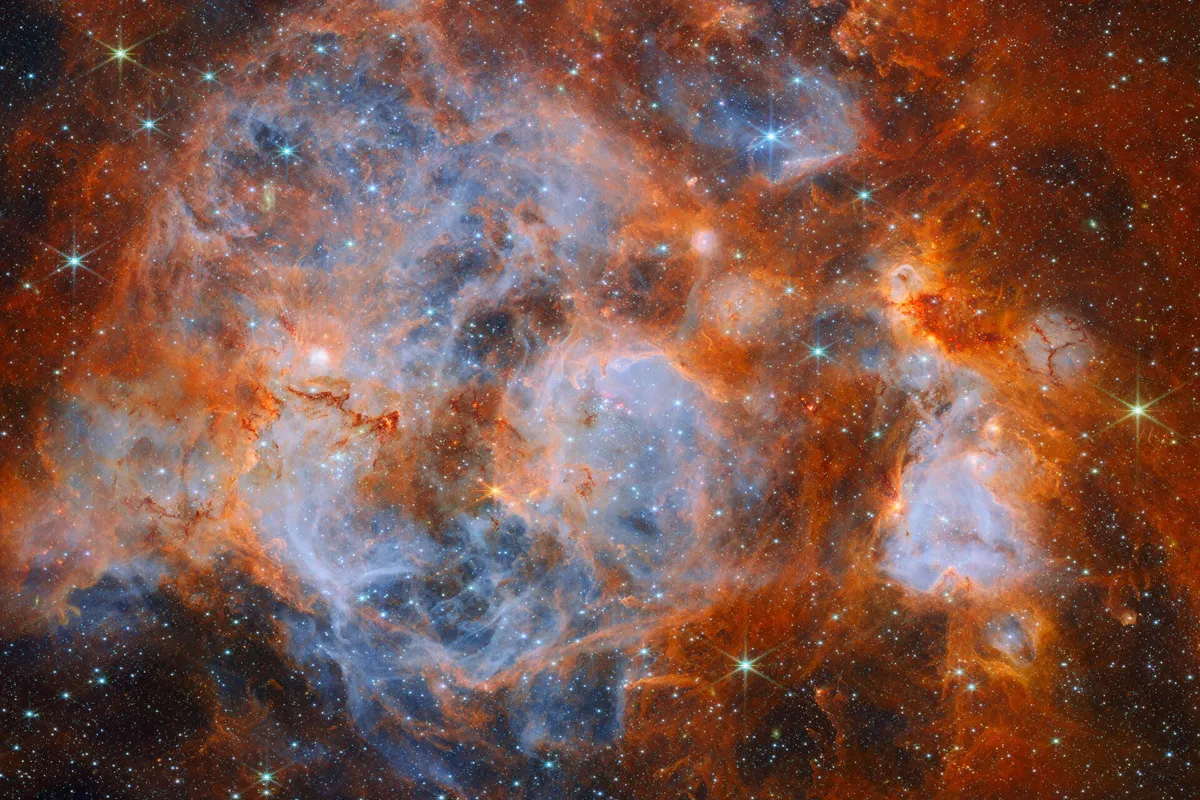
Webb image reveals young stars brewing in a nebulous cauldron - Phys.org
A nebula made of clouds of gas and dust with stars forming within. In the center and out to the left it is filled with thin, wispy blue gas that forms delicate layers. Around this are thicker orange clouds with dark ridges. Thin red filaments of gas cross the center of the nebula. Glowing bubbles in the gas contain dense, very bright clusters of stars. At the edges, distant stars are visible as bright points on a dark background. Credit: European Space Agency In this Picture of the Month from the NASA/ESA James Webb Space Telescope, we visit a turbulent cauldron of star formation to see what is brewing inside dense clumps of gas. This is a star-forming region named LHA 120-N 159, or simply N159, located 161,000 light-years away in the Large Magellanic Cloud (LMC), one of the satellite galaxies orbiting the Milky Way galaxy. This image spans about 230 light-years across.
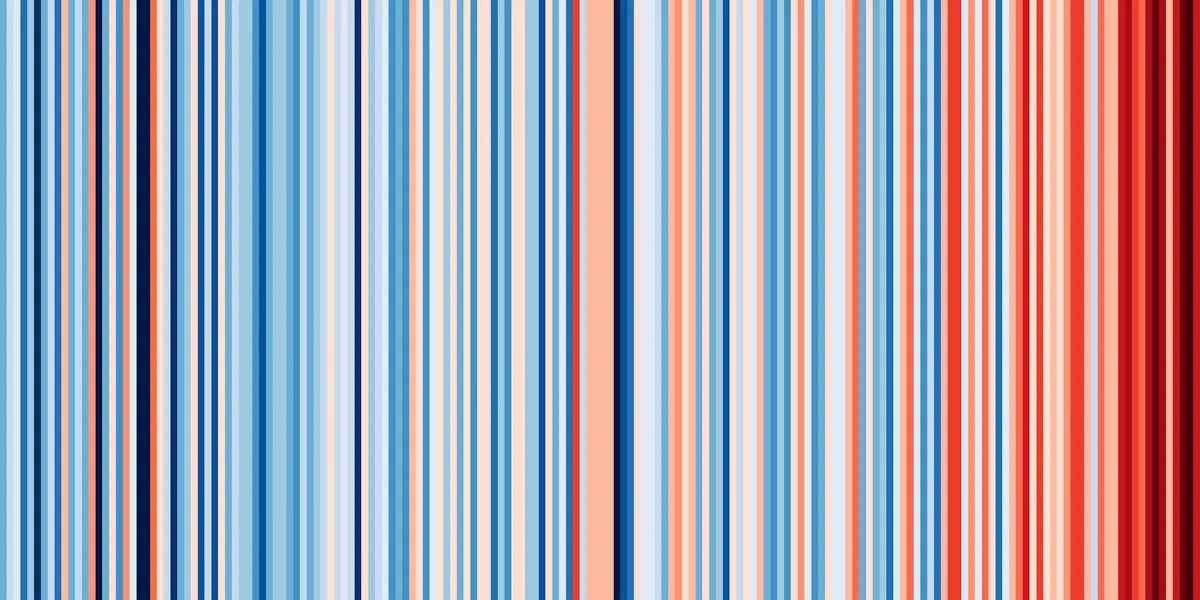
When climate data is transformed into visuals, some people and places get overlooked - Phys.org
When a climate disaster happens, people thousands of miles away may encounter it through numbers: how many people died, how many were displaced, how many homes were destroyed and how much infrastructure was damaged. But for the people living through it, the disaster is not a data set. It is a home, a family, a livelihood and a place. Billions of people around the world live in places and situations that are highly vulnerable to climate change, such as parts of Africa, Asia and small Pacific islands.
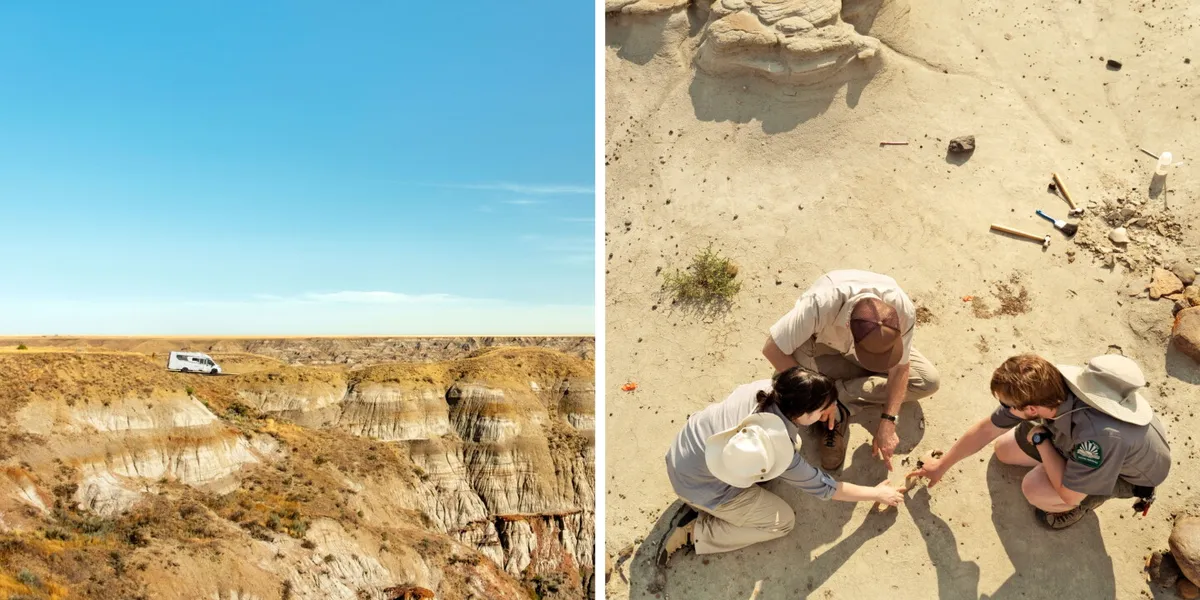
I’ve Gone Fossil Hunting Around the World, and This Is the Best Place to See Dinosaur Bones - AFAR Media
Millions of years of erosion of clay and sandstone have created the unique landscape of the Alberta badlands, where dinosaur bones can often be found poking right out of the ground. Photo by Cody Baker/Travel Alberta (L); photo by roth + ramberg/Travel Alberta (R) Dinosaur Provincial Park in Alberta, Canada, has the highest concentration of Late Cretaceous dinosaur fossils in the world. Researchers have discovered more than 44 dinosaur species here and unearthed more than 150 complete skeletons that are now on display at some of the world’s major natural history museums. These credentials earned the park a UNESCO World Heritage site designation. Given all of this, I knew I had to see it for myself. What is Dinosaur Provincial Park like? I stood on the rock-hard ground of Alberta’s badlands, the sun blazing down on the tall hills and hoodoos around me, looking at the striations in the layers of clay and sandstone that held the landscape’s geologic history. As starkly beautiful as the scenery was, I found my gaze locked on something right in front of me: a white bone protruding from a mound of tan sandstone, its exposed end split and weathered, its interior akin to concrete.
0 comments
No comments yet. Be the first to share your thoughts!