One Blood Type Seems to Carry a Higher Risk of Type 2 Diabetes - ScienceAlert
This story deserves to be shared
Send it to someone who'd care, or post it on your networks.
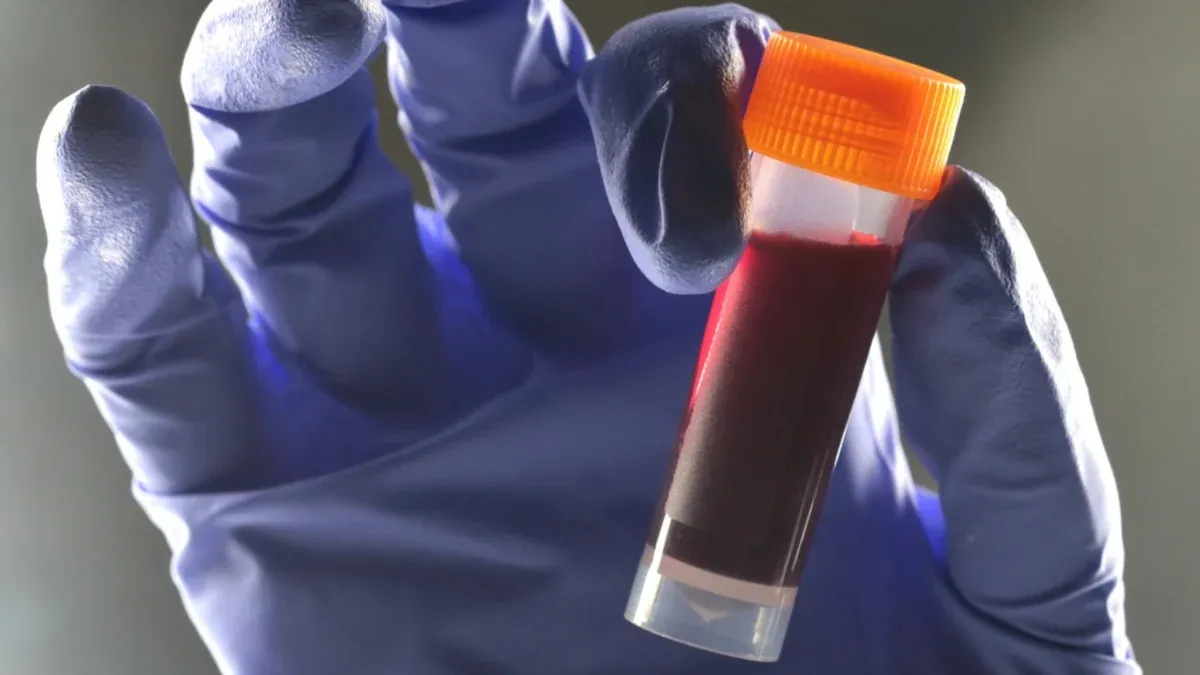
Depending on your blood type, it's possible you could carry a higher diabetes risk, research suggests. According to a 2024 review, people with blood type B – either positive or negative – face a slightly higher risk of developing type 2 diabetes than people with non-B blood types. How much higher? About 28 percent, on average. That might not seem huge, but it may be significant enough to tip the scales if other risk factors are involved. "Numerous systematic reviews with meta-analyses have been published, which explored correlations between ABO and Rhesus blood groups with various health outcomes," wrote a team led by epidemiologist Fang-Hua Liu of Shengjing Hospital of China Medical University. "However, to date, the association between these blood groups and human health outcomes remains controversial. The current umbrella review included 51 systematic reviews with meta-analysis articles with 270 associations. "We recalculated each association and found only one [instance of] convincing evidence for an association between blood group B and type 2 diabetes mellitus risk compared with the non-B blood group.
This article is an excerpt. To read the full content, visit the original source. ScienceAlert
Related articles

Lupus Remission Linked to Better Pregnancy Outcomes - EMJ
WOMEN with systemic lupus erythematosus (SLE) who are not in remission may face an increased risk of adverse pregnancy outcomes, according to findings from a prospective cohort study examining pregnancy complications across different disease severity groups. Researchers found that adverse pregnancy outcome rates varied substantially depending on patient characteristics and the definitions used to classify complications. The findings also highlighted the potential importance of achieving disease remission before pregnancy, particularly among women with additional clinical risk factors.

Review of the Hands-On Laparoscopic Cadaveric Dissection for Retroperitoneal Pelvic Anatomy, Advanced Gynaecological Surgery and Robotic Simulation Course - EMJ
A DETAILED understanding of pelvic anatomy underpins safe gynaecological surgery, but developing advanced surgical skills requires opportunities to move beyond simulation. At the University of Leeds, UK, the European Society for Gynaecological Endoscopy (ESGE) brought together senior trainees and consultant gynaecologists for hands-on cadaveric dissection and robotic simulation. This feature explores the course’s practical lessons, the expertise behind its delivery, and the generosity of body donors who make this training possible. Minimally invasive gynaecological surgery continues to evolve rapidly, with increasing complexity in the management of endometriosis, gynaecological malignancies, and benign pelvic disease. While simulation has transformed surgical education, many advanced procedures still require an understanding of anatomical planes and tissue handling that can only be fully appreciated through cadaveric dissection.
0 comments
No comments yet. Be the first to share your thoughts!