Octopus and cuttlefish suckers may have evolved by repurposing ancient developmental genes - Phys.org
This story deserves to be shared
Send it to someone who'd care, or post it on your networks.
This article is an excerpt. To read the full content, visit the original source. Phys.org
Related articles
A primary cell culture platform for studying venom gland and brain tissue in octopus - Nature
We’re sharing this article early to provide faster access to peer-reviewed, accepted research. It is citable and carries a permanent DOI. This version is subject to further edits and will be replaced automatically by the final Version of Record. All legal disclaimers apply. AbstractColeoid cephalopods, squids, cuttlefish, and octopuses, have emerged as powerful model organisms for studying neurobiology, development, and behavior, however, cellular tools for investigating their specialized tissues remain limited. In particular, their venom producing gland, the posterior salivary gland (PSG), has been extensively described anatomically and histologically, yet remains largely inaccessible to experimental investigation at the cellular level. Here, we report the first establishment of primary cell cultures derived from both the optic lobe (OL) and PSG tissues of Octopus bimaculoides. Building on recent advances in cephalopod brain cultures, we adapted and optimized dissociation and culture conditions to support short-term survival and attachment of cells in vitro.
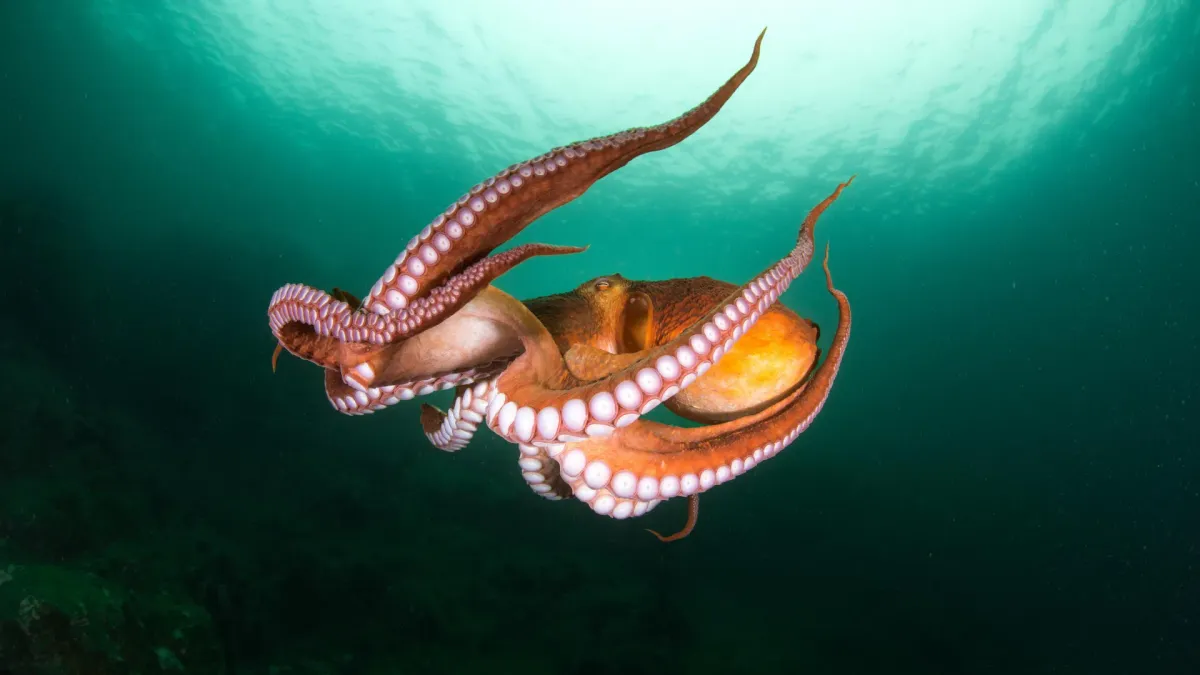
Scientists find a surprising genetic twist behind octopus intelligence - Science Daily
Octopuses, squid, and cuttlefish possess some of the most sophisticated nervous systems in the animal kingdom, giving them remarkable abilities such as solving problems and rapidly changing their appearance to blend into their surroundings. But how did these extraordinary capabilities evolve? Scientists have uncovered a surprising clue that may lie not in the genes themselves, but in the way DNA is folded and arranged inside cells. Researchers at the University of Vienna discovered that a massive reorganization of DNA hundreds of millions of years ago brought previously separated genetic regions into contact. These newly formed connections changed how genes could interact and be controlled, potentially helping drive the evolution of the unusually complex nervous systems found in these animals, which are collectively known as coleoid cephalopods.
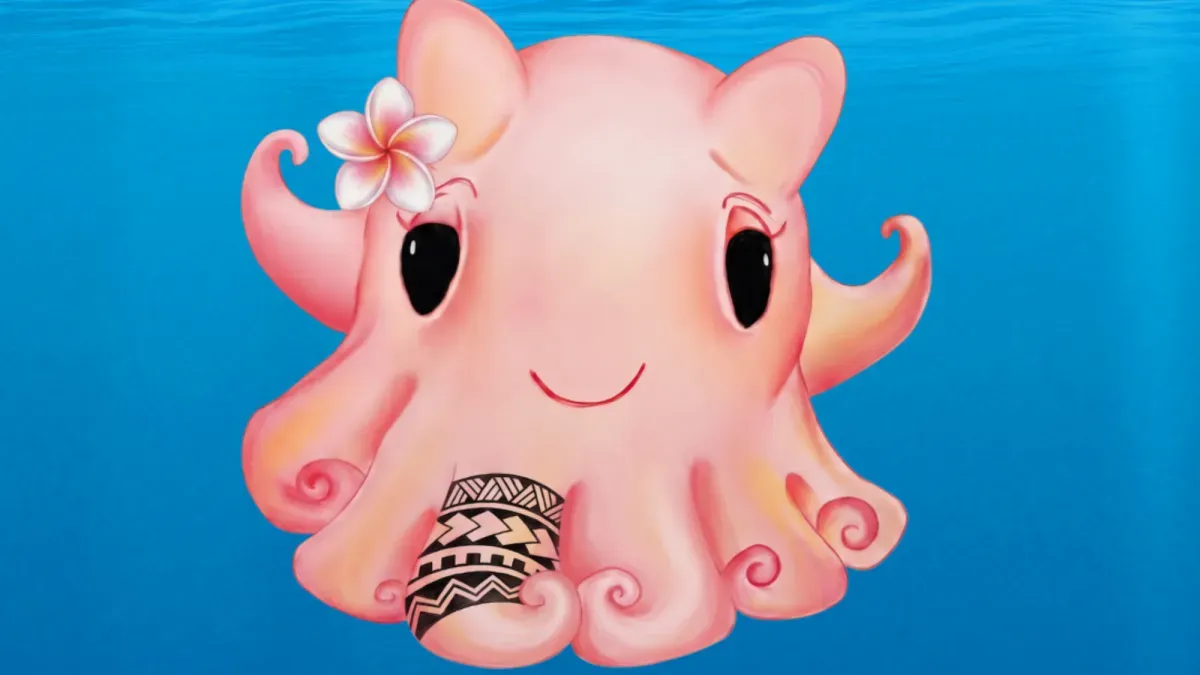
Pink, pretty, and protective. A dumbo octopus is here with a message from the deep-sea. - Popular Science
She’s bubblegum pink with a permanent little smile. She sports a pretty flower on her head sports a black tattoo on one of her eight arms. But don’t let this dumbo octopus’ adorable exterior fool you. Miss Abyss is here on serious business. “Miss Abyss is a dumbo octopus from the deep-sea, and she is on a journey all across the country looking for allies to support her to help defend the deep-sea,” Angelo Villagomez, a research fellow at the Center for American Progress (CAP), tells Popular Science.
0 comments
No comments yet. Be the first to share your thoughts!