MLY2 and MLY8 compounds show promise as ulcerative colitis treatment candidates - Drug Target Review
This story deserves to be shared
Send it to someone who'd care, or post it on your networks.
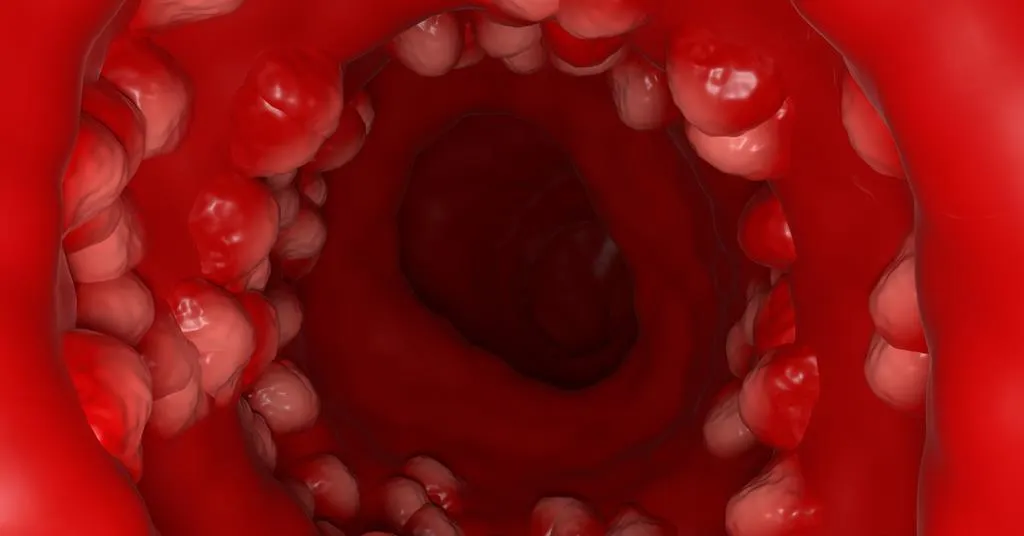
Researchers at Georgia State University have identified two modified metabolite-derived compounds, MLY2 and MLY8, that outperform their precursor molecule in experimental models of ulcerative colitis.
Researchers at Georgia State University have identified two experimental compounds that could provide a starting point for developing new treatments for ulcerative colitis, a chronic inflammatory bowel disease that remains difficult to manage in some patients.
This article is an excerpt. To read the full content, visit the original source. Drug Target Review
Related articles
Volatile Organic Compounds - American Lung Association

Anti-Inflammatory Effects of GLP-1 Medications in Psoriasis and Obesity - Dermatology Times
At Fall Clinical 2026, Angela Fitch, MD, discussed GLP-1 prescribing by dermatologists and the metabolic and inflammatory link to psoriasis. Angela Fitch, MD, co-founder and chief medical officer of Knownwell and past president of the Obesity Medicine Association, recently discussed GLP-1 care in psoriasis after a multidisciplinary panel at Fall Clinical 2026. Fitch, an obesity medicine specialist, described the medications as relevant to more than weight management, and wants dermatologists to feel comfortable prescribing them. Multidisciplinary Care Beyond Weight ManagementThe panel included Fitch, dermatologists, a pharmacist to answer clinical pharmacy questions, and a patient advocate to share the patient perspective. Fitch called the patient view especially important. She said the discussion centered on GLP-1 care as more than a weight management tool. “We’re really talking about not just losing weight, but gaining health,” Fitch said. Fitch noted a strong relationship between psoriasis and metabolic health issues, extending across the whole metabolic health continuum rather than weight alone.
0 comments
No comments yet. Be the first to share your thoughts!