Mazda Dropping CX-70, Adding 2-Row CX-90 Option for 2027: Report
This story deserves to be shared
Send it to someone who'd care, or post it on your networks.
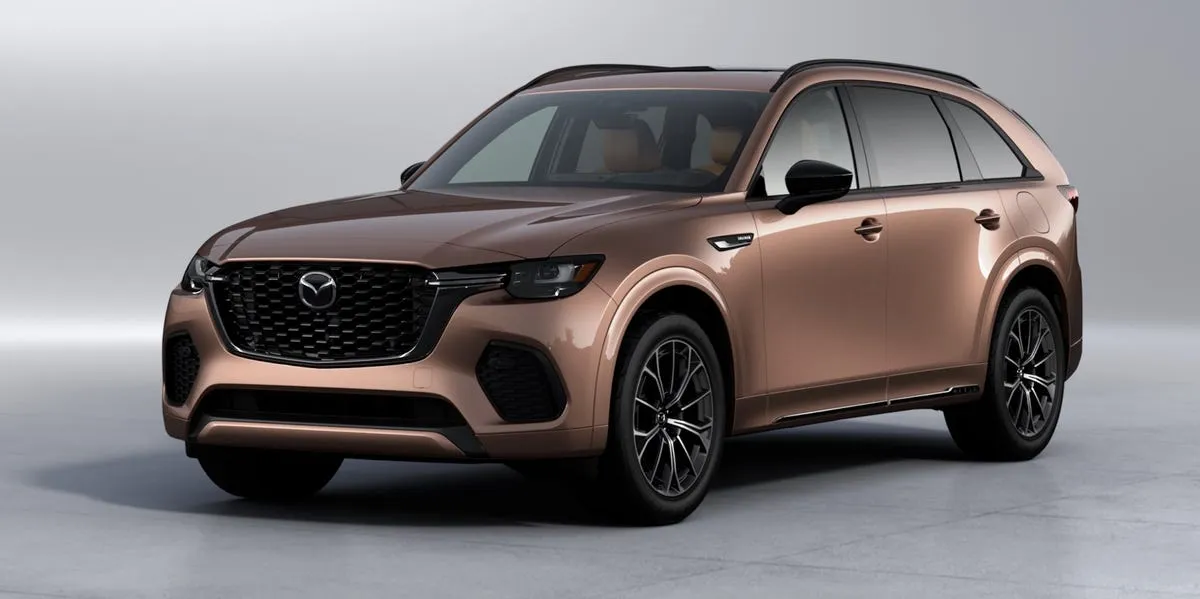
Mazda’s strategy to market its largest SUV under different names depending on how many rows of seats they have—CX-90 for three-row versions, CX-70 for two-row ones—was an odd decision from the beginning. Now that’s (perhaps unsurprisingly) changing, as the CX-70 apparently won’t make it to the 2027 model year. The news was initially reported by CarScoops; Road & Track has reached out to Mazda to confirm the CX-70’s demise, and will update this post upon hearing back. That said, rumors and reports from dealer sources on forums foreshadowed this news, and this report seems set to put a proverbial nail in the coffin. MazdaThe CX-90 initially launched as the three-row; then, shortly thereafter, Mazda released the CX-70. For the most part, the CX-70 was an identical car, minus the last couple seats. There were some minor tweaks in exterior trim color and style, but to put it simply, Mazda sold the same car under different names depending on their seat configurations for the past few years. It’s an odd strategy, as most OEMs simply offer a two-row or three-row option for the same model; for example, the Toyota 4Runner has an optional third row, as does the Mercedes-Benz GLB-Class.
This article is an excerpt. To read the full content, visit the original source. Road & Track
Related articles
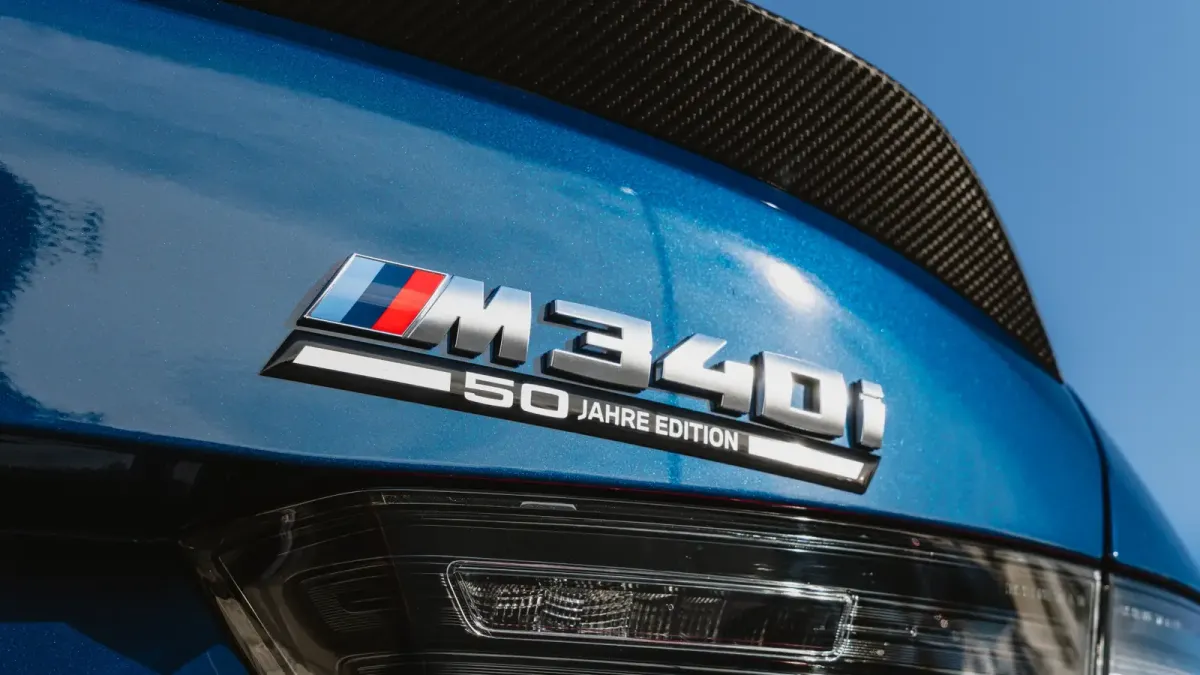
There's Only One Inline-6 Compact Sedan Left, But It Won't Be That Way For Long
Matt Nelson is an automotive journalist with nearly a decade of experience in all things cars. He's spent years working at dealerships in sales, finance, and service. He's since traded in his pens and wrenches for a keyboard, and leveraged the expertise gained from his work experience into a writing career. When it comes to cars, facts, and the truth, Matt’s equal love for all three meant automotive journalism was the only path forward. Ever since the age of six, when he’d spend his time helping his father fix his family’s old Buick, Matt has had a keen interest in anything and everything with four wheels. Naturally, once Matt started working, he ensconced himself in the automotive industry and held positions spanning from car detailer, mechanic, to automotive sales and finance. Because he’s seen it all, driven most, and heard a lot, auto journalism came naturally to him. With a passion for cars like Matt’s, it’s safe to say every article will showcase his penchant for truth, accuracy, and overarching desire to make sense of the modern, complex automotive world. This means every one of his readers can be at the forefront of the most important automotive news.
GM Is Moving On from Two EV and Hydrogen Fuel Cell-Focused Plants
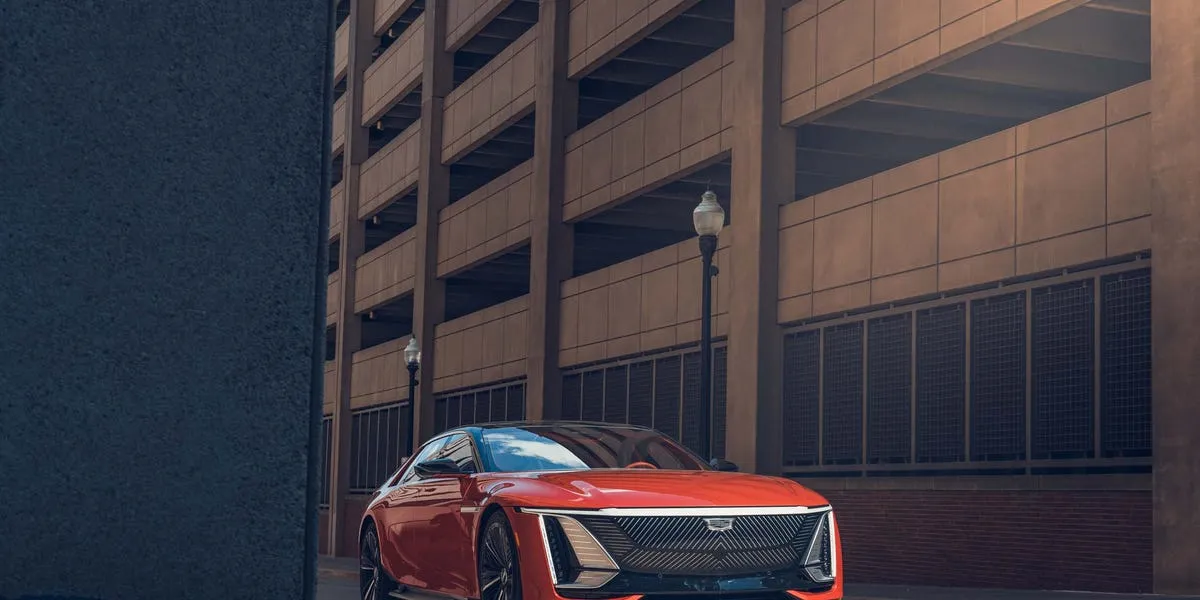
GM is closing its Brownstown Battery Assembly plant as its lease ends and repurposing a building originally meant for hydrogen fuel cell development, according to an Automotive News report. The Brownstown plant built batteries and electric drive units for the Cadillac Celestiq, seen above, and the now-discontinued Corvette E-Ray. The closure and repurposing are part of GM’s plan to pivot back to gas-powered engines after losing substantial money in alternative fuel investments and development. Until relatively recently, GM was investing heavily in EV development, releasing several electric models and even pledging to become carbon-neutral by 2040. But Americans simply aren’t buying into the EV hype, and the loss of the federal EV tax credit has soured the deal quite a bit for shoppers who may have been on the fence. As a result, several automakers have had to reverse course after investing large amounts of money into alternative fuel development and losing even more when the demand never quite took off. GM appears to be the latest automaker to pull the plug on a big part of its alternative fuels operations.
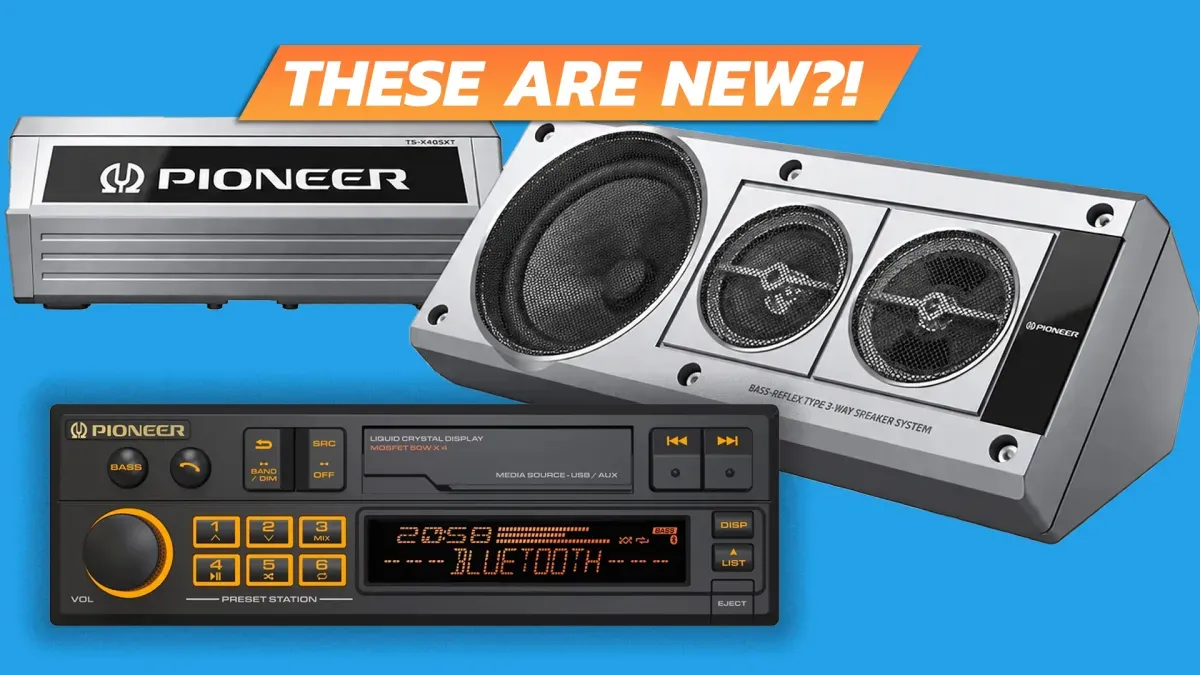
Old-School Box Speakers Are Back—and Pioneer’s New ‘Cassette Deck’ Car Stereo Is Finally Coming to America
Last year, Pioneer trotted out a single-DIN stereo head unit with a decidedly ’80s look down to the “cassette tape” door, which actually concealed USB ports. Annoyingly, it was hard to get outside of Europe. But that’s about to change. Pioneer, in collaboration with RADwood, will soon be selling the SXT-C10PS head unit in the US, along with another quintessential rad-era accessory: TS-X40SXT box speakers. Pioneer is aptly calling this equipment its Heritage Collection. Here’s the logline: “The new collection pairs a head unit and speakers to bring its iconic sound to the cabin of vintage cars that defined a generation in the ’80s and ’90s. The collection reimagines the styling that marked those eras for modern-day drivers, including conveniences like Bluetooth, HD Radio, and SiriusXM readiness, while delivering the rich, detailed sound that has established Pioneer as a favorite among car audio enthusiasts.”
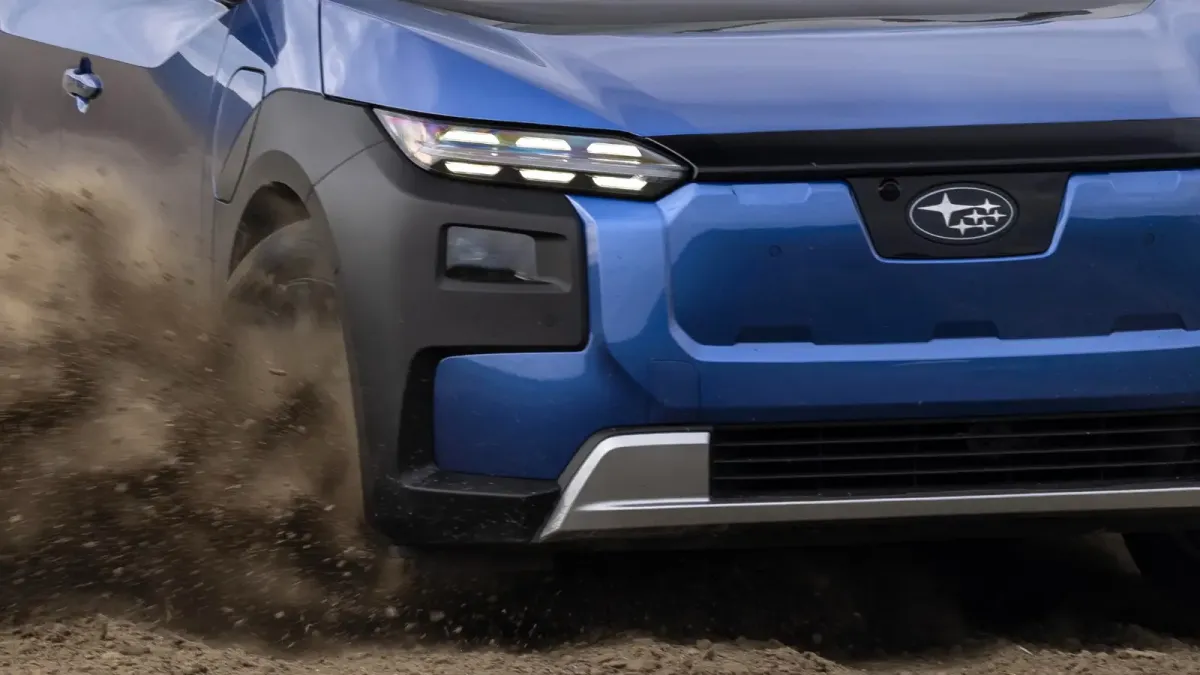
Subaru Is Building Its Own EV, But There's Still Some Toyota In It
Joel was previously an editor at Autoblog for nearly a decade, covering cars from humble economy hatchbacks to high-end sports cars. He has extensive driving experience with plenty of track time, and even dabbles in motorcycling. Joel has shared his experiences in the car world not just in text, but also on podcasts and web videos.
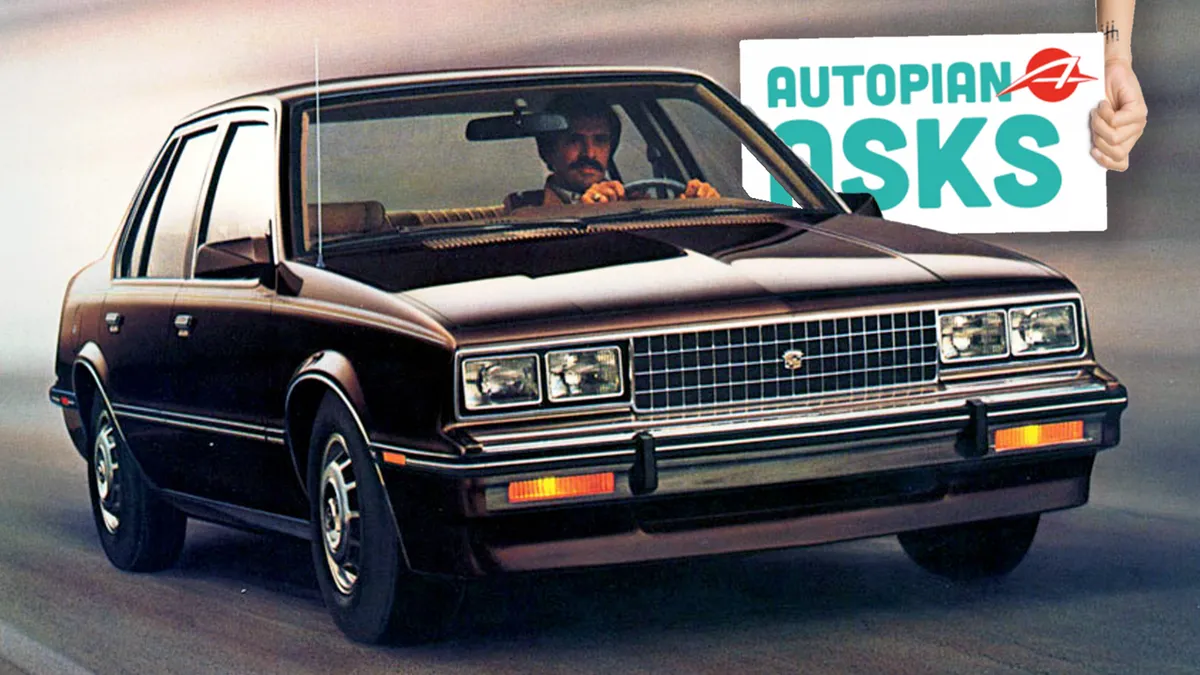
What Cars Seemed Like They Belonged To The Wrong Brand?
Give someone a car brand and ask them to name a car from that brand, and you’ll probably get some highly expected answers. Ford probably gets you F-150, Mustang, and Bronco. Toyota will likely hit the button for Camry, Corolla, and RAV4. Cadillac might tap Eldorado, DeVille, and Blackwing. But Cimarron? Unlikely (at least for normies, as opposed to, you know, us.) It’s not unusual for brands to have models that are seemingly so far astray from what the nameplate represents that you probably wonder how they ever got built.

How Many Miles Are the Right Amount on a Used Car?
When shopping for a used car, one of the first filter options you’re confronted with is mileage. Assuming you’ve determined the model you want and settled on an acceptable range of model years, now you have to decide what multiple of 10,000 miles you’re comfortable taking on. Like many parts of the car-buying process, the answer isn’t always obvious or easy to arrive at. What Kind of Life Has It Led? The wear and tear on a car isn’t solely measured in mileage, but that number can be a good indicator, especially for the status of things like the engine and transmission, which are expensive parts to repair or replace. Consider the odometer reading alongside the physical condition of the vehicle. A car with 100,000 miles on the clock could look pristine, while one that has traveled just 30K could be a complete mess inside and out. How the vehicle was used is a major factor, so even if something matches your search filter in terms of mileage, it might not be the car for you. The number of miles on a particular car should also be considered in the context of the general reliability of that model.
0 comments
No comments yet. Be the first to share your thoughts!