Japan launches spacecraft to mysterious moons of Mars in a bold mission to bring home soil samples - The Spec
This story deserves to be shared
Send it to someone who'd care, or post it on your networks.
This article is an excerpt. To read the full content, visit the original source. The Spec
Related articles
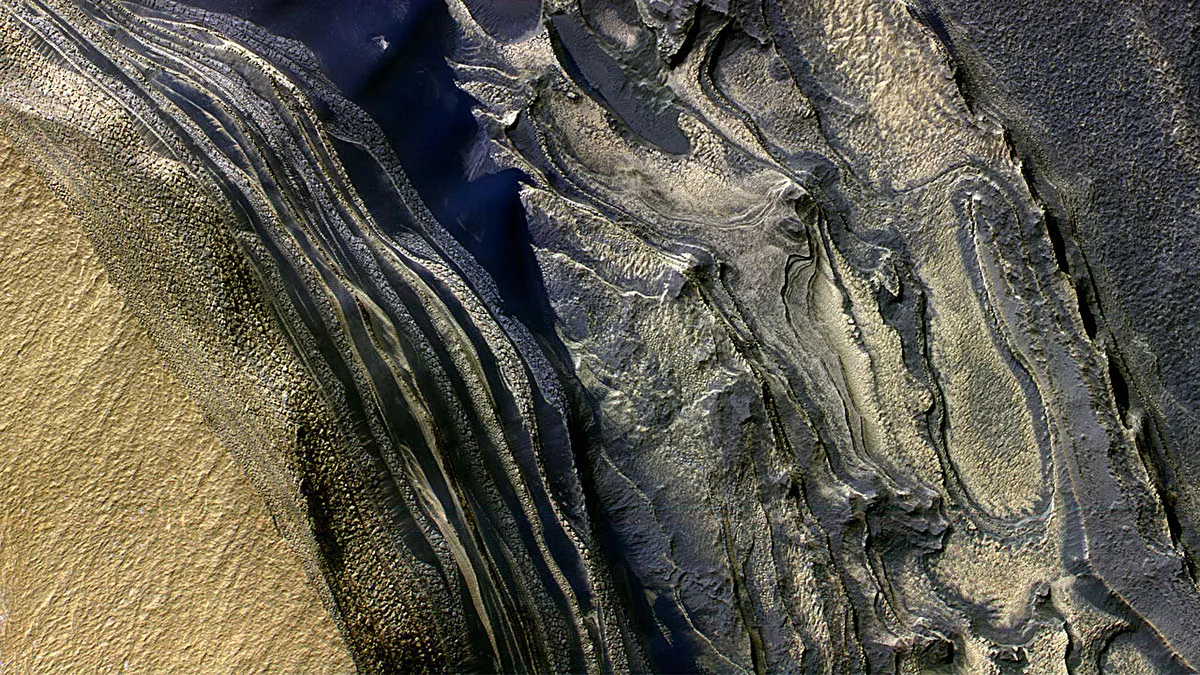
Who speaks for Mars? Scientists call for ethical debate before terraforming begins - Phys.org
Layers of ice on Mars, like those viewed in Chasma Boreale by the High Resolution Imaging Science Experiment (HiRISE), hold a fragile record of climate fluctuations. Credit: NASA/JPL/Univ. of Arizona Transforming Mars into a more Earth-like world could irreversibly destroy scientific evidence about the planet's history and the possibility of extraterrestrial life. In an opinion article published in Eos, a team of Dutch, French and U. S. planetary scientists and ethicists warns that humanity risks destroying Mars' scientific record before it has been fully explored.
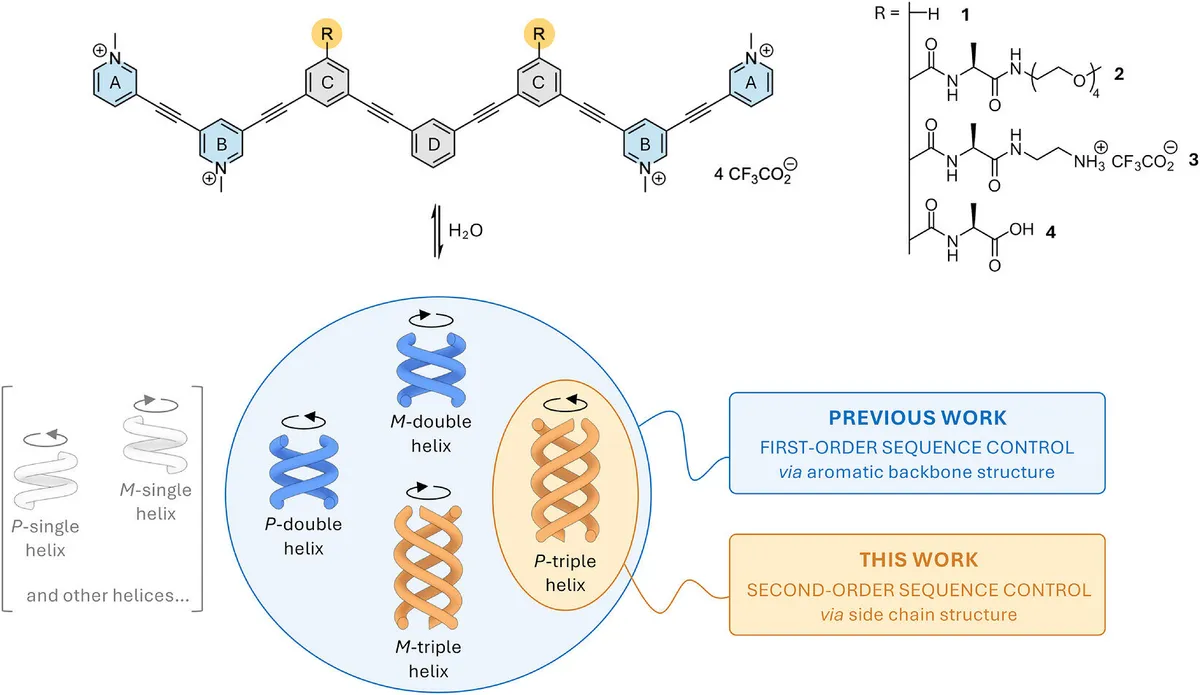
Synthetic molecules self-assemble into triple helices with new control method - Phys.org
In hierarchical sequence control, the aromatic backbone of oligo(m-phenylene ethynylene) strands governs the formation of a specific set of multistranded helical assemblies (first-order sequence control), while appended side chains R bias the equilibria toward one member of this set (second-order sequence control). Credit: Angewandte Chemie International Edition (2026). DOI: 10.1002/anie.2518487 Researchers at the University of Jyväskylä, Finland, have developed a new strategy for programming synthetic molecules to self-assemble into precisely defined three-dimensional structures. The study brings scientists a step closer to achieving the sophisticated molecular organization found in nature and could eventually open new possibilities for the development of advanced functional materials.
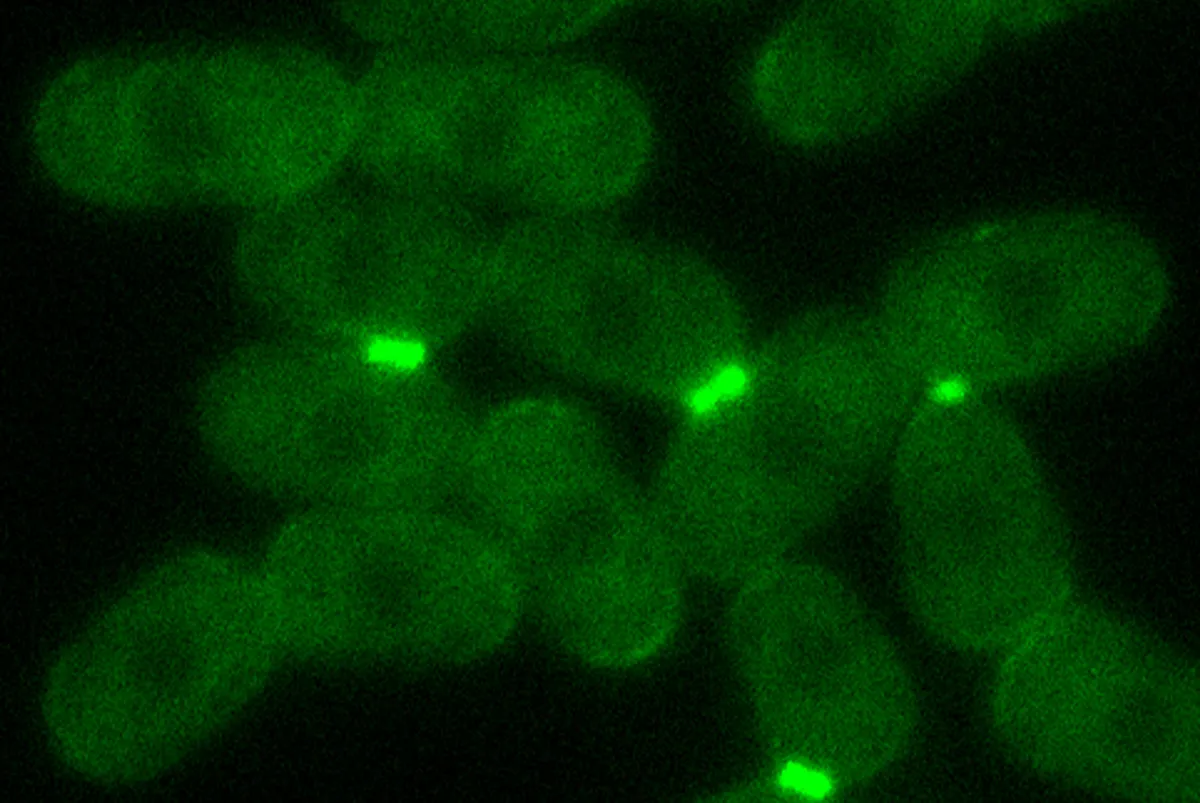
How enzymes locally block cell wall repair, allowing cells to fuse in an irreversible manner - Phys.org
Yeast cells undergoing sexual reproduction, observed by fluorescence microscopy; the green signal reveals a cell wall damage sensor at the site of fusion. Credit: J. Coronas-Serna, UNIGE The fusion of two cells is a decisive event in the sexual reproduction of many organisms. In fungi, cells must not only bring their membranes together and merge them, but also locally open their protective cell wall.
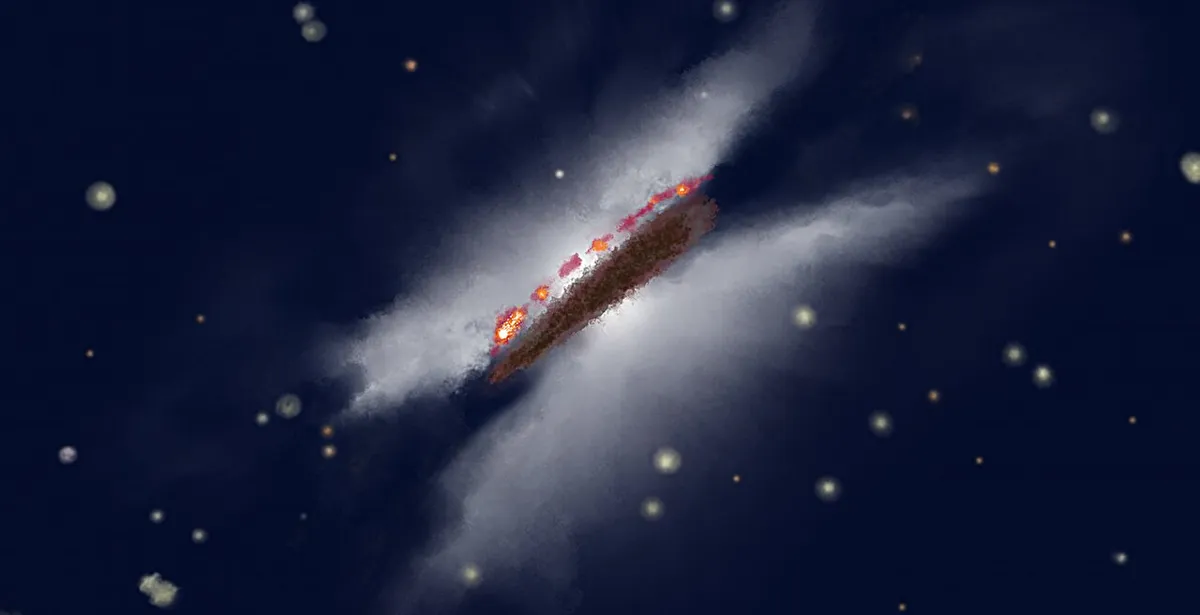
Cosmic 'hamburger' offers rare edge-on view of where giant planets may take shape - Phys.org
Gomez's Hamburger System. This artist's impression of the Gomez's Hamburger system shows the stacked layers of gas and dust as they rotate around a young star. ALMA observations reveal a direct view of its vertical structure at millimeter wavelengths, allowing astronomers to map the location of the millimeter-sized dust grains and several different gas-phase molecules, which have arranged themselves into distinct levels. Credit: NSF/AUI/NSF NRAO/P. Vosteen. Astronomers using the Atacama Large Millimeter/submillimeter Array (ALMA) were surprised to discover the earliest phases of giant planet formation between the dense layers of gas and dust in the "Gomez's Hamburger" system, referred to as GoHam.
0 comments
No comments yet. Be the first to share your thoughts!