'It's incredible, like science fiction': How a new wave of immunotherapy is eliminating cancers - BBC
This story deserves to be shared
Send it to someone who'd care, or post it on your networks.
This article is an excerpt. To read the full content, visit the original source. BBC
Related articles
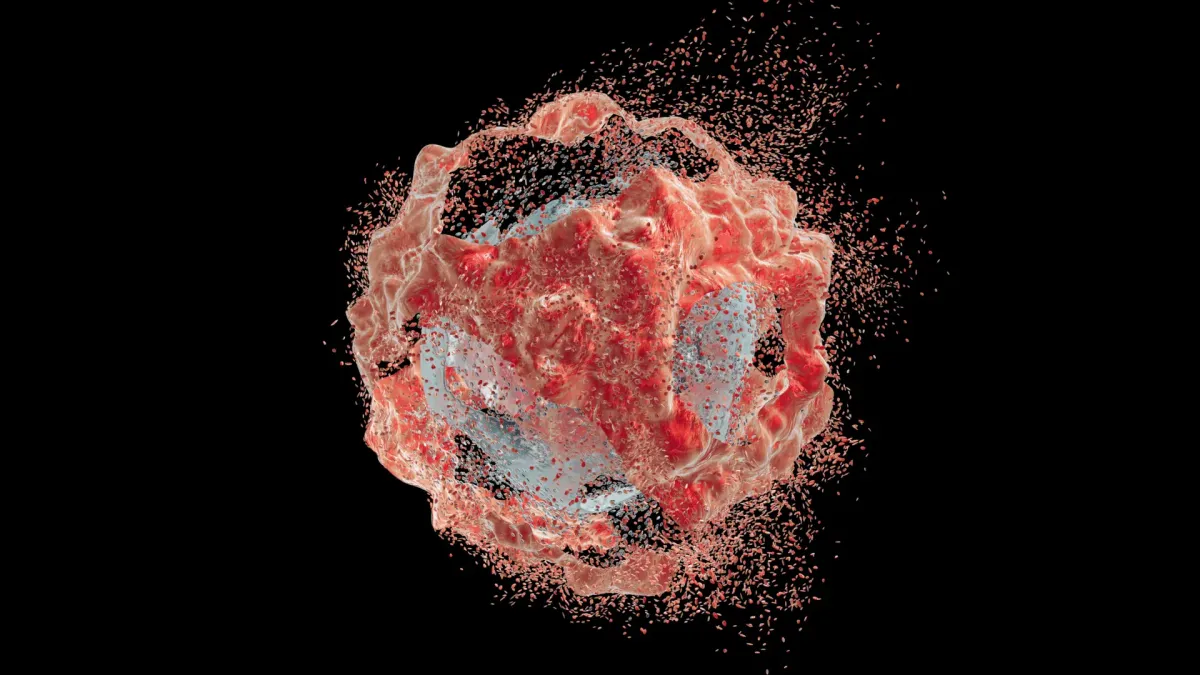
Bowel cancer “melted away” after immunotherapy, then stayed away - Science Daily
Patients with a particular form of bowel cancer remained free of recurrence for almost three years after receiving a short course of immunotherapy before surgery, according to new findings from the NEOPRISM-CRC clinical trial led by researchers at UCL and UCLH. The results, which are due to be presented at the American Association for Cancer Research (AACR) Annual Meeting 2026 in April, extend earlier findings from the trial. Those initial results showed that nine weeks of treatment with the immunotherapy drug pembrolizumab before surgery caused major tumor shrinkage in people with stage two or three bowel cancer.
KRAS inhibition combined with CTLA-4 blockade overcomes immunotherapy resistance in KRAS-mutant gastric cancer - EurekAlert!
image: KRAS mutation drives a TGF-beta-dependent, Treg-dominant immunosuppressive microenvironment. Combination of the KRASG12D inhibitor with CTLA-4 blockade suppresses TGF-beta signaling, impairs regulatory T cell function and restores effective antitumor immunity. KRAS mutations define a distinct molecular subset of gastric adenocarcinoma (GA), yet how oncogenic KRAS shapes the gastric tumor immune microenvironment - and drives resistance to immunotherapy - has remained poorly understood. KRAS alterations occur in approximately 10% of GA, functioning not only as potent oncogenic drivers but also as regulators of the tumor microenvironment.
Molecular switch controls how cells load cargo for recycling - Phys.org
Cells constantly recycle proteins and other cellular components. But how do they ensure that the right cargo ends up in the right recycling vesicle—one of the cell's transport carriers? A team at the University of Basel has identified a molecular switch that controls this process. The small protein ARF-1 ensures that recyclable cargo is efficiently loaded into transport vesicles and returned to the cell's surface.
0 comments
No comments yet. Be the first to share your thoughts!