Bowel cancer “melted away” after immunotherapy, then stayed away - Science Daily
This story deserves to be shared
Send it to someone who'd care, or post it on your networks.

Patients with a particular form of bowel cancer remained free of recurrence for almost three years after receiving a short course of immunotherapy before surgery, according to new findings from the NEOPRISM-CRC clinical trial led by researchers at UCL and UCLH.
The results, which are due to be presented at the American Association for Cancer Research (AACR) Annual Meeting 2026 in April, extend earlier findings from the trial. Those initial results showed that nine weeks of treatment with the immunotherapy drug pembrolizumab before surgery caused major tumor shrinkage in people with stage two or three bowel cancer.
This article is an excerpt. To read the full content, visit the original source. Science Daily
Related articles
KRAS inhibition combined with CTLA-4 blockade overcomes immunotherapy resistance in KRAS-mutant gastric cancer - EurekAlert!
image: KRAS mutation drives a TGF-beta-dependent, Treg-dominant immunosuppressive microenvironment. Combination of the KRASG12D inhibitor with CTLA-4 blockade suppresses TGF-beta signaling, impairs regulatory T cell function and restores effective antitumor immunity. KRAS mutations define a distinct molecular subset of gastric adenocarcinoma (GA), yet how oncogenic KRAS shapes the gastric tumor immune microenvironment - and drives resistance to immunotherapy - has remained poorly understood. KRAS alterations occur in approximately 10% of GA, functioning not only as potent oncogenic drivers but also as regulators of the tumor microenvironment.
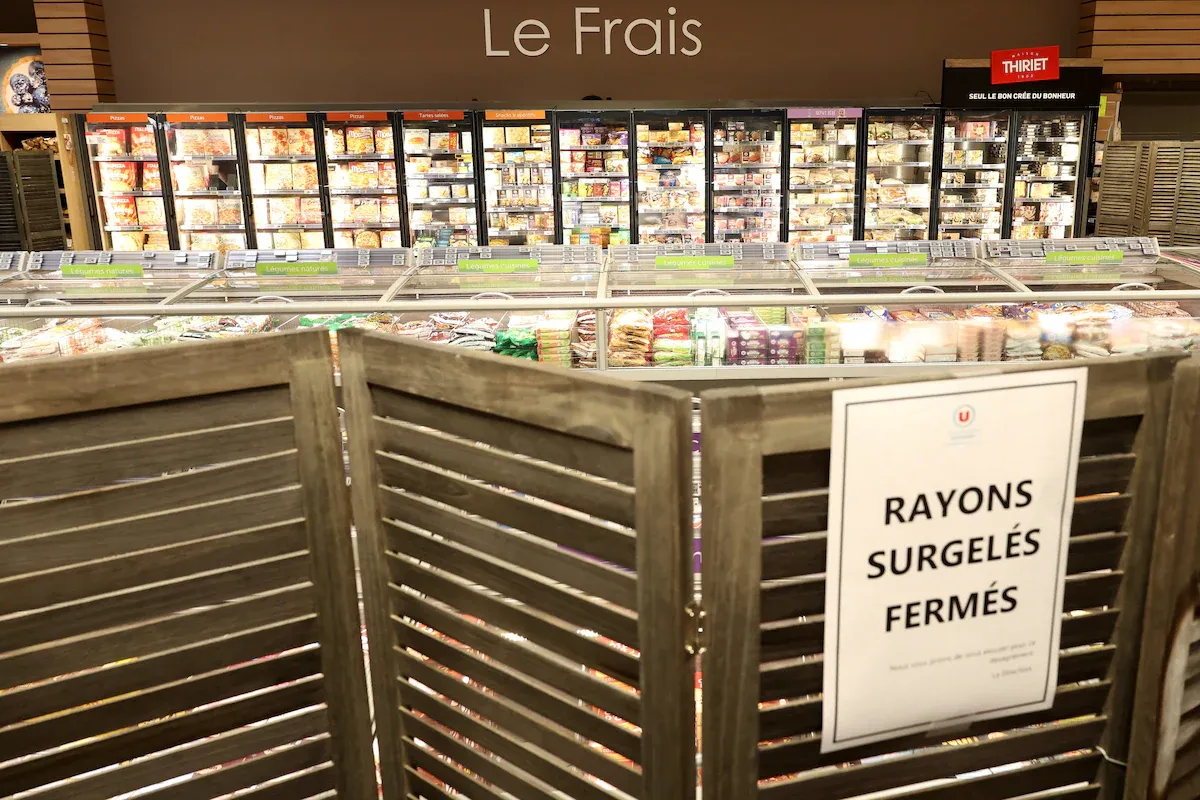
Opinion: Hot mess: France’s melted freezers hack can happen in Canada, too - The Globe and Mail
Open this photo in gallery:A frozen food aisle is closed at a supermarket near Nantes after a cyberattack targeted refrigeration systems at French supermarket chains on Monday. Stephane Mahe/ReutersOvernight on Sunday, somebody (or something) maliciously broke into internet-connected refrigeration controllers and cranked fridges and freezers at stores across France up to as high as 50 C, spoiling millions of euros worth of food. In some stores, the higher temperatures started fires or even melted equipment. The controllers were made by the Danish firm Danfoss. Most were legacy products running outdated firmware, which the company claims it had urged customers to update.

Ancient mud reveals a surprising secret about Greenland’s ice - Earth.com
Mud from a fjord shows an Atlantic air pattern brought wetter, colder spells to southern Greenland, a clue to how its ice may fare. Greenland’s ice is shrinking as the planet warms. But in the island’s southwest, rainfall and snowfall have been influenced by the same North Atlantic air-pressure pattern for at least 5,000 years. When that pattern tipped one way, the region turned wetter and colder. The record comes from mud on the floor of a Greenland fjord, and it suggests snowfall, not only temperature, shaped how the area’s ice grew and shrank. It doesn’t yet show how glaciers there will respond to the warming ahead. Johan Faust, a researcher at MARUM, the Center for Marine Environmental Sciences at the University of Bremen in Germany, led the work with colleagues in Germany, Norway, Denmark and Canada. A seesaw in the airThe pattern is called the North Atlantic Oscillation. It’s the difference in air pressure between a low that sits near Iceland and a high near the Azores, and it’s strongest in winter. When that difference is large, the pattern is in its positive phase. Northwestern Europe and southwestern Greenland both get more rain and snow.

Simulations explore nuclear mitigation of asteroid threats - Phys.org
Lawrence Livermore National Laboratory researcher Isaiah Santistevan led the development of three-dimensional simulations exploring how a nuclear device could deflect or disrupt an asteroid threatening Earth. Credit: Blaise Douros/LLNL Lawrence Livermore National Laboratory (LLNL) researchers are developing three-dimensional simulations to examine how a nuclear device could be used to deflect or potentially disrupt an asteroid threatening Earth.
0 comments
No comments yet. Be the first to share your thoughts!