Intermetallic nanoassemblies potentiate systemic STING activation - Science | AAAS
This story deserves to be shared
Send it to someone who'd care, or post it on your networks.
This article is an excerpt. To read the full content, visit the original source. Science | AAAS
Related articles

Auroral structure could be caused by bouncing electrons - Phys.org
The aurora is among nature's most visually striking phenomena. It occurs when charged particles from the sun are funneled by Earth's magnetic field into the upper atmosphere, where they collide with atoms and molecules and produce distinctly colored curtainlike patterns of light. Despite a good understanding of the physics driving the aurora, some small-scale features have proven more challenging to make sense of. Using high-resolution optical data and a simple mathematical model, researchers N. Brindley and D. Whiter showed certain fine auroral structures could result from electrons "bouncing" off low-frequency plasma waves (Alfvén waves) above the ionosphere. Their research is published in the Journal of Geophysical Research: Space Physics.
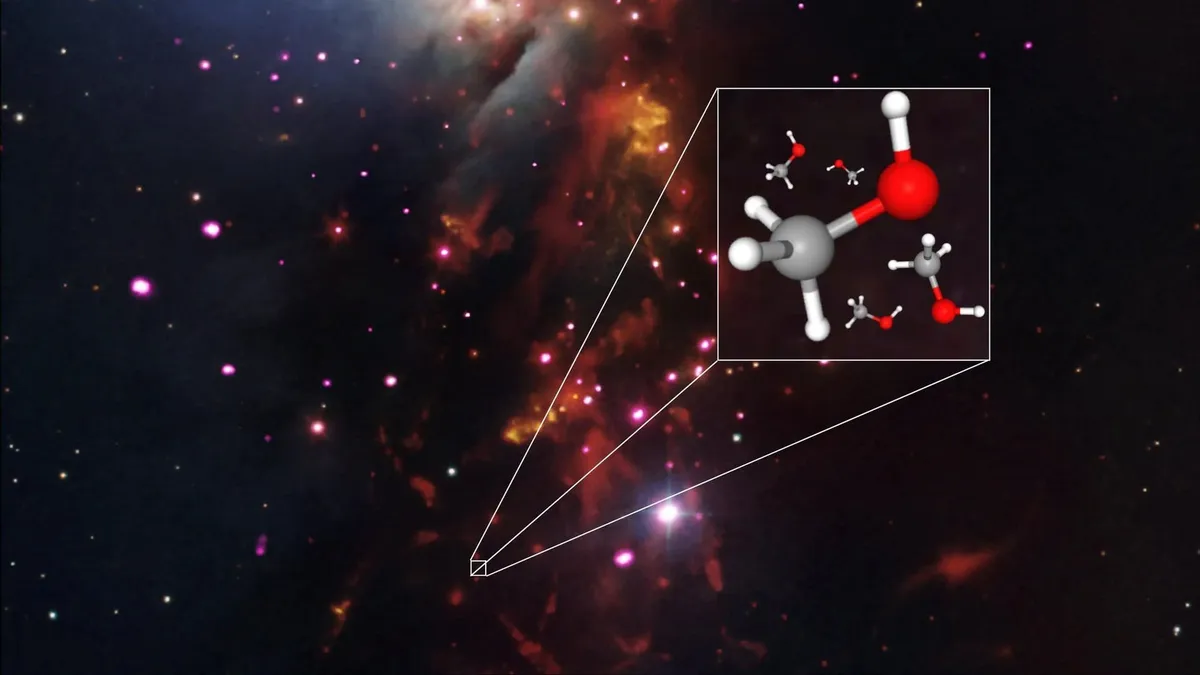
Astronomers Found a Rare Form of Alcohol in Space. There’s Far More Than Expected - ZME Science
The Perseus molecular cloud is located about 1,000 light-years from Earth. A rare form of the organic alcohol methanol is present around at least one of the very young stars still embedded within it. The molecule has been detected in space for the first time ever in the current study. Credit: Ekaterina Moerova / MPIfR; Background: NASA, CXC, SSC, NOAO, DSS. In a stellar nursery about 1,000 light-years from Earth, astronomers have found a form of alcohol in which all four hydrogen atoms have been replaced by heavier versions of themselves.
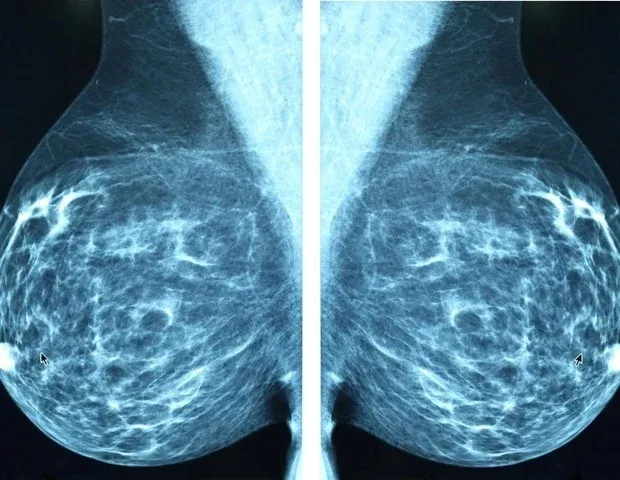
Researchers use mitochondrial uncouplers to target breast cancer metastasis - News-Medical
Mitochondrial serine catabolic pathway (MSCP), also called serine, glycine, and one-carbon metabolism, is essential for cancer cells to produce amino acids, one-carbon units, and reducing equivalents. The pathway is frequently upregulated in tumors: serine hydroxymethyltransferase 2 (SHMT2) and methylenetetrahydrofolate dehydrogenase 2 (MTHFD2) are among the most overexpressed metabolic enzymes in human cancers, and their activity supports cancer cell proliferation, redox balance, and metastasis. Cancer cells rely on MSCP when the electron transport chain (ETC) is impaired, yet no effective therapy selectively targets this pathway. Fat mass and obesity-associated protein (FTO), an m⁶A demethylase, can be inhibited by 2-hydroxyglutarate (2-HG). FTO expression is associated with favorable prognosis and is downregulated in breast cancer, yet there is currently no effective way to reactivate FTO in cancer. Given these challenges, there is a need for in-depth research on therapies that safely reactivate respiration and target MSCP in metastatic breast cancer. Researchers at Stanford University School of Medicine, with collaborators at The Second Hospital of Jilin University and
0 comments
No comments yet. Be the first to share your thoughts!