Auroral structure could be caused by bouncing electrons - Phys.org
This story deserves to be shared
Send it to someone who'd care, or post it on your networks.

The aurora is among nature's most visually striking phenomena. It occurs when charged particles from the sun are funneled by Earth's magnetic field into the upper atmosphere, where they collide with atoms and molecules and produce distinctly colored curtainlike patterns of light.
Despite a good understanding of the physics driving the aurora, some small-scale features have proven more challenging to make sense of. Using high-resolution optical data and a simple mathematical model, researchers N. Brindley and D. Whiter showed certain fine auroral structures could result from electrons "bouncing" off low-frequency plasma waves (Alfvén waves) above the ionosphere. Their research is published in the Journal of Geophysical Research: Space Physics.
This article is an excerpt. To read the full content, visit the original source. Phys.org
Related articles
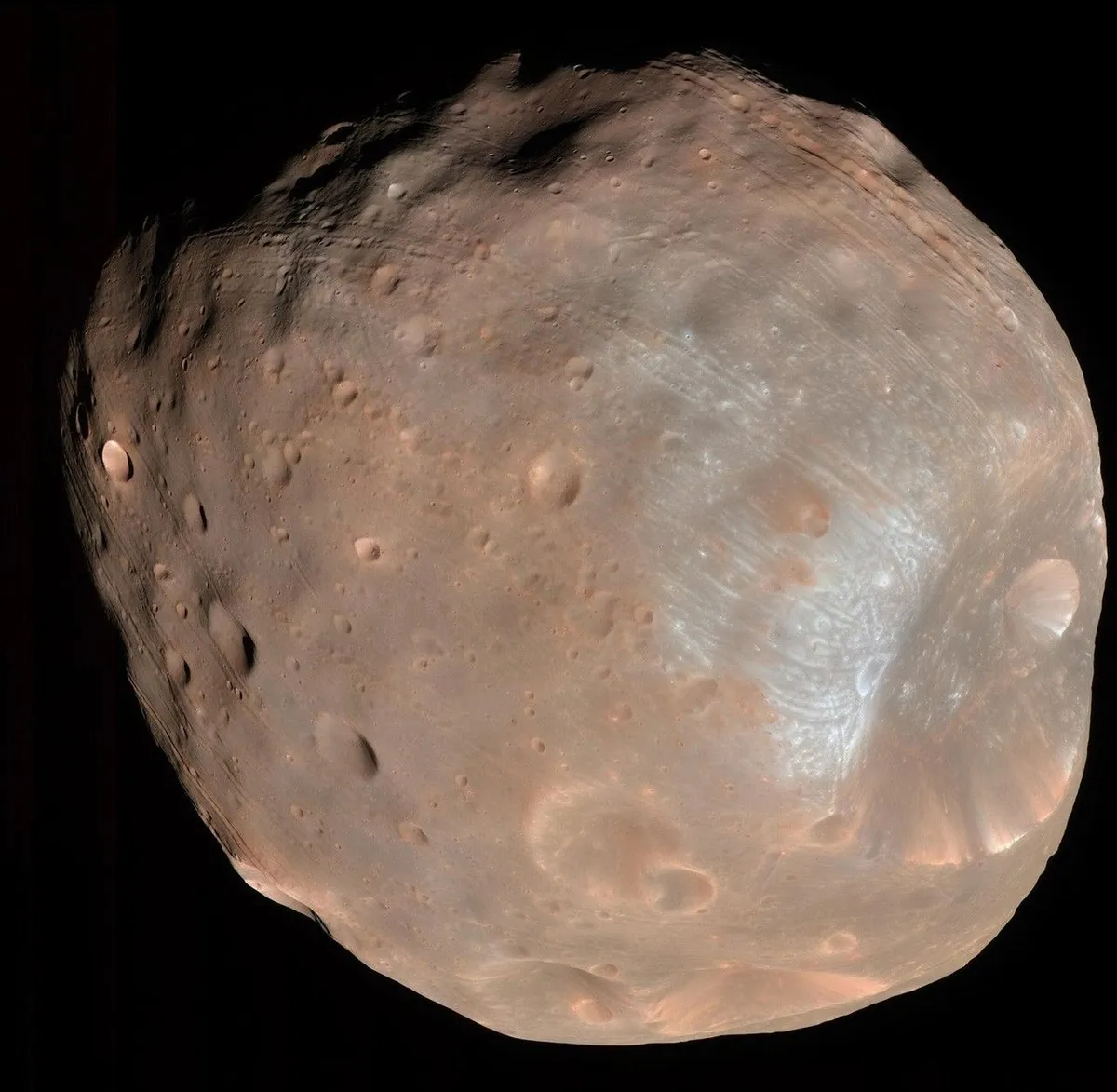
Japan launches spacecraft to mysterious moons of Mars in a bold mission to bring home soil samples - CFJC Today Kamloops
If successful, bits of dust, soil and rocks from Phobos will arrive on Earth in 2031. “There’s a lot of adrenaline and a lot of excitement and a lot of wow,” said NASA astrophysicist Tom Statler, who’s involved with the project. Japan has an edge going in, with two asteroid sample returns already under its cosmic belt. Phobos is a lumpy, potato-shaped rock just 14 miles (22 kilometers) or so across. Examining pieces of it can explain how Mars’ moons — and possibly moons elsewhere — came to be. Dubbed MMX for Martian Moons Exploration, the $578 million mission features a hefty 5-ton spacecraft that should reach Mars by late next summer. It will sync up with Phobos’ tight orbit around the red planet, before ejecting the French-German rover that’s named Idefix after the white terrier in the Asterix comics. No bigger than a microwave oven, Idefix will plop onto Phobos by itself, bouncing for several minutes before coming to a halt in the moon’s extraordinarily low gravity. The four-wheeled rover is designed to right itself if it lands upside down. All bets are off, though, if it sinks into soft soil or gets wedged between rocks, said the French Space Agency’s Julien Baroukh.
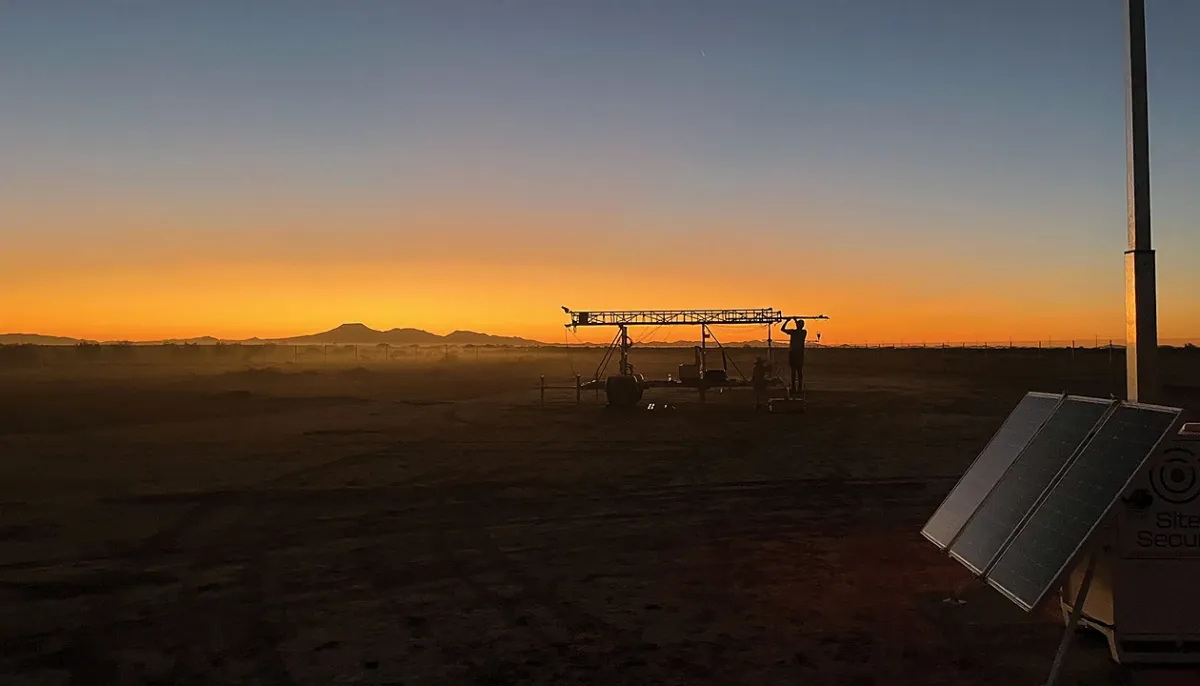
Earth-bound scientists validate space-based methane estimates - Chemical & Engineering News
The latest chemistry news, including important research advances, business and policy trends, chemical safety practices, career guidance, and more. In 2025 scientists put the methane-sensing capabilities of 12 spectral-imaging satellites to the test. Some were designed specifically to measure atmospheric methane; others were repurposed for the task. Now the researchers have shared their results: each of the satellites can be used to detect methane, but some are better than their counterparts for quantifying the potent greenhouse gas (Nature 2026, DOI: 10.1038/s41586-026-11115-0).
0 comments
No comments yet. Be the first to share your thoughts!