How one cell becomes a body: DNA ‘typewriter’ reveals developmental history of mouse embryo - BioTechniques
This story deserves to be shared
Send it to someone who'd care, or post it on your networks.
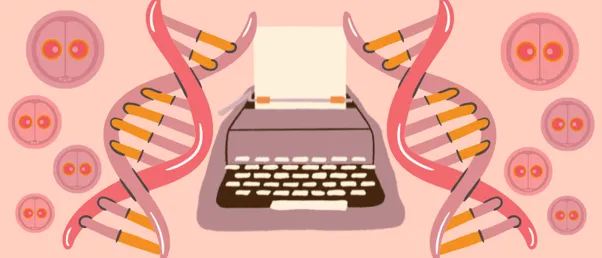
A DNA ‘typewriter’ records the history of 1.3 million cells in an early mouse embryo, telling the tale of mammalian development from fertilization to organ formation like never before.
Researchers from the University of Washington School of Medicine (WA, USA) have used a molecular tracking technology called DNA Typewriter to record the cellular lineage of a mouse embryo over nearly 2 weeks of development, from a single cell to over a million cells, with the potential to shed light on the origins of a range of congenital defects, neurodevelopmental disorders, genetic conditions and cancers.
This article is an excerpt. To read the full content, visit the original source. BioTechniques
Related articles
DNA Typewriter records cells’ history in early mouse embryo - EurekAlert! Science News Releases
image: DNA Typewriter is injected into the genetic material of a fertilized mouse egg. This technology taps into the genetic material in the fertilized egg and resulting embryonic cells as a recording device of the cells' histories. It tracks their relationships as the embryo develops. Scientists have succeeded in reconstructing the family tree of cells in a developing mouse embryo. They recorded cells’ relationships, starting when the fertilized egg first split in two and ending after the body with organs took shape. That period lasted 13.5 days. (Full gestation in mice is 19 to 21 days.)
0 comments
No comments yet. Be the first to share your thoughts!