Hidden household toxin triples liver disease risk, study finds - Science Daily
This story deserves to be shared
Send it to someone who'd care, or post it on your networks.
This article is an excerpt. To read the full content, visit the original source. Science Daily
Related articles
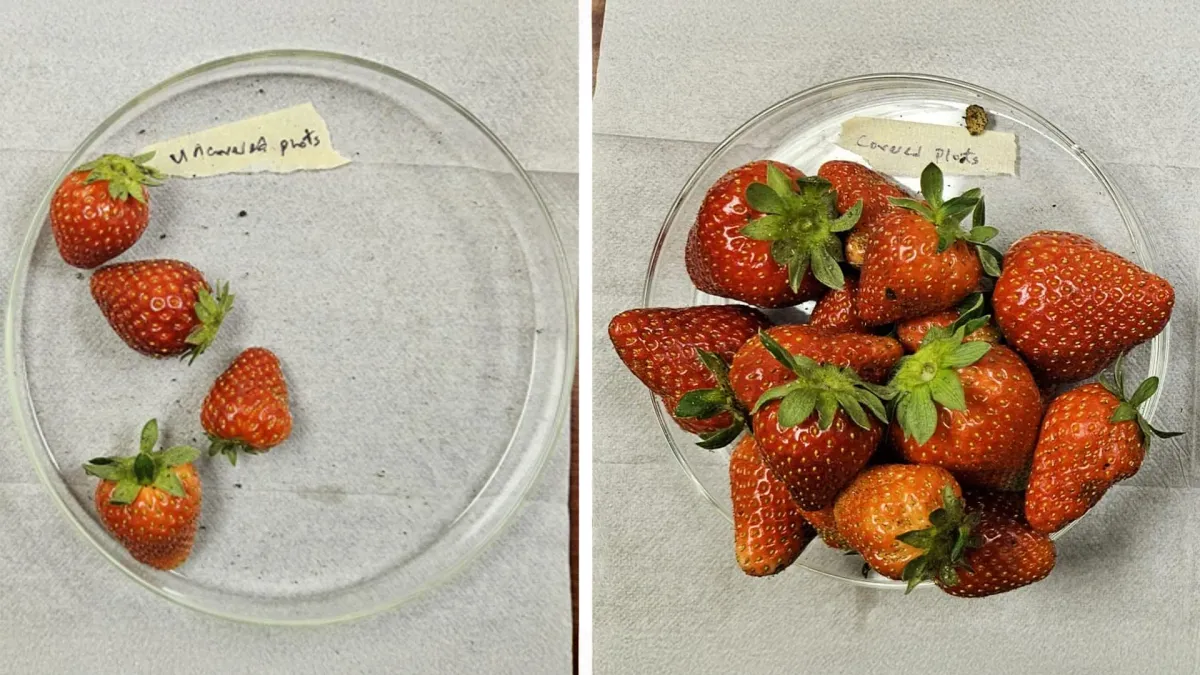
New “plant armor” more than triples strawberry yields - Science Daily
A newly developed textile covering helped strawberry plants produce more than three times as much fruit in tunnel field trials, while showing no harmful effects on plant health. Researchers say the technology may also offer a way to reduce water use and reliance on pesticides in strawberry production. The fabric, called Plant Armor, is designed to be placed directly over strawberry plants. Its three dimensional structure creates a barrier that keeps insects from reaching the plants, while the layered material still allows sunlight, rain, and air to pass through.
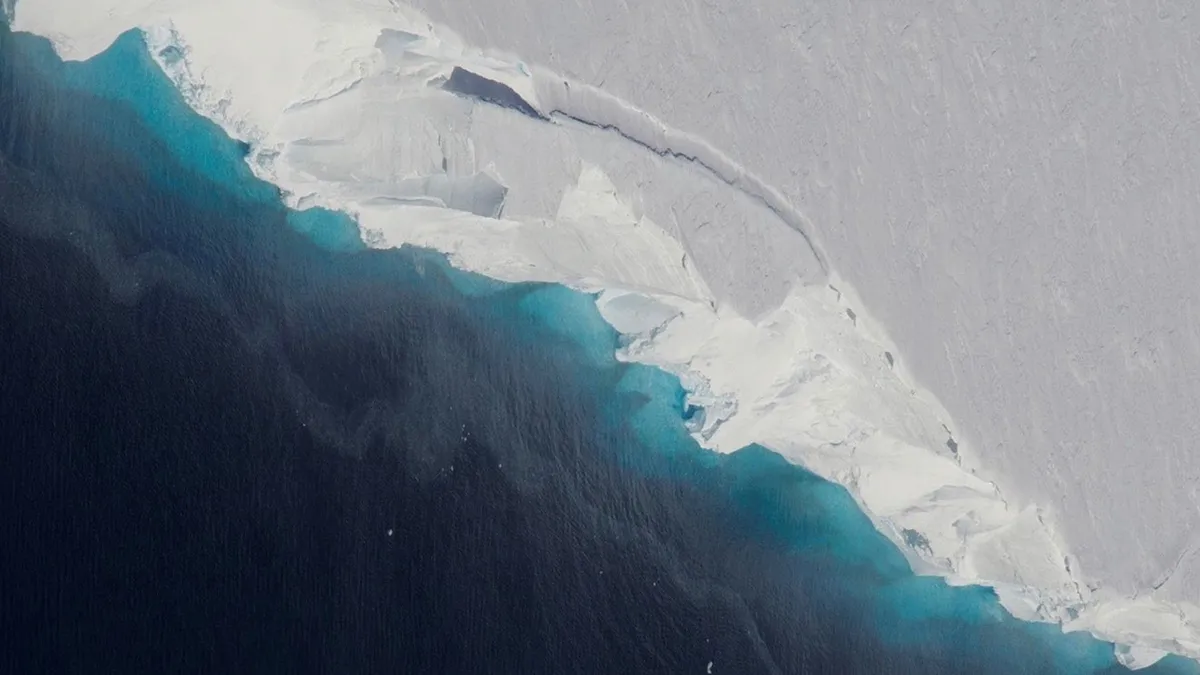
Antarctica's Doomsday Glacier is melting twice as fast as we previously thought - The Weather Network
The collapse of Antarctica's Thwaites Glacier is already a major concern as the world continues to warm, but new research has revealed that ocean water is eating away at the underside of the glacier far faster than we previously thought. Along Antarctica's west coast, there are a number of glaciers that extend as ice shelves out over the Southern Ocean. Due to its size, one of the most important is Thwaites. At 120 kilometres across, it is the widest glacier in the world, with a total area close to 200,000 square kilometres. That's big enough to cover all of Nova Scotia, plus the islands of Newfoundland and Prince Edward Island, along with a quarter of New Brunswick, in kilometre-thick ice. Thwaites, itself, contains so much ice that, in the unlikely event of it completely collapsing into the ocean, global sea levels would rise by around 65 centimetres. Add to this the fact that Thwaites holds back a substantial chunk of the main West Antarctic ice sheet, enough to add another 2.4 metres to ocean levels, and it's easy to see why it has been nicknamed the Doomsday Glacier.
0 comments
No comments yet. Be the first to share your thoughts!