Encoding Information to Direct Precise Three-Dimensional Synthetic Molecular Helix Formation - AZoM
This story deserves to be shared
Send it to someone who'd care, or post it on your networks.
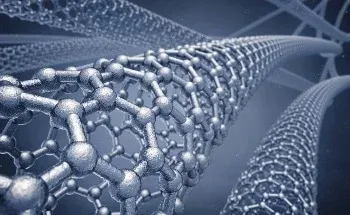
Related StoriesResearchers Successfully Reveal the Dynamic Interaction of Molecular Shuttles Using Molecular-Dynamic SimulationsMeasuring Molecular Weight, Size and Branching of PolymersDiallyl Phthalate - DAP Mineral and Synthetic Fibre Filled Researchers at the University of Jyväskylä, Finland, have developed a new strategy for programming synthetic molecules to self-assemble into precisely defined three-dimensional structures. The study brings scientists a step closer to achieving the sophisticated molecular organization found in nature and could eventually open new possibilities for the development of advanced functional materials.
In living organisms, molecules such as proteins reliably fold into specific shapes according to information encoded in their molecular sequences. Replicating this level of structural control in synthetic systems has remained a major challenge.
This article is an excerpt. To read the full content, visit the original source. AZoM
Related articles
Explainable machine learning reveals a compact, low-dimensional geometric basis underlying sheet and skeletal TPMS architected materials - Nature
Georgios Mermigkis1,3, Chrysovalantis-Michail Liakopoulos1, Dimitrios C. Rodopoulos1, Panagiotis Hadjidoukas3 & … Nikolaos Karathanasopoulos1,2 We’re sharing this article early to provide faster access to peer-reviewed, accepted research. It is citable and carries a permanent DOI. This version is subject to further edits and will be replaced automatically by the final Version of Record. All legal disclaimers apply.
Antarctica's Doomsday Glacier is melting twice as fast as we previously thought - The Weather Network
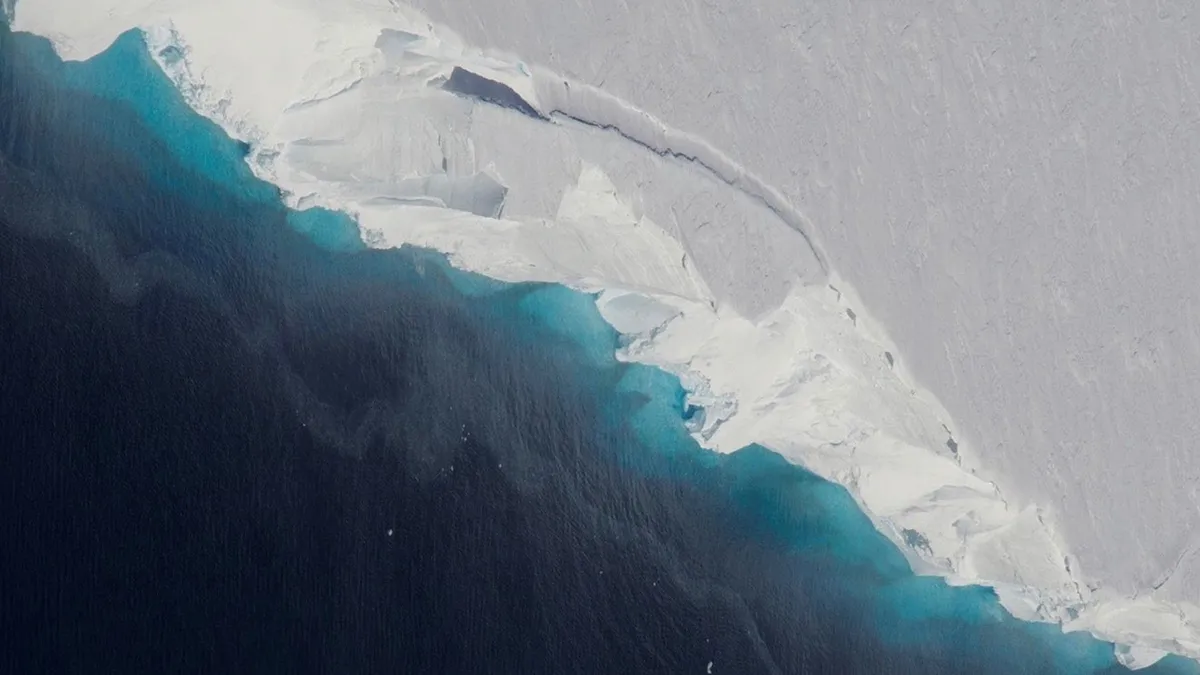
The collapse of Antarctica's Thwaites Glacier is already a major concern as the world continues to warm, but new research has revealed that ocean water is eating away at the underside of the glacier far faster than we previously thought. Along Antarctica's west coast, there are a number of glaciers that extend as ice shelves out over the Southern Ocean. Due to its size, one of the most important is Thwaites. At 120 kilometres across, it is the widest glacier in the world, with a total area close to 200,000 square kilometres. That's big enough to cover all of Nova Scotia, plus the islands of Newfoundland and Prince Edward Island, along with a quarter of New Brunswick, in kilometre-thick ice. Thwaites, itself, contains so much ice that, in the unlikely event of it completely collapsing into the ocean, global sea levels would rise by around 65 centimetres. Add to this the fact that Thwaites holds back a substantial chunk of the main West Antarctic ice sheet, enough to add another 2.4 metres to ocean levels, and it's easy to see why it has been nicknamed the Doomsday Glacier.
0 comments
No comments yet. Be the first to share your thoughts!