Earth's gravity and magnetism have unexpected effects on the human genome and mitochondria - Physics World
This story deserves to be shared
Send it to someone who'd care, or post it on your networks.
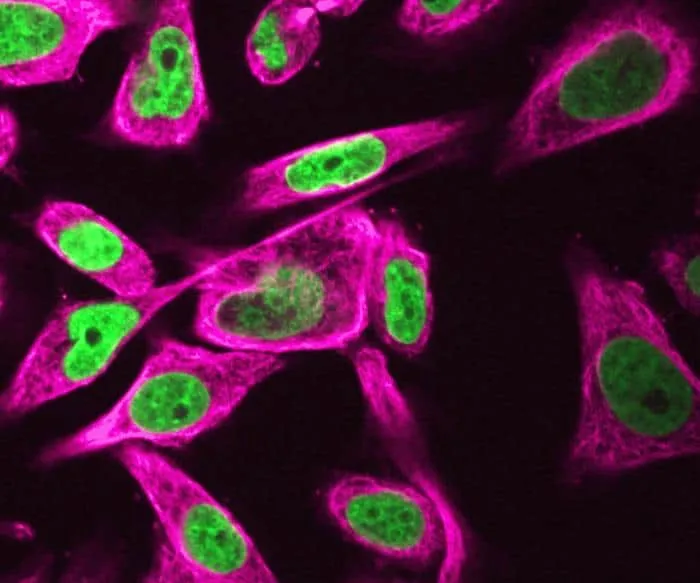
Going with the flow: Human cells with fluorescently labelled chromatin (green) and microtubules (magenta) appear elongated after 24-hour exposure to flows. (Courtesy: Nikitas Kanellakopoulos and Alexandra Zidovska, Department of Physics, New York University)
The human genome doesn’t seem to mind being in zero-gravity environments, and in some cases, the mitochondria that produce energy for our cells actually benefit from spending time outside the Earth’s magnetic field. These two findings – which come from separate research groups in the US and the UK – could have important implications for space travel, while the latter hints at a new pathway for treating neurodegenerative conditions such as Parkinson’s disease.
This article is an excerpt. To read the full content, visit the original source. Physics World
Related articles
Unprecedented atlas explores mitochondria across the tree of life - Nature
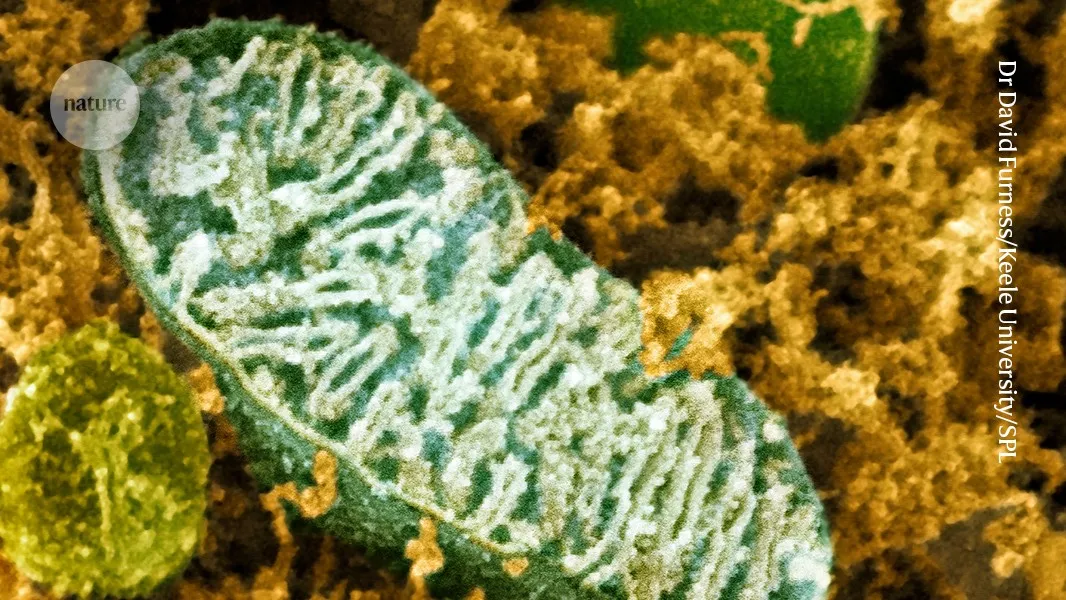
The protein catalogue gives a dynamic picture of the mitochondria, beyond what was known from humans and yeast. Credit: Dr David Furness/Keele University/SPLScientists have mapped in unprecedented detail the proteins that make up the mitochondria in six organisms — five single-celled parasites and one plant — spanning the eukaryotic tree of life. The findings, described in nine papers published in Cell, Cell Press Blue, Molecular Cell and Current Biology on 1 October1–9, reveal dozens of proteins that are not found in humans but are shared among parasites, including some that cause malaria or sleeping sickness. The findings might help scientists to devise new treatments for these illnesses. The work has also stirred a long-running debate about the origin of the mitochondrion. Cells are swapping their mitochondria. What does this mean for our health? Best known as the powerhouse of the eukaryotic cell because it produces energy, the mitochondrion has its own tiny DNA, which is distinct from that of the cell’s nucleus. But both mitochondrial and nuclear DNA encode the proteins that make up this organelle.
Scientists who discovered a third form of magnetism win major physics prize - Science Daily
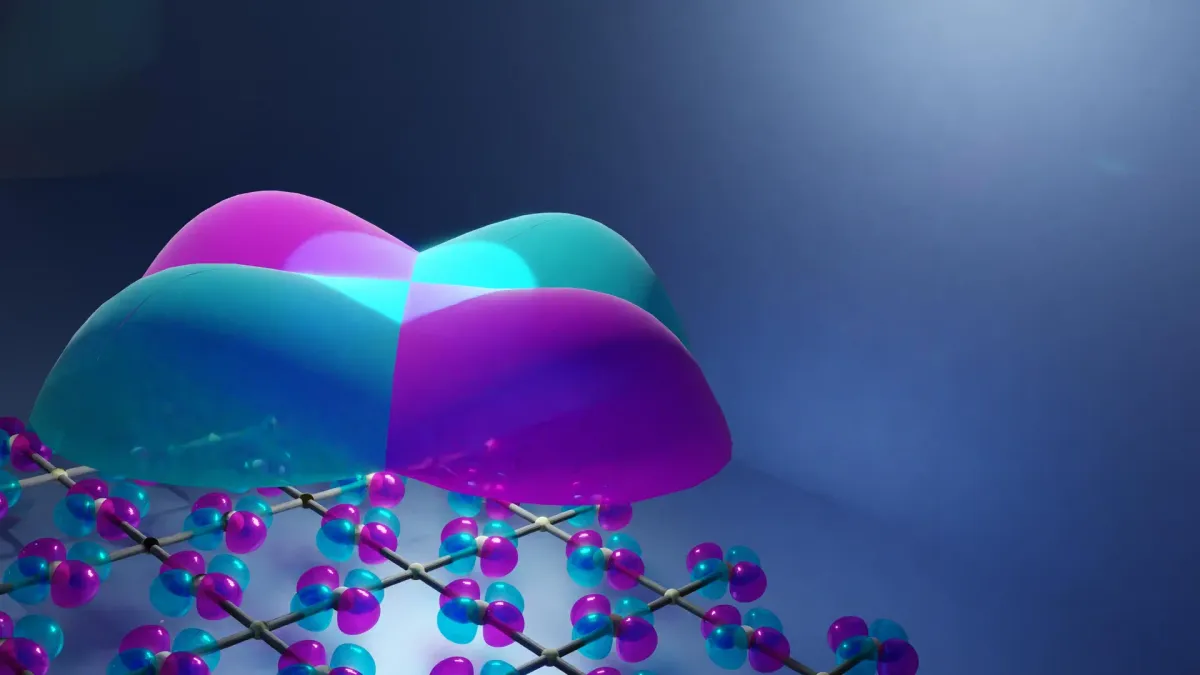
Scientists have uncovered a previously unknown form of magnetism, overturning an understanding of magnetic behavior that had stood for more than a century. The discovery, known as altermagnetism, has revealed a third fundamental category of collinear magnetism and opened new possibilities for quantum materials, advanced electronics, and future computing technologies. Three physicists responsible for the breakthrough have been named recipients of the 2026 Europhysics Prize, one of Europe's most prestigious honors in condensed matter physics. The European Physical Society (EPS) Condensed Matter Division selected Professor Jairo Sinova of Johannes Gutenberg University Mainz (JGU), Dr. Libor Šmejkal, and Professor Tomas Jungwirth for their work establishing altermagnetism as a distinct form of magnetic order alongside ferromagnetism and antiferromagnetism.
Scientists who discovered a third form of magnetism win major physics prize - Science Daily
Scientists have uncovered a previously unknown form of magnetism, overturning an understanding of magnetic behavior that had stood for more than a century. The discovery, known as altermagnetism, has revealed a third fundamental category of collinear magnetism and opened new possibilities for quantum materials, advanced electronics, and future computing technologies. Three physicists responsible for the breakthrough have been named recipients of the 2026 Europhysics Prize, one of Europe's most prestigious honors in condensed matter physics. The European Physical Society (EPS) Condensed Matter Division selected Professor Jairo Sinova of Johannes Gutenberg University Mainz (JGU), Dr. Libor Šmejkal, and Professor Tomas Jungwirth for their work establishing altermagnetism as a distinct form of magnetic order alongside ferromagnetism and antiferromagnetism.
A new kind of magnetism could unlock faster, more efficient computers - Science Daily
The computers of the future may rely on more than the electrical charge carried by electrons. Researchers are increasingly interested in another fundamental electron property called spin, which could provide a new way to move and process information inside electronic devices. Conventional computers use the movement of electrical charge to handle data. If scientists can reliably control electron spin as well, they may be able to develop entirely new approaches to computing that operate faster and consume less energy.
Magnetism may have helped kick-start our solar system - Science News
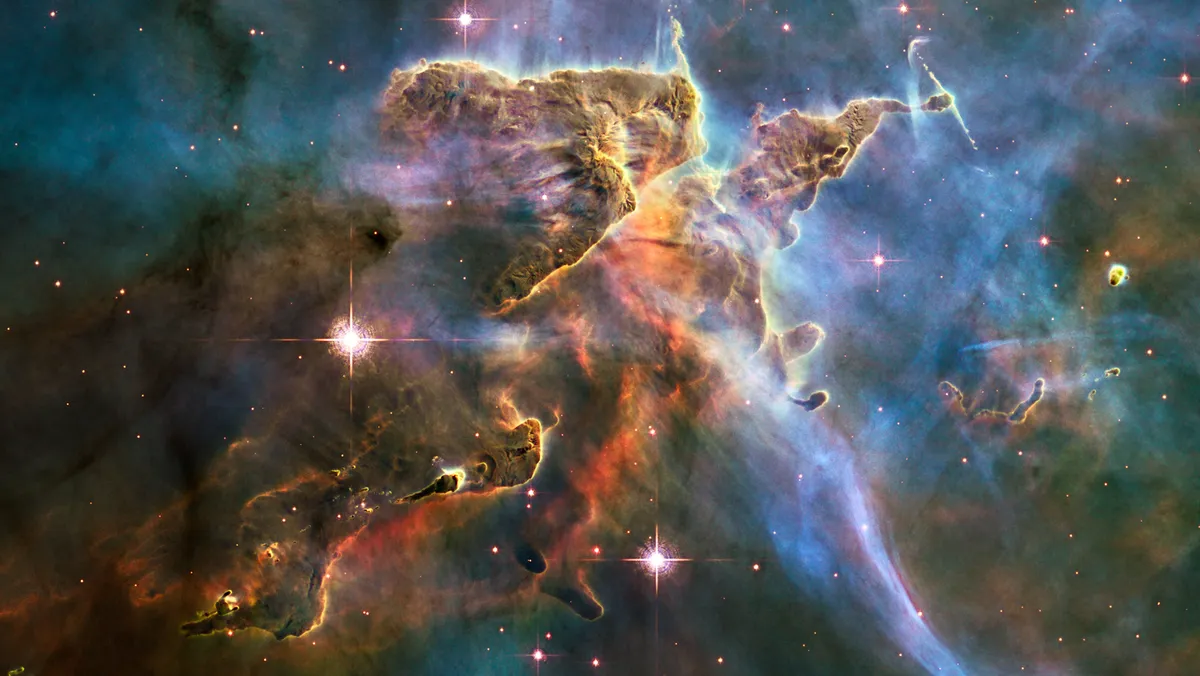
Meteorites hold a record of the forces at work 4.5 billion years ago before the sun formed Clouds of gas and dust, like the one in this Hubble Space Telescope image, are the birthplaces of planetary systems. Magnetism and gravity, together, play a role in their formation, new research suggests.
0 comments
No comments yet. Be the first to share your thoughts!