Diagnostic Performance and Limitations of Routine Vital Signs and Early Warning Scores in Postpartum Maternal Sepsis: A Systematic Review - Cureus
This story deserves to be shared
Send it to someone who'd care, or post it on your networks.
This article is an excerpt. To read the full content, visit the original source. Cureus
Related articles
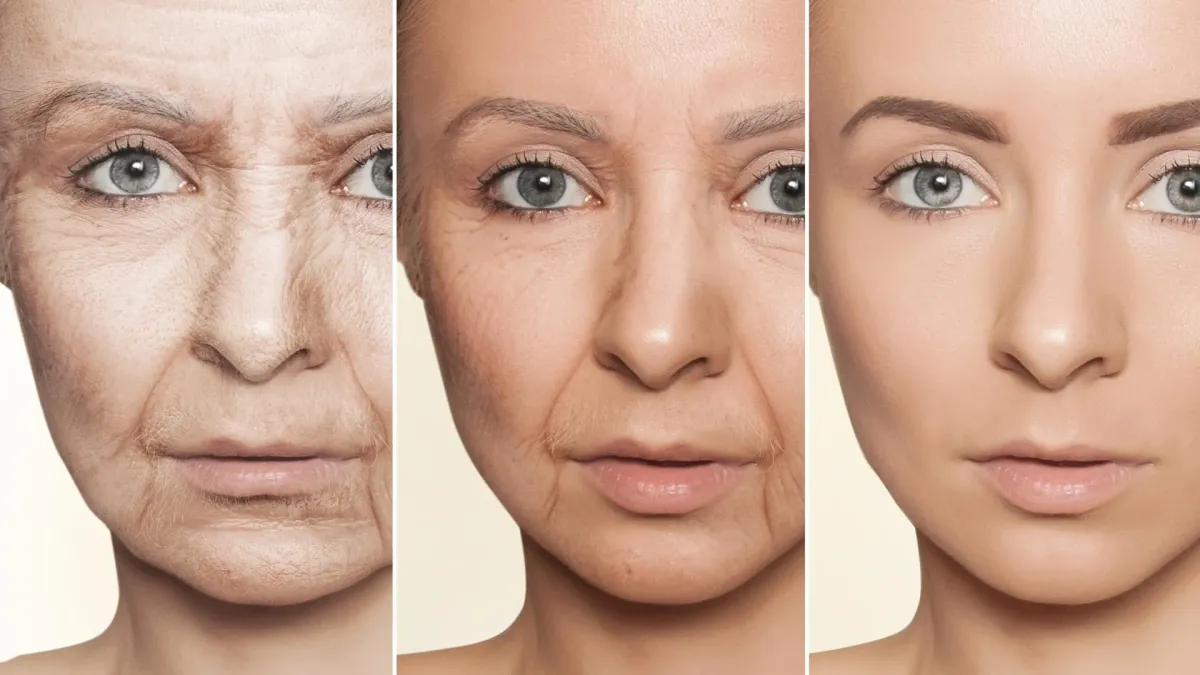
Scientists find 10 different diets linked to slower aging - Science Daily
A large study involving approximately 7,500 people suggests that eating a healthy diet may help slow biological aging, and there is no single eating plan that stands above all others. Scientists at the German Center for Neurodegenerative Diseases (DZNE) investigated 10 different dietary patterns, including the Mediterranean, Nordic, plant-based, and DASH diets. The DASH diet was specifically developed to help reduce blood pressure. Every dietary pattern examined was associated with slower biological aging, as measured by chemical changes in DNA that reflect the body's aging process. The findings were first identified using data from DZNE's Rhineland Study and then independently confirmed in another population. The research was published in Nature Communications.

Scientists found a link between Mediterranean diet blood markers and longer survival - News-Medical
Could a blood test reveal what food questionnaires miss? Researchers examined 67 blood metabolites to investigate how dietary habits and the body's metabolic responses relate to long-term survival. Study: A metabolomic signature of the Mediterranean diet predicts mortality in 4 independent cohorts. Image Credit: Spalnic / Shutterstock
B.C. is seeing the highest flu numbers in the country: Health Canada - Global News
Informations complètes et à jour, compilées par Google Actualités à partir de sources d'actualité du monde entier
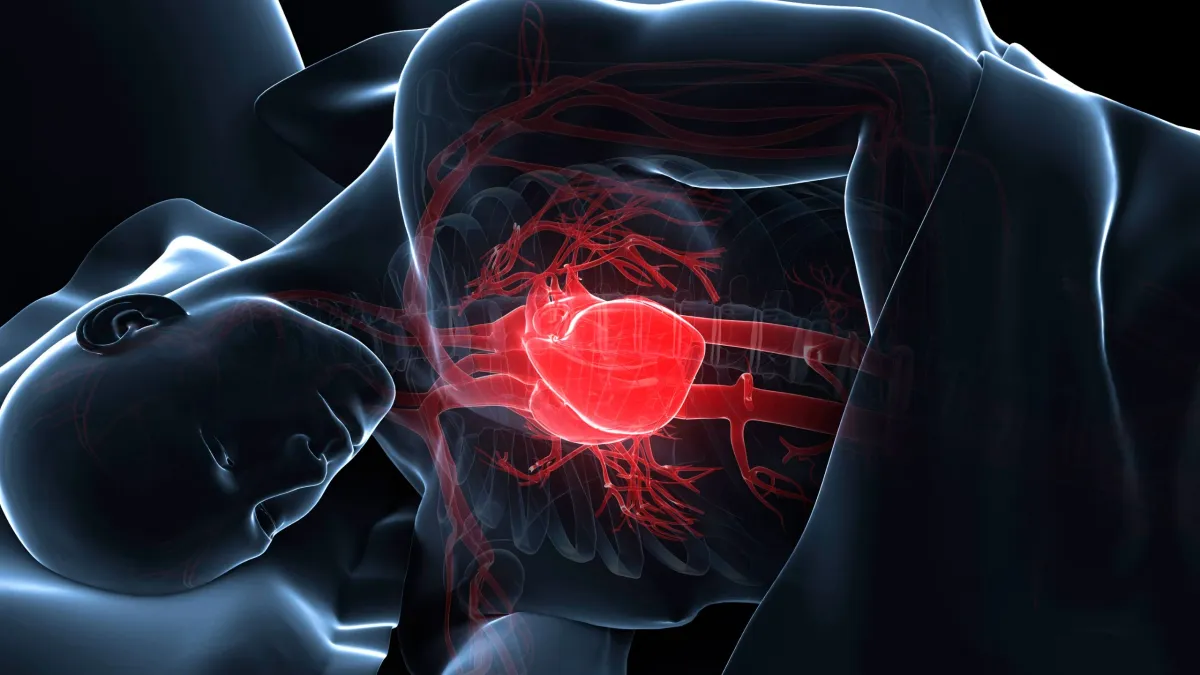
The Way You Sleep Can Reveal Your Risk of Heart Failure Up to 10 Years in Advance - ScienceAlert
Your dreams may not foretell the future, but the way that your heart falls asleep just might. Researchers have now shown that in the early stages of sleep, as the nervous system undergoes rapid changes, the heart's electrical activity can be used to determine future health risks. All that is needed is the data from one electrocardiogram (ECG) lead, placed on the chest during sleep. With that, artificial intelligence can predict someone's risk of an irregular heartbeat, stroke, heart failure, or death from any cause in the next 10 years. The findings are published in the journal SLEEP, with support from the US National Institutes of Health (NIH). "This new approach has the potential to identify individuals at risk for cardiovascular disease years before clinical symptoms arise," says David Goff, acting director of NIH's National Heart, Lung, and Blood Institute (NHLBI). "Evaluating whether this information improves traditional risk prediction is an important next step. "The research team, led by scientists at Emory University, first trained a deep learning system on the public health data of nearly 16,000 patients.
0 comments
No comments yet. Be the first to share your thoughts!