How a photo of a person’s face could help predict whether they’ll survive cancer treatment - CNN
This story deserves to be shared
Send it to someone who'd care, or post it on your networks.
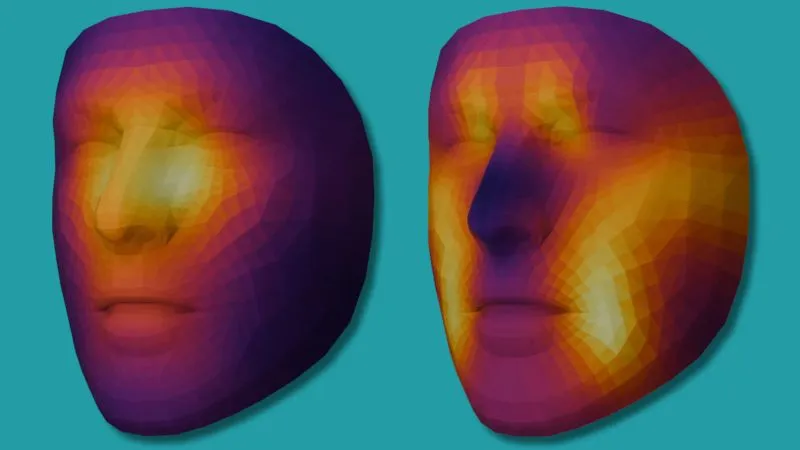
A simple selfie could hold surprising clues to your overall health and longevity, especially among people with cancer.
This article is an excerpt. To read the full content, visit the original source. CNN
Related articles

Can light switch on memories? What the Nobel Prize science really means for the human brain - Gulf News
The same cause-and-effect approach is changing how researchers study brain disorders.. Last updated: October 23, 2026 | 09:167 MIN READThe major advance is that scientists can investigate what particular nerve cells actually do, rather than simply observe when they become activeIt started with a question about pond algae. Peter Hegemann wanted to know how Chlamydomonas, a green alga made of a single cell, steers itself towards light. In the early 2000s, he and Georg Nagel found the answer: Channelrhodopsin, a protein that opens a small gate in the cell when light strikes it. Karl Deisseroth, a psychiatrist and bioengineer at Stanford University, then took the leap. He put the gene for that protein into nerve cells, so that a flash of light could make them fire. By 2006 the method had a name: Optogenetics. On October 5, the three scientists were awarded the 2026 Nobel Prize in Physiology or Medicine for their discoveries concerning light-gated ion channels and optogenetics. Per Svenningsson, chair of the Nobel Committee, said the method allows mapping the brain 'in a way that we could once only dream of'. What does that actually mean for the rest of us?

Study links recreational cannabis legalization to rising heart attack admissions - News-Medical
Legalization of recreational cannabis in the US is associated with a rise in hospital admissions for cardiovascular disease, finds an analysis of more than 50 million patient discharge records, published in the open access journal BMJ Open. Admissions for atrial fibrillation (abnormal heart rhythm), heart failure, and heart attack all rose faster after the law was enacted in the Western region of the US with the policy than in states without, the analysis shows.
New clinical decision support tool aims to improve chronic kidney disease care - News-Medical
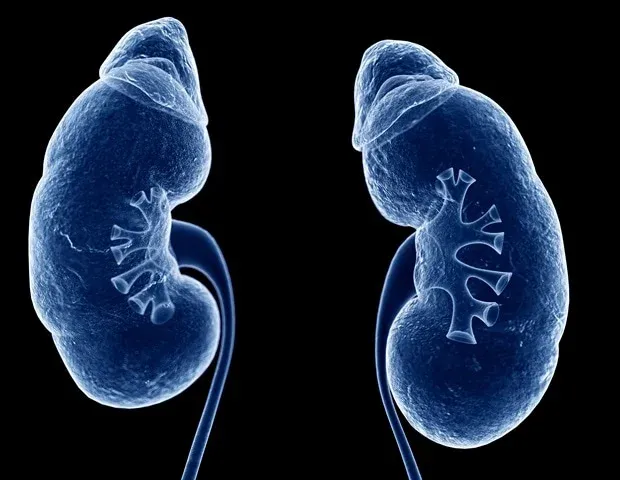
Investigators have developed and validated a clinical decision support tool to improve the diagnosis and treatment of chronic kidney disease (CKD) at the point of care. The research will be presented at ASN Kidney Week 2026 October 22–25. Called Treat CKD, the tool draws on electronic health records data to identify CKD, classify risk by Kidney Disease: Improving Global Outcomes criteria, calculate kidney failure risk using the Kidney Failure Risk Equation, estimate cardiovascular risk using American Heart Association PREVENT equations, and provide recommendations for albuminuria testing, blood pressure management, cholesterol-lowering therapy, cardio-kidney therapies, and nephrology referral.
Counseling Kidney Donors on Future Pregnancy, With Amit Garg, MD, PhD - HCPLive
Future pregnancy plans don’t preclude living kidney donation, but candidates should be counseled on gestational hypertension risk. Future pregnancy plans need not rule out living kidney donation, but candidates should be counseled on hypertensive risk. New data on pregnancy after living kidney donation give transplant teams clearer numbers to share with donor candidates who may want children in the future.¹In a matched cohort study from 3 Canadian provinces, presented at American Society of Nephrology (ASN) Kidney Week 2026 by Amit X. Garg, MD, PhD, and published simultaneously in JAMA, most donor pregnancies were uncomplicated, with a modest increase in hypertensive disorders of pregnancy.¹ Will Donating a Kidney Affect Future Pregnancies? In 2024, more than 40,000 living kidney donations were reported across 88 countries.¹ For donors who may become pregnant later, Garg said the central question is whether donation will affect those pregnancies.

Interpreting Kidney Donor Pregnancy Signals, With Amit Garg, MD, PhD - HCPLive
News|Videos|October 22, 2026 Chance, biology, and shared genetics may explain more small for gestational age births after living kidney donation. Small for gestational age births and shared donor-recipient genetics complicate the picture of pregnancy after living kidney donation. Investigators behind a new Canadian study of pregnancy after living kidney donation are weighing why donors had more small for gestational age (SGA) births than matched nondonors, and whether shared genetics with recipients could play a role.¹The matched cohort study, presented at American Society of Nephrology (ASN) Kidney Week 2026 by Amit X. Garg, MD, PhD, and published simultaneously in JAMA, spanned 3 provinces and also found a modest increase in hypertensive disorders of pregnancy among donors.¹ How Did the Study Compare Donors and Nondonors? Using linked administrative health databases from Ontario, British Columbia, and Alberta, investigators compared 385 pregnancies in 252 living kidney donors with 1,540 matched pregnancies in 1,535 nondonors.¹ To reflect donors’ healthier baseline profile, nondonors with any of 35 conditions that would preclude donation were excluded.
0 comments
No comments yet. Be the first to share your thoughts!