Dealer Nikolaus Leskovar on Pop Art Master Roy Lichtenstein’s Enduring Appeal for Collectors - Artnet News
This story deserves to be shared
Send it to someone who'd care, or post it on your networks.
This article is an excerpt. To read the full content, visit the original source. Artnet News
Related articles
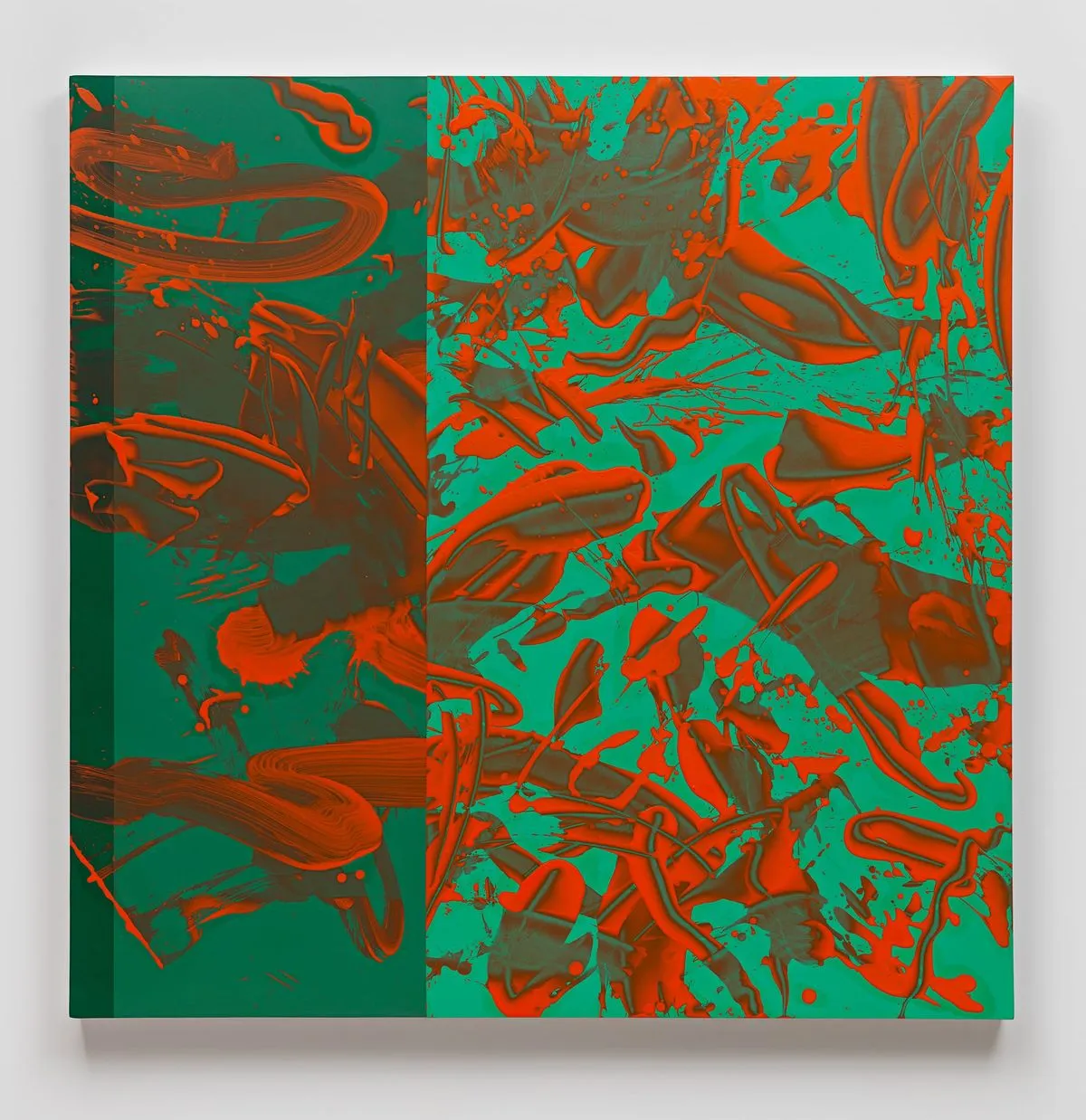
David Reed Went Where Lichtenstein Wouldn’t
He brought his optical preoccupations into the 21st century, without losing his love of artists from earlier eras. David Reed, "#808" (2024–26), oil and acrylic on polyester (all photos courtesy Rodder)
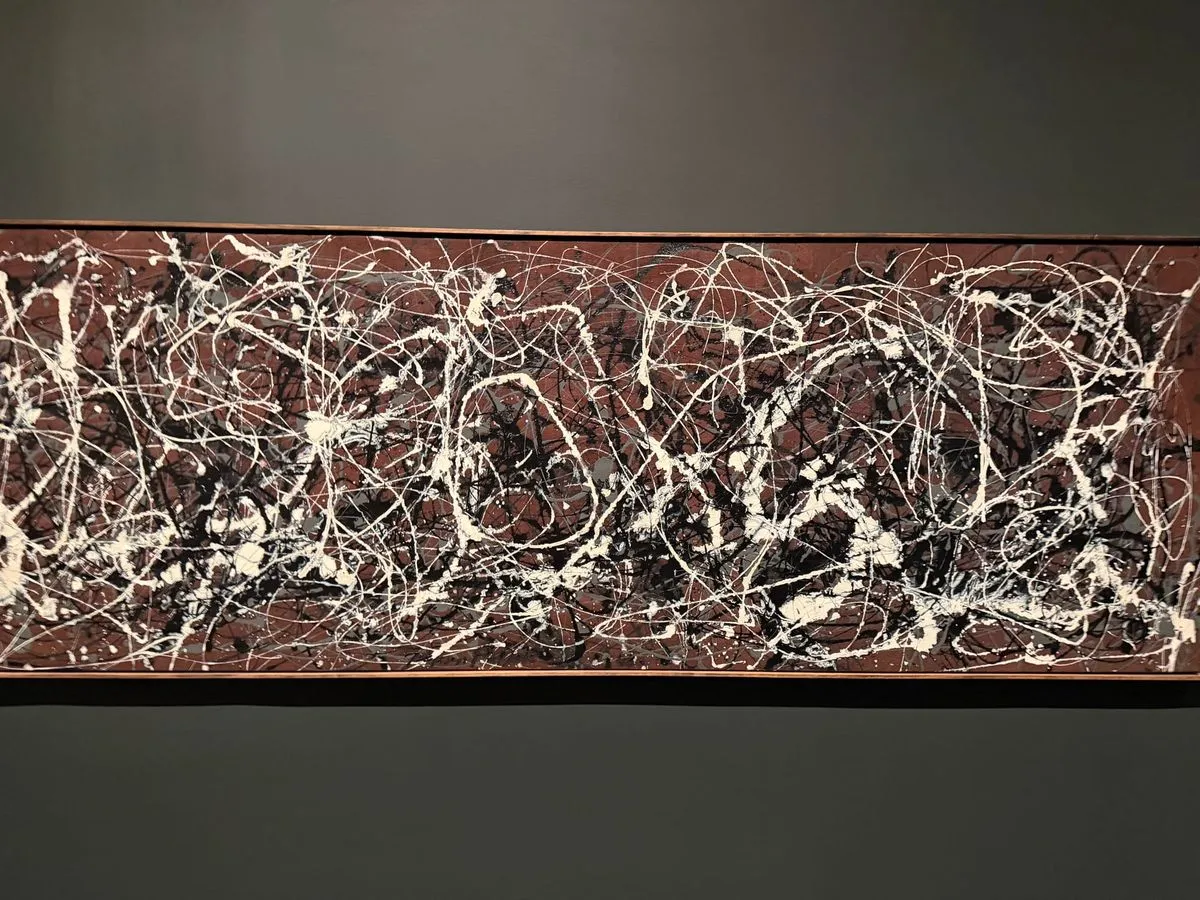
Diaries of a Primitive Man
John Yau on Roy Lichtenstein, Megan O’Grady on John Berger, and Paddy Johnson answers the question: Do I need an agent? It’s a sunny October afternoon in Manhattan and the steps of the Metropolitan Museum of Art are bustling with visitors. Tourists pose for selfies against the museum’s facade; street vendors sell chopped-up hotdogs in a nest of French fries; and the sound of saxophone music drowns into the symphony of splashing water fountains and honking cars on Fifth Avenue. So many types of people; the only ones missing are the Lenape whose land was stolen so we could enjoy this fine Indigenous Peoples’ Day on the steps of The Met. Inside the museum, a blockbuster exhibition about Abstract Expressionist painters Lee Krasner and Jackson Pollock is jam-packed. The show is as much about their mutual influence as it is about their marriage, their most difficult collaboration. I hear a woman from behind accusing me of “White privilege” because I apparently cut her in line. I turn around and say, “What White privilege?
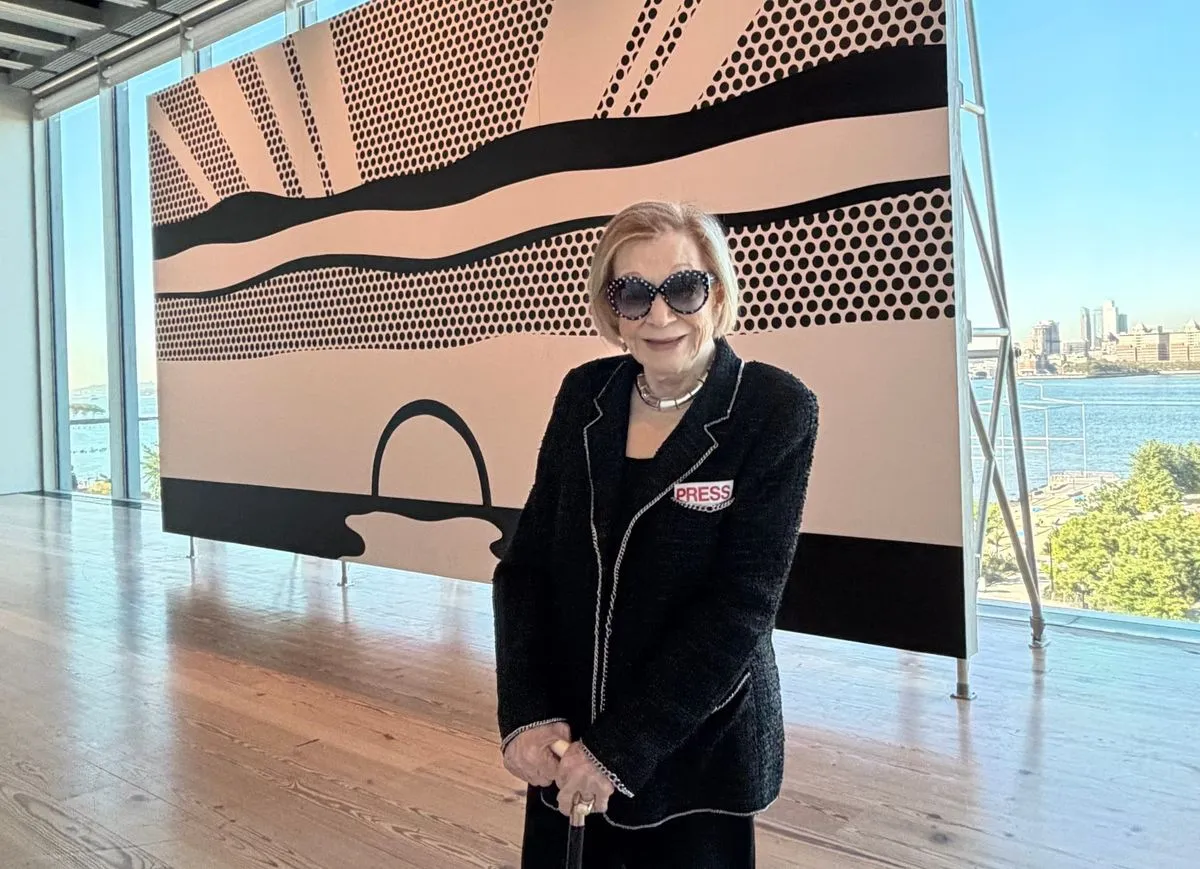
The 98-Year-Old Pop Art Queen Behind an Iconic Lichtenstein Billboard
Ahead of her memoir's release, we talk to Joan Kron about Andy Warhol, beating Sidney Janis to the punch, and why she calls herself a “renegade housewife” of Pop Art. Joan Kron with a remake of Roy Lichtenstein’s “Super Sunset Billboard” (1967) at the Whitney Museum of American Art (all photos courtesy Joan Kron)In 1962, the first-ever Pop Art exhibition on the East Coast was mounted at the Young Men’s and Young Women’s Hebrew Association (YM/YWHA) in Philadelphia. Just days before the Sidney Janis Gallery broke with Abstract Expressionism in its historic show The New Realists, the firebrand "housewives" of the Y had already featured many of the same up-and-coming artists, including Jim Dine, Roy Lichtenstein, and Claes Oldenburg in Art ’63: A New Vocabulary. Brushing off the scorn from Philadelphia’s then-conservative art world, the show’s organizers, Audrey Sabol and Joan Kron, would go on to claim more firsts.

yotaro sakamoto’s kinetic thread column transforms human presence into shifting shadows
KINETIC THREAD COLUMN installation draws from SUDARE SCREENSCreated by Japanese artist, engineer, and researcher Yotaro Sakamoto, Schattenrequisit: Column is a kinetic installation formed from fine threads that explores the relationship between architectural permanence, human presence, and shifting shadow projections. Drawing conceptual inspiration from the light-filtering properties of sudare (traditional Japanese slatted screens), the project treats physical material and immaterial shadows as unified components of a single sculptural composition.all images ©Yotaro SakamotoANIMATING STATIC ARCHITECTURAL FORMS THROUGH HUMAN MOVEMENTThe installation takes the form of an architectural column constructed from closely spaced fine threads. Integrated millimeter-wave sensors detect the proximity of visitors, triggering a stepper motor developed through computational design and physical prototyping. In response to movement within the space, the motor slowly rotates and shifts the thread assembly, altering the overlap of the linear strands and continuously transforming the shadow silhouettes cast across surrounding walls and floors.
0 comments
No comments yet. Be the first to share your thoughts!