David Reed Went Where Lichtenstein Wouldn’t
This story deserves to be shared
Send it to someone who'd care, or post it on your networks.
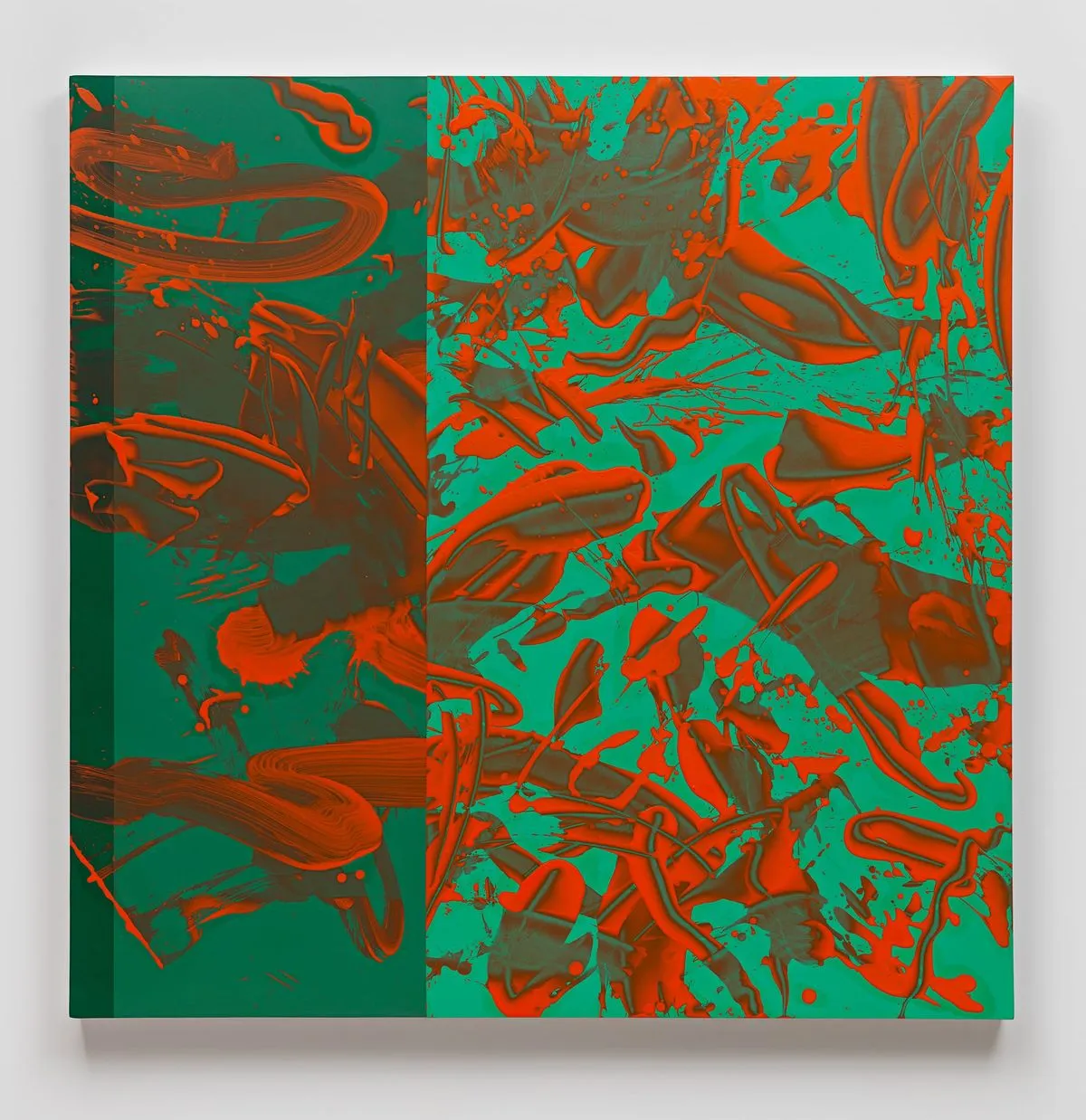
He brought his optical preoccupations into the 21st century, without losing his love of artists from earlier eras.
David Reed, "#808" (2024–26), oil and acrylic on polyester (all photos courtesy Rodder)
This article is an excerpt. To read the full content, visit the original source. Hyperallergic
Related articles
Diaries of a Primitive Man
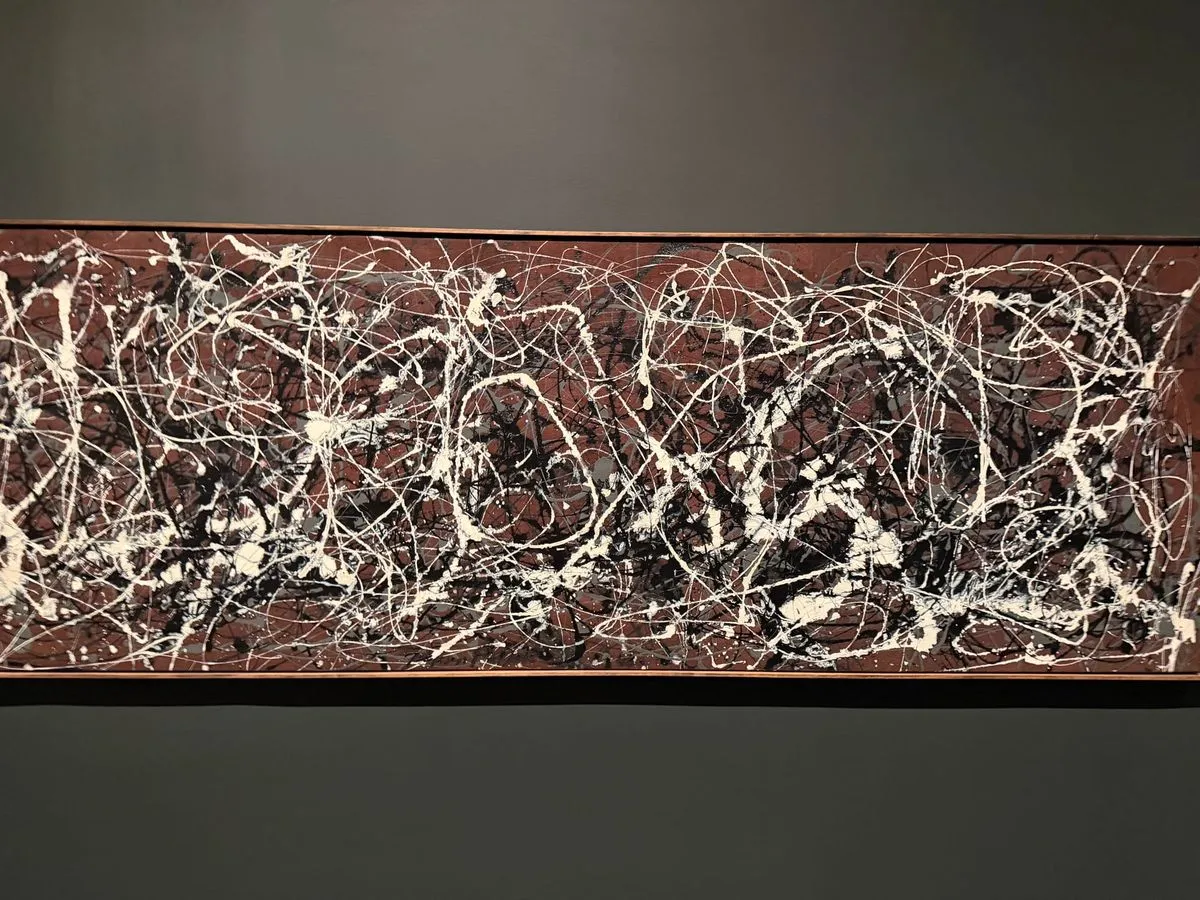
John Yau on Roy Lichtenstein, Megan O’Grady on John Berger, and Paddy Johnson answers the question: Do I need an agent? It’s a sunny October afternoon in Manhattan and the steps of the Metropolitan Museum of Art are bustling with visitors. Tourists pose for selfies against the museum’s facade; street vendors sell chopped-up hotdogs in a nest of French fries; and the sound of saxophone music drowns into the symphony of splashing water fountains and honking cars on Fifth Avenue. So many types of people; the only ones missing are the Lenape whose land was stolen so we could enjoy this fine Indigenous Peoples’ Day on the steps of The Met. Inside the museum, a blockbuster exhibition about Abstract Expressionist painters Lee Krasner and Jackson Pollock is jam-packed. The show is as much about their mutual influence as it is about their marriage, their most difficult collaboration. I hear a woman from behind accusing me of “White privilege” because I apparently cut her in line. I turn around and say, “What White privilege?
The 98-Year-Old Pop Art Queen Behind an Iconic Lichtenstein Billboard
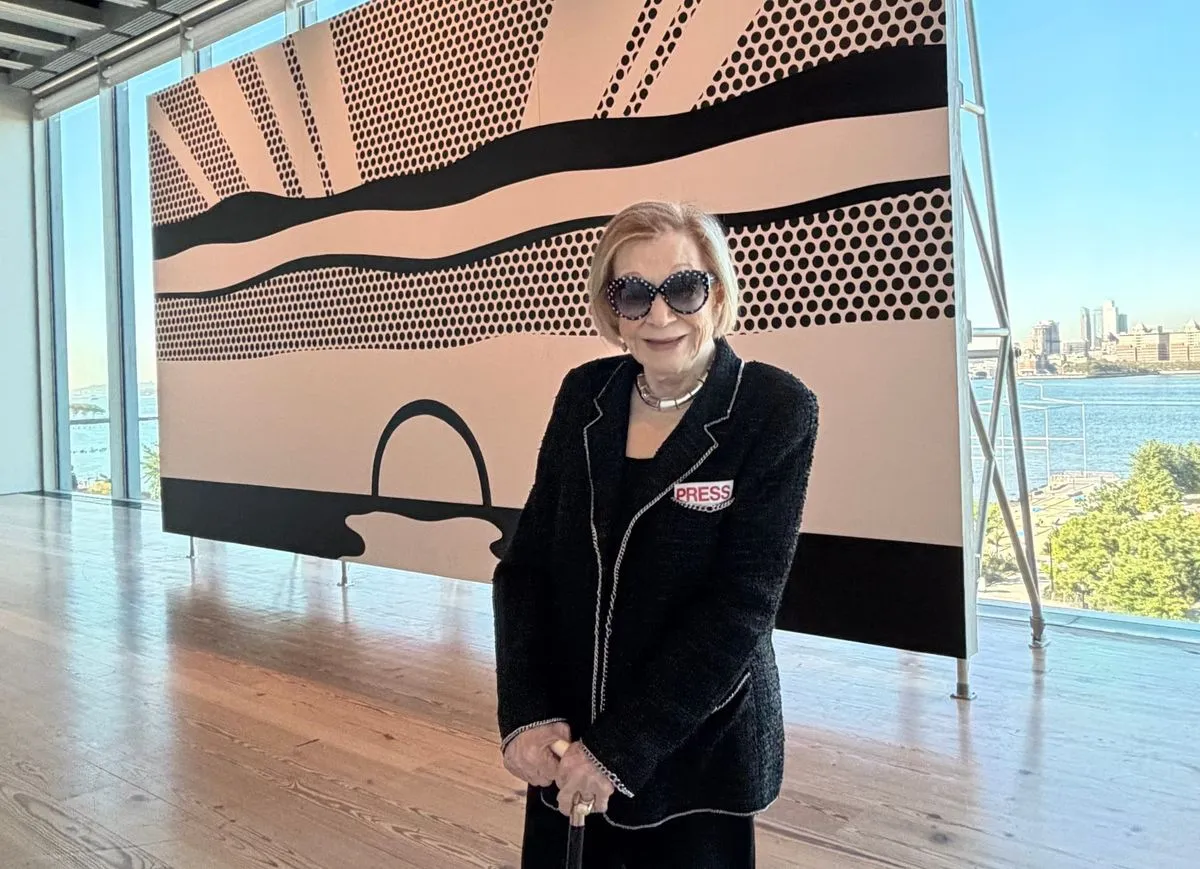
Ahead of her memoir's release, we talk to Joan Kron about Andy Warhol, beating Sidney Janis to the punch, and why she calls herself a “renegade housewife” of Pop Art. Joan Kron with a remake of Roy Lichtenstein’s “Super Sunset Billboard” (1967) at the Whitney Museum of American Art (all photos courtesy Joan Kron)In 1962, the first-ever Pop Art exhibition on the East Coast was mounted at the Young Men’s and Young Women’s Hebrew Association (YM/YWHA) in Philadelphia. Just days before the Sidney Janis Gallery broke with Abstract Expressionism in its historic show The New Realists, the firebrand "housewives" of the Y had already featured many of the same up-and-coming artists, including Jim Dine, Roy Lichtenstein, and Claes Oldenburg in Art ’63: A New Vocabulary. Brushing off the scorn from Philadelphia’s then-conservative art world, the show’s organizers, Audrey Sabol and Joan Kron, would go on to claim more firsts.
Gowanus Open Studios Turns 30
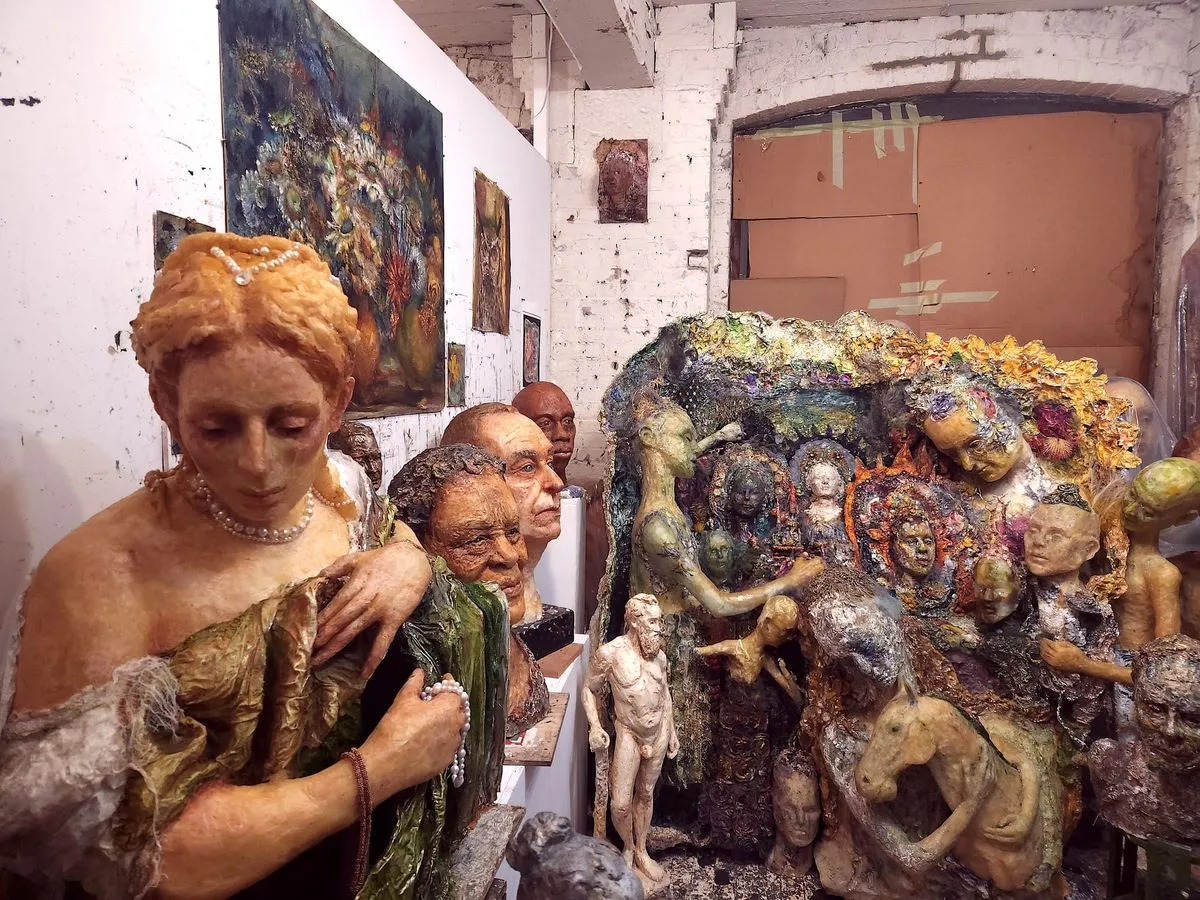
This year’s iteration of the artistic assembly was a love letter to the neighborhood and its craftsmanship amid an era of remediation, development, and gentrification. Figurative beeswax sculptures in Lesley Kushner's Gowanus-based art studio (all photos Rhea Nayyar/Hyperallergic)
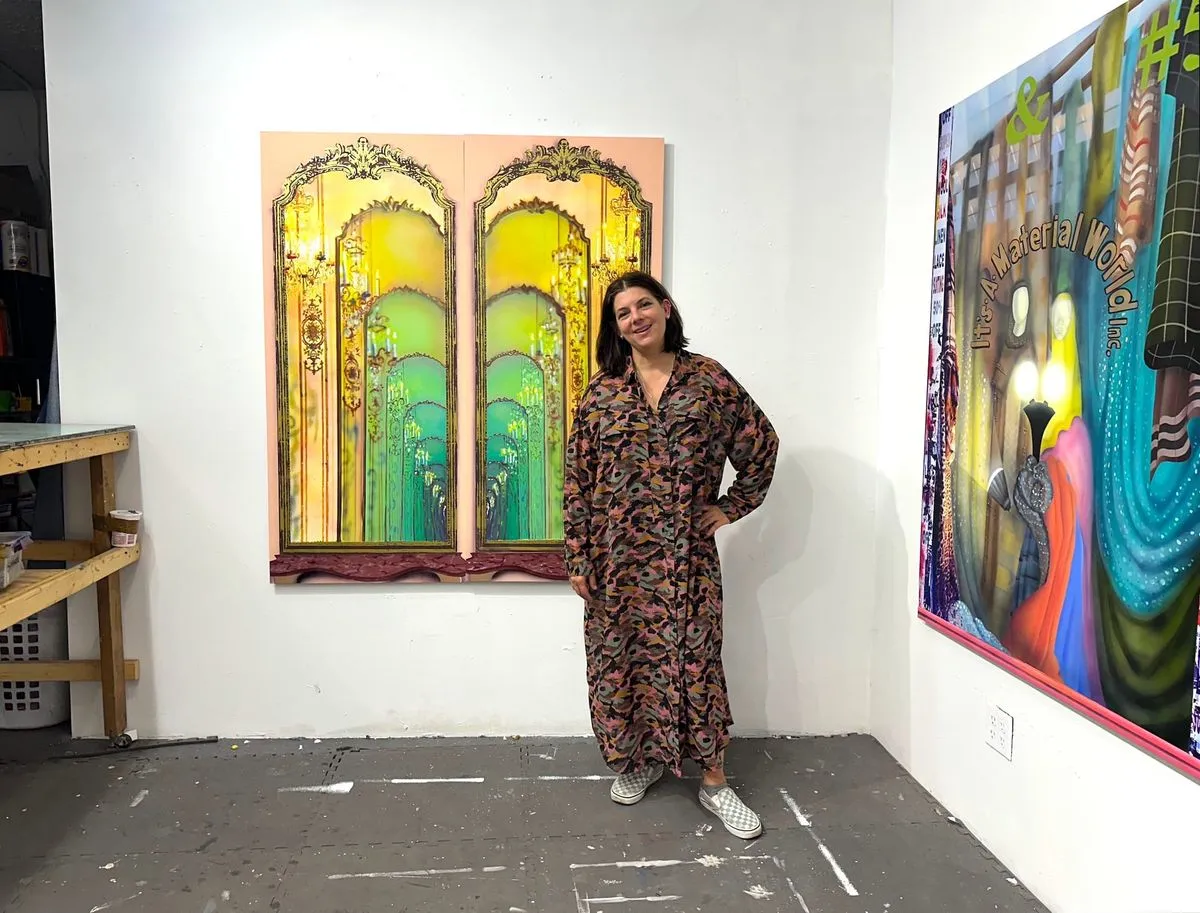
Beer With a Painter: Melissa Brown
“I want to visualize the fact that, despite our perception, reality is changeable,” the Brooklyn-based artist said of her paintings. Melissa Brown in her Brooklyn studio (photo Jennifer Samet/Hyperallergic; all other photos Adam Reich, courtesy the artist)
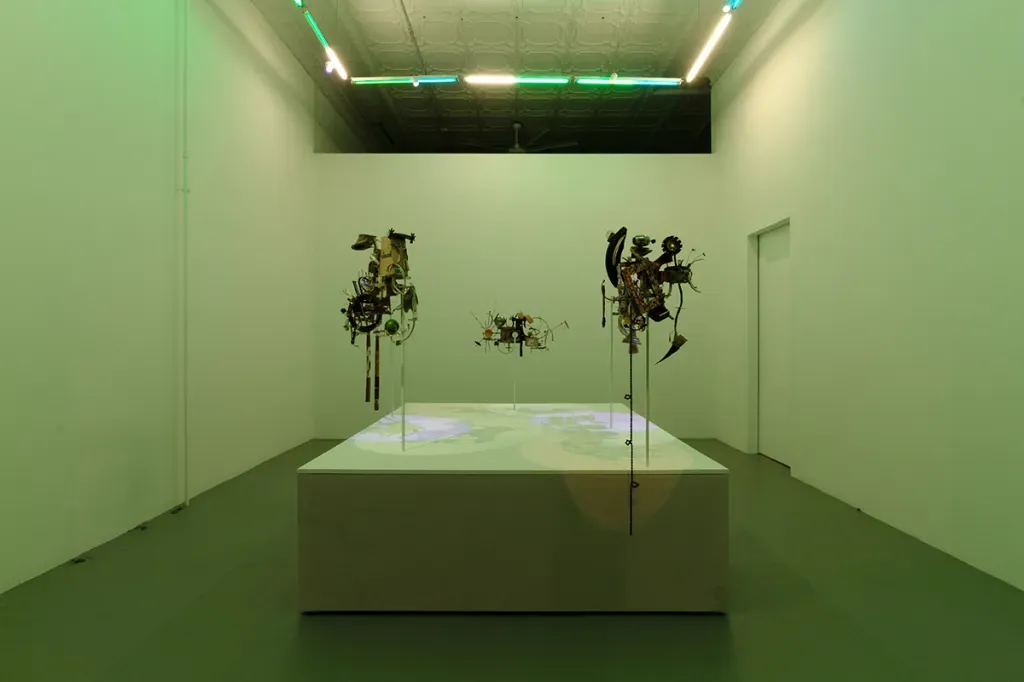
Prairie, Chicago Gallery That Put Conceptualism Ahead of Commercialism, Closes After Nearly a Decade
Prairie, a Chicago gallery that helped put a range of cutting-edge artists on the path to success, will close after nine years. The gallery announced its closure on Friday by revealing that its forthcoming exhibition, a group show called “Retrospective,” would be its final one. “This will be our last show,” the gallery wrote on Instagram.
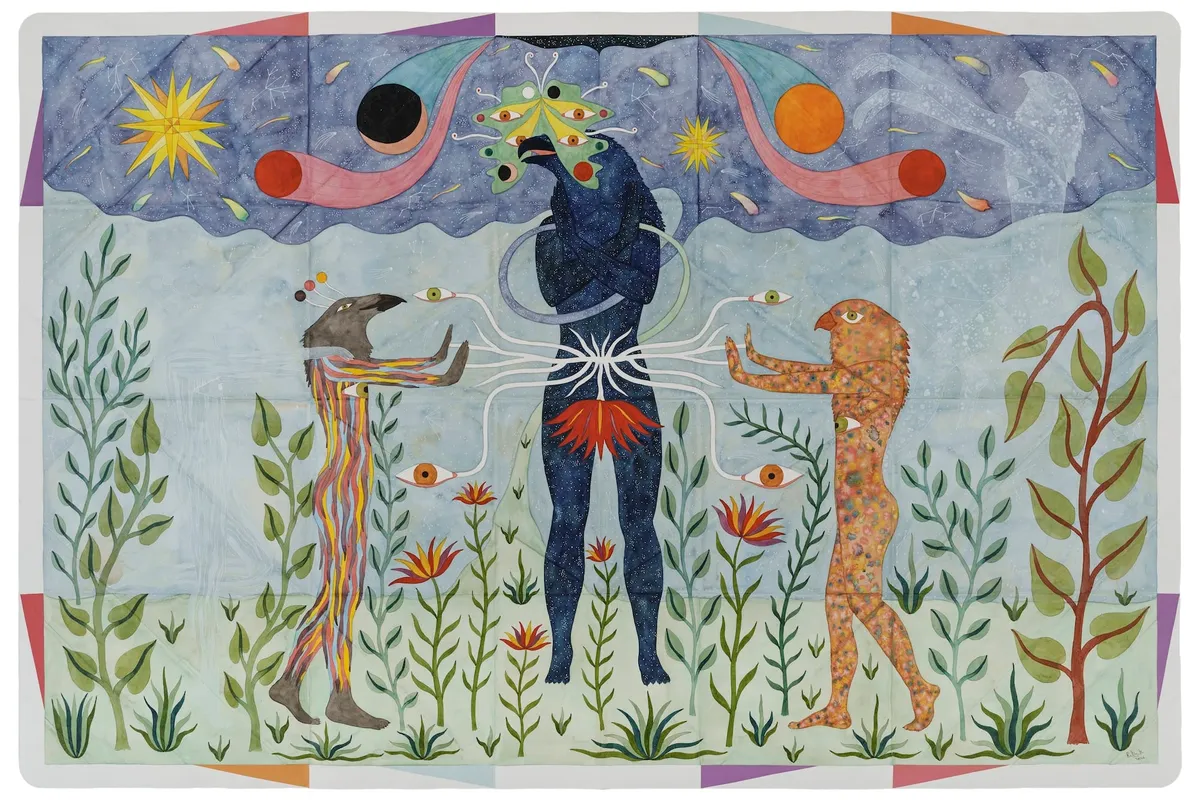
Rithika Merchant Summons Ancient Mythology and Mysticism in ‘The Dreaming Realm’
In surreal tableaux, mythological creatures interact with flora and fauna within dream-like realms. Insects, stars, metaphysical tendrils, and all-seeing eyes accompany human bodies with the heads of raptors. Rithika Merchant’s strange yet alluring symmetry contains what may be esoteric rituals or communions with the natural world. Each speculative, fable-like narrative taps into our collective anxiety about the environment and hope for healing. Merchant’s vibrant new body of work centers on hybrid creatures and a sense of the sacred, comprising the Mumbai-based artist’s solo exhibition The Dreaming Realm at Galerie LJ. She harnesses elemental phenomena like the earth, plants, fire, water, and the stars to emphasize both volatility and strength. Amid scenes of floods and eruptions, individuals participate in enigmatic activities or ceremonies exemplifying cooperation and determination.
0 comments
No comments yet. Be the first to share your thoughts!