Rithika Merchant Summons Ancient Mythology and Mysticism in ‘The Dreaming Realm’
This story deserves to be shared
Send it to someone who'd care, or post it on your networks.
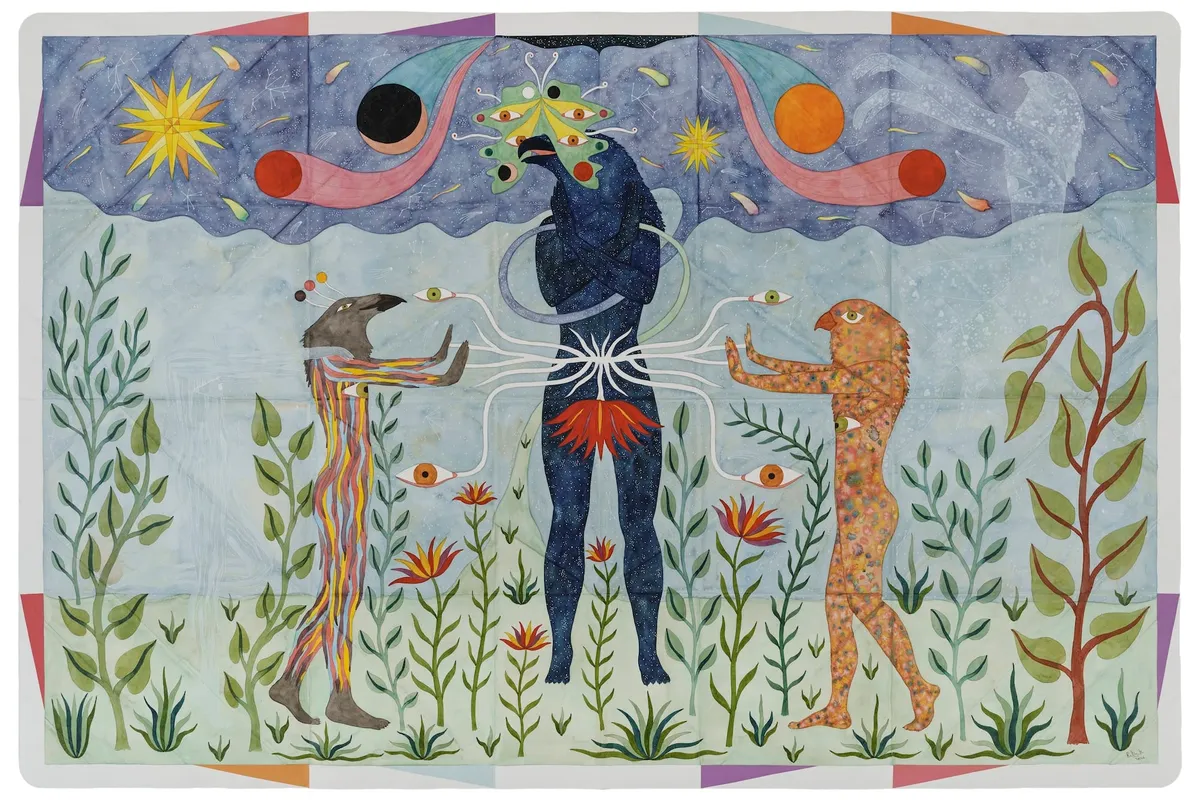
In surreal tableaux, mythological creatures interact with flora and fauna within dream-like realms. Insects, stars, metaphysical tendrils, and all-seeing eyes accompany human bodies with the heads of raptors. Rithika Merchant’s strange yet alluring symmetry contains what may be esoteric rituals or communions with the natural world. Each speculative, fable-like narrative taps into our collective anxiety about the environment and hope for healing.
Merchant’s vibrant new body of work centers on hybrid creatures and a sense of the sacred, comprising the Mumbai-based artist’s solo exhibition The Dreaming Realm at Galerie LJ. She harnesses elemental phenomena like the earth, plants, fire, water, and the stars to emphasize both volatility and strength. Amid scenes of floods and eruptions, individuals participate in enigmatic activities or ceremonies exemplifying cooperation and determination.
This article is an excerpt. To read the full content, visit the original source. Colossal
Related articles
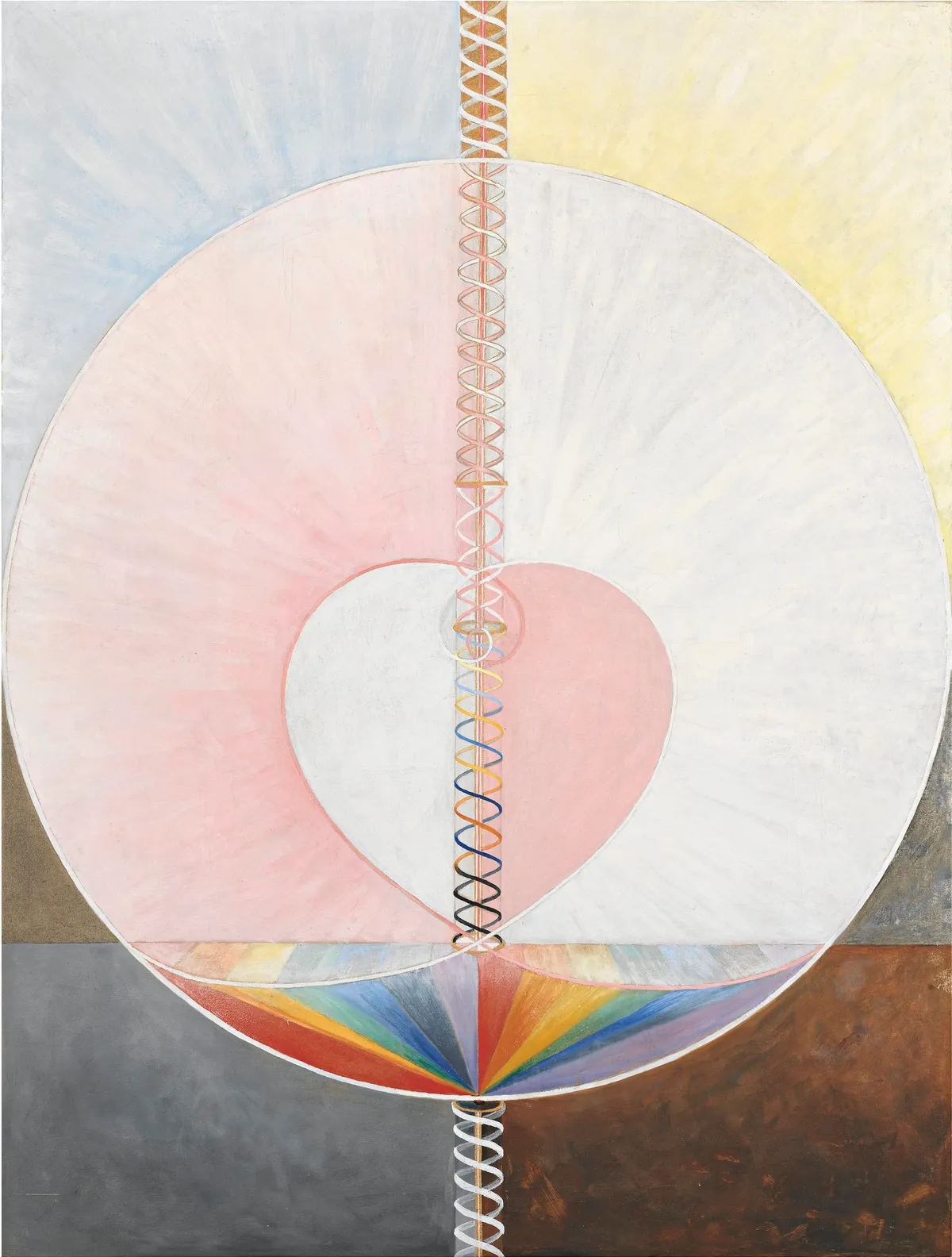
‘Arcana Borealis’ Summons the Power of Spirituality and Artist Communities
Around 1906, Hilma af Klint was living in Stockholm, where she kept a studio. Deeply engaged with Christian esotericism, she channeled her mystic visions into a series of otherworldly paintings that art historians acknowledge to be the first known abstract works in the canon, a paradigm shift in 20th-century art that had previously been credited to Wassily Kandinsky starting around 1910. What continues to awe us today about af Klint’s works is she didn’t view her vibrant paintings strictly as artworks, but as a result of spiritual channeling. Their production also coincided with a period of incredible scientific discovery. Nikola Tesla had just developed the alternating current (AC) electricity system, plus generated the first radio transmissions, when he then used to create a remote control. And 1905 was Einstein’s “miracle year” with the publication of his seminal theory of relativity.
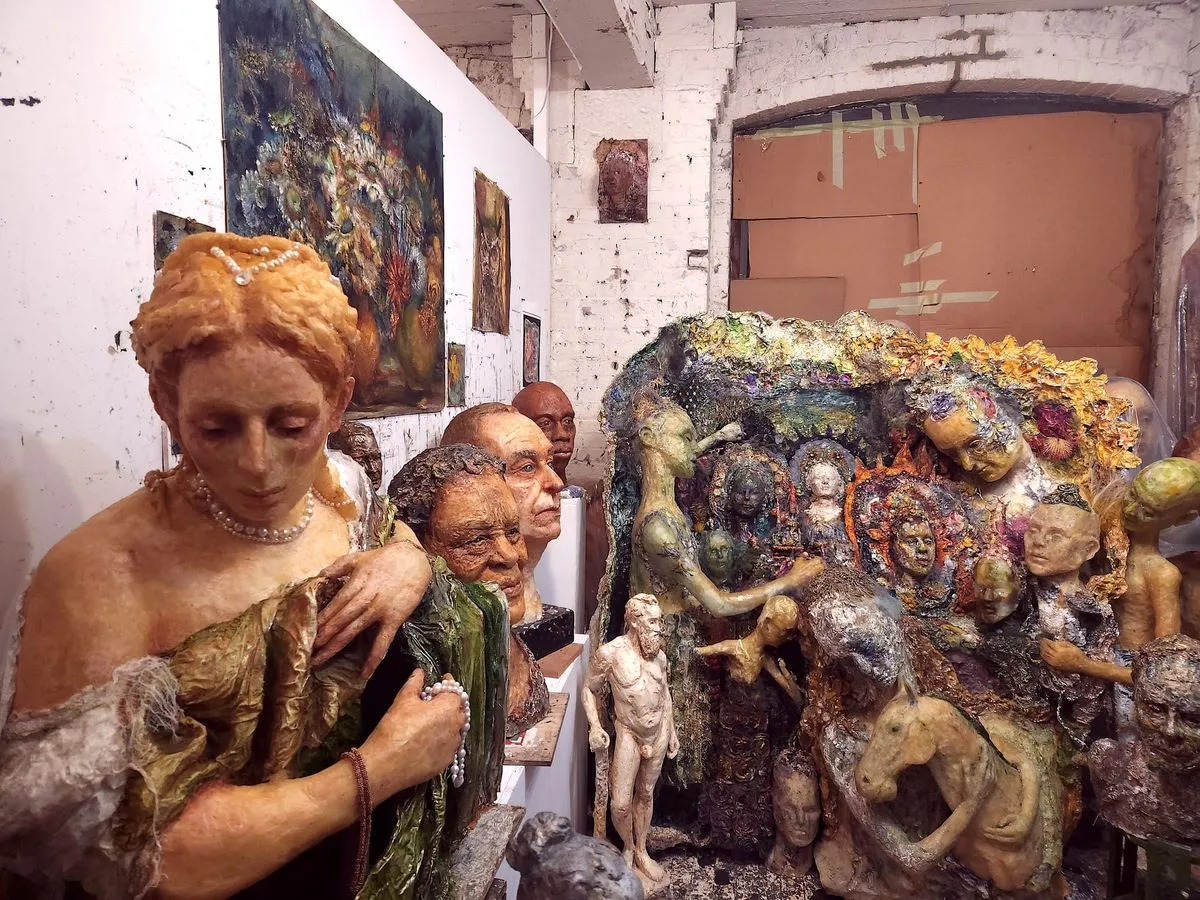
Gowanus Open Studios Turns 30
This year’s iteration of the artistic assembly was a love letter to the neighborhood and its craftsmanship amid an era of remediation, development, and gentrification. Figurative beeswax sculptures in Lesley Kushner's Gowanus-based art studio (all photos Rhea Nayyar/Hyperallergic)
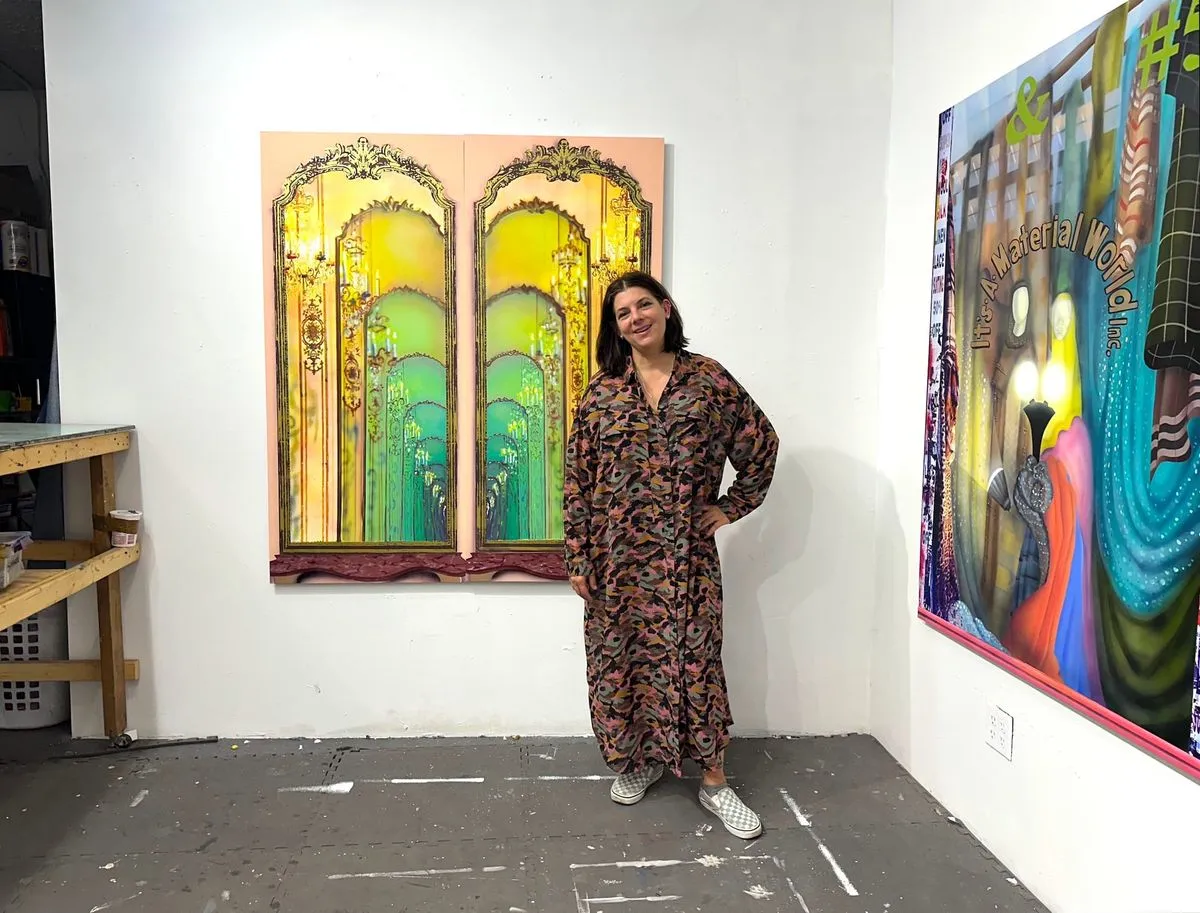
Beer With a Painter: Melissa Brown
“I want to visualize the fact that, despite our perception, reality is changeable,” the Brooklyn-based artist said of her paintings. Melissa Brown in her Brooklyn studio (photo Jennifer Samet/Hyperallergic; all other photos Adam Reich, courtesy the artist)
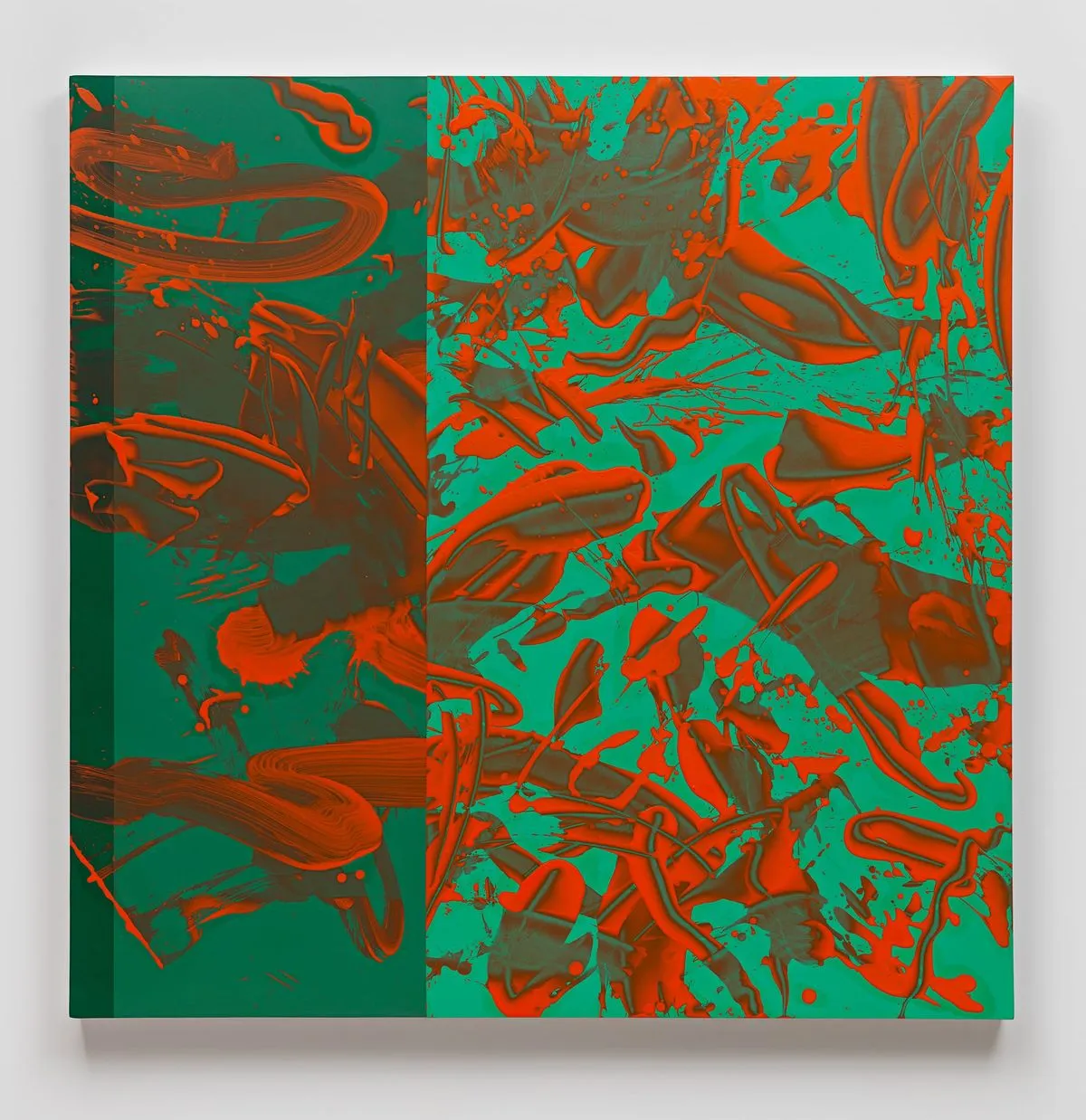
David Reed Went Where Lichtenstein Wouldn’t
He brought his optical preoccupations into the 21st century, without losing his love of artists from earlier eras. David Reed, "#808" (2024–26), oil and acrylic on polyester (all photos courtesy Rodder)
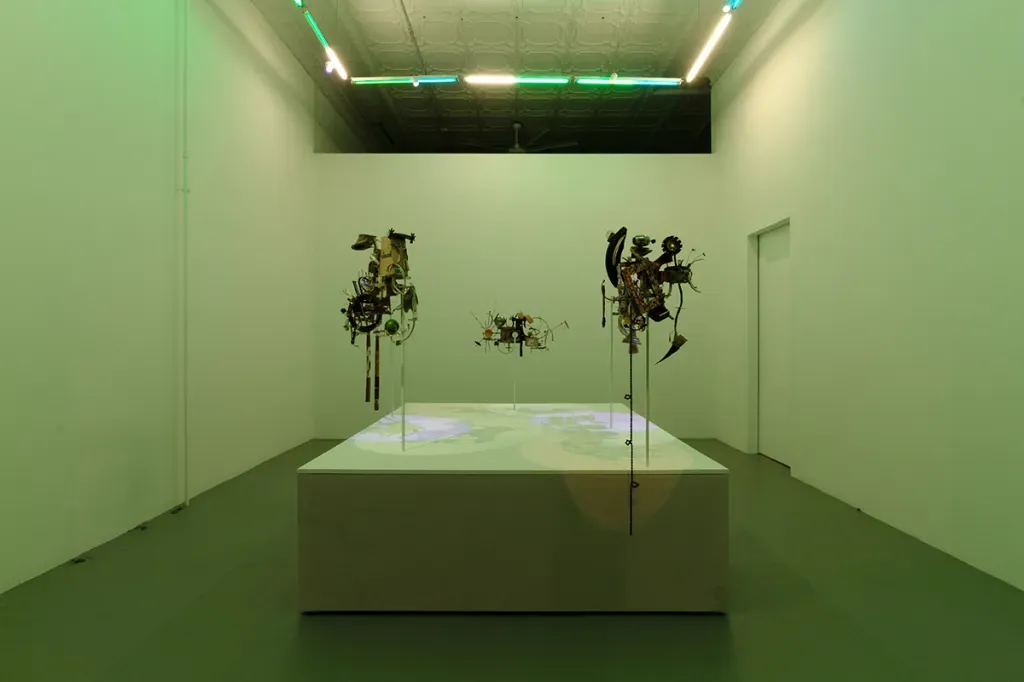
Prairie, Chicago Gallery That Put Conceptualism Ahead of Commercialism, Closes After Nearly a Decade
Prairie, a Chicago gallery that helped put a range of cutting-edge artists on the path to success, will close after nine years. The gallery announced its closure on Friday by revealing that its forthcoming exhibition, a group show called “Retrospective,” would be its final one. “This will be our last show,” the gallery wrote on Instagram.
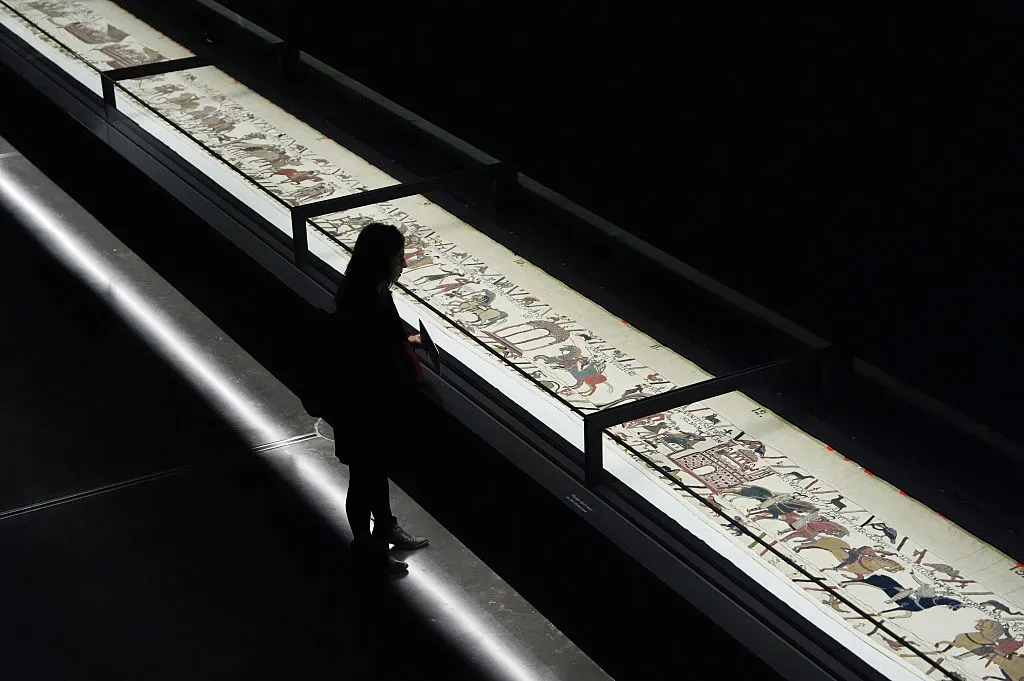
Bayeux Tapestry Display to Change Upon Return to Normandy Next Year
When the Bayeux Tapestry returns to Normandy next summer after its 10-month sojourn to London, the 11th-century textile will be re-presented in a new way that more closely resembles how it currently looks at the British Museum in London. Previously, reports Le Monde, the 770-pound, 220-foot-long embroidered cloth had been displayed vertically at the Bayeux Museum, which is closed for renovations and scheduled to reopen in October 2027. At the British Museum, however, it has been displayed flat, in a darkened exhibition hall. When it goes back on view in Normandy, it will be reinstalled on a slanted table.
0 comments
No comments yet. Be the first to share your thoughts!