Cold water changes your cells, and science says it only takes one week - Futura, le média qui explore le monde
This story deserves to be shared
Send it to someone who'd care, or post it on your networks.
This article is an excerpt. To read the full content, visit the original source. Futura, le média qui explore le monde
Related articles
AI Robot Security Blocks Hidden Trigger Attacks - Open Source For You

A massive asteroid slammed into the North Sea and unleashed a 330-foot tsunami - Science Daily
A massive asteroid slammed into the North Sea roughly 43 to 46 million years ago, triggering a tsunami more than 100 meters (330 feet) high. Now, after more than two decades of scientific disagreement, researchers have uncovered compelling evidence confirming the ancient collision. The impact created what is now known as the Silverpit Crater, a massive structure buried deep beneath the seafloor. Although scientists first discovered it in 2002, its origins remained fiercely debated, with some researchers arguing that geological processes, rather than an object from space, were responsible.
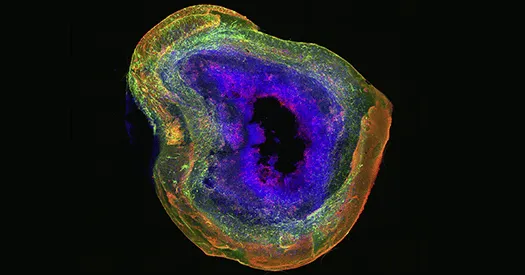
Human brain organoids come of age—but still have room to grow - The Transmitter
As the U. S. and Europe increasingly shift away from animal research, organoids have been touted as a promising alternative method for studying the brain. The field has made significant progress since human brain organoids debuted in 2013. Researchers can now coax these clusters, fashioned from stem cells, to integrate a variety of cell types, including microglia, astrocytes and interneurons. They can even fuse brain-region-specific organoids into structures called assembloids that closely resemble circuits within the brain.
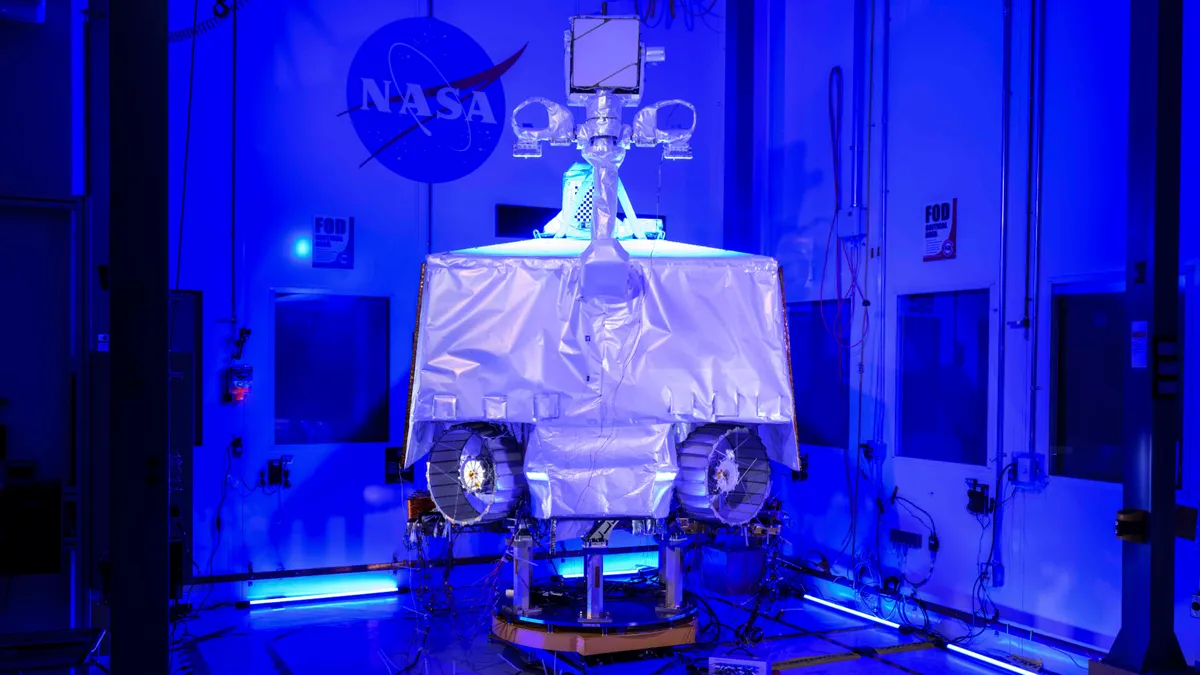
NASA advances lunar rover development for future Moon Base - chinadailyhk
This photo, provided by NASA, shows the Volatiles Investigating Polar Exploration Rover at the Johnson Space Center in Houston, US, on July 7, 2024. (PHOTO/HANDOUT VIA AP)LOS ANGELES – NASA on Tuesday provided an update on the development of crewed and robotic lunar rovers to support its planned Moon Base initiative, highlighting efforts to develop the surface mobility capabilities needed for future exploration and sustained human operations on the Moon. NASA's Volatiles Investigating Polar Exploration Rover is scheduled to embark on a mission to the lunar South Pole region in 2027 to explore permanently shadowed craters in search of water and other potentially valuable resources that could support sustainable lunar exploration. READ MORE: Blue Origin gets NASA contract to develop Mars telecommunications networkThe rover will be delivered to the lunar surface by Blue Origin's Blue Moon Mark 1 lander and is expected to travel more than 30 kilometers, collecting data on local temperatures, lighting conditions and terrain.
0 comments
No comments yet. Be the first to share your thoughts!