Circulating extracellular microRNAs as tissue-specific biomarkers of human health and disease - Nature
This story deserves to be shared
Send it to someone who'd care, or post it on your networks.
This article is an excerpt. To read the full content, visit the original source. Nature
Related articles

Subjective Cognitive Decline Linked to Dementia Biomarkers - EMJ
SUBJECTIVE COGNITIVE DECLINE was associated with a high burden of modifiable dementia risk factors, according to new real-world data from a Brain Health Service cohort. Researchers analysed baseline data from 186 consecutive individuals attending a Brain Health Service, including 132 individuals with subjective cognitive decline.
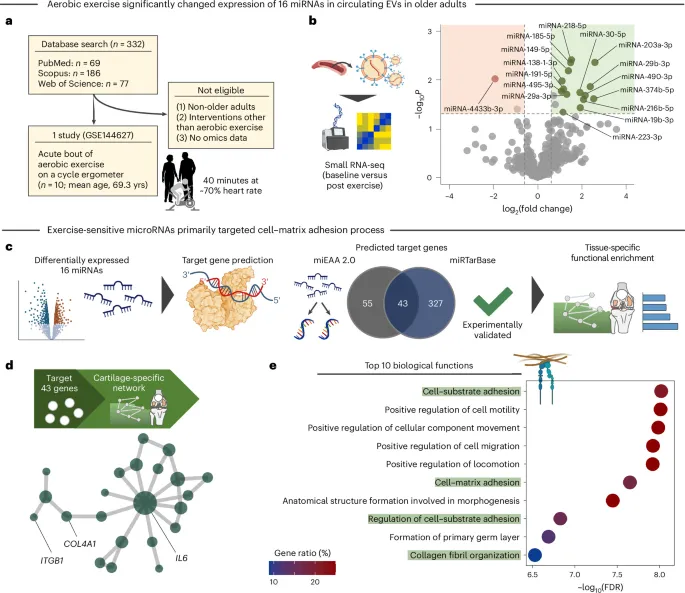
Exercise enhances aged chondrocyte health through microRNA-29-enriched extracellular vesicles - Nature
Denham, J. & Spencer, S. J. Emerging roles of extracellular vesicles in the intercellular communication for exercise-induced adaptations. Am. J. Physiol. Endocrinol. Metab. 319, E320–E329 (2020). Article Zaborowski, M. P., Balaj, L., Breakefield, X. O. & Lai, C. P. Extracellular vesicles: composition, biological relevance, and methods of study. Bioscience 65, 783–797 (2015). Article
Fall sniffles and coughs signify cold viruses are circulating again, health experts say - CBC
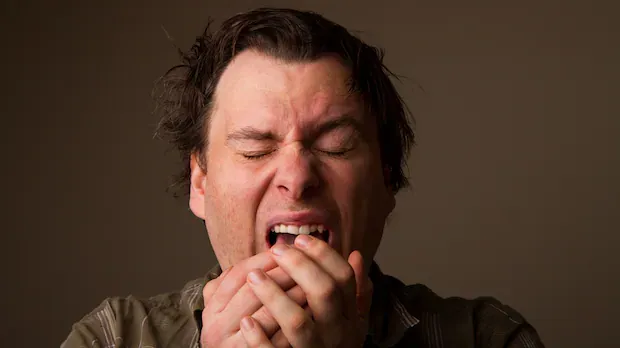
Kitchener-WaterlooFall is here and with it, the spread of cold viruses as more people spend time indoors and in close proximity to each other at work and school. Dr. Peter Lin and Dr. Nicola Mercer share tips on how to stay healthy. Fall means the start of the 'virus exchange program,' Dr. Peter Lin saysFiona Day · CBC News · Posted: Sep 27, 2026 6:00 AM EDT | Last Updated: September 27Listen to this articleEstimated 4 minutesThe audio version of this article is generated by AI-based technology. Mispronunciations can occur. We are working with our partners to continually review and improve the results. Fall cold season is underway. Two doctors offer tips on how to stay healthy and avoid spreading germs. (txking/Shutterstock)Parents may be noticing some sniffles and coughs now that their children have been back in school for three weeks. "This is the calm before the storm," Dr. Peter Lin, medical columnist for CBC Radio, told CBC Kitchener-Waterloo's Craig Norris on The Morning Edition. "The kids start mingling at school and the virus exchange program has now begun.
Ginseng derived extracellular vesicles attenuate adipocyte hypertrophy and modulate gut microbiota and cholecystokinin responsiveness in high fat diet fed mice - Nature
We’re sharing this article early to provide faster access to peer-reviewed, accepted research. It is citable and carries a permanent DOI. This version is subject to further edits and will be replaced automatically by the final Version of Record. All legal disclaimers apply. AbstractDiet-induced obesity is associated with impaired satiety signaling and alterations in intestinal microbial communities. Plant-derived extracellular vesicles have recently emerged as bioactive dietary vesicles capable of influencing host physiology. However, the in vivo metabolic effects of Panax ginseng–derived extracellular vesicles (GDE) remain incompletely characterized. Male C57BL/6 mice were fed a low-fat diet, high-fat diet (HF), or HF supplemented with orally administered GDE (3 × 10⁹ particles, 3 times/week) for 9 weeks. Relative epididymal fat pad weight, adipose tissue histology, cholecystokinin (CCK)-mediated satiety responsiveness, gut microbiota composition, and selected intestinal inflammatory markers were evaluated. GDE administration reduced adipocyte diameter and normalized epididymal leptin mRNA expression in HF-fed mice despite comparable energy intake between HF and HF/GDE groups.
0 comments
No comments yet. Be the first to share your thoughts!