Fall sniffles and coughs signify cold viruses are circulating again, health experts say - CBC
This story deserves to be shared
Send it to someone who'd care, or post it on your networks.
This article is an excerpt. To read the full content, visit the original source. CBC
Related articles

Neither sneezing nor sniffles: how Alfie and Bailey could end allergies - Futura, le média qui explore le monde
The Futura Team represents the pulse of Futura’s editorial department, bringing together a collective expertise dedicated to the dissemination of scientific knowledge. Rather than the work of a single author, every article published under this signature is the result of a rigorous collaborative process involving journalists, editors, and fact-checkers. Specializing in news analysis via desk research and international wire services, the team focuses on transforming raw information into accessible, verified content. This curation and synthesis process ensures constant monitoring of technological innovations and major scientific breakthroughs. By cross-referencing sources and conducting multiple rounds of peer review, the Futura Team guarantees scientific accuracy and pedagogical clarity. This collective signature serves as a hallmark of trust, providing reactive, cross-disciplinary information at the forefront of current events You know the routine: a cute dog comes into the room, and within minutes, you’re sneezing, your eyes itch, your nose clogs up, maybe even an asthma attack sets in. But contrary to popular belief, it’s not the fur that’s out to get you.

Newly discovered viruses reveal an evolutionary missing link - Phys.org
Biophysical model of the origin and evolution of HK97-fold compartments. Researchers at the University of Miami have identified a group of previously unknown viruses that bridge an evolutionary gap between viruses and cellular protein compartments, a discovery with implications for both biotechnology and scientists' understanding of the origins of life. The findings, published in Nature Communications, challenge the theory that these cellular compartments, called encapsulins, simply evolved from viruses. Instead, the researchers found evidence that viruses and encapsulins evolved from one another repeatedly over millions of years.
Breast milk antibodies show promise against multiple respiratory viruses - News-Medical
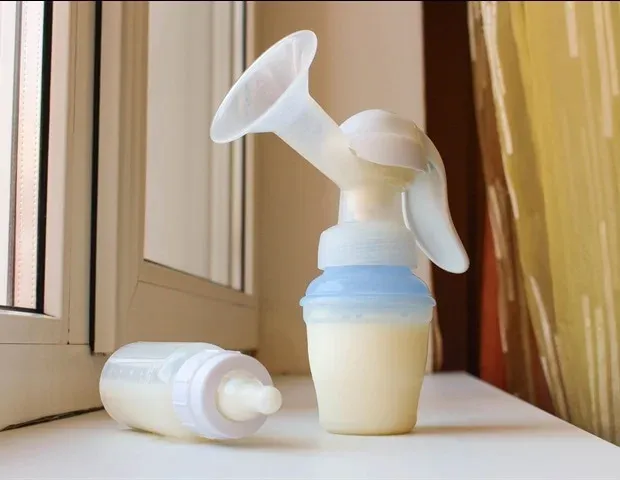
Yona Tugg and colleagues show that a polyclonal secretory immunoglobulin A preparation, purified from breast milk pooled from multiple donors, neutralized respiratory syncytial virus (RSV), human adenovirus type 5, and H1N1 and H3N2 influenza A viruses in laboratory assays. In mouse models of H1N1 influenza infection, two intranasal doses of LCTG-001, given two hours before and 24 hours after infection, reduced illness and lung damage in both immunocompetent and antibody-deficient mice. In immunocompetent mice, lung viral loads were lower early in infection but comparable to controls later, despite less lung damage and better lung barrier integrity.
Research Uncovers how Bacteria Fight Viruses - University of Utah Health
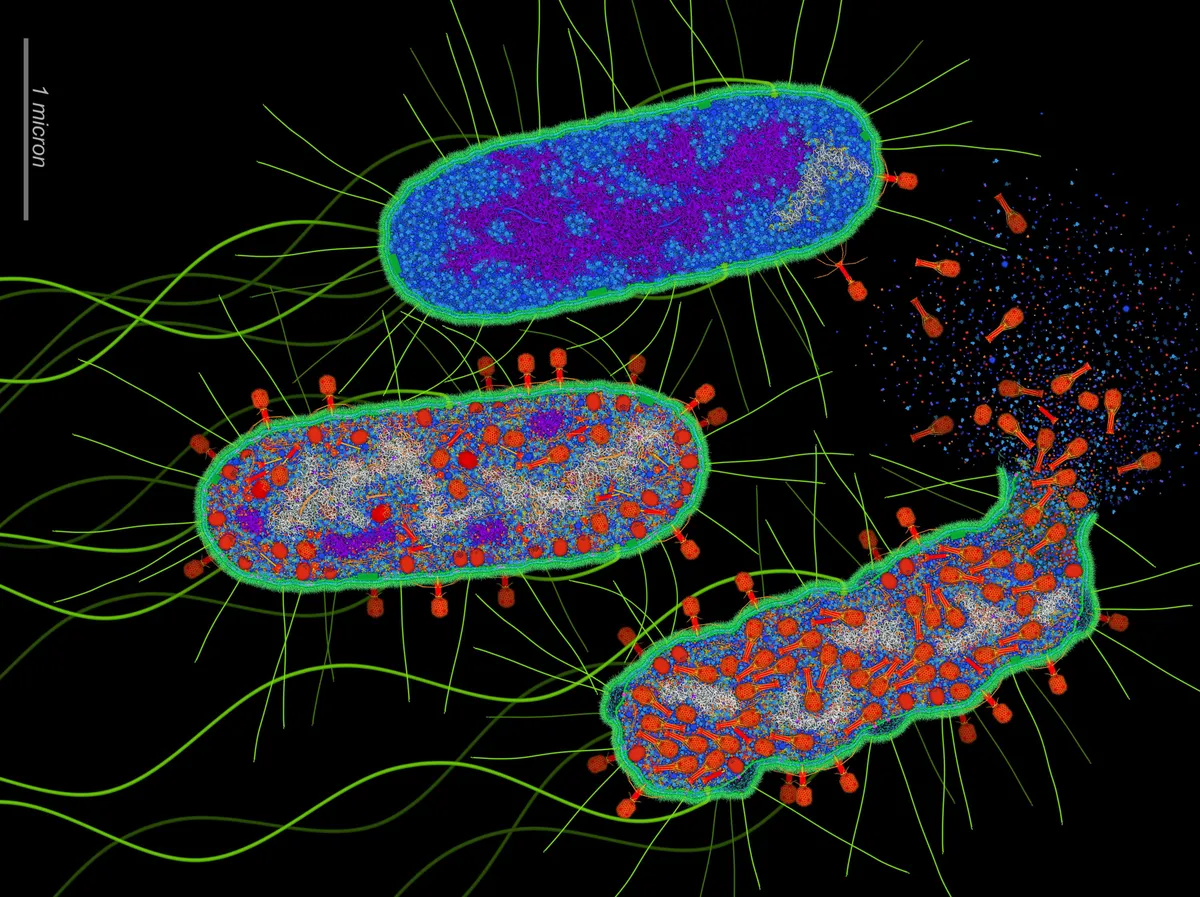
Viruses that attack and kill bacteria—called phages—are an important evolving therapy to fight dangerous infections. Research found an important bacterial defense against phages.

Bioengineer.org | Viral blips during HIV therapy are common and rarely signal treatment failure, Swedish study finds - European AIDS Treatment Group
Bioengineer.org news storyFor people living with HIV, modern antiretroviral therapy can suppress the virus to levels below what standard laboratory tests can detect. Yet some patients on long-term treatment experience a curious phenomenon: a single test result showing a small, transient amount of virus in the blood, followed by an immediate return to undetectable levels. These events, known as viral blips, have puzzled clinicians and researchers for years, raising questions about whether they represent harmless statistical noise, brief bursts of viral production from hidden reservoirs, or early warnings of impending treatment failure. A new nationwide Swedish study, published in BMC Infectious Diseases, offers one of the most comprehensive answers to date. Drawing on the Swedish national InfCareHIV cohort, researchers analyzed data from 4,210 treatment-naïve adults who began antiretroviral therapy from 1 January 2007 onward, with follow-up data extracted through 30 September 2020. The median observation time was 5.5 years, with some individuals followed for as long as 13.7 years.
0 comments
No comments yet. Be the first to share your thoughts!