Carbon Nanotubes Demonstrate Antibacterial Activity - European Medical Journal
This story deserves to be shared
Send it to someone who'd care, or post it on your networks.

CARBON nanotubes synthesised using ferrocene have demonstrated antibacterial activity against Escherichia coli in laboratory experiments, suggesting potential applications for nanomaterials in antimicrobial research.
Researchers found that multi-walled carbon nanotubes (MWCNTs) inhibited bacterial growth in a concentration-dependent manner, with both minimum inhibitory and bactericidal concentrations of 256 µg/mL. The findings highlight the antibacterial properties of the experimental preparation, although further research is needed to determine the mechanisms responsible and whether these effects could translate into practical applications.
This article is an excerpt. To read the full content, visit the original source. European Medical Journal
Related articles
Levitated nanoparticle detects single-atom collisions - Physics World
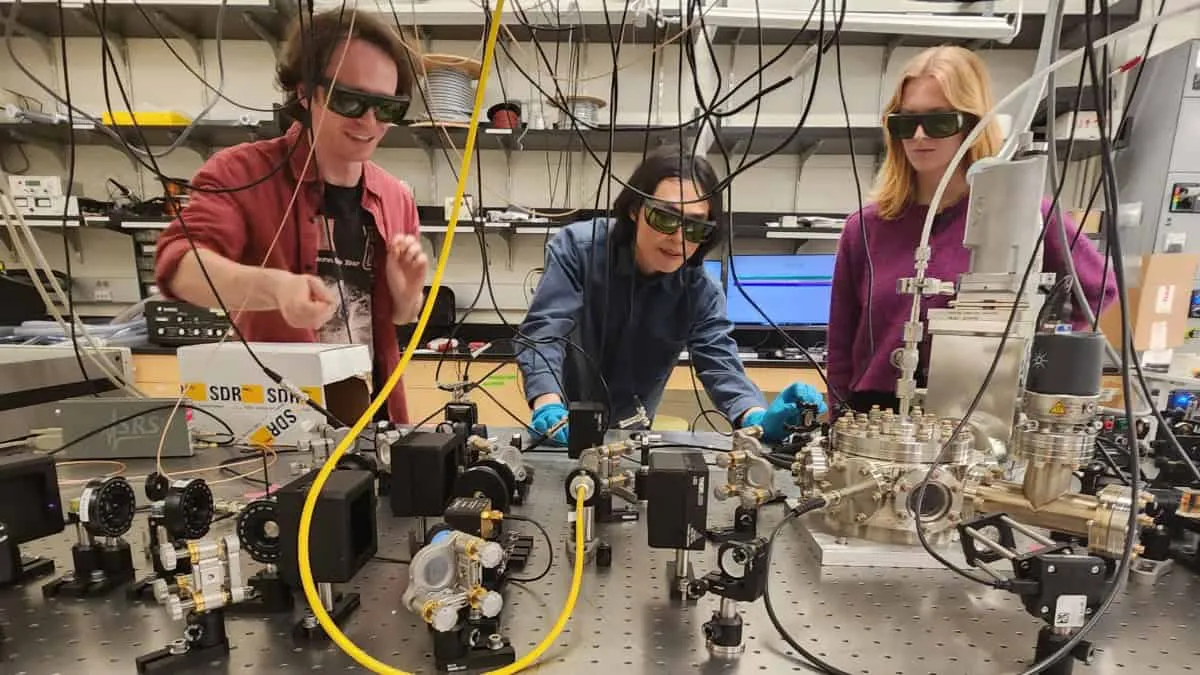
The experiment Thomas Penny, Yu-Han Tseng and Cecily Lowe observe nanoparticle collisions at Yale University. (Courtesy: Yale Wright Lab) A silica nanoparticle levitated in an optical trap could be used as a tiny pressure sensor that detects collisions with individual atoms and molecules – according to researchers in the US. Their proof-of-principle demonstration originated in the team’s work in developing novel neutrino and dark-matter detectors. It could lead to the development of a background pressure sensor to work alongside other optomechanical sensors.
The Sky Today on Friday, October 23: Nab Neptune near the Moon - Astronomy Magazine
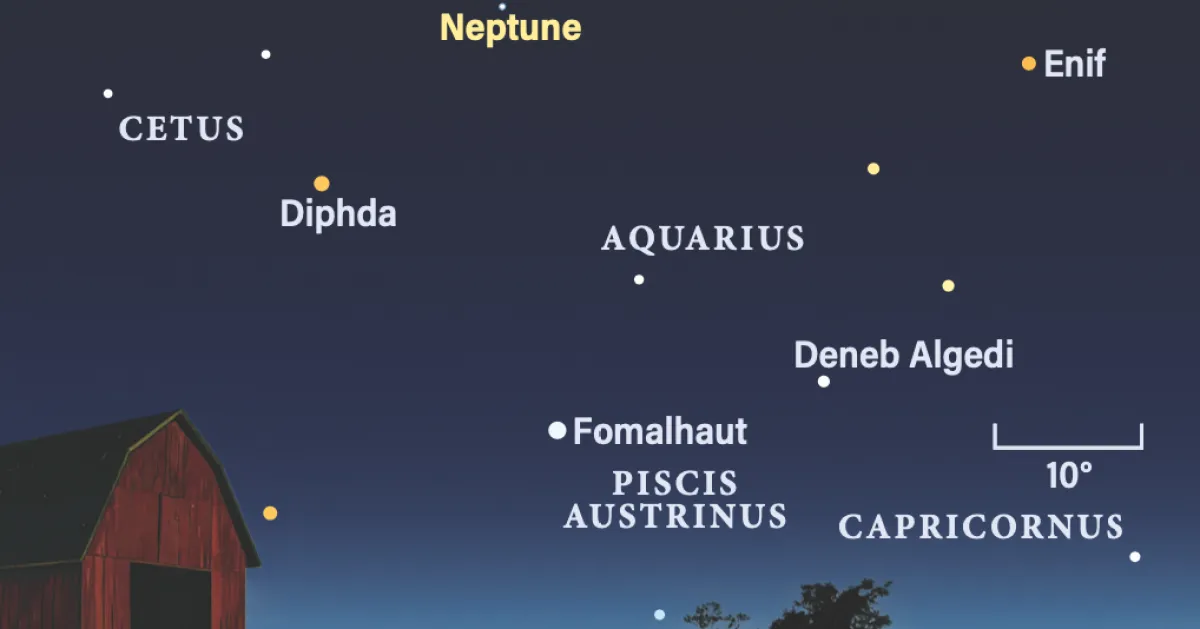
The solar system’s most distant planet shares the sky with the nearly Full Moon this evening, with Saturn standing nearby. Late in the month, the Moon forms a triangle with Saturn and Neptune — note the latter requires binoculars or a telescope to spot. Credit: Astronomy: Roen Kelly
A mineral from the inside of planets reveals a surprising lesson: How you push matters - Phys.org
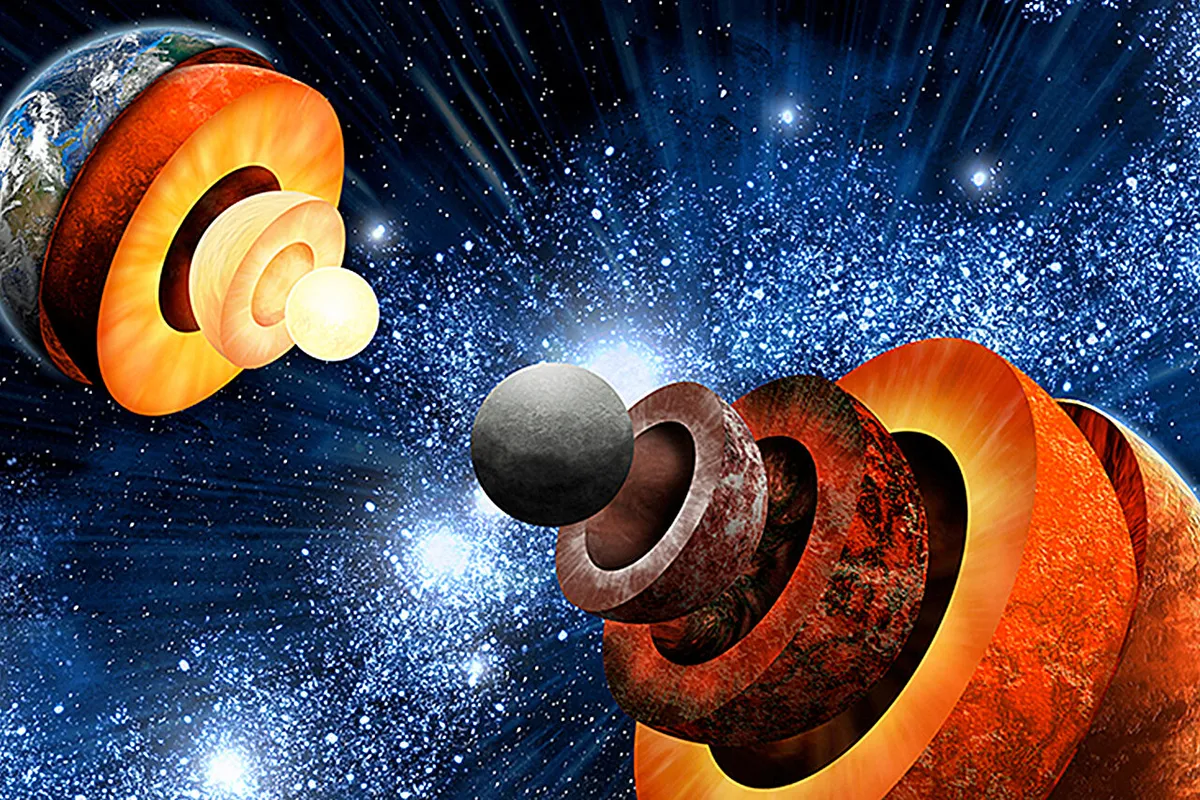
An artistic rendering of the interior structure of Earth (left) compared to a large rocky exoplanet (right). Credit: John Jett and Federica Coppari/LLNL In the deepest region of the Earth's mantle, just above the core, much of the material consists of crystals of magnesium oxide. In larger rocky exoplanets called super-Earths, the higher pressures in the lower mantle may drive magnesium oxide to transform into a new high-pressure crystal structure or a metallic, electrically conductive liquid that generates a magnetic field. And in gas giants, magnesium oxide could exist in the cores themselves.
0 comments
No comments yet. Be the first to share your thoughts!