Plain silicon grating reveals a hidden “twist” in light from electron beams - Asia Research News |
This story deserves to be shared
Send it to someone who'd care, or post it on your networks.
This article is an excerpt. To read the full content, visit the original source. Asia Research News |
Related articles

Photonic Grating Chip Reduces Strontium Frequency Uncertainty Over Fifty Times - AZoM
The Korea Research Institute of Standards and Science (KRISS, President Dr. Ho Seong Lee) has re-measured a key transition frequency of the strontium (Sr) atom for the first time in 88 years since 1938, using a photonic grating chip, and has established a new absolute frequency value with a measurement uncertainty reduced by more than 50 times. By securing an accurate reference value needed for next-generation quantum technologies ahead of time, this achievement is expected to greatly contribute to the precise control and miniaturization of quantum devices, including atomic clocks and neutral-atom quantum computers. Strontium is an atom widely used in precision quantum technologies such as optical lattice clocks and quantum sensors. To use strontium in these technologies, fast-moving atoms must be slowed down and trapped with precisely tuned lasers, and for this, it is essential to know exactly the resonant frequency of the laser light for the atomic transition.

Carbon Nanotubes Demonstrate Antibacterial Activity - European Medical Journal
CARBON nanotubes synthesised using ferrocene have demonstrated antibacterial activity against Escherichia coli in laboratory experiments, suggesting potential applications for nanomaterials in antimicrobial research. Researchers found that multi-walled carbon nanotubes (MWCNTs) inhibited bacterial growth in a concentration-dependent manner, with both minimum inhibitory and bactericidal concentrations of 256 µg/mL. The findings highlight the antibacterial properties of the experimental preparation, although further research is needed to determine the mechanisms responsible and whether these effects could translate into practical applications.
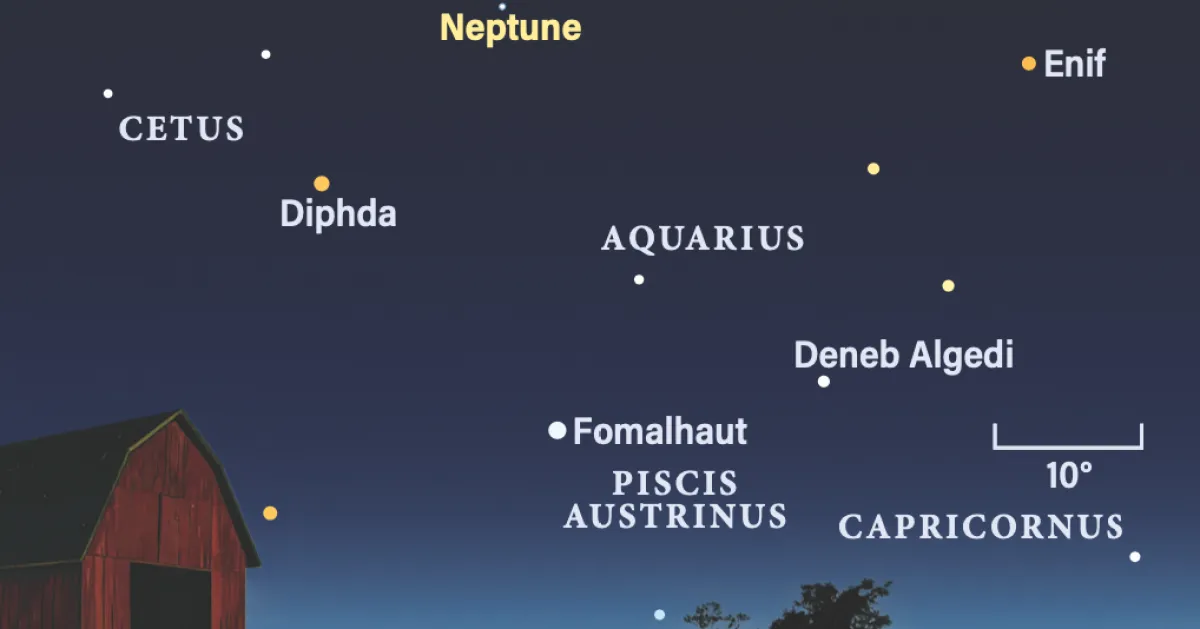
The Sky Today on Friday, October 23: Nab Neptune near the Moon - Astronomy Magazine
The solar system’s most distant planet shares the sky with the nearly Full Moon this evening, with Saturn standing nearby. Late in the month, the Moon forms a triangle with Saturn and Neptune — note the latter requires binoculars or a telescope to spot. Credit: Astronomy: Roen Kelly
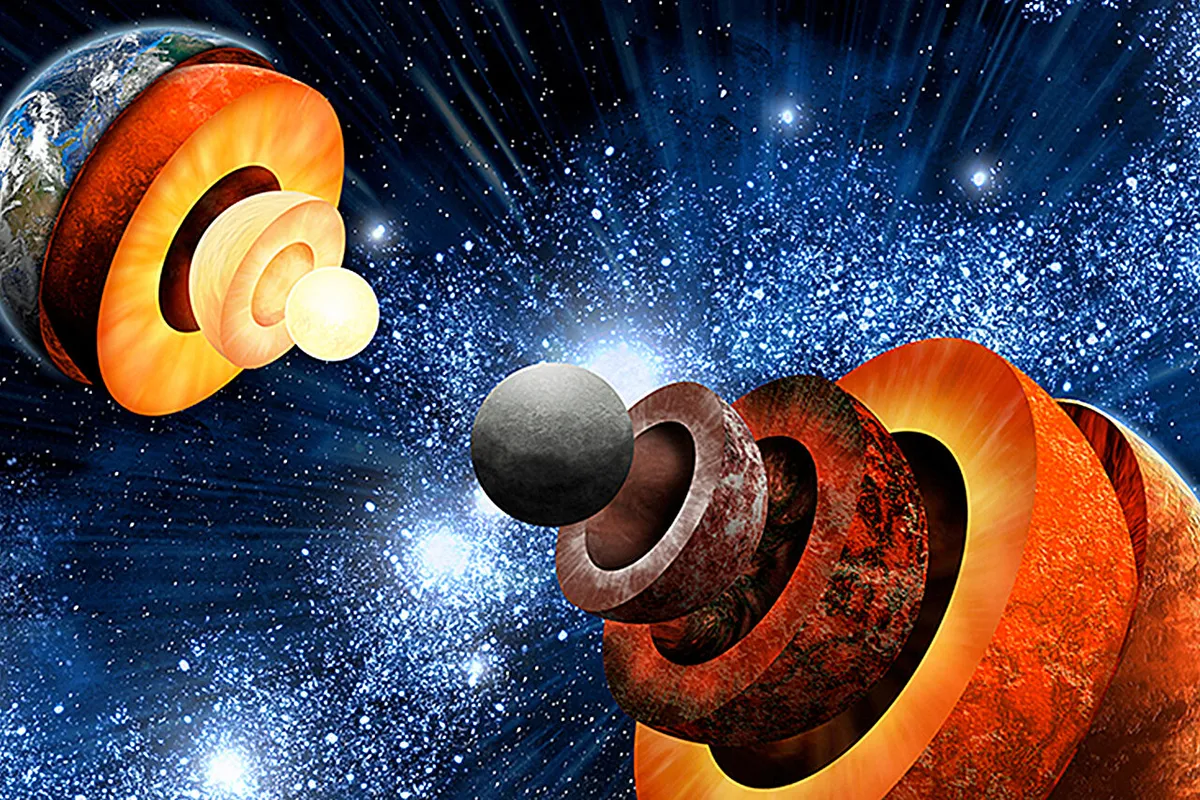
A mineral from the inside of planets reveals a surprising lesson: How you push matters - Phys.org
An artistic rendering of the interior structure of Earth (left) compared to a large rocky exoplanet (right). Credit: John Jett and Federica Coppari/LLNL In the deepest region of the Earth's mantle, just above the core, much of the material consists of crystals of magnesium oxide. In larger rocky exoplanets called super-Earths, the higher pressures in the lower mantle may drive magnesium oxide to transform into a new high-pressure crystal structure or a metallic, electrically conductive liquid that generates a magnetic field. And in gas giants, magnesium oxide could exist in the cores themselves.
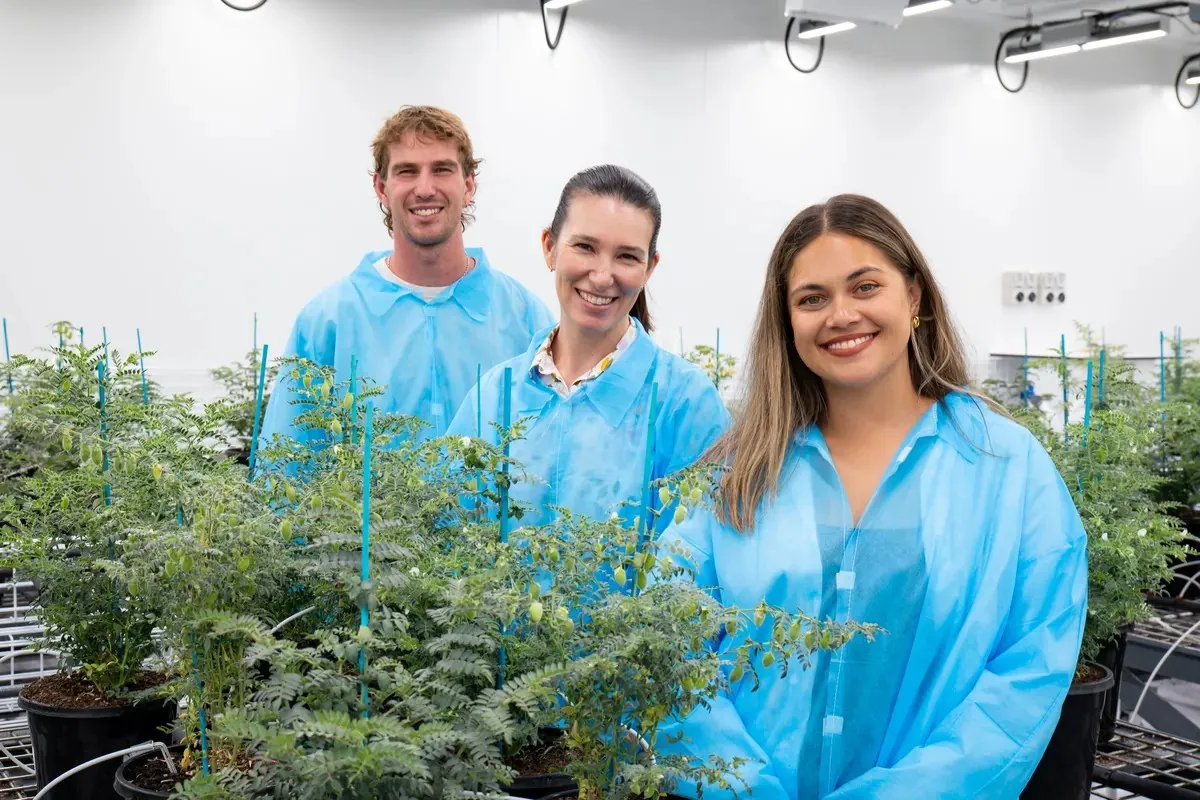
Climate-resilient chickpeas: Omics breeding targets yield and supply stability - Food Ingredients First
Project lead Dr. Millicent Smith (center) with co-authors Dr. Shanice Van Haeften (right) and Callum Jamie (left) at the UQ Plant Futures Facility (Image credit: Megan Pope, UQ). Scientists in Australia are mapping a staged “omics” approach to accelerate breeding for heat-adapted chickpeas as rising temperatures threaten flowering, grain filling, and yields. The team aims to provide a practical pathway to accelerate the development of heat-adapted chickpea varieties and strengthen food security in vulnerable regions. The authors note that the average global temperature is projected to increase by 1.8 to 4.0°C by 2100, exacerbating heat stress risk in major chickpea-producing regions, such as India, Pakistan, and Ethiopia, where grain legumes are a key dietary component. Such heat stress during reproductive development is highlighted as a critical constraint to chickpea productivity in the review. It can cause flower and pod loss and reduced pollen viability. Project leader Dr.
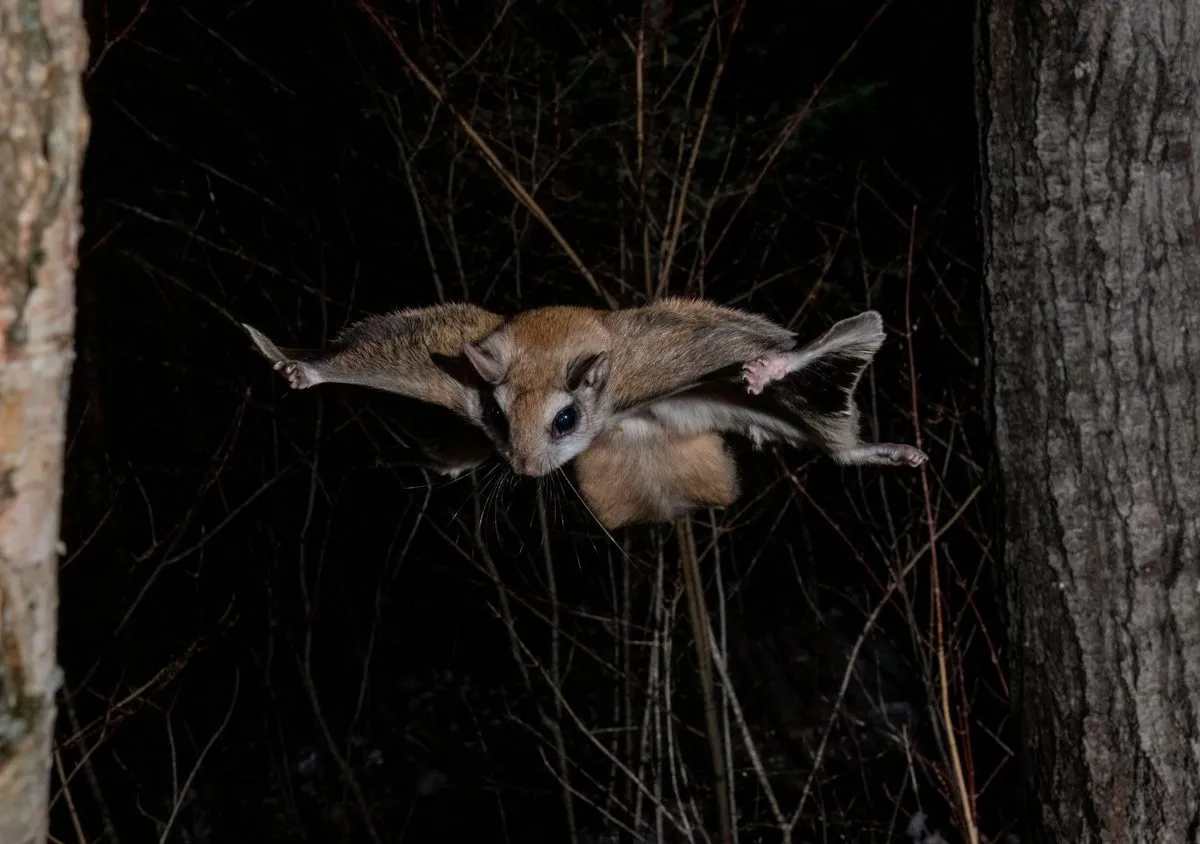
“They look comic, as if they’re kind of wobbling, and then they crash into the side of the next trunk” - BBC Wildlife Magazine
One of Britain’s most-loved writers, Simon Barnes, has revealed the inspiration behind his new book on flight – and it involves flying squirrels crashing into trees. Simon has been obsessed by flight for as long as he can remember, and in his book How to Fly: Taking Wing With Birds, Bats, Insects and Humans (Bloomsbury) he explores the wonders of flight and the way different species have evolved distinct solutions to the problem of defying gravity.
0 comments
No comments yet. Be the first to share your thoughts!