Caffeine in Your Blood Might Affect Body Fat And Diabetes Risk, Study Says - ScienceAlert
This story deserves to be shared
Send it to someone who'd care, or post it on your networks.
This article is an excerpt. To read the full content, visit the original source. ScienceAlert
Related articles
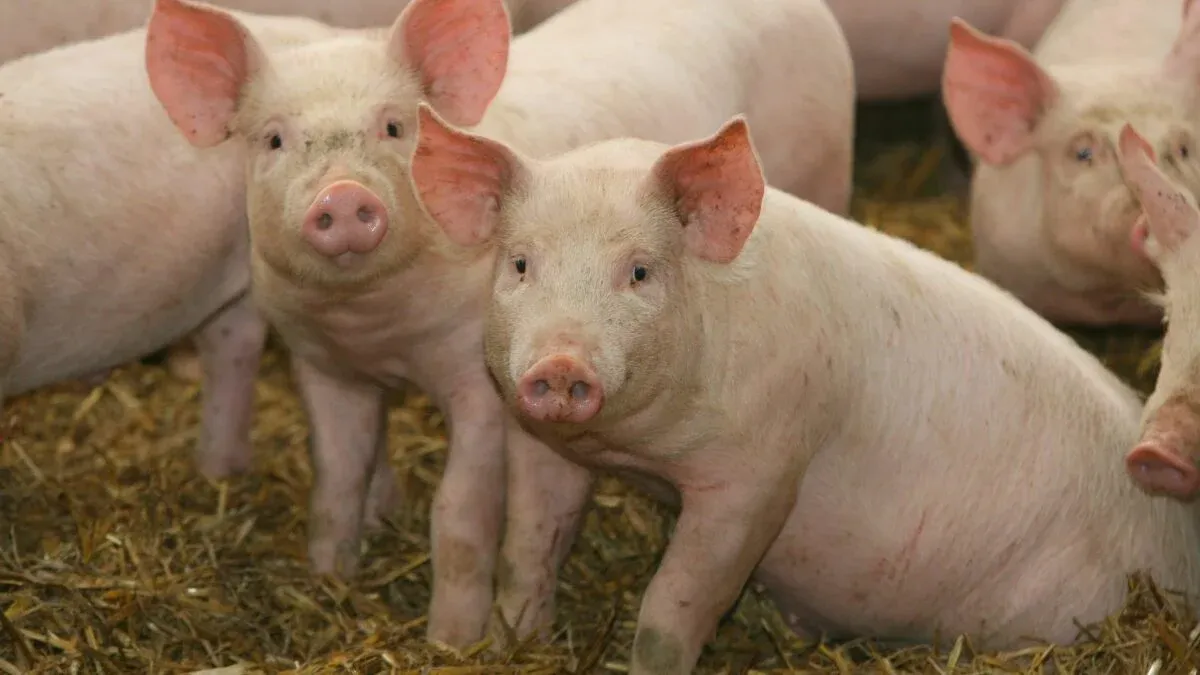
Scientists Just Revived Pig Kidneys Frozen for a Year. It Could Rewrite the Future of Organ Transplants - Gizmodo
Much like sushi or political humor, badly needed donor organs tend to have a pretty short shelf life. By current estimates, vital organs like a heart or a lung need to be transplanted into their waiting human recipient within six hours or less, while the most hardy of these organs, the kidney, can only remain viable for up to 36 hours before surgery. These unforgiving expirations dates have helped keep over 100,000 Americans (and counting) stuck on the waiting list for a new organ—but surgeons and medical researchers at the University of Minnesota have just reported a breakthrough that might finally get this line moving. A university team, co-led by transplant surgeon Erik Finger, says it has effectively kept pig kidneys in cold storage for months, and in one case over a year, managing to gently thaw, test, and successfully transplant these warmed-over organs into test pig recipients. The research, published as a pre-print with bioRxiv while it awaits peer review, confirmed that the once-frozen organs had both regained their color and helped the test pigs produce urine: critical signs that restored blood flow and organ function had been achieved.

Scientists Thought a Comet Triggered an Ancient Ice Age. Then, the Study Was Retracted - ZME Science
In August 2025, researchers reported finding traces of a comet that may have exploded over Earth roughly 12,800 years ago, possibly triggering a prolonged cold spell known as the Younger Dryas. The discovery, made in sediments from Baffin Bay near Greenland, appeared to offer new support for one of archaeology and climate science’s most controversial theories. The journal PLOS One retracted the study, citing serious problems with the dating of sediments, the identification of supposed cosmic material, and the reliability of the research.
Researchers in Australia develop method to target gene fusions in cancer - Xinhua
MELBOURNE, Oct. 19 (Xinhua) -- Researchers in Australia have developed a way to precisely target the "unique molecular fingerprint" created when two genes become abnormally fused together, potentially paving the way for more personalized cancer treatments. Researchers from Australia's Peter MacCallum Cancer Center and collaborating institutions described the method in Science Advances, aiming to develop programmable cancer medicines tailored to individual tumors' genetic abnormalities, according to a statement released recently by Peter Mac. The new strategy can precisely target and silence gene fusions, stopping their cancer-driving effects and potentially offering a new, highly personalized approach to treating a wide range of fusion-driven cancers, according to the study. ■
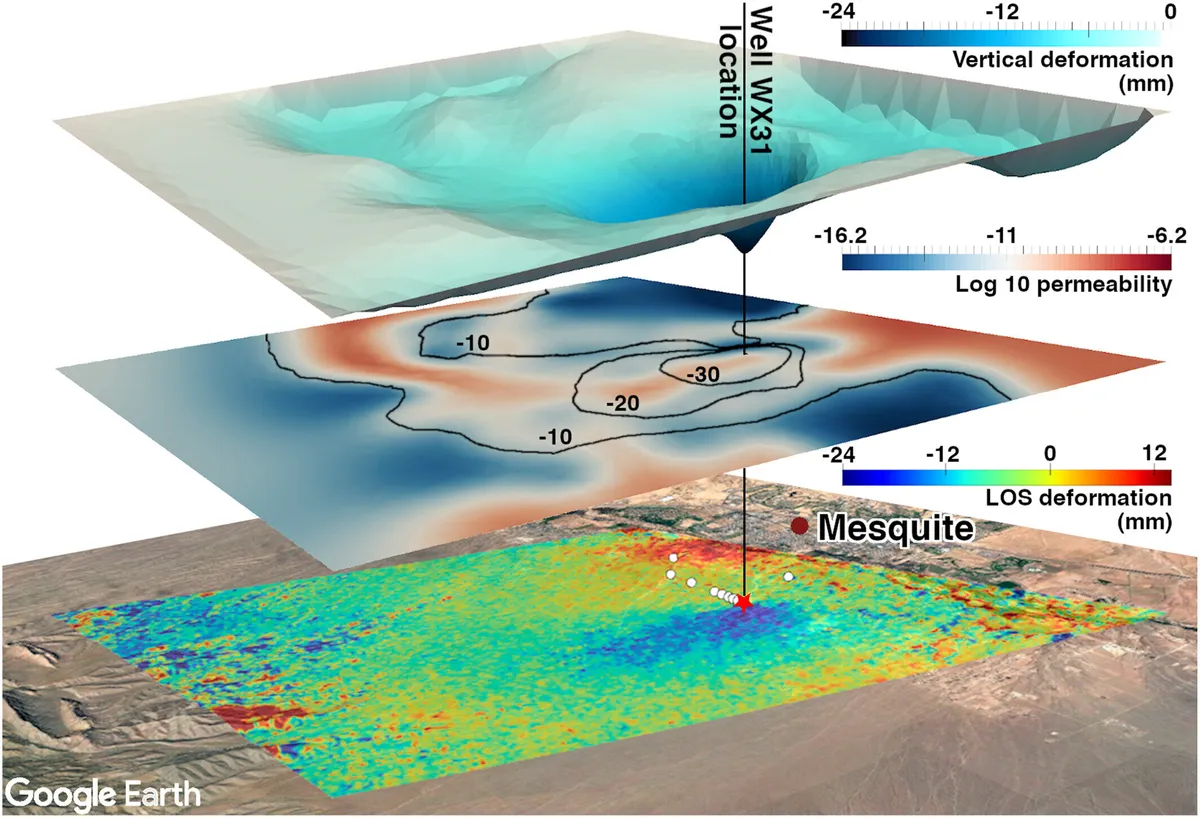
Researchers advance aquifer mapping using remote sensing and statistical models to improve groundwater management - Phys.org
A conceptual figure from the study showing how researchers used InSAR deformation data to create a permeability map of the aquifer after about six months of groundwater pumping. The bottom layer is InSAR deformation data from remote sensing satellites laid over Google Earth images of the aquifer site. The middle layer is the inferred permeability map created using the Bayesian inversion framework. The top layer shows a view of vertical deformation experienced in the aquifer based on the permeability map, with peaks exaggerated to highlight changes. Credit: Alghamdi et al Groundwater in many areas of the U. S. and across the globe is being depleted as pumping for drinking water and agriculture outpaces nature's ability to refill aquifers. In the most severe cases, this could lead to a point of no return, where an aquifer's physical structure collapses and it cannot be refilled.
0 comments
No comments yet. Be the first to share your thoughts!