Bridging the Climate Science/Action Gap Via Agency - Sciences Po
This story deserves to be shared
Send it to someone who'd care, or post it on your networks.
This article is an excerpt. To read the full content, visit the original source. Sciences Po
Related articles

The Largest Canyon in the Solar System is Still Tectonically Active - Universe Today
For many decades, scientists assumed that Mars was geologically inactive. While its surface is covered in features that attest to its volcanic past, all evidence seemed to indicate that Mars was geologically dead. This is consistent with the fact that Mars' crust has no tectonic plates and instead consists of a single plate, making it a "Stagnant Lid" planet. However, with the arrival of NASA's InSight (Interior Exploration using Seismic Investigations, Geodesy and Heat Transport) lander, indications that the planet was still "alive" began to accumulate. Beyond "marsquakes" caused by impactors, InSight detected evidence of tectonic activity from within. In a recent study, scientists at Imperial College London and Columbia University presented seismic evidence that a marsquake originated beneath Valles Marineris. According to InSight's data, the event (S0976a) was caused by rocks slipping along fault lines deep within the crust. These findings suggest that faults formed billions of years ago, when Mars was much more active, are unstable enough to rupture under stress.
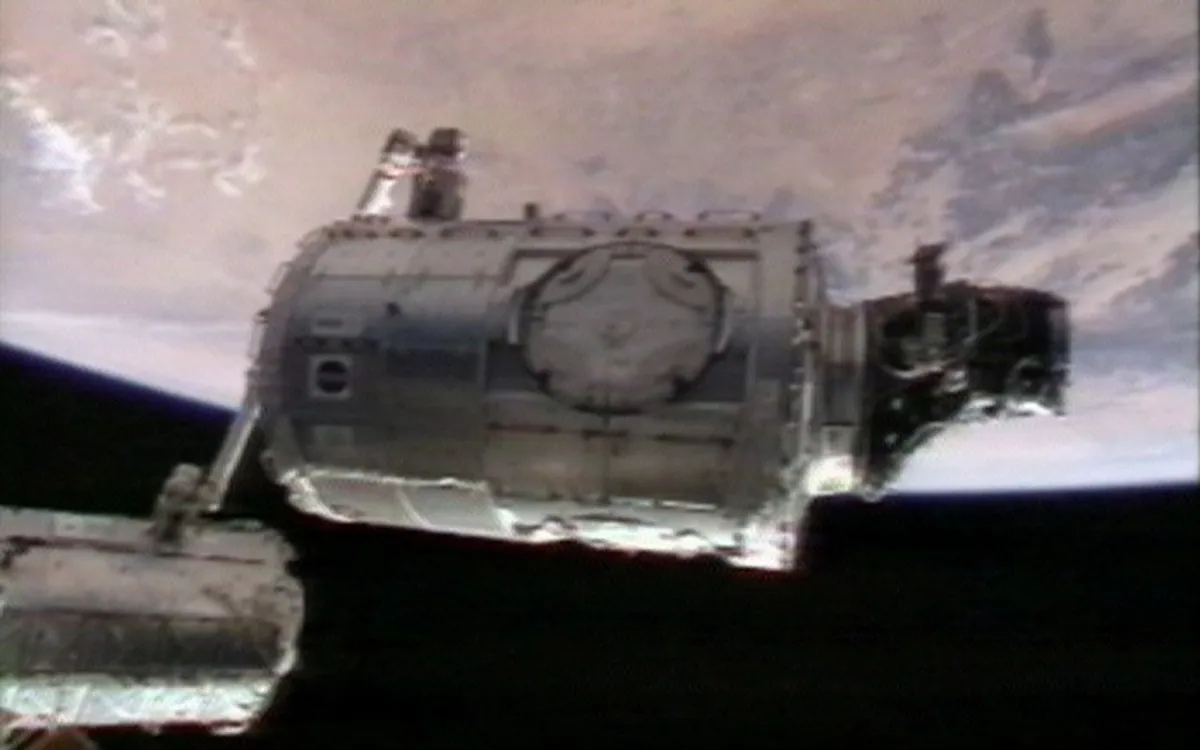
On this day in space! Oct. 23, 2007: NASA launches Harmony module to ISS on STS-120 space shuttle mission - Space
Once Harmony was installed, the space station grew into something more like a five-bedroom house.
NASA's Freeze-Resistant Moon Battery Could Eventually Reach EVs - Crude Oil Prices Today | OilPrice.com
Haley Zaremba is an energy journalist and researcher with more than a decade of professional experience covering global energy systems, land and natural resources, and… Prototype solid-state cells from NASA's SPEARS project survived minus 274 degrees Fahrenheit without damage and ran, at reduced performance, down to minus 112 degrees.
Human oversight of erroneous clinical AI and decision support a systematic review and meta analysis - Nature
We’re sharing this article early to provide faster access to peer-reviewed, accepted research. It is citable and carries a permanent DOI. This version is subject to further edits and will be replaced automatically by the final Version of Record. All legal disclaimers apply. AbstractArtificial intelligence (AI) increasingly supports clinical decisions, but human oversight is protective only if clinicians recognize and resist erroneous output. We systematically reviewed controlled and real-world studies of clinician responses to incorrect automated advice. Forty-six reports represented 41 independent cohort clusters, including 40 core cohorts. Across three adjusted cohorts, clinician correctness was substantially higher with correct than incorrect automated advice (pooled OR 10.19, 95% CI 7.43–13.98; I² = 0%); a ≥ 2020 sensitivity analysis was similar but imprecise (OR 9.22, 95% CI 2.06–41.13). In four heterogeneous real-world computerized ECG studies, 26.6% of erroneous interpretations were not corrected or recognized (95% CI 6.4–65.6%; I² = 95.8%). Contemporary AI and large language model studies also documented harmful reliance but were too heterogeneous for pooling.
Webb Photographs a ‘Turbulent Cauldron of Star Formation’ - PetaPixel
The James Webb Space Telescope's (JWST) newest Picture of the Month shows what the European Space Agency (ESA) describes as a "turbulent cauldron of star formation." The star-forming region named LHA 120-N 159, also known as N159, is located 161,000 light-years away in the Large Magellanic Cloud (LMC). [ Read More ]
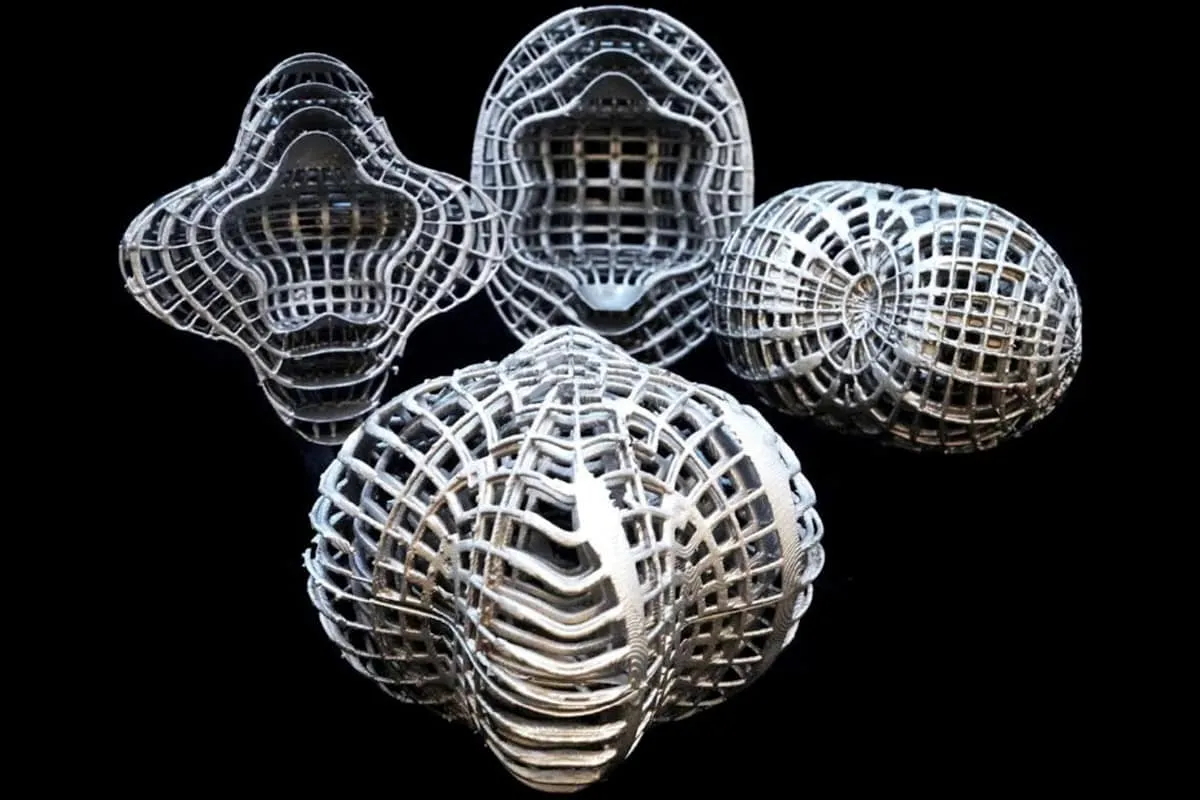
Scientists Built a 3D Cloak That Makes Objects Almost Invisible to Thermal Cameras - ZME Science
Engineers introduce a 3D-printed, hybrid aluminum-and-rubber cloaking device that blocks an object’s thermal signature by guiding heat around it, rendering it invisible to infrared cameras. Credit: University of Illinois Urbana-Champaign. An object doesn’t have to be visible to give away its location. Sometimes, the way it disrupts the flow of heat is enough to reveal that something is hiding there, much to the despair of camouflaged soldiers who have to endure thermal vision drones on the battlefield. Now, engineers have developed a device that can make that thermal signature almost disappear (although sadly it won’t work for infantry).
0 comments
No comments yet. Be the first to share your thoughts!