The Largest Canyon in the Solar System is Still Tectonically Active - Universe Today
This story deserves to be shared
Send it to someone who'd care, or post it on your networks.

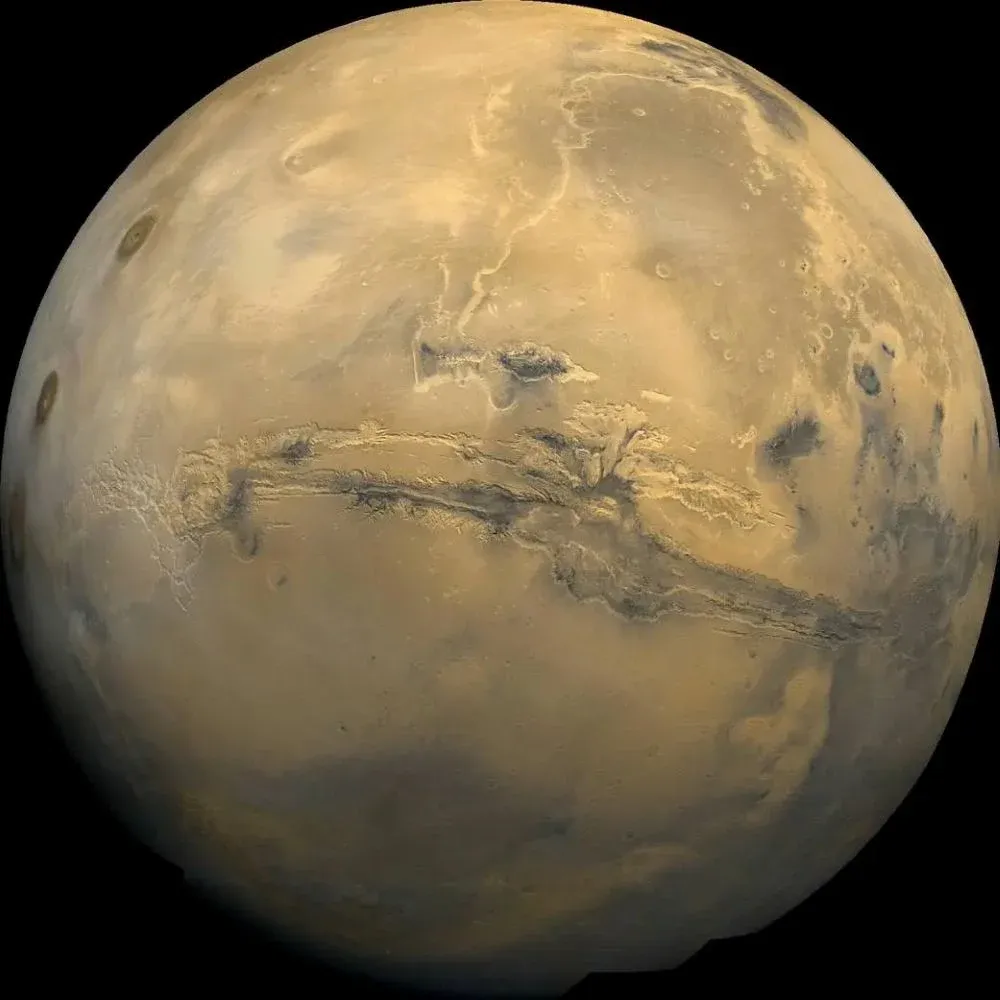
For many decades, scientists assumed that Mars was geologically inactive. While its surface is covered in features that attest to its volcanic past, all evidence seemed to indicate that Mars was geologically dead. This is consistent with the fact that Mars' crust has no tectonic plates and instead consists of a single plate, making it a "Stagnant Lid" planet. However, with the arrival of NASA's InSight (Interior Exploration using Seismic Investigations, Geodesy and Heat Transport) lander, indications that the planet was still "alive" began to accumulate.
Beyond "marsquakes" caused by impactors, InSight detected evidence of tectonic activity from within. In a recent study, scientists at Imperial College London and Columbia University presented seismic evidence that a marsquake originated beneath Valles Marineris. According to InSight's data, the event (S0976a) was caused by rocks slipping along fault lines deep within the crust. These findings suggest that faults formed billions of years ago, when Mars was much more active, are unstable enough to rupture under stress.
This article is an excerpt. To read the full content, visit the original source. Universe Today
Related articles
Mars’s Giant Canyon Still Tectonically Active, New Research Shows - Aviation Week
Data collected by NASA’s now-defunct Mars InSight lander shows that the largest canyon system in the Solar System remains tectonically active. New research shows that a “marsquake” began 12-15 mi. beneath Valles Marineris due to rocks slipping along a deep fault, scientists with Imperial College... Irene KlotzIrene Klotz is Senior Space Editor for Aviation Week, based in Cape Canaveral. Before joining Aviation Week in 2017, Irene spent 25 years as a wire service reporter covering human and robotic spaceflight, commercial space, astronomy, science and technology for Reuters and United Press International.
Giant canyon on Mars is still tectonically active today - Phys.org
Scientists at Columbia University and Imperial College London have found that the largest canyon system in the solar system is still active and shaping Mars today, billions of years after it first formed.
Giant Canyon on Mars Is Still Tectonically Active Today - Lamont-Doherty Earth Observatory
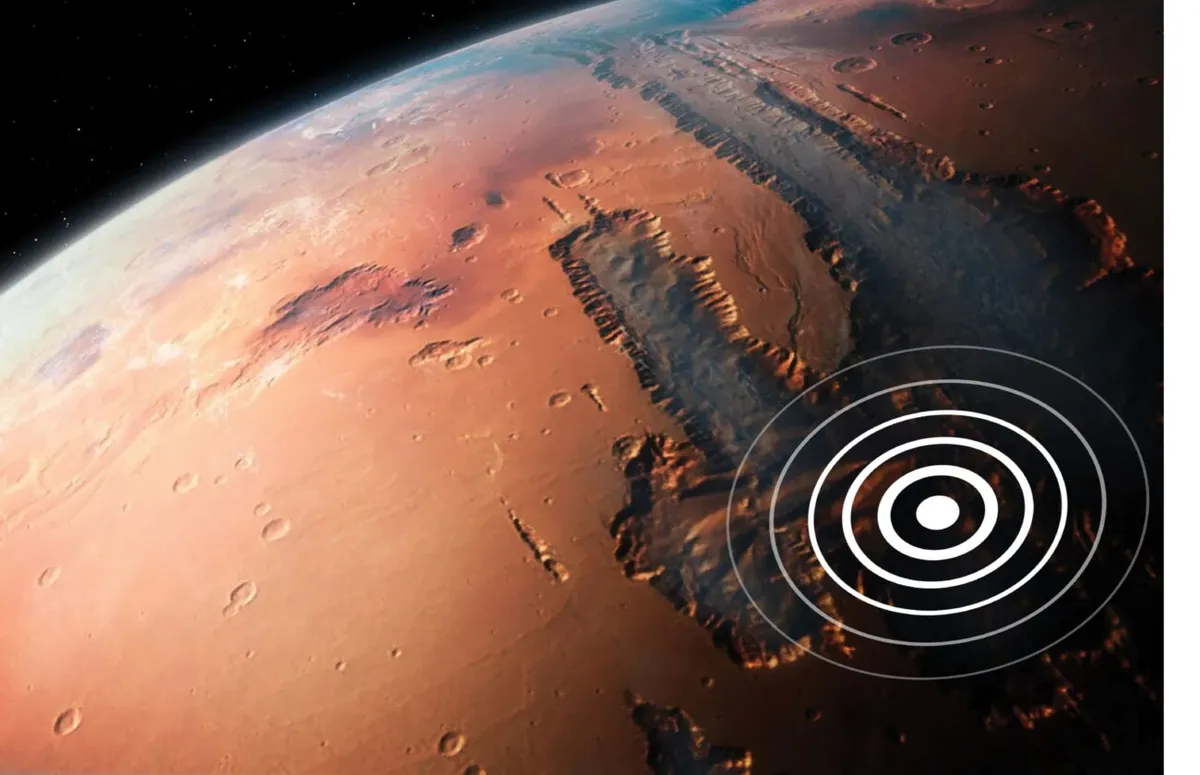
Giant Canyon on Mars Is Still Tectonically Active Today - Columbia University
The largest canyon system in the solar system is still tectonically active, billions of years after it formed. Seismic data show that a “marsquake” originated 20 to 40 kilometers beneath Valles Marineris as rocks slid sideways along a fault.

PHOTOS: Rare scientific artifacts on display at University of Calgary - Calgary Journal
Julia Margaret Cameron, photographic portrait of Charles Darwin, 1868. From the D. Hall Darwin-Wallace Collection. Rare books, documents, letters and images from famous evolutionary biologists are on display this fall at the U of C’s Nickle Galleries.
0 comments
No comments yet. Be the first to share your thoughts!