Aging and dementia research in Middle Eastern North African (MENA) populations: inclusion and diversity beyond political conflicts - Nature
This story deserves to be shared
Send it to someone who'd care, or post it on your networks.
The rise of dementia burden in the Middle East and North Africa (MENA) region poses challenges to the scientific community, as this heterogeneous region is marked by political instability and conflict. This commentary questions the exclusion of Israel from dementia research in the MENA region in previous research and proposes an inclusive approach guided by scientific rigor and available evidence, rather than political views. These efforts are critical to dismantle scientific bias and ensure socially responsible and comprehensive dementia research to advance diagnosis and treatment not only in MENA region but in diverse populations.
IntroductionThere is a recent scientific effort to draw attention to the rapid aging and rise of dementia prevalence in the Middle East and North Africa (MENA) region, resulting from challenges in dementia diagnosis, burden, and care in the MENA countries1,2. For example, a comprehensive review synthesized evidence across epidemiological, socioeconomic, environmental, and policy dimensions, with recommendations for the region1.
This article is an excerpt. To read the full content, visit the original source. Nature
Related articles
Quality of life and associated factors in patients three months after spinal tumor surgery - Nature
We’re sharing this article early to provide faster access to peer-reviewed, accepted research. It is citable and carries a permanent DOI. This version is subject to further edits and will be replaced automatically by the final Version of Record. All legal disclaimers apply. AbstractSpinal tumors constitute a heterogeneous group of neoplasms that may lead to neurological deficits, pain, and functional impairment. Beyond tumor biology and oncological treatment, patients’ quality of life (QoL) is shaped by psychosocial adaptation, yet early postoperative data are limited. This study evaluated QoL, functional independence, illness acceptance, and perceived social support three months after spinal tumor surgery to characterize early recovery needs. Sixty-seven patients were evaluated using four standardized instruments: the World Health Organization Quality of Life-BREF (WHOQOL-BREF), Zimet’s Multidimensional Scale of Perceived Social Support (MSPSS), the Lawton Instrumental Activities of Daily Living Scale (I-ADL), and the Acceptance of Illness Scale (AIS).
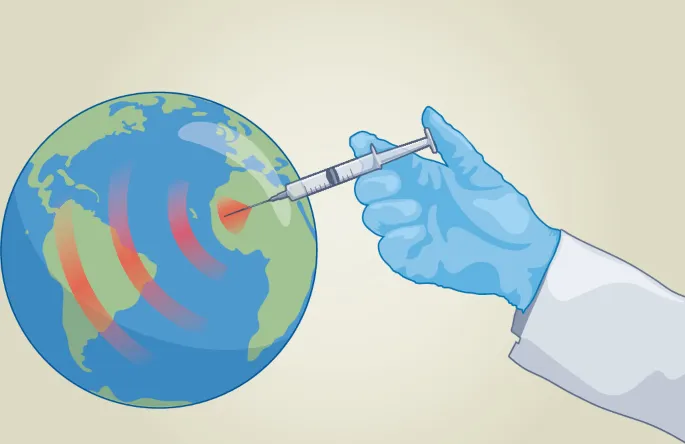
The need for resilience in global vaccination programs - Nature
New studies of trends in the global burden of measles and pertussis offer a reminder of how much vaccination has achieved and a warning of the need to build more resilient and sustainable vaccination programs. This is a preview of subscription content, access via your institution
0 comments
No comments yet. Be the first to share your thoughts!