A 47-year study reveals when fitness and strength start to fade - Science Daily
This story deserves to be shared
Send it to someone who'd care, or post it on your networks.
This article is an excerpt. To read the full content, visit the original source. Science Daily
Related articles
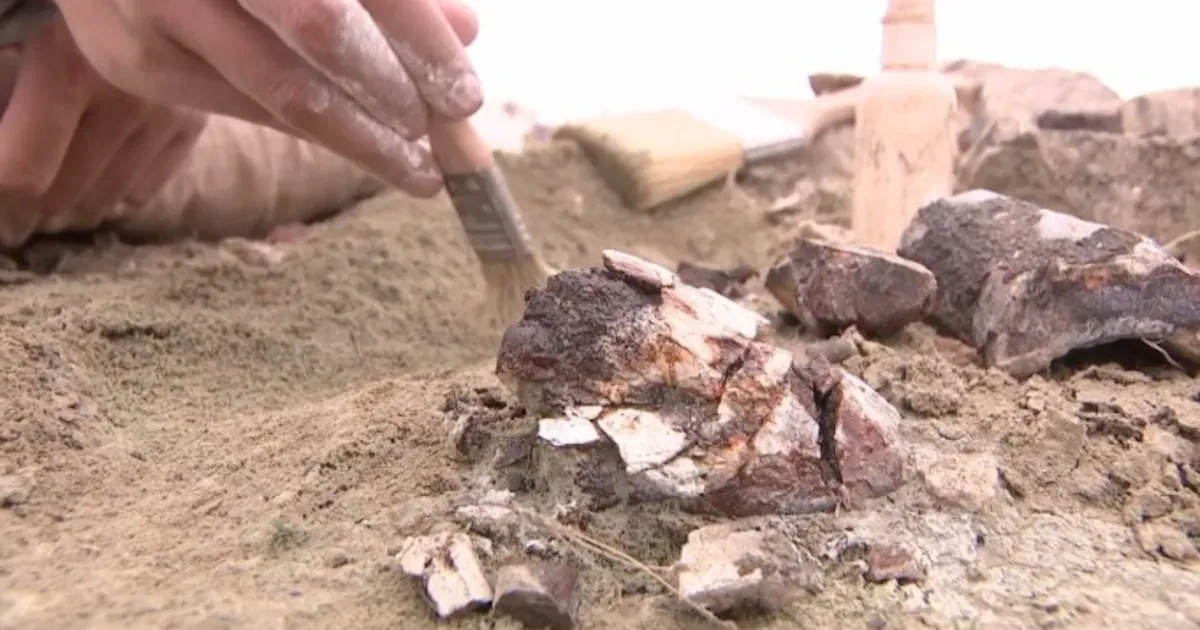
‘4 different kinds of dinosaur’: A new discovery in southeastern Utah - CTV News
AtlanticNova ScotiaNew BrunswickPrince Edward Island Newfoundland and LabradorCalgaryLethbridgeKitchenerGuelphNorthern OntarioSudburyNorth BaySault Ste. MarieTimminsOttawaKingstonBrockvillePembrokeReginaYorktonSaskatoonPrince AlbertTorontoWatchWeatherPeelHamiltonDurhamYorkHaltonNiagaraQueen's ParkToronto City HallIn PicturesVancouverVancouver IslandCanadaLocal SpotlightRoyal FamilyPoliticsNanosPower PlayQuestion PeriodFederal Election 2025WorldMideast ConflictRussia-Ukraine WarWatchLatestCaptured on CameraPoliticsLifestyleConsumerHealthExplainedEntertainmentTechnologyDeception DecodedAutosEnvironmentBusinessInflationReal EstateAutos
A pulsar's apparent slowdown reveals a rare stellar trio - Phys.org
Pulsars are rapidly rotating neutron stars, the extremely dense cores left behind when massive stars explode. Astrophysicists have recently observed a pulsar rotating over 300 times per second that appeared to be slowing down unusually quickly.
Individual atomic collisions can now be detected in the lab, potentially opening up pathways to new physics - Phys.org
Tiny atoms and molecules are constantly bombarding each other all around us. While we regularly measure the large-scale effects of these interactions, measuring the effect of each individual collision is far more difficult. But now, researchers have managed to measure how tiny gas particles affect a single silica particle in the lab. In their new study, published in Physical Review Letters, the team describes how they detected the momentum transfers of individual collisions of gas particles with a nanoparticle levitated in laser light.
0 comments
No comments yet. Be the first to share your thoughts!