BBlogFlow
← Archives

Archives — September 2026

Browse all news sorted by date

Weather

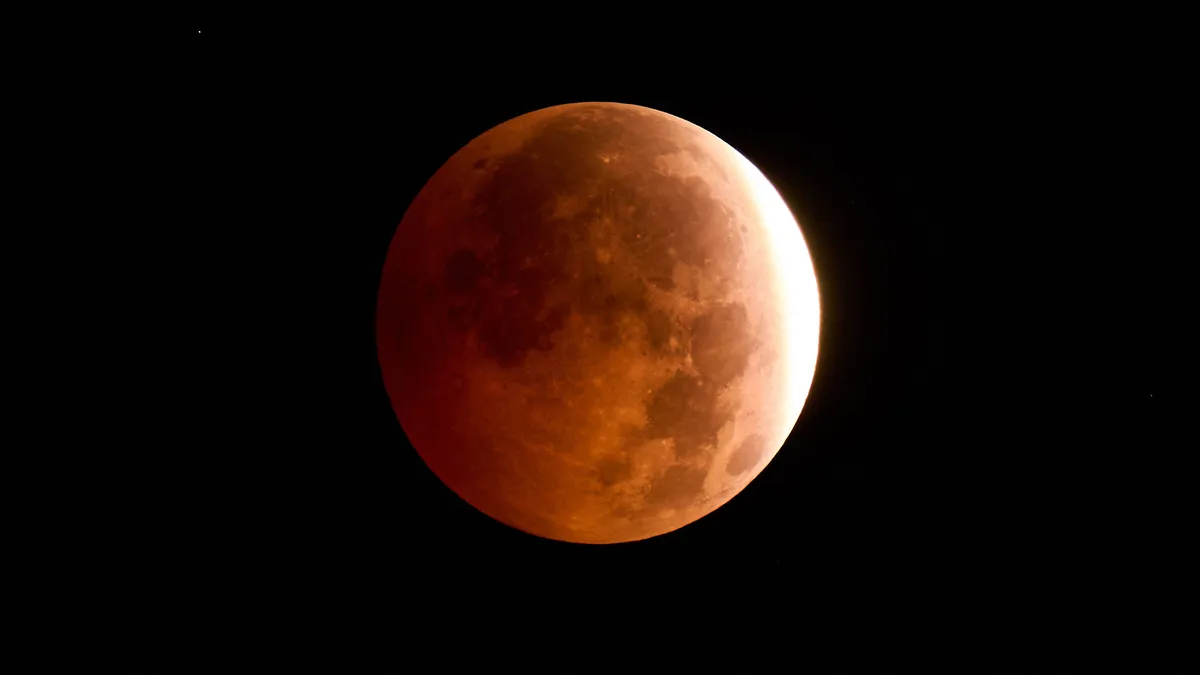
Why eclipses feel so frequent: Eclipse seasons explained

Why are there so many eclipses? It's not because they're more commonSome people think an eclipse is a super rare phenomena — but most people don't know that there are actually "eclipse seasons" every year. If it feels like eclipses happen much more often than they used to, there’s an explanation for that too. What is an eclipse season? First, what even is an eclipse? In simple terms, it’s an alignment of the Earth, sun and moon. When the moon passes between the sun and Earth, that’s a solar eclipse. When Earth passes between the sun and moon, that’s a lunar eclipse. An eclipse doesn’t happen every time they pass one another; only at specific times of the year when they align in a particular way. This is how regularly occurring eclipse seasons are possible. An eclipse season is a period of about one month that occurs roughly every six months. During a season, there is usually at least one lunar eclipse and one solar eclipse, totaling two lunar and two solar eclipses every year.

The Weather Channel·
Business

Business Aviation & AAM Briefs: Lodd Autonomous, Pipistrel and More - Aviation Week

Lodd Autonomous signed agreements covering more than 330 Hili hybrid-electric uncrewed cargo aircraft. 5X5 Aviation Insurance Grows In Year One 5X5 Aviation Insurance has expanded into 41 states during its first year of operations as it builds out a direct-to-consumer aviation insurance model using pilot flight data in underwriting. The company says most customers move from quote to bound coverage in...

Aviation Week·
Weather

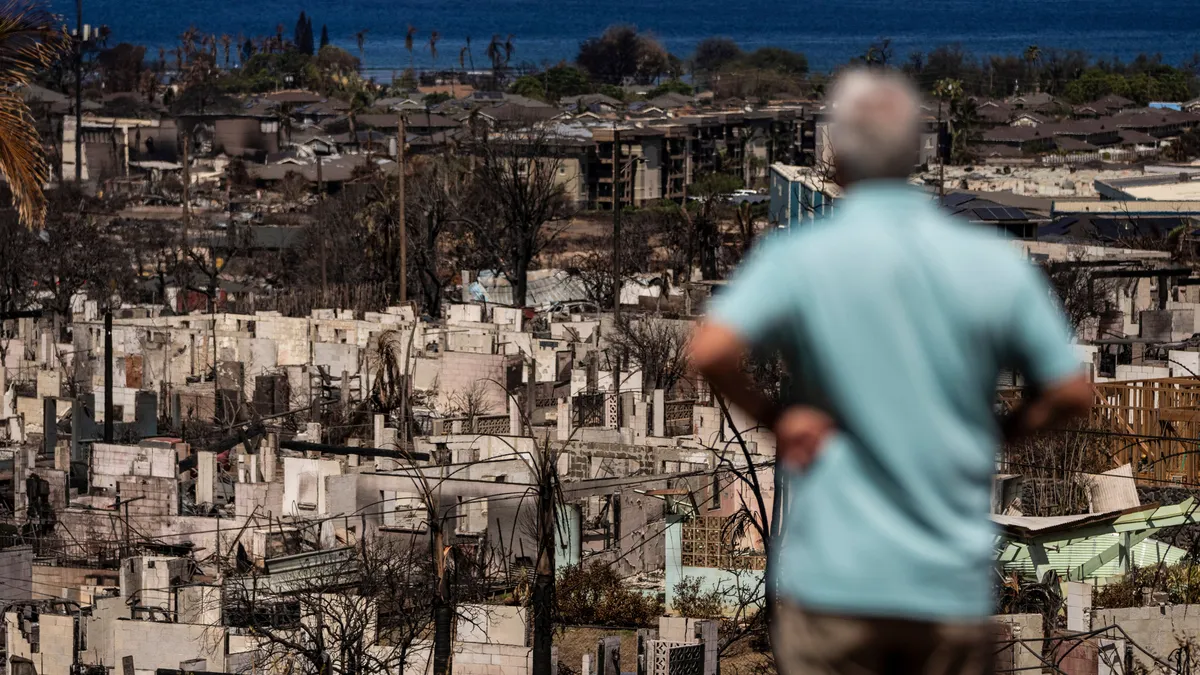
Maui wildfire survivors show elevated metals linked to lung harm, study says

Destroyed buildings and cars are seen in the aftermath of the Maui wildfires in Lahaina, western Maui, Hawaii on August 17, 2023. (Yuki Iwamura/ AFP via Getty Images)Metal mixtures found in the leftover smoke, ash and debris from the deadly 2023 Maui wildfires were harmful to the lung health of people living nearby long after the burning ended, a new study says. The work shows that major wildfires could have lasting effects beyond immediate exposure. Post-wildfire air quality needs to be monitored longer term, the research suggests, and recovery efforts need to consider what might remain in contaminated soot, residue and dirt well after burning stops.(WATCH: Wildfire smoke effects on your body can last for years)The wildfires, caused by wind spreading a brushfire spurred by downed power lines, burned on the Hawaiian island of Maui in August 2023, destroyed the town of Lahaina and killed more than 100 people. They were among the deadliest in U. S. history. New research published in the journal Proceedings of the National Academy of Sciences on Monday found higher metal levels, associated with respiratory harm, in nearby residents up to a year and a half after the fires.

The Weather Channel·
Weather

Gutter cleaning: one of your most dangerous fall chores

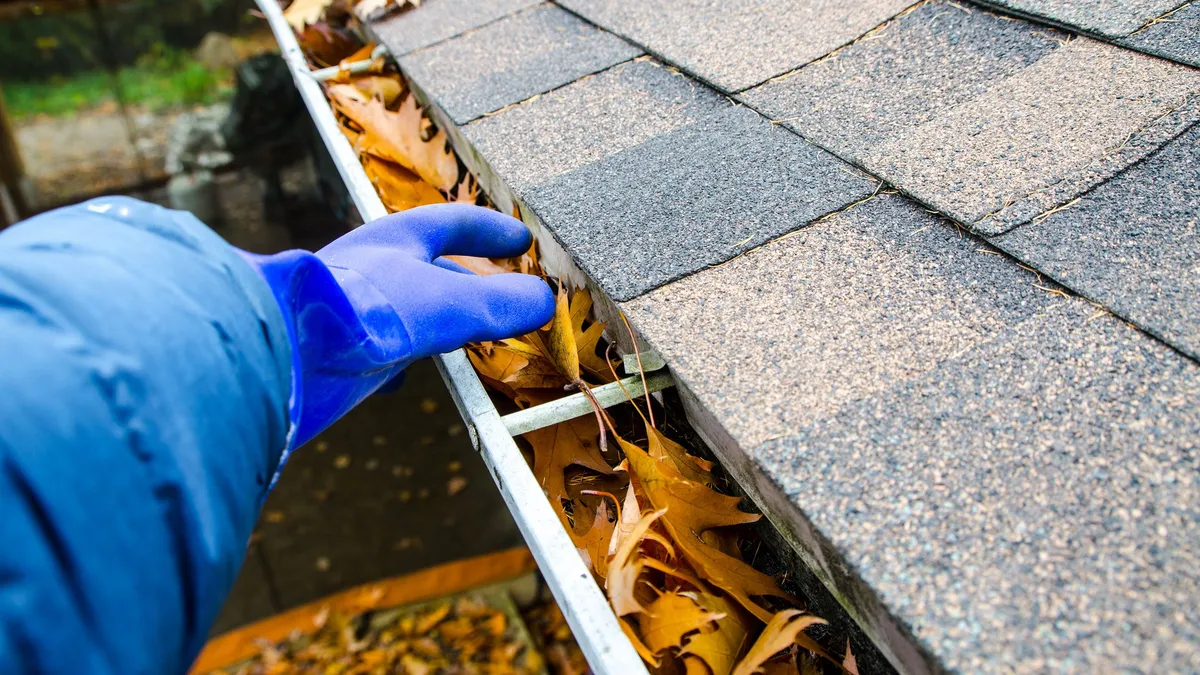
Gutter cleaning safety: how to avoid a dangerous fallLeaves are falling and clogging your gutters. When the time comes to clean/clear those gutters, it might be one of the most dangerous things you'll do around the house this fall. Here’s what you need to know before you pull out the ladder. Why you should clean your guttersGutters are made to channel rainwater away from your home and prevent water damage and basement flooding. When they’re clogged by leaves, they can’t do their job. Water pooling around your foundation can cause cracks, which can be a costly repair and may lead to structural problems. That water can also damage your roof shingles, leading to rot, leaks and mold growth.(MORE: Fall homeowner checklist: Do these 17 things before winter)A clogged gutter is also the perfect home for unwanted pests, including mosquitoes, rodents and birds. These can carry dangerous diseases or lead to infestations. Get More of Our News on GoogleSet The Weather Company as a 'Preferred Source' to get quicker access to the news you value.

The Weather Channel·
Independent

New book aims to ‘push back and defend survivors’ against denialism

Drawing on personal accounts and historical evidence, ‘Truth Before Reconciliation: Confronting Residential School Denialism’ was launched in Winnipeg on Sept. 17 Pre-signed copies of ‘Truth Before Reconciliation’ were made available for audience goers of the September 17 launch in Winnipeg. Photo by Crystal Greene

IndigiNews·
Automotive

This study looks at how and with whom connected cars share your data

In news that should surprise very few, connected cars remain a complete privacy nightmare. But now we have a better idea of what data those cars are giving away, and to whom, thanks to a study conducted by a team of researchers at Northeastern University and Consumer Reports. Testing 21 cars from 19 different brands revealed patterns of traffic to advertisers and trackers, as well as data shared with Big Tech firms like Microsoft and Adobe. And using a car’s companion app can multiply the problem, their testing found. In 2023, the Mozilla Foundation published a widely covered report looking at the privacy policies of more than two dozen automakers. They were appalled, writing that “cars are the worst product category we have ever reviewed for privacy.” But that analysis was conducted by sitting down and reading all the various privacy policies of each brand; today’s study involved measuring traffic from actual cars under a number of scenarios, including idling and being driven. The researchers even parked 11 cars—just the electric ones—in a Faraday tent to see if the loss of a cellular signal would push that traffic to the car’s Wi-Fi connection instead.

Ars Technica Cars·
Weather

Bryan Norcross: A tropics update plus the question: should the nor'easter have been named?

Nor'easter naming? The nor'easter produced winds that gusted near hurricane force and major coastal damage from the Carolinas to New England. So should the storm have gotten a name? My answers are no and yes. next POINT PLEASANT, NEW JERSEY - SEPTEMBER 26: A flooded road is seen in front of homes during a nor'easter storm where a voluntary evacuation has been issued in the community on September 26, 2026 in Point Pleasant, New Jersey. New Jersey Gov. Mikie Sherrill has declared a state of emergency for eight counties as a powerful nor'easter is expected to bring damaging winds, heavy rainfall, coastal flooding and beach erosion beginning Friday night and lasting through the weekend.

Fox Weather·
Weather

Feels like 28 this week? Hurricane Polo sends humid air into Ontario

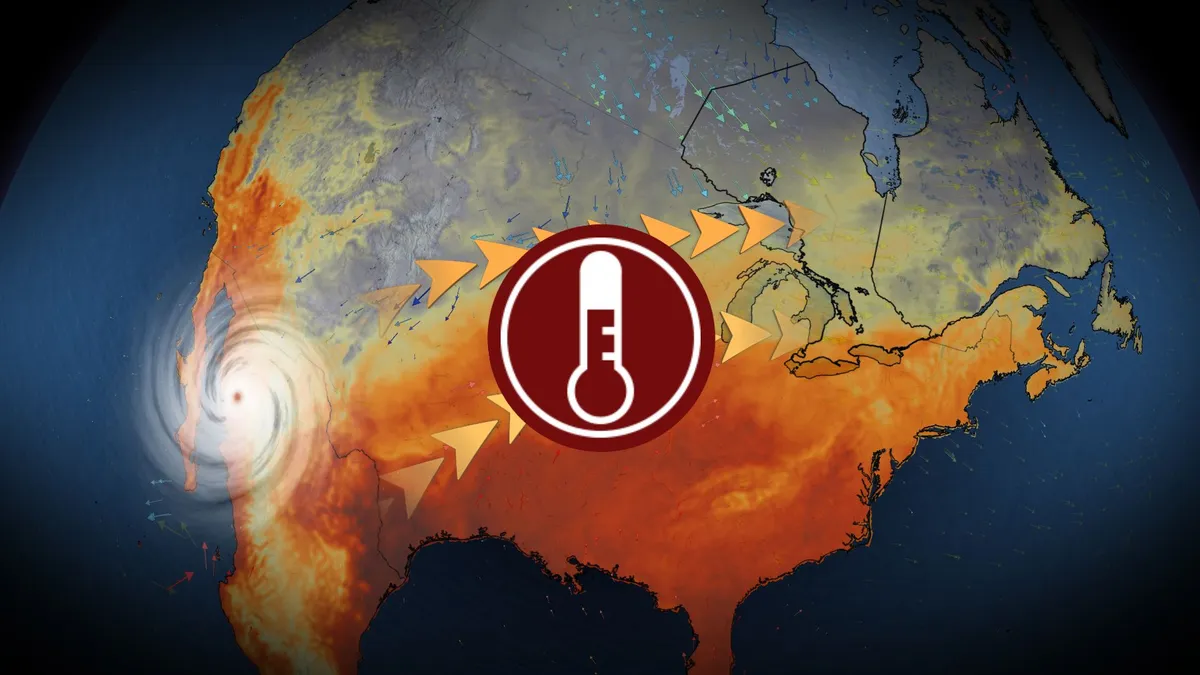
Moisture from Hurricane Polo, expected to hit Mexico’s Baja Peninsula early Tuesday, is set to extend across the United States and into Ontario by midweek. DON'T MISS: Polo cements status as Pacific’s second-most intense hurricaneFlood watches have been issued for the U. S. desert states as tropical moisture fuels training thunderstorms. Some areas could see 50–100 mm of rainfall, an amount equal to months’ worth in a short time frame. Humidex values soar with influence of PoloTropical air from Polo will surge into Ontario, making the final days of September feel more like summer across southern and eastern sections of the province. Communities including Windsor, London, Toronto, Ottawa, and Montreal are forecast to experience muggy conditions, with humidex values reaching 27–28 on both Wednesday and Thursday afternoons. The warm and humid conditions are driven by high atmospheric moisture moving from the Pacific, through the U. S., and into the Great Lakes region.

The Weather Network·
Health

Mental health and pastoral accompaniment in humanitarian contexts: a Study Day at the Dicastery - Dicastero per il Servizio dello Sviluppo Umano Integrale

AfricaCare of CreationCatholic ChurchCzernyEventsFratelliTuttiHuman rightsIntegral Human DevelopmentLaudato si yearLaudato si'Pope FrancisPope MessagePrefectSmerilliagricultureapostolate of the seaculturedevelopmentdisarmamenteconomy and social ethicseducationenvironmenthealth care workershumanitarian aidintegral ecologyintegral healthjusticelandlocal churchesmarginalizedmigrantsmigrants and refugeesmigrationspastoral activitiespeacepoliticspoorrefugeessecuritysocial doctrinesustainabilitythe sickwarwaterworkyouth On Tuesday, October 13, from 3:00 to 4:30 p.m., the Study Day "Mental Health and Pastoral Accompaniment in humanitarian contexts" took place in the Van Thuan Hall of the Dicastery for Promoting Integral Human Development. The hybrid meeting was sponsored by the Católica University Portugal (UCP) and the Scalabrini International Migration Institute (SIMI), in collaboration with the Dicastery for Promoting Integral Human Development.

Dicastero per il Servizio dello Sviluppo Umano Integrale·
Weather

Food systems are falling behind on water. Your grocery bill may already show it

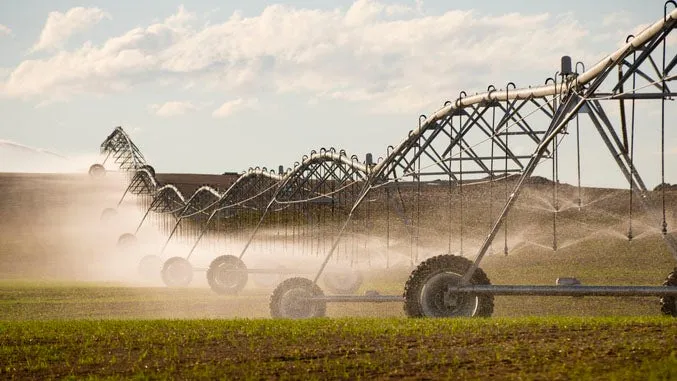
STOCK PHOTO - Cornfield with crop damage and cracked soil from drought. (JJ Gouin/Getty Images)Your grocery bill is higher this year for plenty of reasons: inflation, tariffs, weaker harvests. But a new global report points to a quieter factor – water. In a new report from The Food Systems Countdown Initiative, researchers looked at 197 countries and found that food-system emissions worldwide are running about 75% above recommended levels.  The report published in the journal Nature Food concluded that not one country is closing the gap fast enough. One key in those food systems is water. Farms use huge amounts of it to grow crops and raise animals, pulling it from rivers and reservoirs. Thirsty crops like almonds, rice and cotton add extra strain on places already short on water — including parts of the western U. S.(MORE: Lake Mead now at record-low level)From dry fields to your grocery billThat strain can ripple into the prices you pay. A separate study found that water scarcity alone can explain nearly 75% of annual swings in global wheat prices between 2000 and 2021. It showed that a drought far away can nudge up the price of bread in your local store.

The Weather Channel·
Weather

100+mm: Strongest storm of the month hits British Columbia with rain, winds

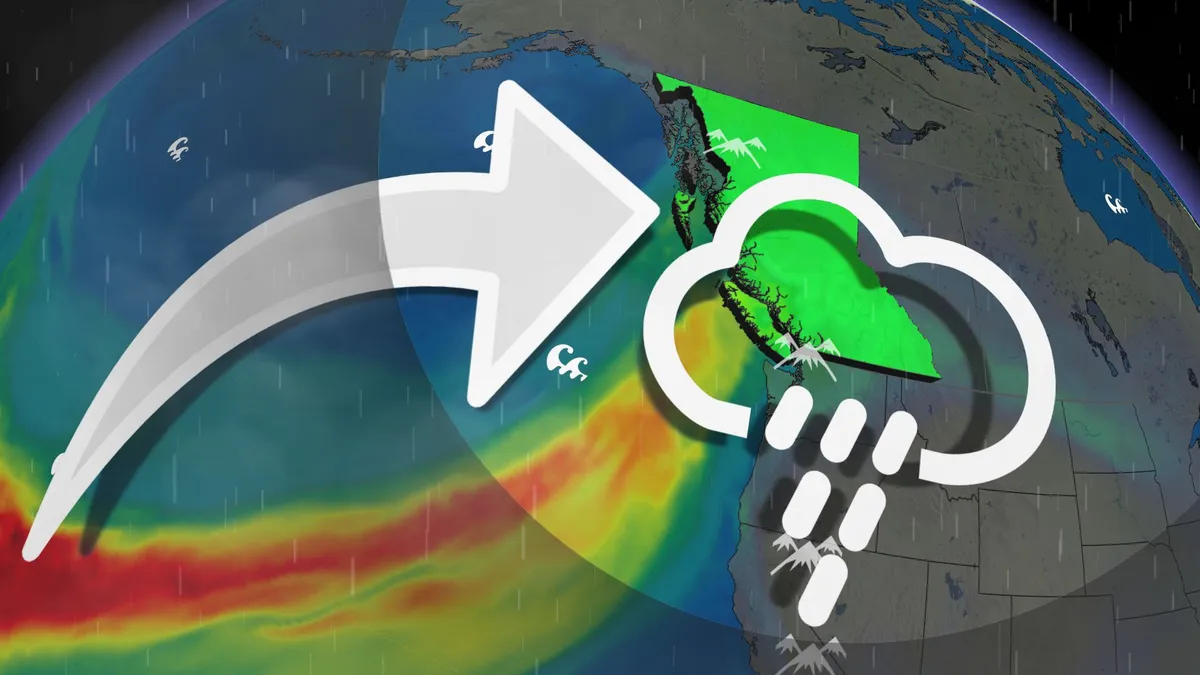
The strongest storm so far this month is rolling across British Columbia to kick off the week, bringing gusty winds and locally heavy rain for some areas. This final system is needed to salvage any hope of a normal precipitation month after a relatively dry September throughout the region. WATCH: Inside the eye of Polo as it grows into a historic hurricaneAtmospheric river arrivesAn atmospheric river carrying moisture direct from southeast Asia hit the B. C. coast to start the week. This atmospheric river will rank as an AR-2 for the Central Coast and western Vancouver Island, with an AR-1 expected just about everywhere else. In general, AR-2 brings mostly beneficial rains with a risk for localized flooding. These rankings, which range from AR-1 to AR-5, measure the intensity and duration of water vapour transport to estimate the impacts of an atmospheric river. Heavy rain, gusty winds expectedHeavy rain will spread to western Vancouver Island by Monday evening as a weak, surface low develops off the northwestern tip of the island. Content continues belowRainfall rates up to 10 mm per hour are possible on western Vancouver Island during the event’s peak on Monday night.

The Weather Network·
Weather

Over half the US is in drought. Will El Niño quench it?

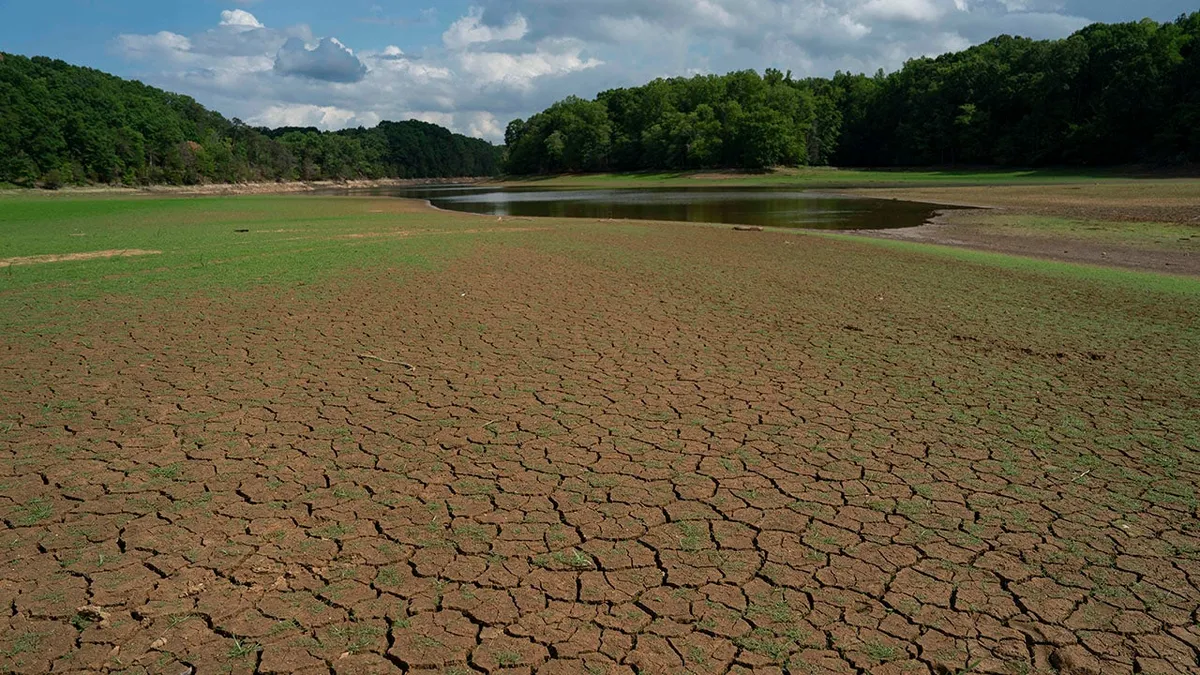
How will El Niño impact how your winter feels? El Niño could help erase or improve drought conditions for many in the U. S. this winter and spring, but some may not be so lucky, if history is a guide. Most of the US in droughtAs the first full day of fall arrived, 40 of the Lower 48 states had at least some drought conditions, as the map below shows. The status of the nation's drought as shown by the Drought Monitor analysis on Sept. 22, 2026. Darker contours show areas of more extreme drought.(NDMC/USDA/NOAA)The worst of the drought was spread across parts of the South, Rockies, Northern Plains and upper Midwest. It's been among the top two or three driest 12-month October-September periods on record in parts of the Carolinas and Oklahoma, according to the Southeast Regional Climate Center. Earlier last summer, over 60% of the continental U. S. was classified in drought, something that happened only three other times this century in the Drought Monitor analysis. A dry lakebed is seen at Lake Michieon on June 29, 2026, in Bahama, Durham County, North Carolina.

The Weather Channel·
Weather

Hurricane Juan was one of the East Coast’s most destructive storms

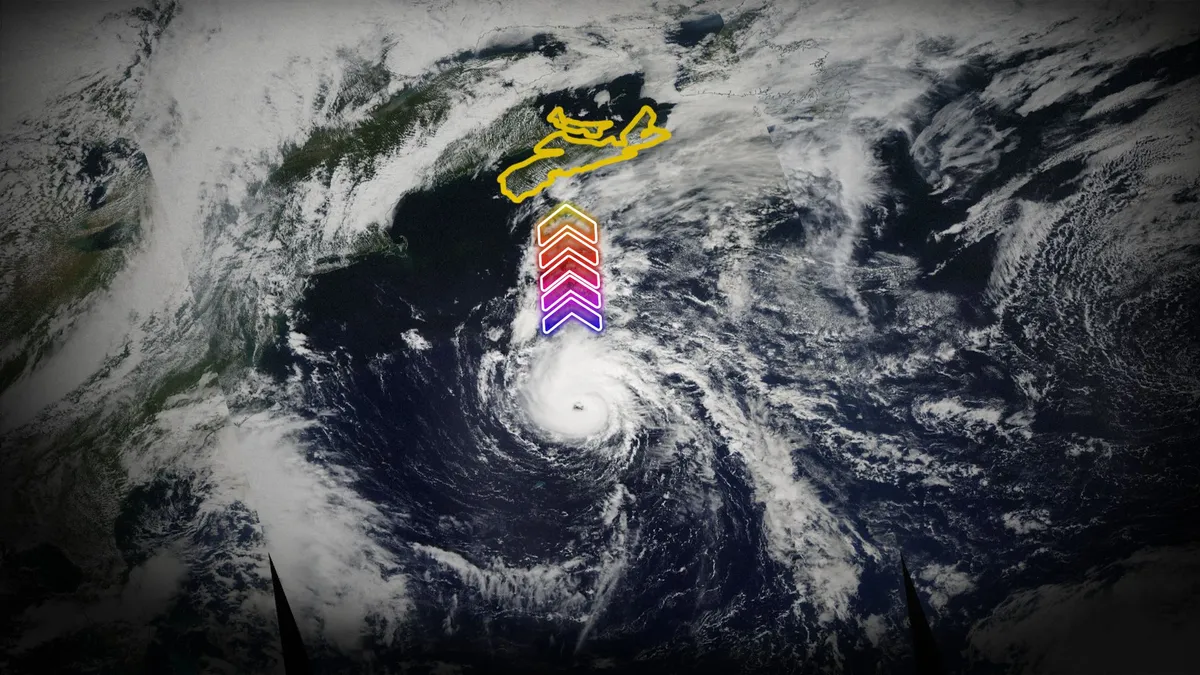
Hurricane Juan cemented its place in history during the early morning hours on Sept. 29, 2003, when it swept across Atlantic Canada with ferocious winds. The first hurricane to directly strike Halifax since the late 1800s, Juan caused hundreds of millions of dollars in damage and killed several people throughout the region. DON’T MISS: Hurricane Fiona, two years later: Could it happen again? Juan quickly developed and strengthenedA tropical disturbance around 550 km southeast of Bermuda served as the seed that would eventually grow into Hurricane Juan. The disturbance encountered a complex setup influenced by the remnants of Hurricane Isabel that hit the U. S. Mid-Atlantic one week earlier. The system quickly advanced from a tropical depression the morning of Sept. 24 into a full-fledged hurricane just 48 hours later. A ridge of high pressure to Juan’s northeast quickly steered the storm directly toward Nova Scotia. This speedy forward motion didn’t allow any time for the storm to weaken as it crossed the Gulf Stream on approach to Atlantic Canada. Hurricane Juan made landfall just west of Halifax shortly past midnight on Sept. 29, 2003, with maximum sustained winds of 160 km/h.

The Weather Network·
Health

ACLM position statement links lifestyle medicine to planetary health - News-Medical

The American College of Lifestyle Medicine (ACLM) has released a new position statement asserting that lifestyle medicine offers a practical, evidence-based framework to address both the chronic disease epidemic and the growing environmental challenges affecting health worldwide. Written by ACLM's Global Sustainability Committee, the paper highlights the interconnected threats posed by climate change, biodiversity loss, environmental pollution, and the rising burden of chronic disease. The authors argue that many of today's most pressing health challenges stem from shared systemic drivers and require integrated solutions.

News-Medical·
Business

Meta puts popular new tool in hands of small businesses - Fox Business

Meta on Tuesday unveiled a version of its Muse artificial intelligence (AI) agent for small businesses. The release of Muse for Small Business follows Meta's launch of the Muse personal AI agent earlier this month. Agentic AI can complete tasks on its own based on instructions provided by the user, developing multistep projects and working across connected apps or services relevant for a given task. Meta said that Muse can suggest an idea, help with a task or provide guidance on working toward a goal. Users can also connect Muse with other apps or services to give it more context or complete more actions. The company said the Muse agent can help small businesses with tasks like putting together a growth plan for the next year after analyzing sales and social media data along with business goals.  META INTRODUCES MUSE, A PERSONAL AI AGENT THAT CAN SEND EMAILS, BOOK TRAVEL People look at a tablet inside a small business. (Getty Images)The Muse app works in its own isolated space without the need for supervision and checks with the user before they decide to publish, send, spend or share.

Fox Business·
World

Why The Book Thief Risked It All To Scam The Publishing World - Defector

For nearly six years, I have been fascinated by the case of the Spine Collector. The publishing world came to the collective realization a few years before the pandemic that a thief was aggressively trying to steal unpublished books from everyone who had access to them for their jobs. What made the case so fascinating was the apparent lack of motive; their methods were explicable and not all that sophisticated, but their reasons for risking jail time were totally opaque, as the books never leaked or appeared on the black market. On this week's episode of Only If You Get Caught, we tackle the tricky question: Why were they doing this? To help get an answer and tell the full story, I drafted in Reeves Wiedeman, who co-wrote the definitive series of Spine Collector stories for New York alongside Lila Shapiro. In the time since we recorded our interview, Wiedeman has moved on to The New Yorker, surely a recipient of the Only If You Get Caught bump. The book thief's motivations are confusing and inexplicable, unless you approach them from the right angle.

Defector·