Gutter cleaning: one of your most dangerous fall chores
This story deserves to be shared
Send it to someone who'd care, or post it on your networks.
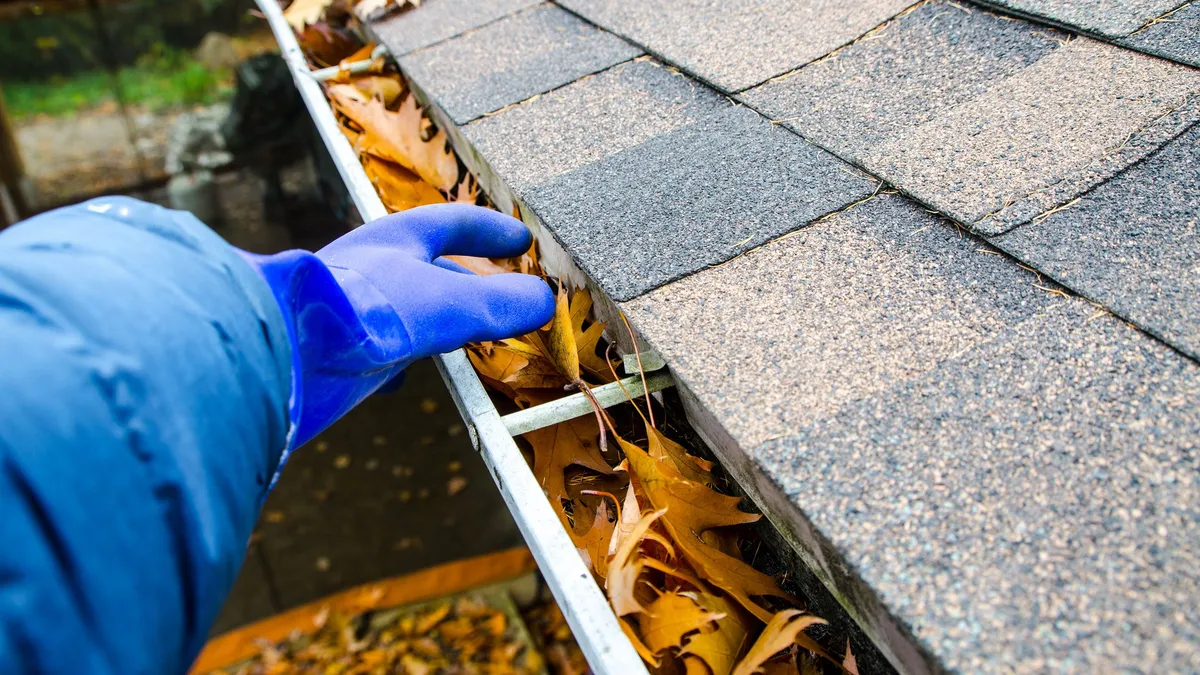
Gutter cleaning safety: how to avoid a dangerous fallLeaves are falling and clogging your gutters. When the time comes to clean/clear those gutters, it might be one of the most dangerous things you'll do around the house this fall. Here’s what you need to know before you pull out the ladder. Why you should clean your guttersGutters are made to channel rainwater away from your home and prevent water damage and basement flooding. When they’re clogged by leaves, they can’t do their job. Water pooling around your foundation can cause cracks, which can be a costly repair and may lead to structural problems. That water can also damage your roof shingles, leading to rot, leaks and mold growth.(MORE: Fall homeowner checklist: Do these 17 things before winter)A clogged gutter is also the perfect home for unwanted pests, including mosquitoes, rodents and birds. These can carry dangerous diseases or lead to infestations. Get More of Our News on GoogleSet The Weather Company as a 'Preferred Source' to get quicker access to the news you value.
This article is an excerpt. To read the full content, visit the original source. The Weather Channel
Related articles
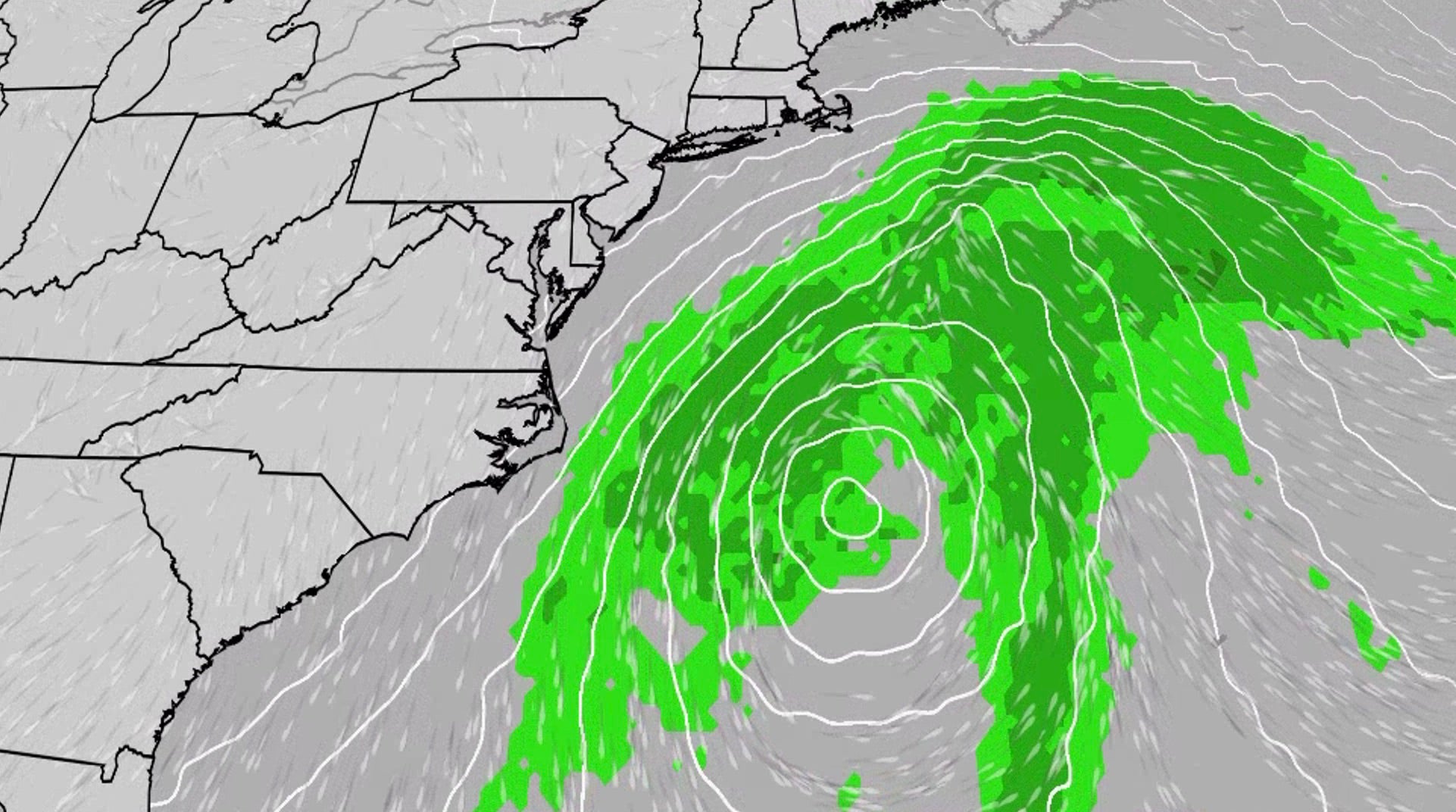
Nor' easter to bring coastal flooding, winds to East Coast
This week's nor'easter, which could be future Josephine, will meander off the East Coast, bringing multiple days of impacts from the Carolinas to Delaware.
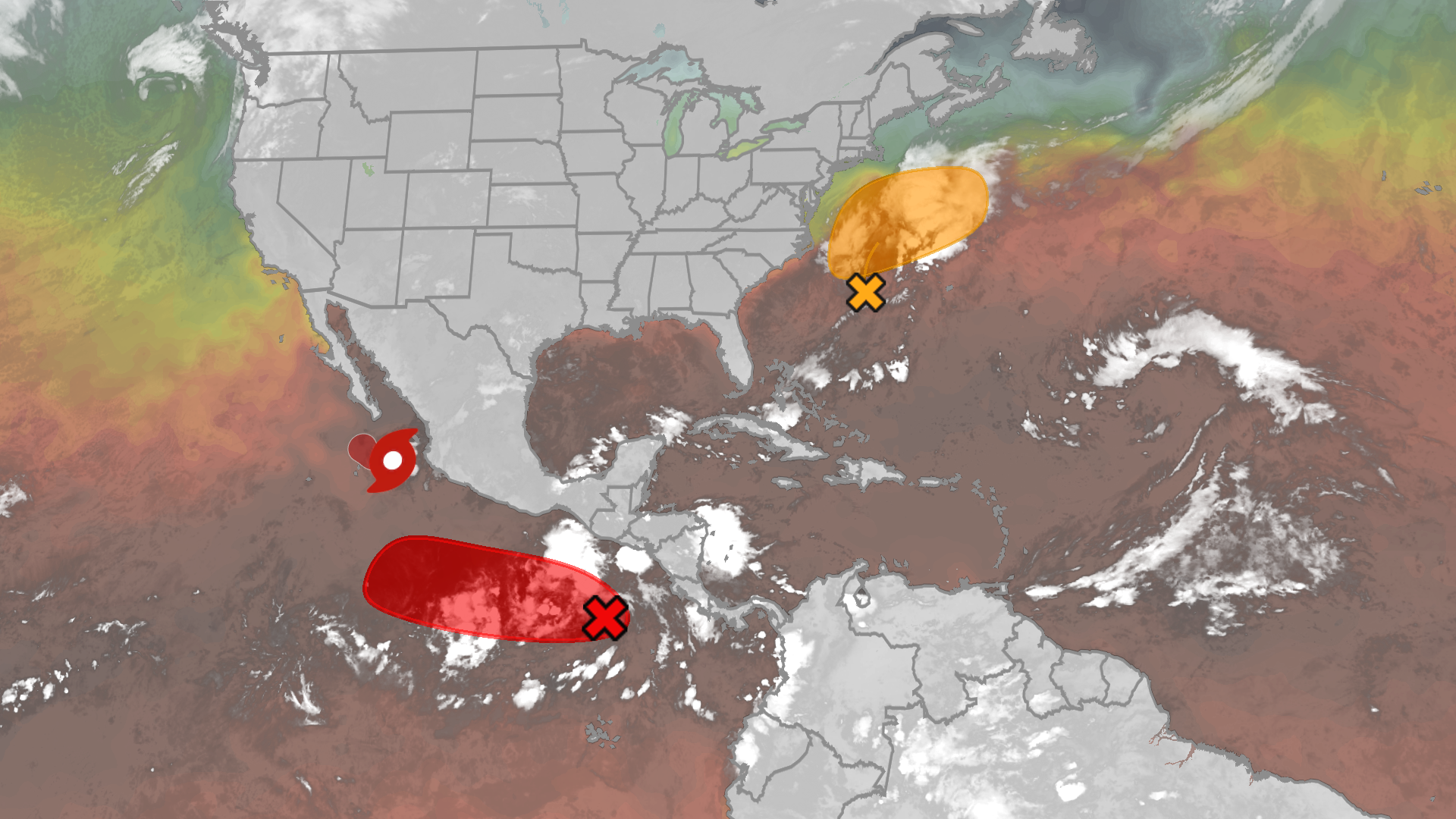
Hurricane season maps tracker: Latest forecasts and more
These are the maps to help you track ongoing Pacific and Atlantic tropical systems.

Winter storm checklist: What to do 72, 48, and 24 hours before it hits
A former FEMA official and the American Red Cross share the errands, apps and safety steps people most often forget before snow and ice arrive.
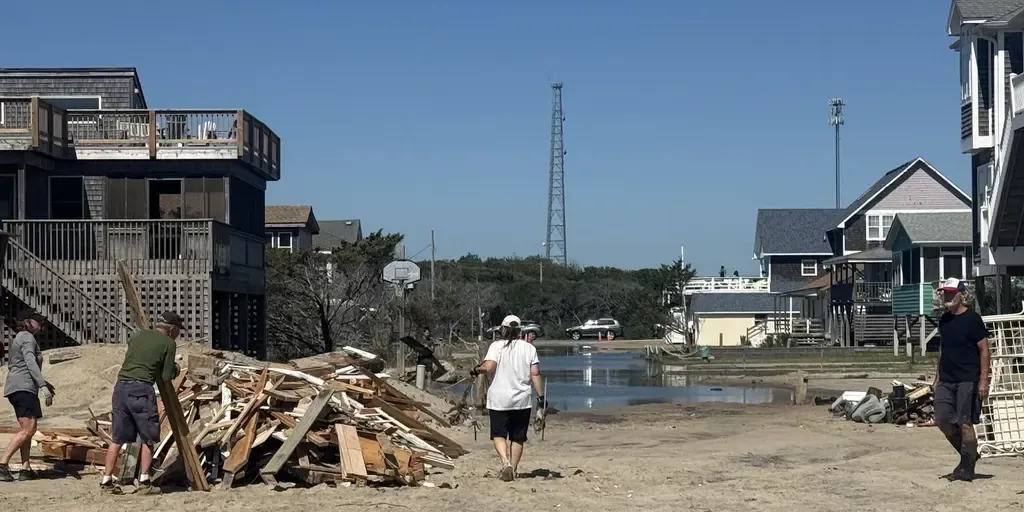
Brewing nor’easter threatens East Coast with days of coastal flooding, strong winds and pounding surf
The next fall nor’easter is brewing off the North Carolina coast, setting the stage for extensive impacts throughout the week. The National Hurricane Center is now highlighting this area for potential tropical development, with a 30% chance over the next seven days. WHAT IS A NOR’EASTER? Regardless of tropical development, the Outer Banks are expected to see long-term impacts, including intense wind gusts from the approaching nor’easter, while the storm sits off the coast. The main concern for the Outer Banks region will be intense wind gusts as strong as 40 to 60 mph, fueling moderate coastal flooding and destructive waves. A mandatory evacuation for locals on Hatteras Island is in effect, as storm conditions are expected to worsen, with the potential for significant ocean overwash. This graphic shows the Wind Alerts for the upcoming Nor’easter.(FOX Weather) According to the FOX Forecast Center, the impacts will last through late Wednesday evening and into Thursday, totaling three days of nasty storms with ferocious wind gusts.
Where’s the frost? Southern U.S. hits freezing before Toronto, Montreal
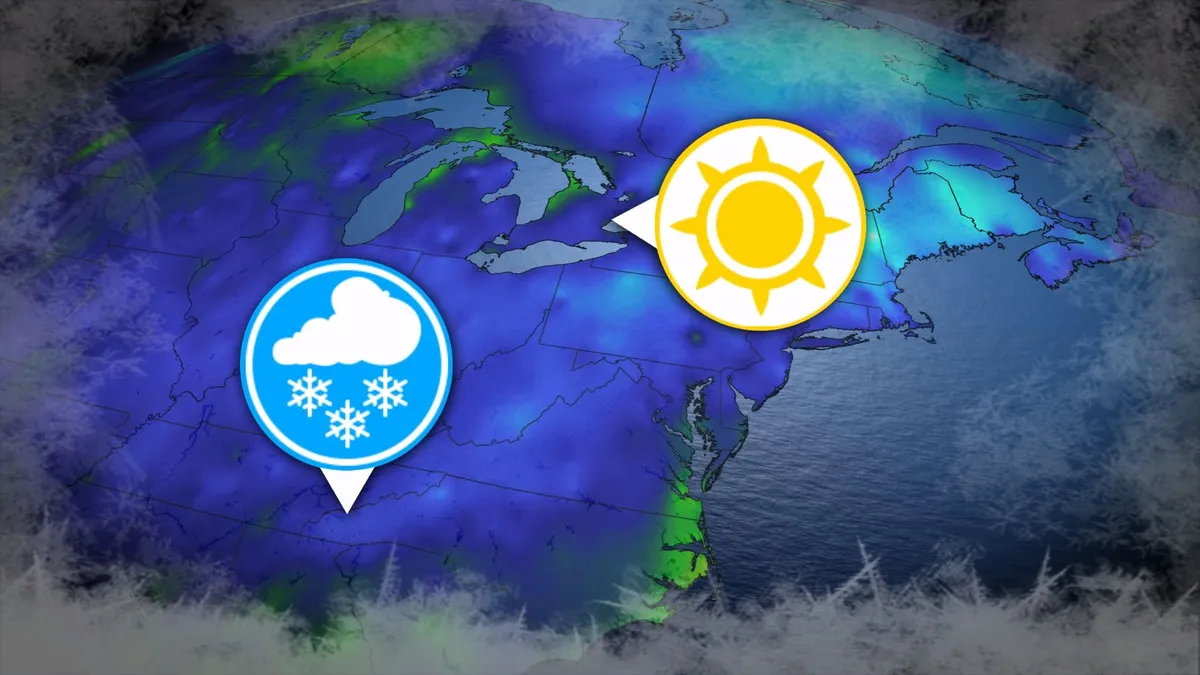
Toronto and Montreal have remained above the freezing mark every day for almost six months. While frosts and even some snowflakes have intruded across parts of Ontario and Quebec in recent weeks, the two cities have yet to reach that magic number. What’s even more remarkable is that a handful of communities across the southern United States have already dipped to the freezing point--and some have even seen accumulating snowfall. DON’T MISS: Official: Canada records first -30°C reading of the seasonThe last time we saw a freezing temperature in either Toronto or Montreal was the second-to-last week of April. Toronto hit -1.3°C early on April 20, while Montreal dipped to -2.0°C the following morning. Our average first frost in both cities occurs right around the middle of October. But warmer-than-normal years can see this milestone slide several weeks past due. Montreal once had to wait 207 consecutive days for its first frost, with the city’s first subfreezing temperature in 2017 waiting until Nov. 7. The latest Toronto’s had to wait to hit the zero-degree mark was Nov. 13, 2022.
345 km/h: Meet the world’s strongest tropical cyclones
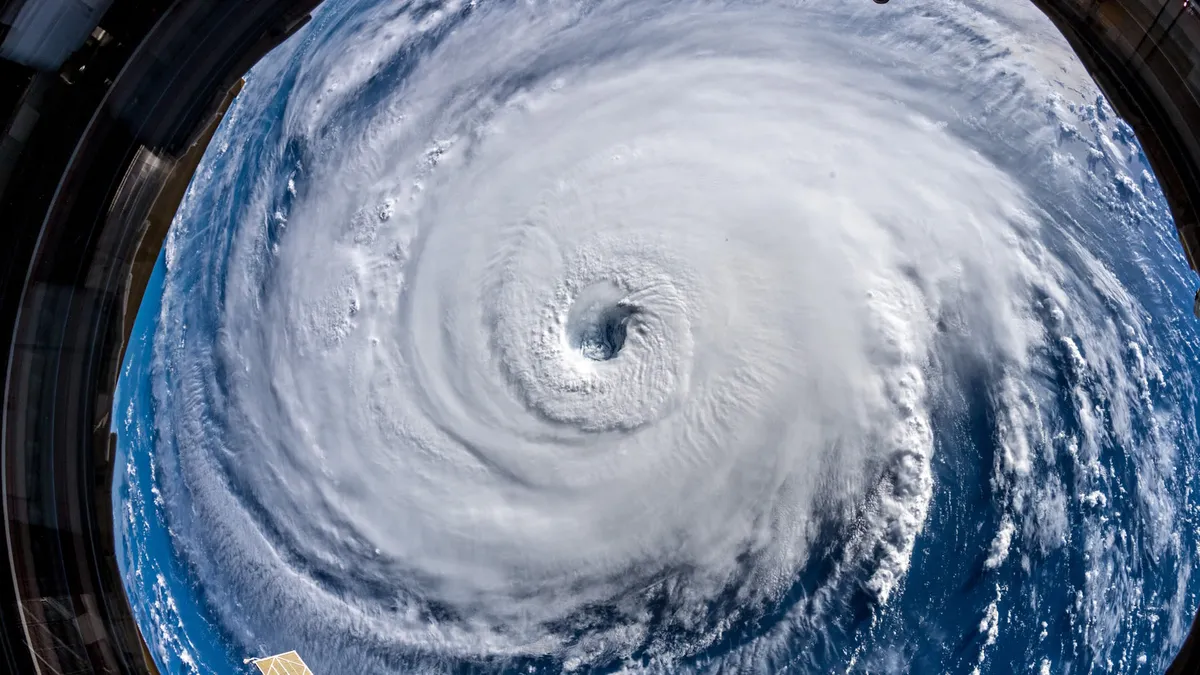
Tropical cyclones top the list of nature’s most powerful storms. Larger than tornadoes and more intense than any single thunderstorm, these systems can change the landscape when they swirl ashore. A handful of tropical cyclones take full advantage of their surroundings to achieve the apex of their potential, the strongest storms nature can produce. DON’T MISS: What’s the difference between hurricanes, typhoons, and cyclones? Tiny fraction of storms achieve upper limitsOnly about 4 per cent of all the world’s recorded tropical cyclones have reached the equivalent of Category 5 strength. Most tropical cyclones are relatively weak and short lived because it’s tough for all the necessary ingredients to align just right. But explosive development can result when all those factors come together in perfect harmony. Strongest Winds: Hurricane PatriciaAn exceptionally favourable setup off the western shores of Mexico in late-Oct. 2015 allowed Hurricane Patricia to grow into the world’s strongest hurricane since reliable observations began in 1966.
0 comments
No comments yet. Be the first to share your thoughts!