Winter storm checklist: What to do 72, 48, and 24 hours before it hits
This story deserves to be shared
Send it to someone who'd care, or post it on your networks.

Winter storm prep checklist: what to do 72, 48 and 24 hours outYou get the warning that a winter storm is coming: When you prepare matters as much as how you prepare. So I asked experts what you should do in the 72 hours, 48 hours and 24 hours before the storm arrives.(MORE: Your first freeze is coming — see average dates by region)Dan Stoneking spent a career in the U. S. Army and 15 years at FEMA. He’s now the founder and owner of Stoneking Strategic Communications. Remy Kennedy is a communications program manager with the American Red Cross. Both say you should create a checklist, and here’s what should be on it.72 hours before a storm: stock up and run errands“At 72 hours out, I like to tell people that’s basically the time you do all the things outside of your house,” Stoneking said. “One of the first things you want to do is evaluate your home situation,” Kennedy said. Who might need extra care in the cold? Kids, pets, older relatives, neighbors living alone. Then you need to make your errands list.
This article is an excerpt. To read the full content, visit the original source. The Weather Channel
Related articles

So long, summer: A final checklist for properly closing your cottage
Now with summer firmly in the rearview mirror, despite what the forecast says for early this week in southern Ontario, it is a good time to do a final inspection before shutting down your cottage until the springtime. If you don't give it a thorough check before closing up, things such as frozen pipes, pest infestations, and ice damage can lead to costly repairs come springtime. First thing: Drain the sinks. "Drain everything because water expands as it freezes, and if you don't get all the water out, you could have ruptured lines. Add antifreeze to toilets and drains to ensure any remaining water doesn't freeze. Pull the lines that go out into the lake, and ensure they're drained and stored in a safe place, well away from the lake water," said Mark Robinson, Storm Hunter and meteorologist at The Weather Network. (Pexels)Once the power is off, empty your water heater. Content continues belowNext, you can properly manage your electricity. According to Robinson, you have two choices: Turn off the power completely or leave it on. But, make sure to unplug appliances and entertainment systems.
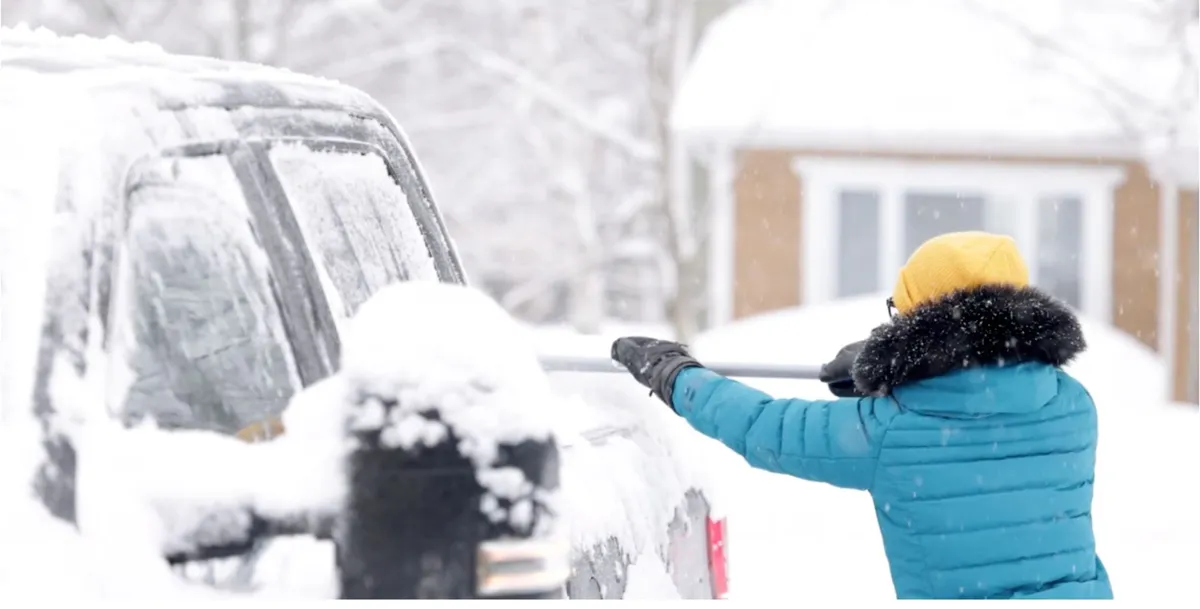
Your fall vehicle checklist before winter hits
Winter is coming, and now is the time to get your vehicle ready.1. Check your tiresIf you're counting on all-season tires to carry you through the entire year, it may be time to rethink that. “It's a bit of a misconception, mainly because of the name. All-season tires really only work for three seasons of the year. Once it gets below 7°C, they have less grip on the pavement,” explained D'Andre Urquhart, Service Advisor at OK Tire. The difference comes down to the rubber and tread design. All-season tires have fewer and shallower sipes, which means less traction and reduced braking performance in snowy conditions. Once temperatures are consistently around 7°C or lower, it's time to switch to dedicated winter tires. D'Andre Urquhart assists customer at OK Tire. (The Weather Network)Content continues belowRELATED: Cold weather and tires: Three things to check for before it's too late2. Don't forget tire pressureCold weather affects more than just your traction. It can also lower your tire pressure. For every 5 to 6°C drop in temperature, your tires can lose pressure, which can impact handling, fuel efficiency, and tire wear.
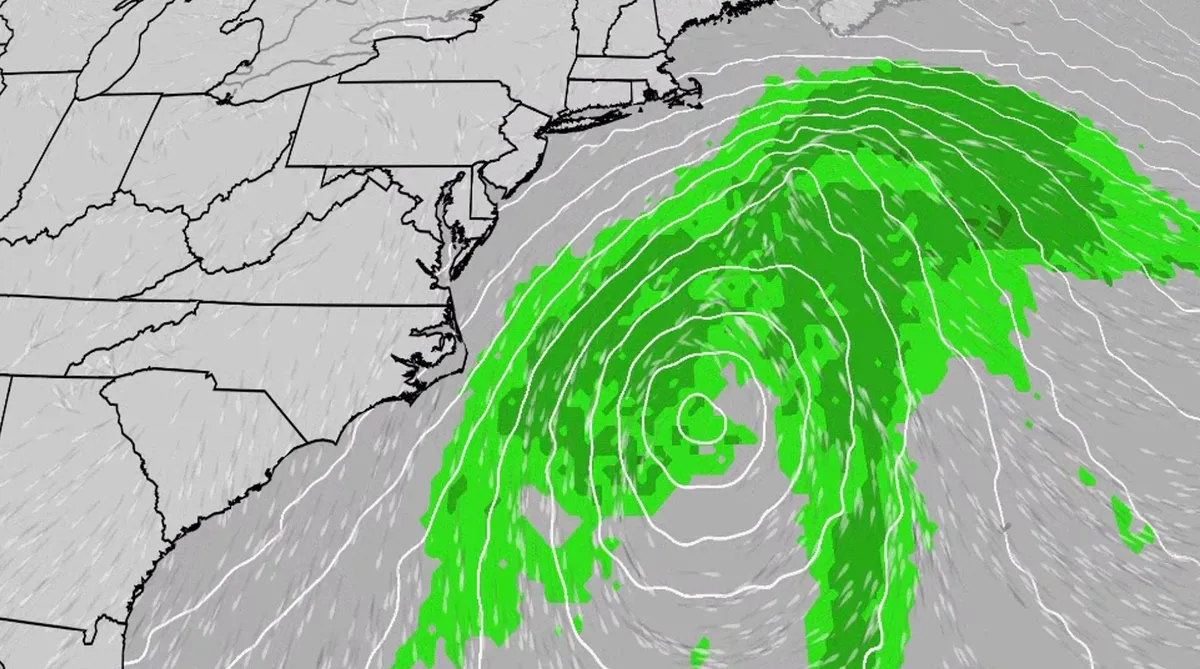
Nor' easter to bring coastal flooding, winds to East Coast
An October nor'easter is developing in the Atlantic, where it will bring high surf, rip currents, coastal flooding and winds to parts of the East Coast for several days this week. The National Hurricane Center has highlighted it as an area to watch this week for the potential development of Josephine. However, regardless of whether we call this system a nor'easter or Josephine, the impacts will be the same. The bottom line: This system will bring dangerous conditions to the East Coast for multiple days this week.(MORE: What is a nor'easter?)Fortunately, this nor'easter doesn't look to be as strong as the one in September. But the bad news? It could linger for much of the week, so impacts could have a longer duration. Coastal flood alerts are in effect for parts of coastal North Carolina and Virginia, where anywhere from 1 to 4 feet of inundation is possible. Get More of Our News on GoogleSet The Weather Company as a 'Preferred Source' to get quicker access to the news you value. Key takeawaysWe do not expect this storm to be as strong as the late September nor'easter.
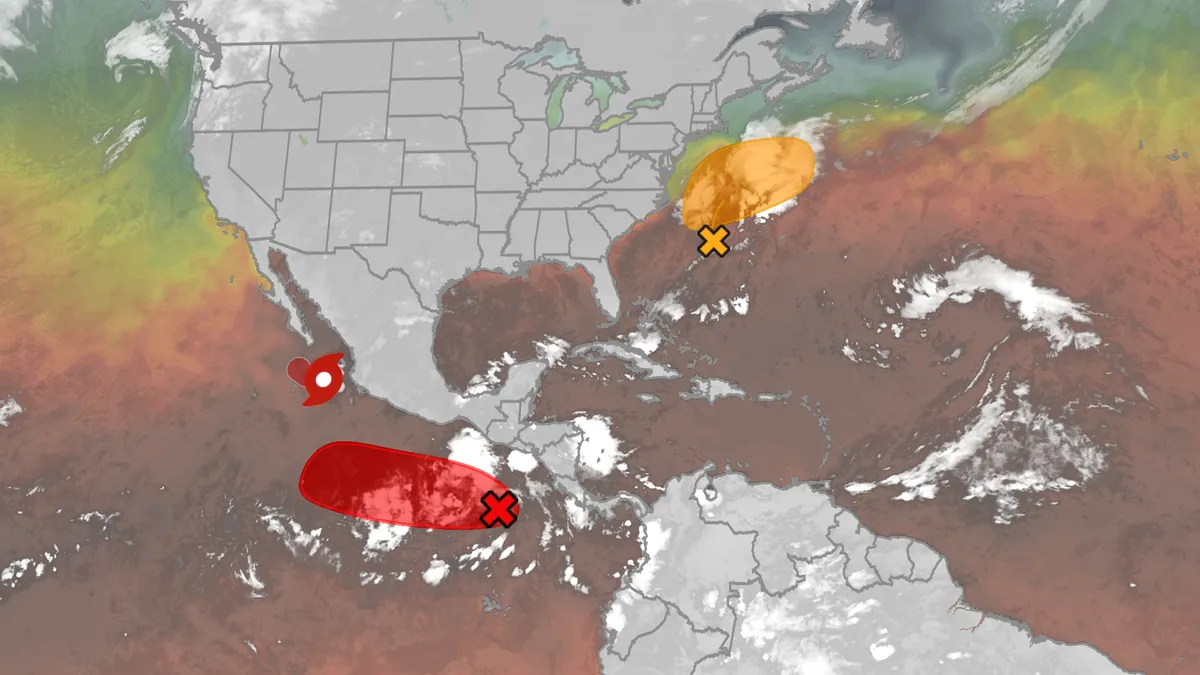
Hurricane season maps tracker: Latest forecasts and more
We have the maps you need to track all the systems ongoing in the Pacific and Atlantic below. Tracking the AtlanticTropical development areasSea surface temperatures Wind shear These are areas of strong wind shear, the difference in wind speed and direction with height, which are shown in purple. High wind shear is hostile to mature tropical cyclones and those trying to develop.(MORE: What is wind shear?)Get More of Our News on GoogleSet The Weather Company as a 'Preferred Source' to get quicker access to the news you value. Dry, dusty airAnother nemesis of tropical systems is dry air. In hurricane season, plumes of dust-laden air stream across the basin from Africa's Sahara Desert, as you can see in the map below. This sinking, dry air squelches thunderstorm development, the building blocks of tropical storms and hurricanes. So areas in the brown shading below are generally unfavorable for development. Atlantic tracks so far this seasonThese are the tracks of systems that were at least tropical or subtropical storms so far in the Atlantic Basin.
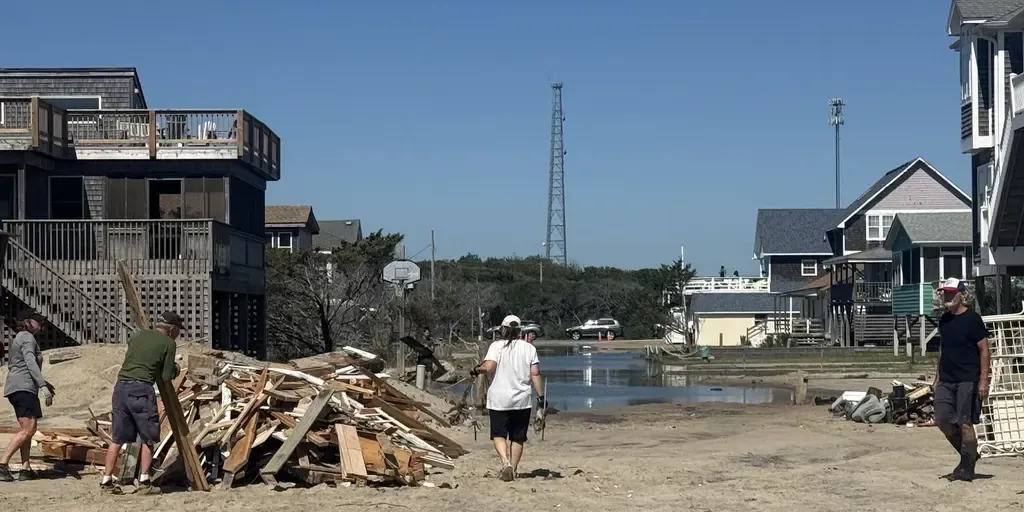
Brewing nor’easter threatens East Coast with days of coastal flooding, strong winds and pounding surf
The next fall nor’easter is brewing off the North Carolina coast, setting the stage for extensive impacts throughout the week. The National Hurricane Center is now highlighting this area for potential tropical development, with a 30% chance over the next seven days. WHAT IS A NOR’EASTER? Regardless of tropical development, the Outer Banks are expected to see long-term impacts, including intense wind gusts from the approaching nor’easter, while the storm sits off the coast. The main concern for the Outer Banks region will be intense wind gusts as strong as 40 to 60 mph, fueling moderate coastal flooding and destructive waves. A mandatory evacuation for locals on Hatteras Island is in effect, as storm conditions are expected to worsen, with the potential for significant ocean overwash. This graphic shows the Wind Alerts for the upcoming Nor’easter.(FOX Weather) According to the FOX Forecast Center, the impacts will last through late Wednesday evening and into Thursday, totaling three days of nasty storms with ferocious wind gusts.
0 comments
No comments yet. Be the first to share your thoughts!