So long, summer: A final checklist for properly closing your cottage
This story deserves to be shared
Send it to someone who'd care, or post it on your networks.
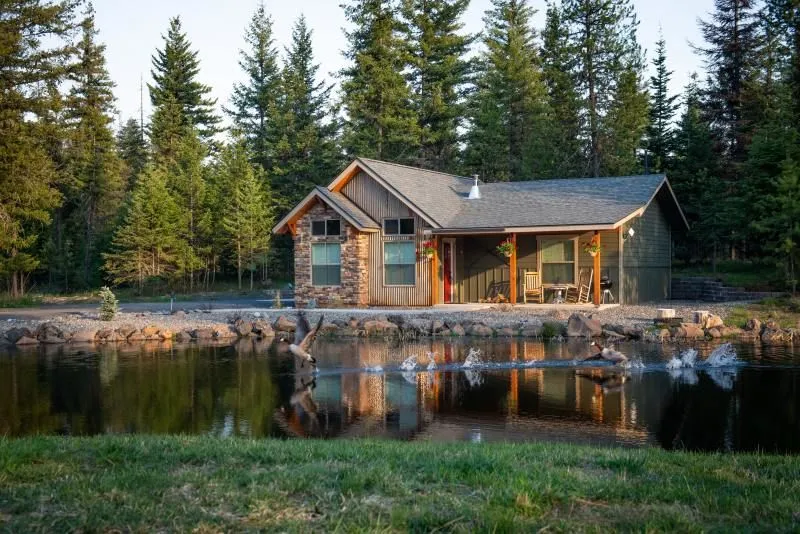
Now with summer firmly in the rearview mirror, despite what the forecast says for early this week in southern Ontario, it is a good time to do a final inspection before shutting down your cottage until the springtime. If you don't give it a thorough check before closing up, things such as frozen pipes, pest infestations, and ice damage can lead to costly repairs come springtime. First thing: Drain the sinks. "Drain everything because water expands as it freezes, and if you don't get all the water out, you could have ruptured lines. Add antifreeze to toilets and drains to ensure any remaining water doesn't freeze. Pull the lines that go out into the lake, and ensure they're drained and stored in a safe place, well away from the lake water," said Mark Robinson, Storm Hunter and meteorologist at The Weather Network.
(Pexels)Once the power is off, empty your water heater. Content continues belowNext, you can properly manage your electricity. According to Robinson, you have two choices: Turn off the power completely or leave it on. But, make sure to unplug appliances and entertainment systems.
This article is an excerpt. To read the full content, visit the original source. The Weather Network
Related articles
Frost advisories in cottage country and southeastern Ontario
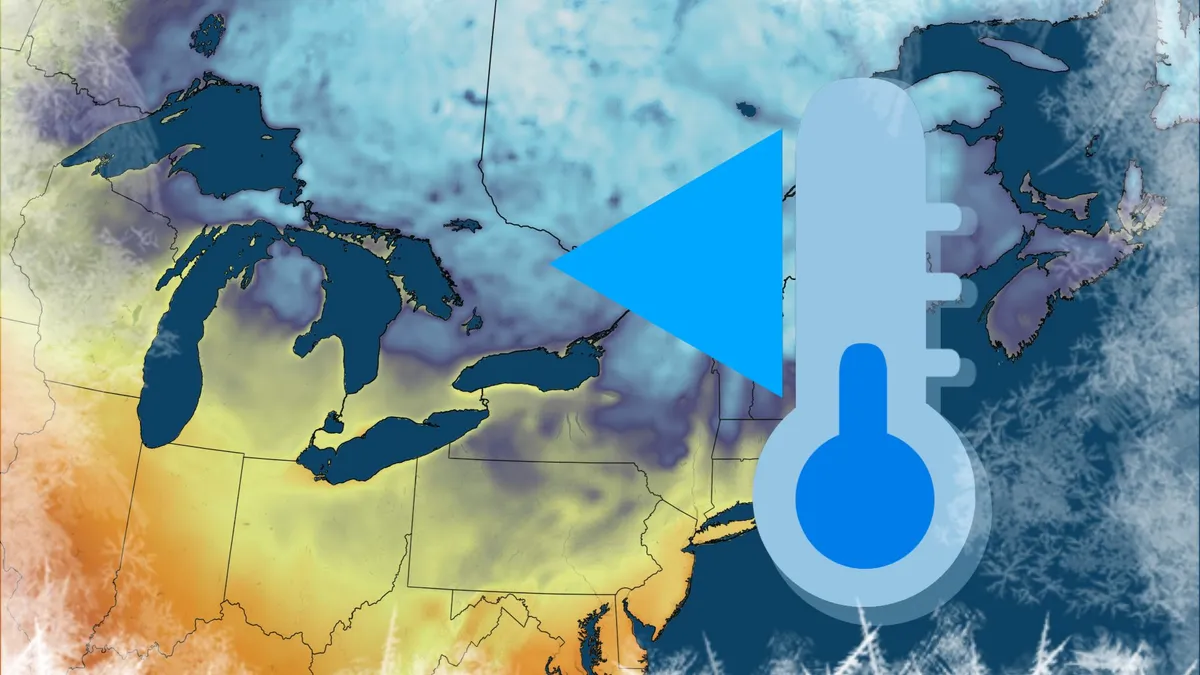
Frost advisories are popping up all over Ontario after a stormy weather event and a hot summer. A tumbling ridge of high pressure is clearing the sky and easing the winds across the province. This will help usher in cooler temperatures going into the overnight. The ridge will create conditions for patchy frost to appear, especially in low-lying and frost-prone areas. Environment and Climate Change Canada (ECCC) has issued widespread frost advisories in the Nickel Belt, cottage country, and even parts of southeastern Ontario. RELATED: El Niño has put Canada's weather on pauseEnsure you take preventative measures to protect cold sensitive plants. These frosty conditions will create overnight lows in the low to mid-single digits in cottage country and southeastern Ontario. Content continues belowThe frost risk is expected to lessen going into Saturday night, thanks to a system moving towards the southwest that will bump up temperatures. WATCH: The '3 Cs' that mean frost could be on deckStay with The Weather Network for more updates on Ontario’s weather
Your fall vehicle checklist before winter hits
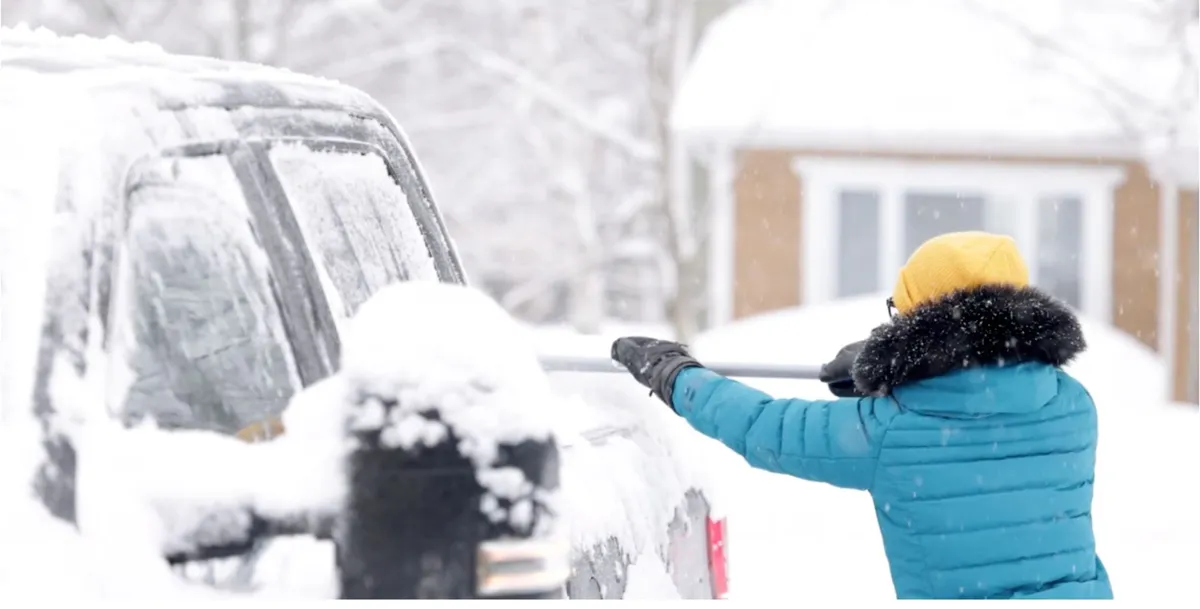
Winter is coming, and now is the time to get your vehicle ready.1. Check your tiresIf you're counting on all-season tires to carry you through the entire year, it may be time to rethink that. “It's a bit of a misconception, mainly because of the name. All-season tires really only work for three seasons of the year. Once it gets below 7°C, they have less grip on the pavement,” explained D'Andre Urquhart, Service Advisor at OK Tire. The difference comes down to the rubber and tread design. All-season tires have fewer and shallower sipes, which means less traction and reduced braking performance in snowy conditions. Once temperatures are consistently around 7°C or lower, it's time to switch to dedicated winter tires. D'Andre Urquhart assists customer at OK Tire. (The Weather Network)Content continues belowRELATED: Cold weather and tires: Three things to check for before it's too late2. Don't forget tire pressureCold weather affects more than just your traction. It can also lower your tire pressure. For every 5 to 6°C drop in temperature, your tires can lose pressure, which can impact handling, fuel efficiency, and tire wear.
0 comments
No comments yet. Be the first to share your thoughts!