Categories
Science
12559 articles
Science
Here’s how you could be a psychopath and never know it - BBC Science Focus Magazine
Chances are, you’ve crossed paths with a psychopath today. With an estimated 1 in every 100 people meeting the criteria for psychopathy, it could’ve been the person who held the door for you this morning, the colleague across the desk, or the stranger doomscrolling beside you on the train. It could be your neighbour. Your partner. Or – maybe, just maybe – you. You see, despite how common psychopathy is, most cases simply go undetected. Many people with psychopathic traits live their entire lives without ever knowing it.
BBC Science Focus Magazine·
Science
They made chemistry choose a mirror image - NobelPrize.org
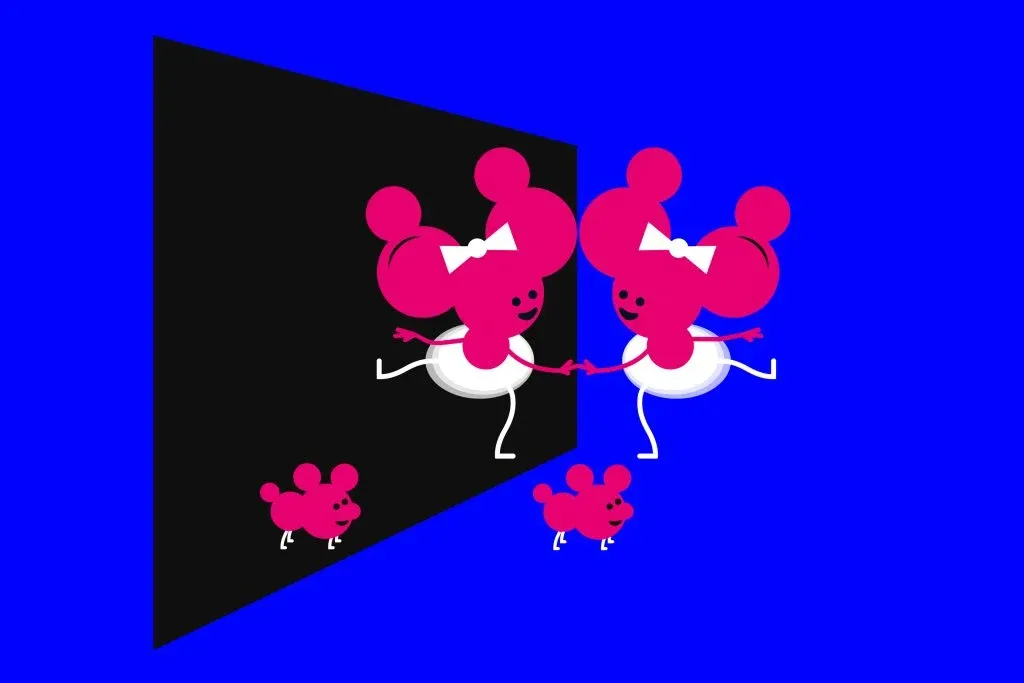
EnglishEnglish (pdf)SwedishSwedish (pdf) The Royal Swedish Academy of Sciences has decided to award the Nobel Prize in Chemistry 2026 to
NobelPrize.org·

Science
'Completely unexpected': Astronomers spy never-before-seen 'phoenix planet' rising from the ashes of a dead star - Live Science
Astronomers have spotted a rare "second-generation" exoplanet closely orbiting the nearby white dwarf HS 0209+0832.
Live Science·
Science
NASA’s PRIMA Spacecraft (Artist’s Concept) - NASA Science (.gov)
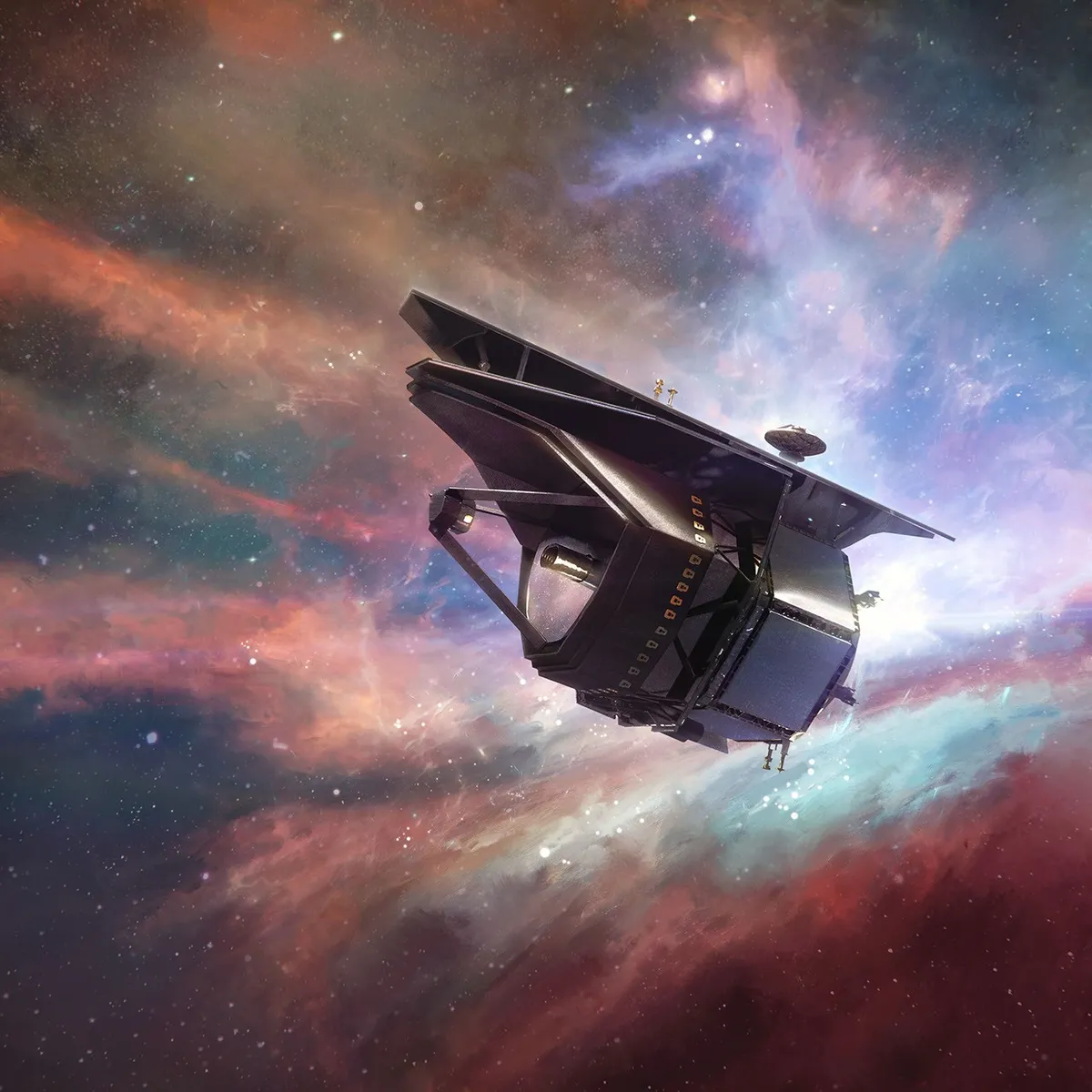
This artist’s concept depicts the proposed design for NASA’s PRobe far-Infrared Mission for Astrophysics (PRIMA), which was selected by the agency in September 2026. The PRIMA observatory is the first in a new class of NASA astrophysics missions, called Probe Explorers, within the agency’s longstanding Explorers Program. By observing far-infrared light, PRIMA will enable scientists to study cosmic objects heavily obscured by dust, providing new insights into the formation of planets, stars, and black holes, and even how water on Earth came to be. If confirmed by the agency, PRIMA will be targeted to launch in 2033, for a planned five-year mission.
NASA Science (.gov)·
Science
Roboticists showcase tiny, frog-like robot that can hop across wet surfaces and swim - Live Science
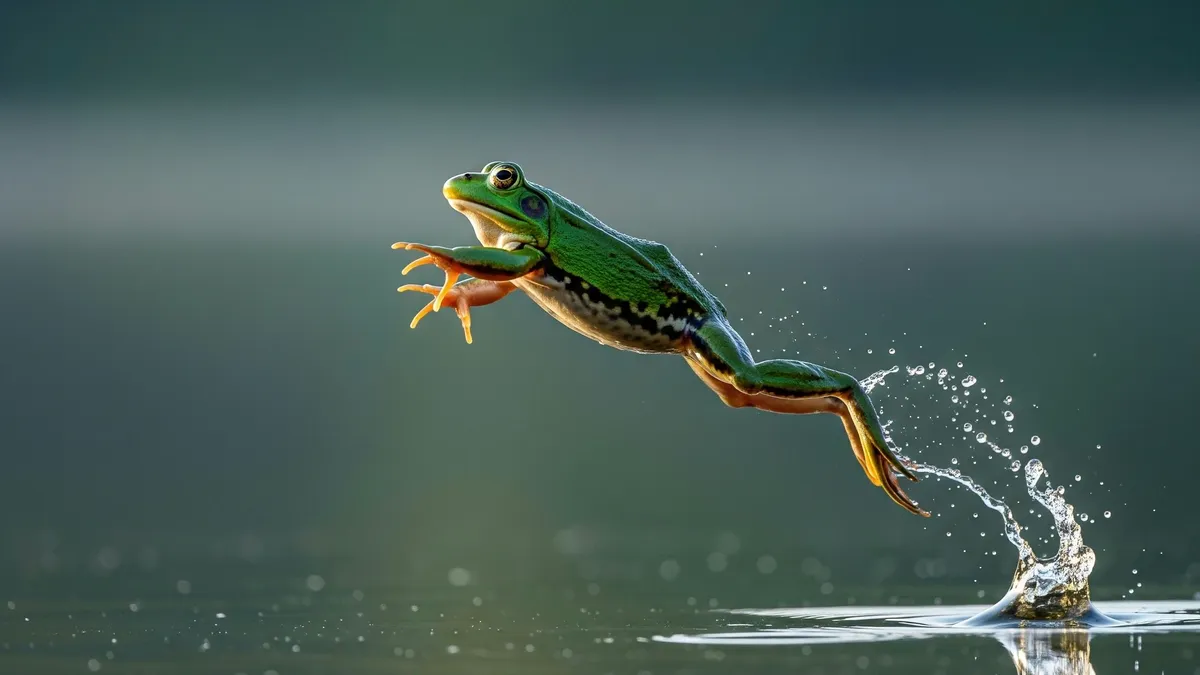
A palm-sized robot inspired by frogs uses snapping rods to jump, swim and navigate an obstacle course.
Live Science·

Science
NASA’s Curiosity Captures Dawn Breaking on Wind-Carved Cliffs - NASA Science (.gov)
NASA’s Curiosity Mars rover captured this panorama of sunrise illuminating distant, wind-carved features called yardangs on Aug. 11, 2026, the 4,982nd Martian day, or sol, of the mission. Scientists are eager to learn more about how the yardang layer formed. Figure A is a crop zooming in on the distant yardangs.
NASA Science (.gov)·
Science
News: The Science Film Festival Introduces AI to Students and Encourages Wise Use of Technology - Kemendikdasmen
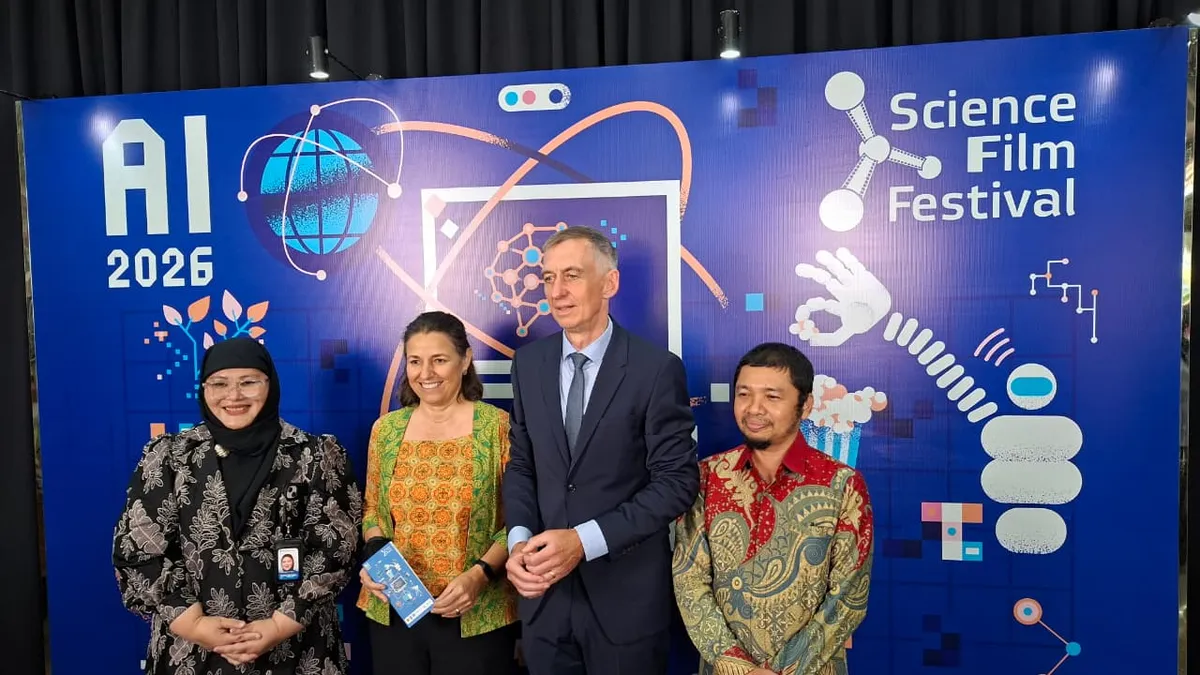
Jakarta, October 7, 2026 – The Ministry of Education and Secondary Education (Kemendikdasmen) encourages students to learn about artificial intelligence (AI) and utilize it wisely and responsibly through the holding of the Science Film Festival 2026. The festival, initiated by the Goethe-Institut, was officially opened in Jakarta, Tuesday (6/10). Special Staff to the Minister of Primary and Secondary Education for the Improvement of Science, Technology, Engineering, and Mathematics (STEM) and Teacher Competence, Maila Dinia Husni Rahiem, who brought greetings from the Minister of Primary and Secondary Education Abdul Mu'ti, said that the Science Film Festival is relevant to the National STEM Program "Dare to Try, Creative to Create" developed by the Ministry of Education and Culture. According to her, the films and experiments in the festival can provide creative ideas for students to try and develop the things they see during the activities. "So this is an activity that I think is open or sparkling, from the brilliant ideas of Indonesian children," she said.
Kemendikdasmen·
Science
Pink, pretty, and protective. A dumbo octopus is here with a message from the deep-sea. - Popular Science
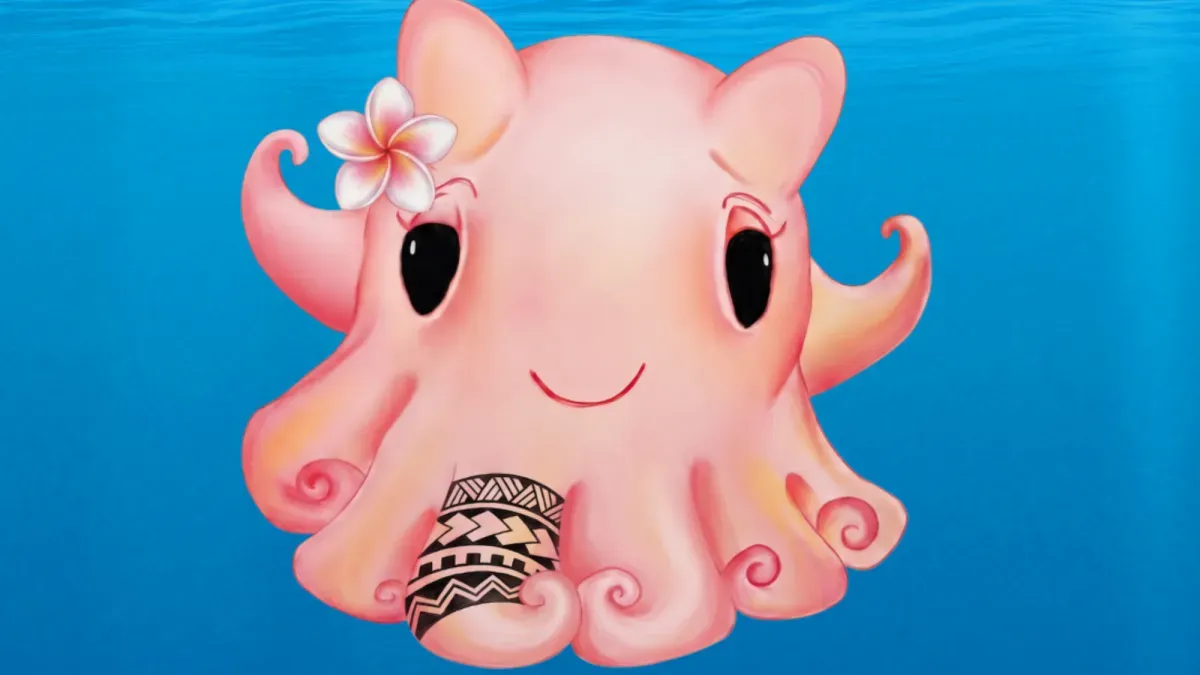
She’s bubblegum pink with a permanent little smile. She sports a pretty flower on her head sports a black tattoo on one of her eight arms. But don’t let this dumbo octopus’ adorable exterior fool you. Miss Abyss is here on serious business. “Miss Abyss is a dumbo octopus from the deep-sea, and she is on a journey all across the country looking for allies to support her to help defend the deep-sea,” Angelo Villagomez, a research fellow at the Center for American Progress (CAP), tells Popular Science.
Popular Science·
Science
Nobel Prize in chemistry goes to Kagan and Saoi for solving molecular mystery - National - Global News
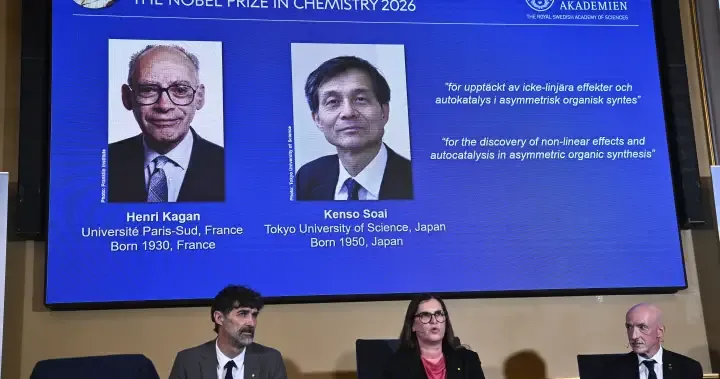
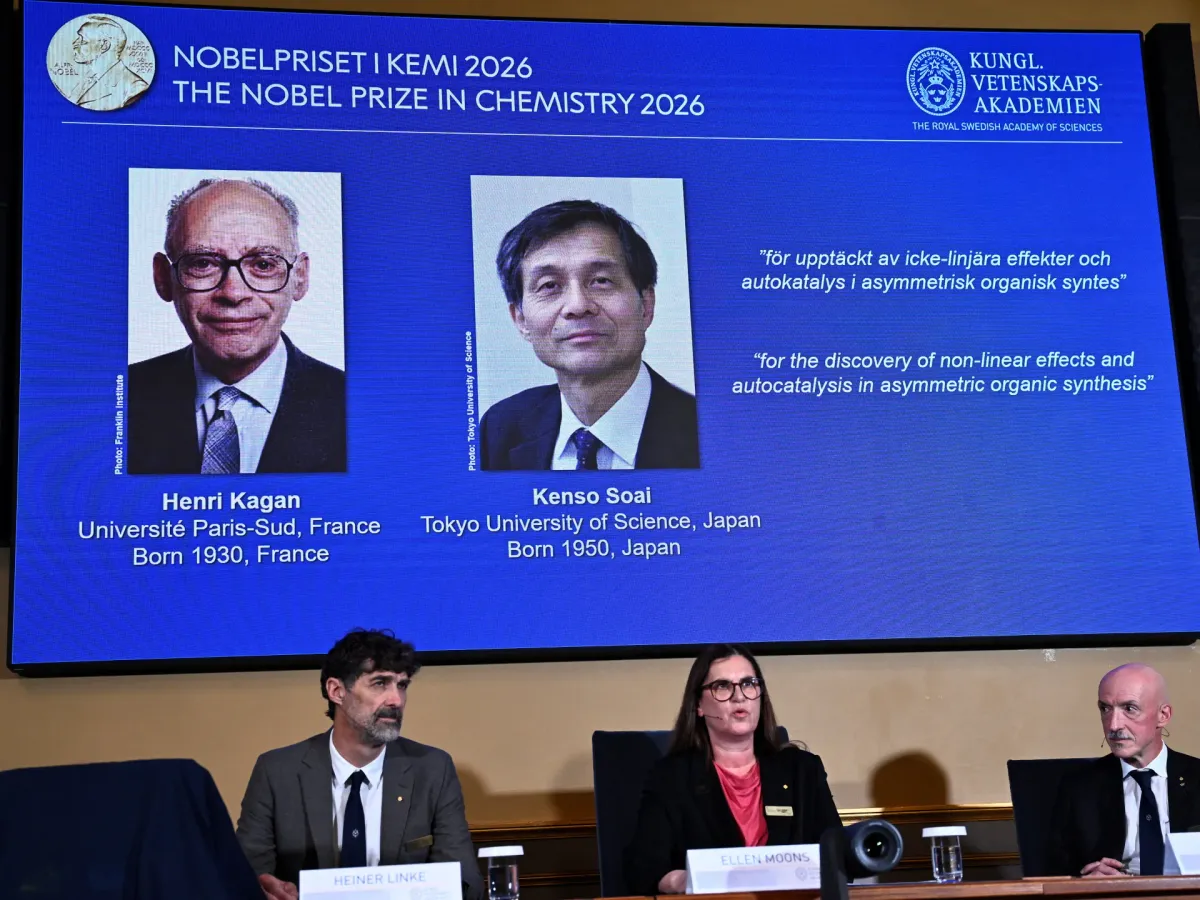
Henri B. Kagan and Kenso Soai won the Nobel Prize in chemistry Wednesday for their efforts to resolve mysterious mirror images in chemical molecules, a discovery that transformed modern medicine. Many molecules of life come in versions that look alike but aren’t exactly identical, like right and left hands. One mirror image of the chemical carvone smells like mint, for example, while the other has a whiff of caraway. When designing drugs to treat diseases, scientists want to be choosy about which mirror image they’re getting. They want the version of a molecule that’ll treat a cold, not the kind that’ll make the sniffles worse. Kagan and Soai found ways to make chemistry pick a side, designing and manipulating reactions to produce the desired mirror image. “This is probably the coolest experiment in organic chemistry,” said Peter Somfai, a member of the Nobel Committee for Chemistry. “Taken together, the groundbreaking discoveries by Henri Kagan and Kenso Soai have reshaped our understanding of molecular chirality — how it is created, amplified and transmitted.” Story continues below advertisement
Global News·
Science
French, Japanese scientists share Nobel Prize in Chemistry - CBC
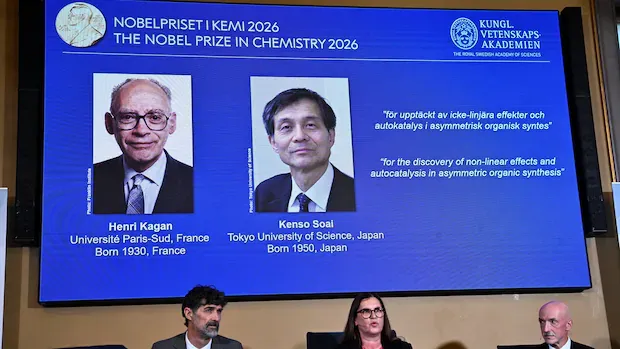
WorldHenri B. Kagan and Kenso Soai won the Nobel Prize in Chemistry on Wednesday for their discovery of non-linear effects and autocatalysis in asymmetric organic synthesis. Henri Kagan, Kenso Soai credited for advancements that help in design of pharmaceuticalsThe Associated Press · Posted: Oct 07, 2026 6:14 AM EDT | Last Updated: October 7Listen to this articleEstimated 2 minutesThe audio version of this article is generated by AI-based technology. Mispronunciations can occur. We are working with our partners to continually review and improve the results. Henri Kagan, left, and Kenso Soai are shown on a screen at the Royal Swedish Academy of Sciences in Stockholm after being awarded the 2026 Nobel Prize in Chemistry on Wednesday. (Fredrik Sandberg/TT News Agency/Reuters)Henri B. Kagan and Kenso Soai won the Nobel Prize in Chemistry on Wednesday for their discovery of non-linear effects and autocatalysis in asymmetric organic synthesis. "Henri Kagan and Kenso Soai have provided a solution to a chemical mystery that is over a century old: how homochirality can emerge spontaneously," Heiner Linke, chair of the Nobel Committee for Chemistry, said in a news statement.
CBC·
Science
French-Japanese duo win chemistry Nobel for ‘mirror image’ breakthrough - Al Jazeera
Scientists honoured for solving mystery of asymmetric ‘mirror image’ molecules that has helped in manufacture of pharmaceuticals. Scientists Henri Kagan and Kenso Soai have won the 2026 Nobel Prize in Chemistry for solving a longstanding riddle of asymmetric “mirror image” molecules, a discovery hugely important for pharmaceutical manufacturing. The Royal Swedish Academy of Sciences said on Wednesday the pair – Kagan, 95, from France; and Soai, 76, from Japan – were honoured “for the discovery of nonlinear effects and autocatalysis in asymmetric organic synthesis”. Recommended Stories list of 2 itemslist 1 of 2US support for Israel continues three years into the genocide in Gazalist 2 of 2Justina Shiroka Pula: Kosovo’s new president, elected during a crisisend of listTheir findings showed how chemical reactions can be driven to favour a single molecular mirror image, work that has been key for chemists who design reactions for the manufacture of pharmaceuticals. Many of the molecules essential to life exist in two forms that are mirror images of each other, like left and right hands.
Al Jazeera·
Science
Scientists changed how zoo lions eat. Their wild side came out - Science Daily
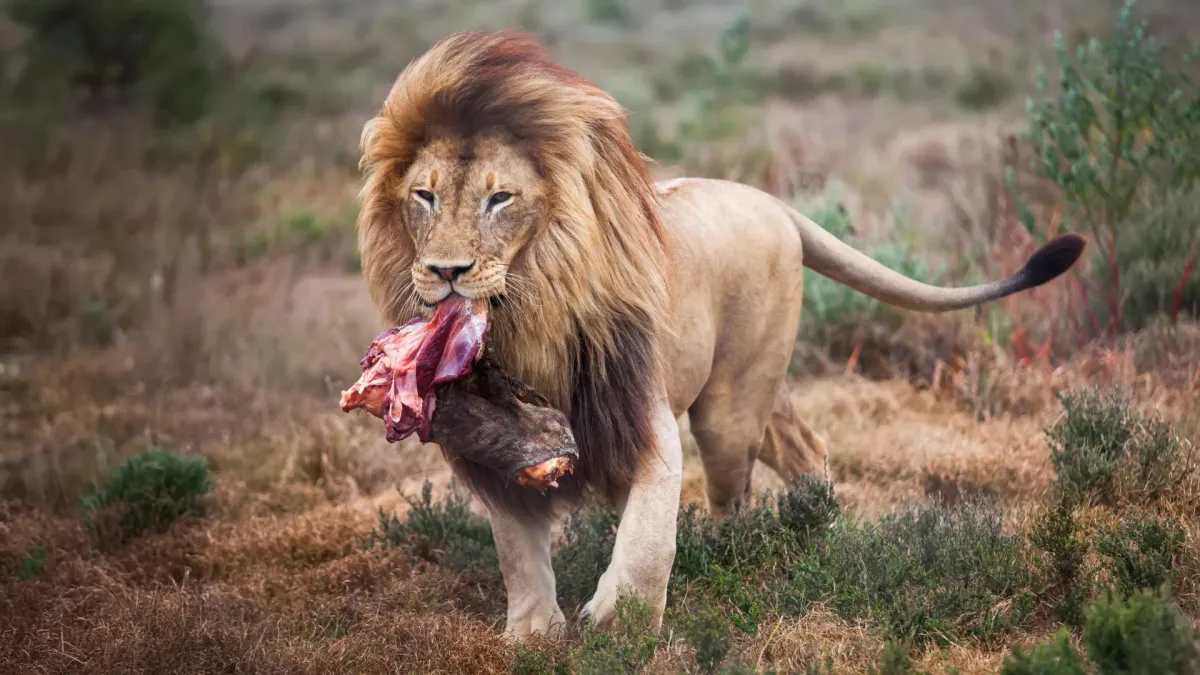
A new Australian study suggests that zoo lions behave more like their wild counterparts when they are given whole animal carcasses as part of a feast and fast feeding schedule. Published in Applied Animal Behaviour Science, the research was conducted by Adelaide University and Monarto Safari Park in South Australia. Scientists studied a group of adult male African lions after animal care staff added whole carcasses every nine days to an existing feeding routine designed around periods of eating and fasting.
Science Daily·

Science
What firefighters want you to know about lithium battery fires - CBC
Firefighters have raised alarms about hot, fast, hard-to-extinguish fires in lithium batteries from e-bikes in people's homes (including ones in Toronto and Peterborough, Ont., just this week) and huge storage batteries at a P. E. I. solar farm last month. Concerns about lithium battery fires have led to bans of electric bikes and cars in some buildings, public transit and ferries, causing problems for people who rely on them. They've also made some people hesitant about trying electric vehicles. This week is Fire Prevention Week, and lithium batteries are the official theme. Here's a closer look at why lithium battery fires are a challenge and what can be done to minimize the risks. WATCH | Why lithium-ion batteries are so dangerous:Why lithium-ion batteries are so dangerousAugust 20|Duration 2:08Toronto has seen more than 200 per cent growth in lithium-ion battery fires since 2022, according to Toronto's Fire Chief. CBC's Lane Harrison explains what's behind the surge and why these fires are so difficult to fight. How common are lithium battery fires?
CBC·
Science
'Mouth of Hell' Volcano May Be Refilling With Magma - ScienceAlert
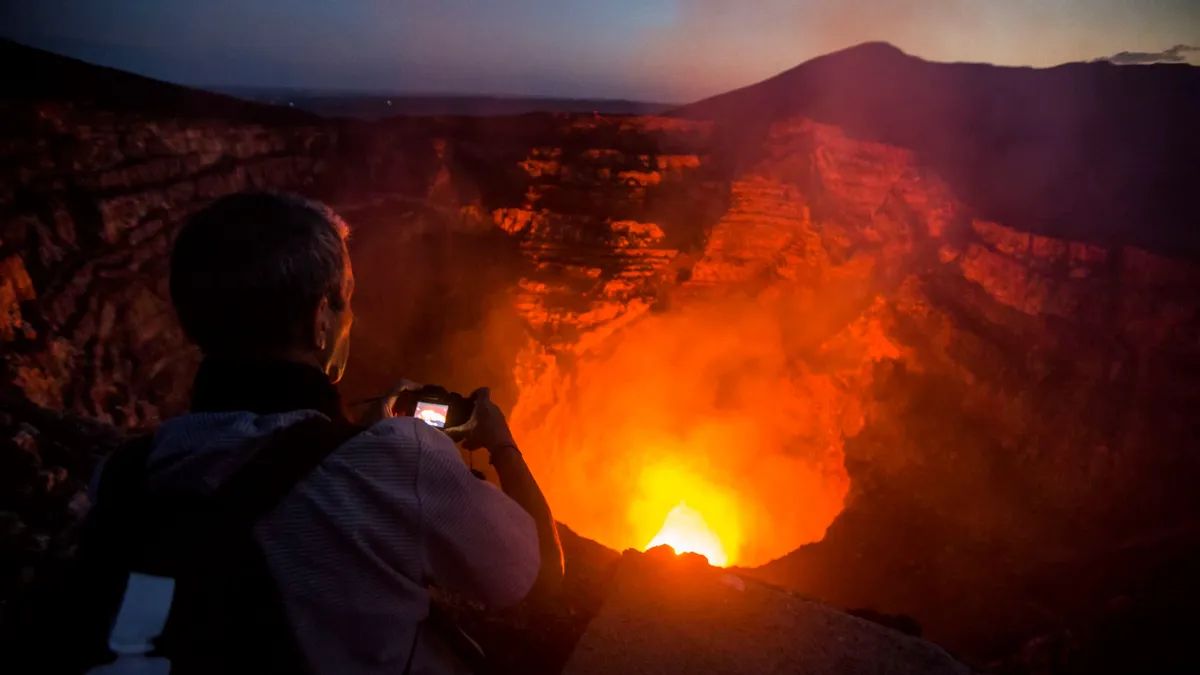
A tourist at Masaya Volcano. (INTI OCON/AFP via Getty Images) Thousands of tourists come to check out the 'Mouth of Hell', a lava lake inside Masaya Volcano, each month, and millions more people live nearby. Given how many people are on and around this well-and-truly active volcano, scientists are keeping a very close eye on what it's up to. Now, it appears two reservoirs of magma lurking within the volcano are active at the same time. Those are the findings presented in Geophysical Research Letters by a team from Pennsylvania State University, based on Sentinel-1 satellite radar images taken roughly every 12 days for six years. The volcano's famous lava lake is just a small surface feature of the much larger volcano complex, which researchers are still trying to understand, so they can better understand what risks face nearby residents and the droves of tourists that come through daily. Around 2 million people live in close proximity to the volcano. Managua, the capital city of Nicaragua, is about 20 kilometers (12 miles) away.
ScienceAlert·
Science
NASA Releases Artemis II Lunar Science Data, Images - NASA (.gov)
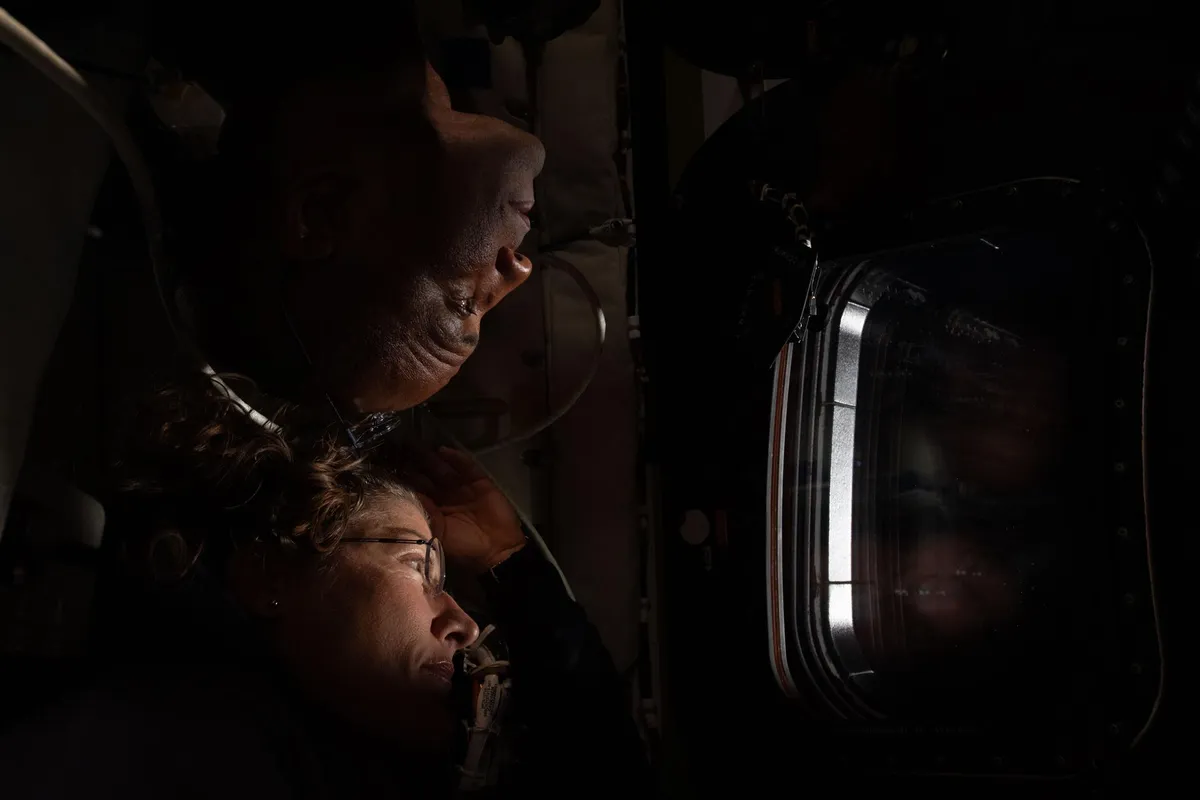
NASA’s Artemis II crew traveled around the Moon and back and, along the way, captured stunning imagery and scientific observations of our nearest neighbor. NASA is making the full lunar science dataset from their journey available Wednesday to the global science community and the public for further study. More than 800 gigabytes of Artemis II lunar science data – some previously unreleased – have been uploaded to NASA’s Planetary Data System, the public archive for NASA’s planetary missions. This data release includes more than 11,000 full-resolution images and video of the Moon from the crew’s handheld cameras and the Orion spacecraft’s cameras, 8.5 hours of audio recordings of the crew’s scientific observations of the lunar surface, and crew-annotated images.
NASA (.gov)·