BBlogFlow

Categories

Science

12515 articles

Science

Trump gives top US science awards to Elon Musk and other tech executives - Al Jazeera

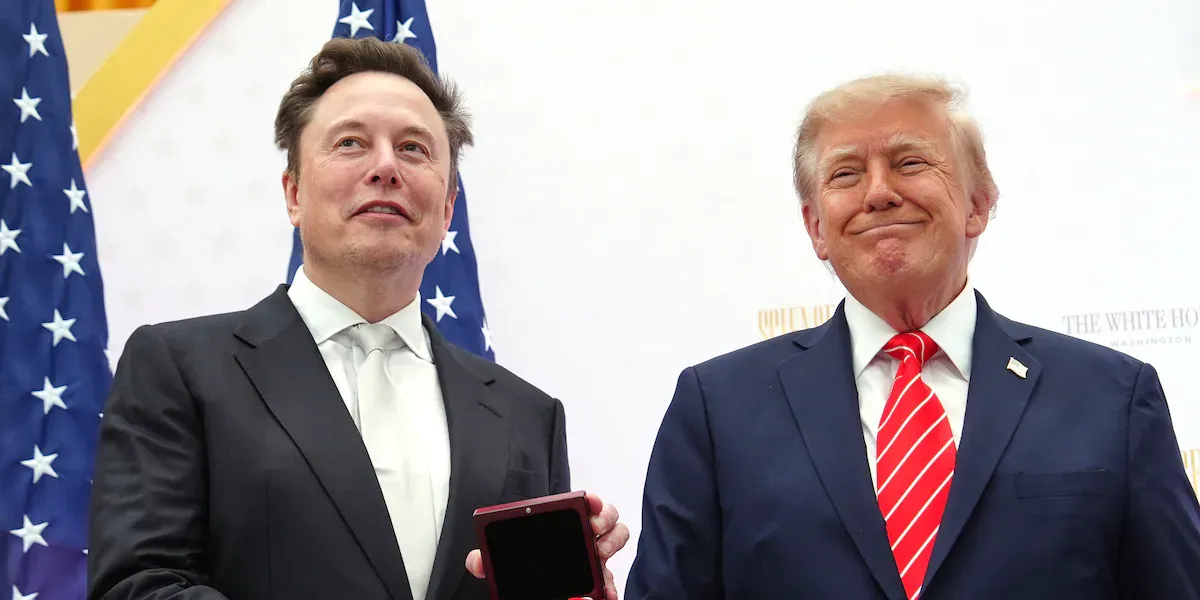
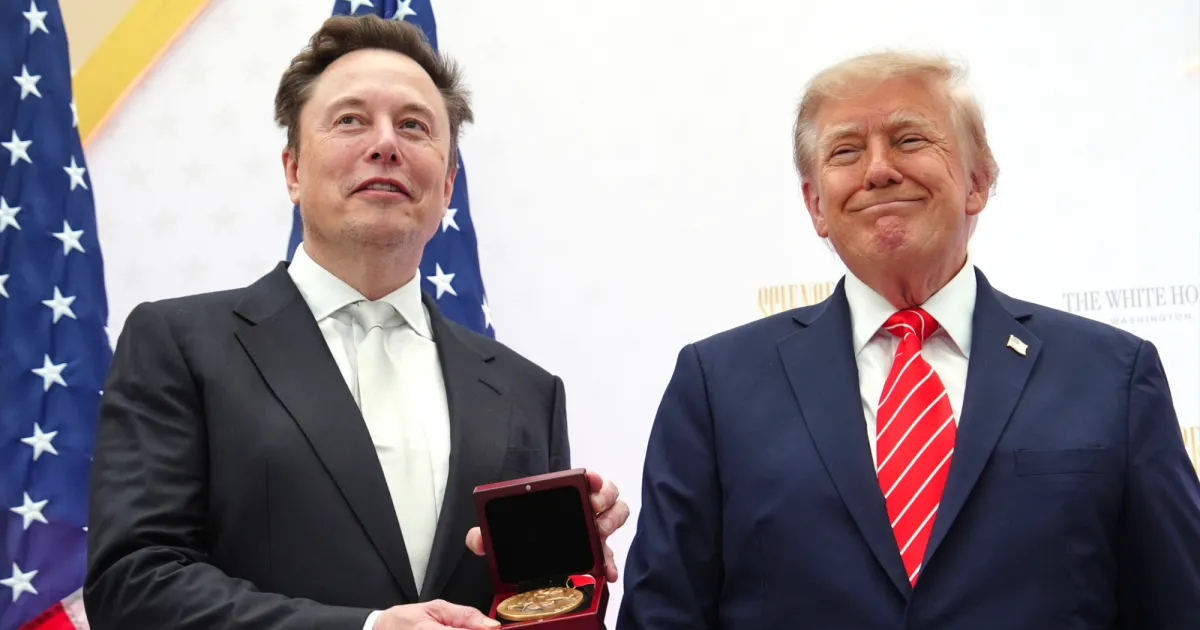
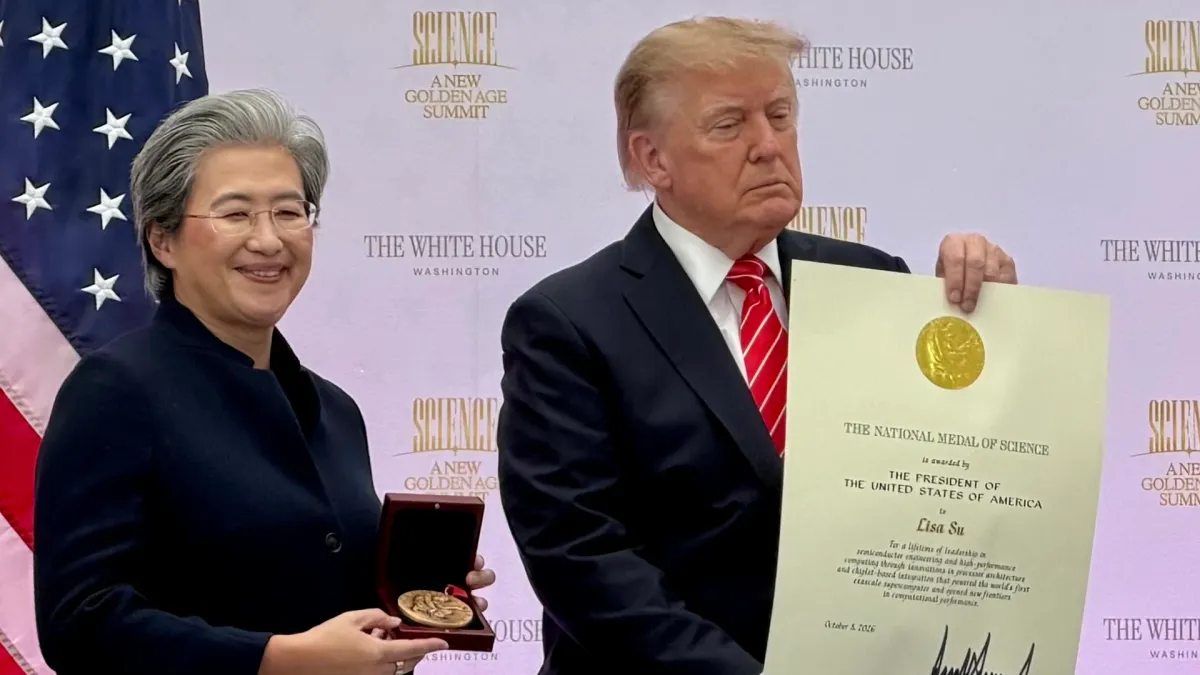
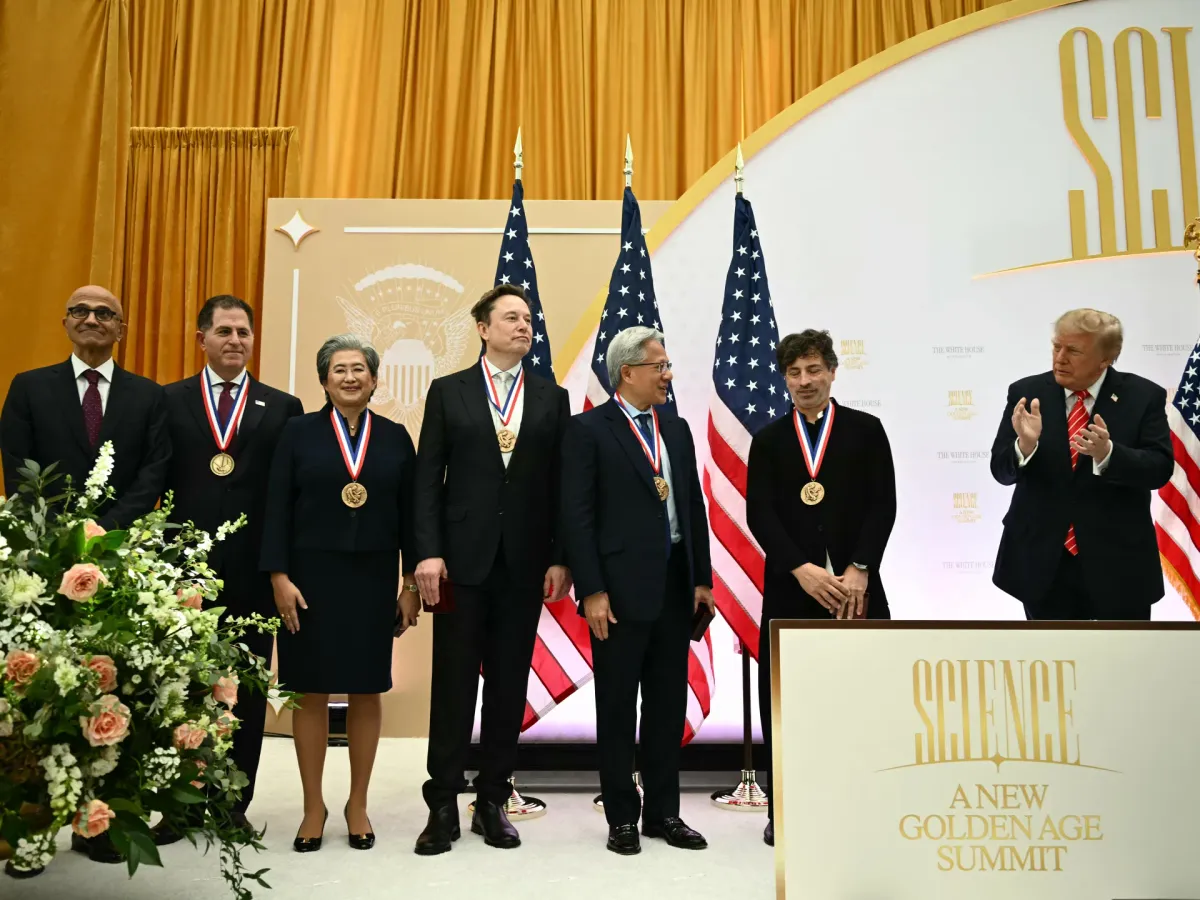
United States President Donald Trump has awarded the country’s most prestigious honours in science and engineering to executives from top technology firms including SpaceX, Alphabet, Microsoft and Nvidia. On Thursday, Trump presented the National Medal of Science to billionaire SpaceX and Tesla CEO Elon Musk, Google co-founder Sergey Brin, Nvidia CEO Jensen Huang and Lisa Su of the semiconductor firm AMD. Recommended Stories list of 3 itemslist 1 of 3Trump, tech bosses sign voluntary pact pledging ‘robust’ AI safeguardslist 2 of 3What are the world’s biggest AI companies and how much are they worth?list 3 of 3US suspends Microsoft and Adobe from visa programme amid fraud claimsend of listTwo more recipients received the National Medal of Technology and Innovation: Michael Dell of Dell Technologies and Microsoft CEO Satya Nadella. At the award ceremony, Trump credited the honourees with “helping pioneer an incredible future for America”. “Because of these people here, we will always be on top. No one else can compete with us,” Trump said. Five of the six people receiving medals on Thursday were born outside the US.

Al Jazeera·
Science

From Science Fiction To The Boardroom Logitech Previews Breakthrough Sound Shape Audio Technology In New Rally Speakers 2 Pro And Max - TradingView

Select market data provided by ICE Data Services. Select reference data provided by FactSet. Copyright © 2026 FactSet Research Systems Inc. Copyright © 2026, American Bankers Association. CUSIP Database provided by FactSet Research Systems Inc. All rights reserved. SEC filings and other documents provided by Quartr.© 2026 TradingView, Inc. SOC 2

TradingView·
Science

Celebrate! 2026 - University of Alberta

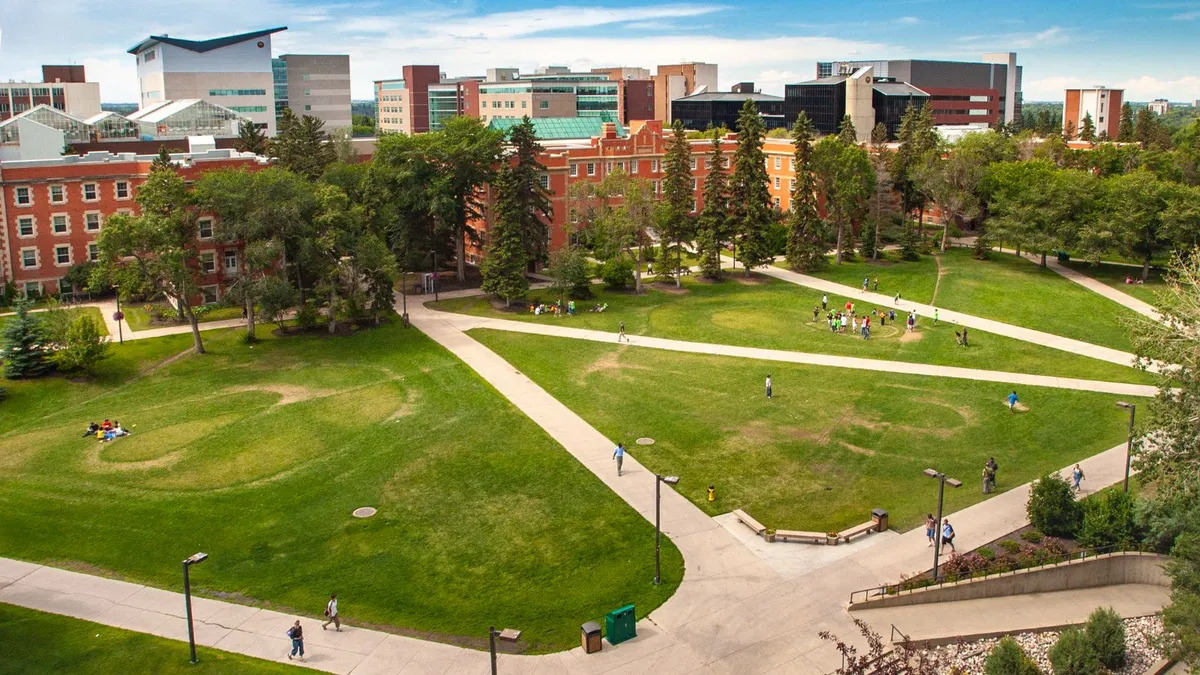
Each year, the Celebrate! Teaching. Learning. Research event recognizes and honours some of the University of Alberta's most outstanding individuals. On Oct. 6, 2026, faculty, staff and students came together to celebrate their achievements. Teaching, learning and walking alongside one another in INT D222: Indigenous Health

University of Alberta·
Science

Using Claude Science to produce the first complete map of the sky in UV light - Anthropic

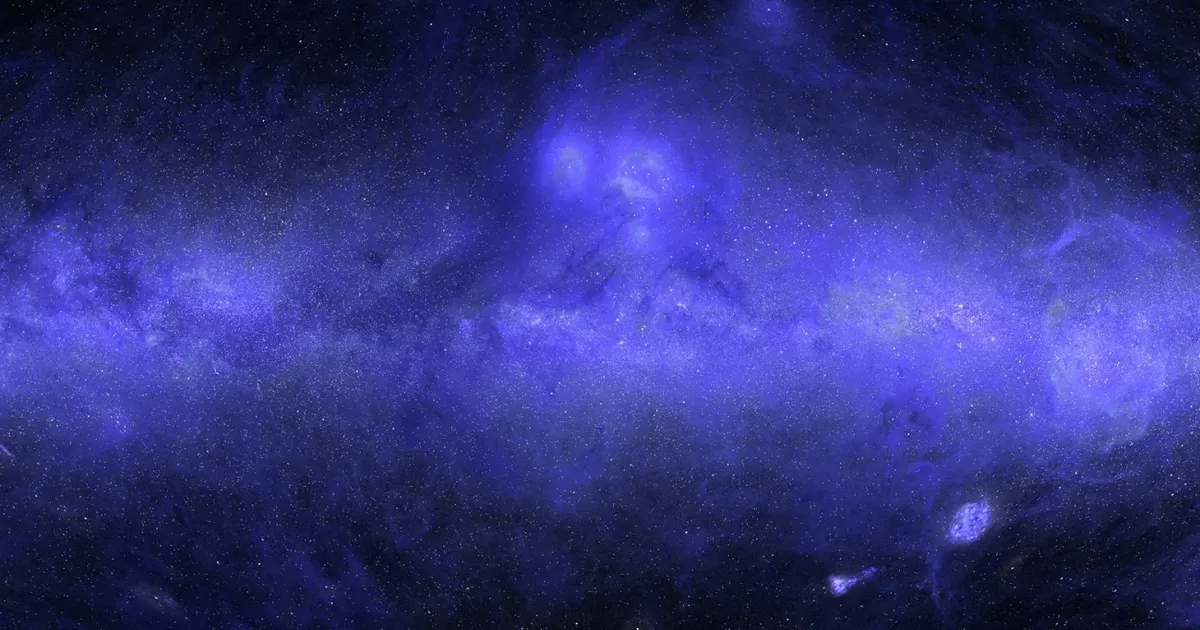
Here, Brice Ménard, an astrophysicist at Johns Hopkins University and a researcher at Anthropic, explains how he worked with Claude Science to produce the first complete map of the sky in UV light. The map will be a valuable educational tool, allowing students to see in detail the rich structure of the Milky Way visible at this wavelength. The entire sky, with the galactic center in the middle, in the ultraviolet (combining far-UV 154 nm and near-UV 232 nm). About a third of this map, including much of the galactic plane, was predicted with Claude Science using the method outlined in this post. Additional layers of the map label each pixel as “measured” or “predicted” and provide uncertainty estimates; you can see it here. When I teach astrophysics, I often begin by showing my students that the sky looks completely different depending on the wavelength you observe it in. Each brings out different features. In visible light, one mainly sees stars. Switching to infrared reveals the glow of tiny grains of dust concentrated in a band along the Milky Way. In radio waves, the stars and dust fade and hydrogen gas—the raw material from which new stars form—becomes visible.

Anthropic·
Science

20,000-pound mosasaurs ambushed prey with sneak attacks - Popular Science

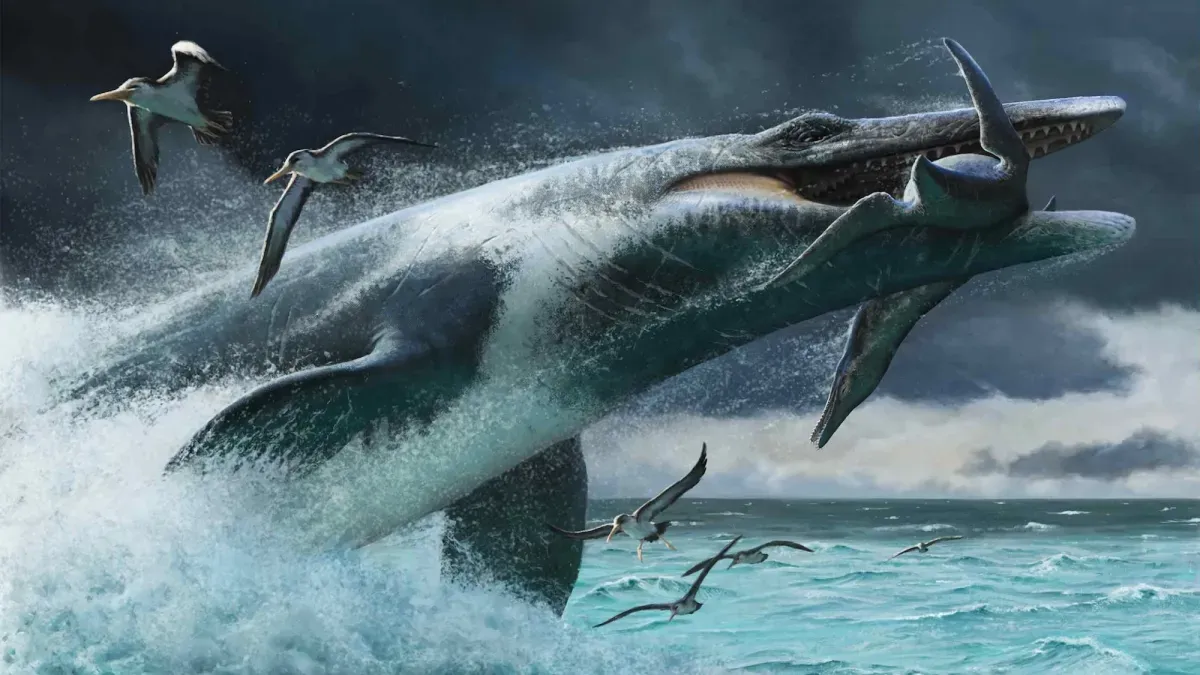
Paleontologists reconstructed mosasaur anatomy based on their fossil records and present-day predators like the Komodo dragon. Mosasaurs are terrifying enough based on their fossils alone. The Cretaceous marine reptile family encompassed some of the undisputed apex predators of Earth’s ancient oceans (and possibly even some rivers). Species like Mosasaurus hoffmanii easily reached nearly 50-feet long, while weighing as much as 20,000 pounds—and there are many more mosasaurs just like them.

Popular Science·
Science

DOE Announces Science Applications For Quantum Computing - The Quantum Insider

The Department of Energy released eight Quantum Genesis Priority Applications to guide the development and evaluation of fault-tolerant quantum computers for scientific use. The applications span chemistry, materials, subatomic physics and applied mathematics, with performance to be benchmarked against advanced supercomputing methods.

The Quantum Insider·
Science

Trump touts new AI investments, awards top science honors - WAGM

WASHINGTON (Gray DC) - President Donald Trump on Thursday announced new investments in artificial intelligence, aimed at maintaining American leadership in the technology. Trump made the announcement at the U. S. Institute of Peace. The White House called the announcement an historic SI Compute Hub in the Southeast. It will benefit more than 14 institutions in 10 states. “From day one, my administration has taken decisive action to ensure that America continues to dominate the frontiers of science and technology,” Trump said. Separately, in Georgia, universities, industry and the state are announcing a $1 billion investment in scientific endeavors for students and faculty. Trump also awarded top scientific honors to prominent tech industry leaders, including Elon Musk, Michael Dell and Google co-founder Sergey Brin. On artificial intelligence, which the administration calls Super Intelligence, Trump said the industry will continue to self-regulate rather than adhere to new regulations. Before the event, President Trump posted on Truth Social that anyone who refuses to use his new term “super intelligence” is an enemy. Copyright 2026 Gray DC. All rights reserved.

WAGM·
Science

A Yale physicist — and IceCube member — salutes this year’s Nobel Prize winner - YaleNews

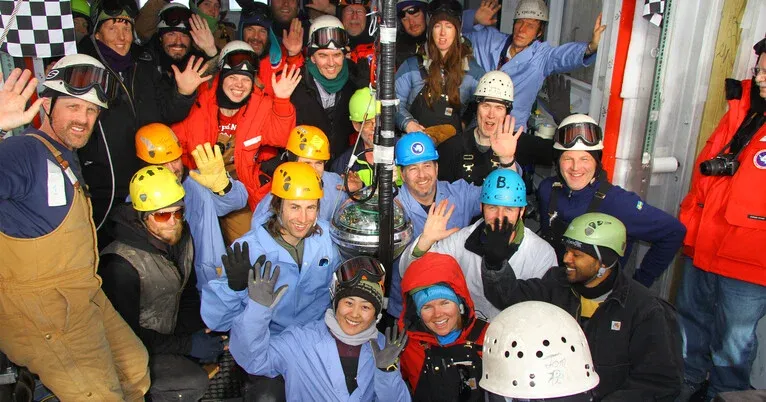
For physicist Reina Maruyama, the 2026 Nobel Prize in physics brought back warm memories of cold moments. The prize, awarded earlier this week, went to Francis Halzen of the University of Wisconsin-Madison, the principal investigator for the groundbreaking neutrino experiment IceCube, which is based at the South Pole. Launched officially in 1999 with an ambitious experiment proposal, the IceCube Neutrino Observatory, located deep beneath an ice sheet near the Amundsen-Scott South Pole Station in Antarctica, would go on to discover high-energy neutrinos that originate in deep space and travel unimpeded through the universe. The experiment grew to include more than 450 researchers from 58 institutions in 14 countries. The IceCube Neutrino Observatory was completed in December 2010, ahead of schedule. Physicist Reina Maruyama, a member of the collaboration, is shown helping to hold the celebration banner.

YaleNews·
Science

How the bad science of AI doomerism is good for big business - People's World

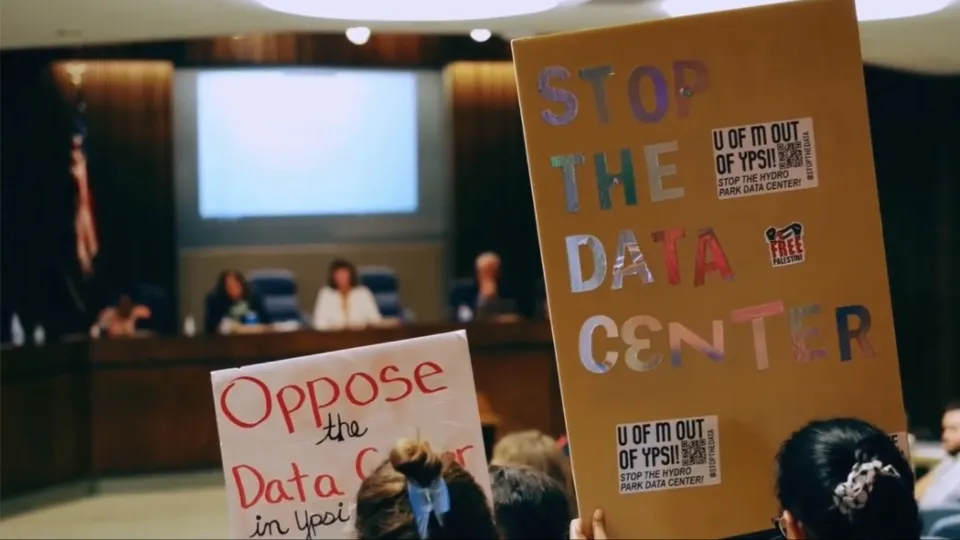
Residents speak out against the new data center at a council meeting at the Ypsilanti Township Civic Center, June 17. | Photo via @stopthedata on Instagram When Jacob Coxon resigned earlier this month from Anthropic, citing dramatic concerns about AI racing humans toward extinction, it capped several years of public defections by employees warning that the AI companies are moving too fast and taking extraordinary risks.

People's World·
Science

From a single cell to 1.2 million: Scientists successfully create the largest cellular “family tree” for a mammal - EurekAlert! Science News Releases

image: A circular lineage tree of a 13-day old mouse embryo, originating from a single cell at the center expanding outward over developmental time. Cells derived from the first cell division are marked in blue or red. How does a single fertilized egg produce all the cells in an animal’s body? This question has hung over science for decades, and it’s critical to understanding how diseases like cancer take hold and spread in the body. A new study in the journal Science led by researchers from the Seattle Hub for Synthetic Biology (Seattle Hub)—comprised of the Allen Institute, UW Medicine, and Biohub—moves us closer to the answer.

EurekAlert! Science News Releases·
Science

DNA Typewriter records cells’ history in early mouse embryo - EurekAlert! Science News Releases

image: DNA Typewriter is injected into the genetic material of a fertilized mouse egg. This technology taps into the genetic material in the fertilized egg and resulting embryonic cells as a recording device of the cells' histories. It tracks their relationships as the embryo develops. Scientists have succeeded in reconstructing the family tree of cells in a developing mouse embryo. They recorded cells’ relationships, starting when the fertilized egg first split in two and ending after the body with organs took shape. That period lasted 13.5 days. (Full gestation in mice is 19 to 21 days.)

EurekAlert! Science News Releases·
Science

Life Sciences Lifeline: VEDDER: Building the Next Generation of Biotechnology and Biodefense - Purdue University

October 20, 2026 - 11:30 AM Eastern TimeLocation: Barnes & Thornburg, Fifth Floor Event Hall, 11 S. Meridian St., Indianapolis, IN 46204Time: 11:30AM - 1:00PM Biotechnology is becoming increasingly important to America’s economic and national security, creating new opportunities for companies across Indiana and the broader life sciences ecosystem. At this Lifeline Luncheon, leaders will introduce the VEDDER Biotechnology Accelerator and discuss how it is helping advance biotechnology and biodefense capabilities, strengthen collaboration, and create pathways for companies to engage. Panelists will explore what VEDDER means for organizations of all sizes, where opportunities for partnership and participation may exist, and how companies can position themselves to become part of this growing ecosystem. Whether your organization is already working in biotechnology or biodefense or is interested in exploring how its expertise and capabilities could contribute, this discussion will provide a practical look at VEDDER and how to get involved.

Purdue University·