BBlogFlow

Categories

Science

10930 articles

Science

Experts Identified The Gravest Health Threats Facing Humanity – Two Have 'Extinction Potential' - ScienceAlert

If there's one thing the COVID-19 pandemic taught us, it's that the world isn't always as prepared for a crisis as we might think. Now, in a sweeping international assessment published in The Lancet, a team of dozens of scientific experts has cataloged the dangers of 17 major global health threats faced by humanity this century – and preparedness is a key theme of their findings. While it's a sobering review, the key message is that the dangers of global catastrophes can be mitigated and managed, but only if society takes action now. "The striking finding is not only the scale of these threats, but that humanity still has the agency to act," says physician and health economist Christopher JL Murray from the University of Washington, the co-chair of The Lancet Commission on 21st Century Global Threats to Health. "Across all 17 catastrophic threats, the decisions made by leaders today will shape the health and well-being of the next generation. "In their study, the researchers used modeling to estimate how much death and disability could potentially be avoided for each threat between 2025 and 2100, measured in disability-adjusted life-years (DALYs).

ScienceAlert·
Science

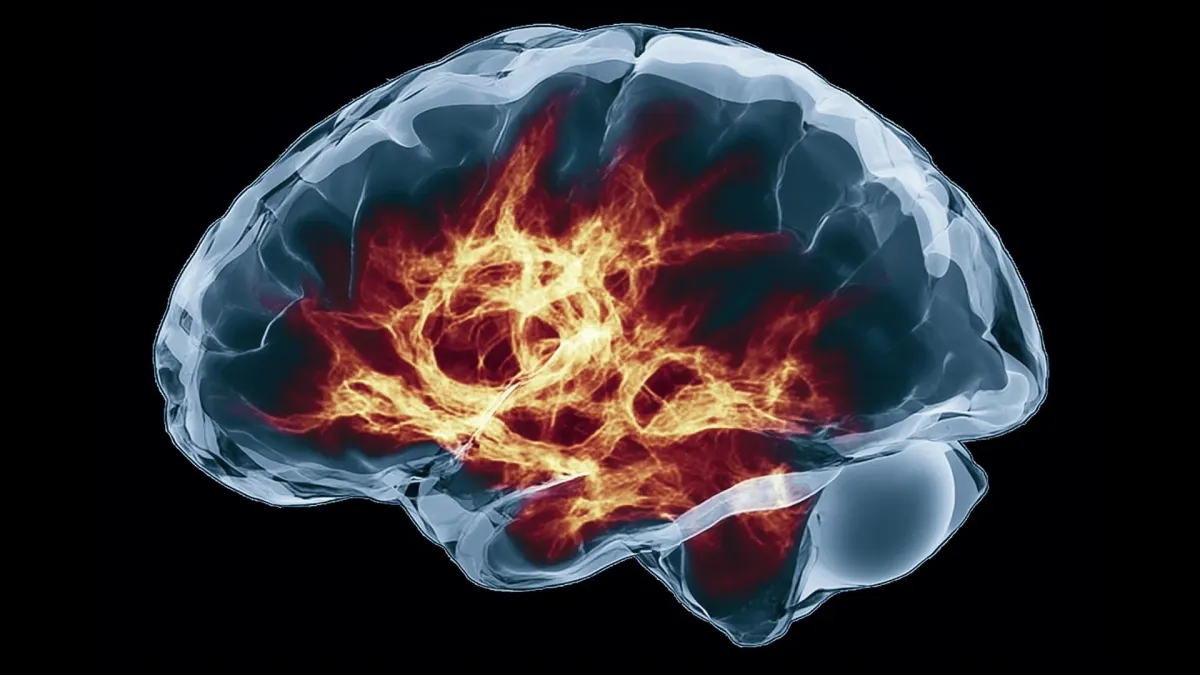
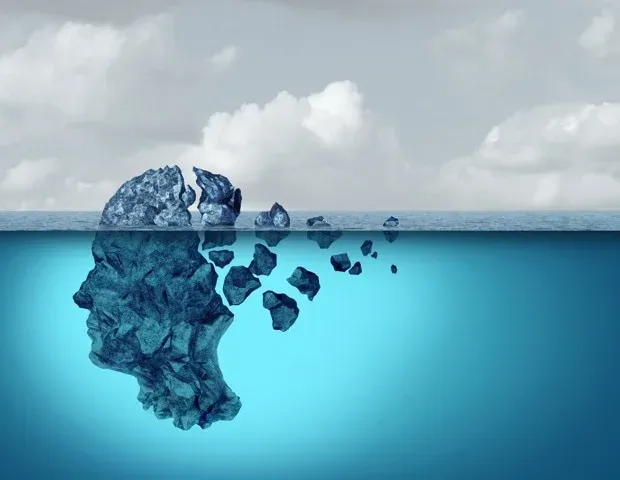
Scientists pinpoint key hotspot driving tau propagation in dementia - News-Medical

Diseases such as Alzheimer's and frontotemporal dementia are considered neurodegenerative tauopathies, in which tau proteins in the brain misfold and lead to cognitive decline. Until now, it has been unclear how misfolded tau recruits other seemingly healthy tau and causes it to misfold and clump. A new study led by Northwestern University researchers, in collaboration with researchers with the University of California, Santa Barbara, found that tau vulnerable to misfolding carries a single dominant hotspot. That site binds the matching site on a neighboring tau, or on a tau at the end of an existing fibril, and the incoming tau then misfolds to match. The hotspot is hydrated by water that is wrapping over and protecting a hydrophobic site, and releasing that water is what pulls the two together. This finding could help scientists diagnose tauopathies, block misfolded tau from converting other normal tau to misfolded shapes, and design therapeutic solutions in the future.

News-Medical·
Science

Free cheers for science as researchers raise the bar - The University of Western Australia

Pull up a stool and savour a cool glass of science as some of The University of Western Australia’s brightest minds hit CBD bars for a series of free public talks on Tuesday 27 October. The annual Raising the Bar event transforms five Perth bars into spaces for big ideas and great chats as 10 top researchers share how they are tackling global, national and regional issues to make the world a better place.

The University of Western Australia·
Science

WHO invites organizations worldwide to join the Together for Science and Health movement - World Health Organization (WHO)

The World Health Organization (WHO) today announced a global call inviting organizations and institutions to affiliate with Together for Science and Health, a new movement to strengthen the connection between science, health and society and build trust in evidence-informed decision-making. Science has changed the course of human health. Antibiotics have made once-deadly bacterial infections treatable. Advances in vaccination, nutrition, sanitation and medical care have helped millions more children survive and thrive. Antiretroviral treatment has enabled millions of people living with HIV to live longer and healthier lives. Cancer screening, prevention and new treatments are helping to prevent cancers, detect them earlier and improve and extend lives. These achievements show what is possible when scientific discoveries are translated into action. But progress cannot be taken for granted. People need to be able to trust scientific evidence, understand what it means for their lives, help shape the questions science seeks to answer and have a fair opportunity to benefit from its advances. No single institution can achieve this alone.

World Health Organization (WHO)·
Science

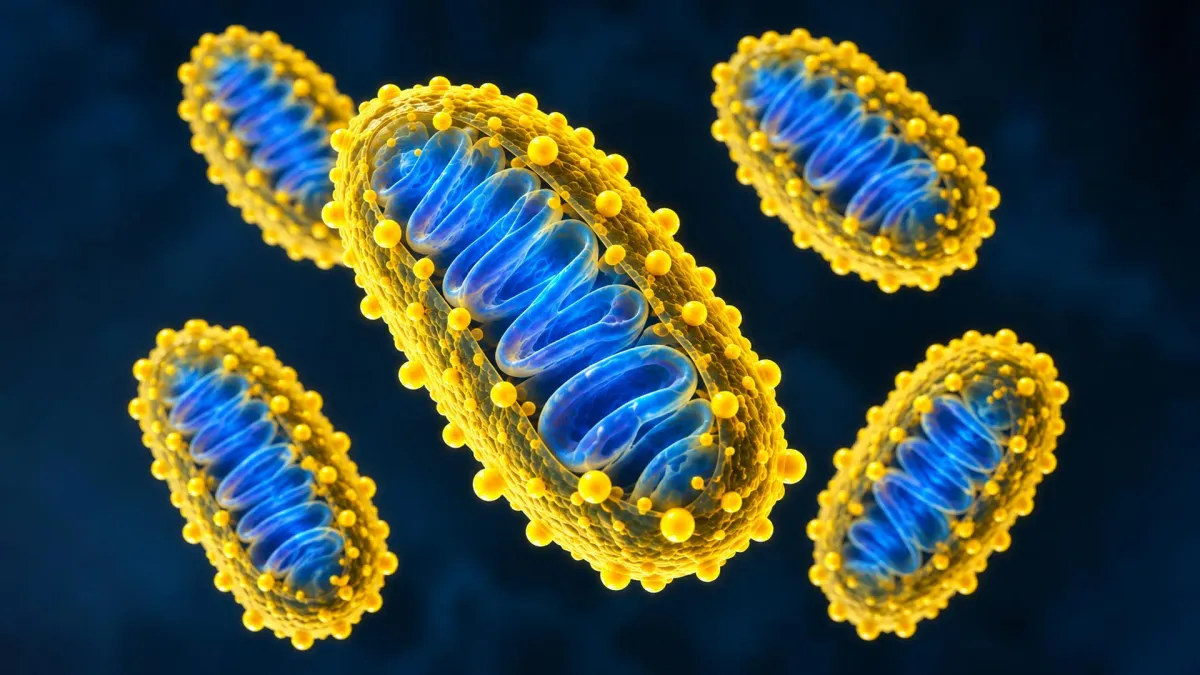
Scientists just gave the powerhouses of our cells a high-tech upgrade - Science Daily

Scientists have developed a way to coat mitochondria, the tiny structures that produce energy inside our cells, with advanced materials without interfering with their function. The achievement could eventually help researchers develop new approaches to treating diseases caused by malfunctioning mitochondria. The research was conducted by IRCCS Fondazione Istituto Neurologico Carlo Besta (FINCB) and Politecnico di Milano through their joint BraiNs laboratory, established in 2023. The collaboration combines the mitochondrial biology expertise of Dr. Valeria Tiranti (FINCB), a researcher in the Medical Genetics and Neurogenetics Complex Unit (SC) and head of the Fondazione Mariani Centre for Paediatric Mitochondrial Diseases, with the chemistry and materials engineering expertise of Professor Pierangelo Metrangolo (Politecnico di Milano).

Science Daily·
Science

Science popularization center in Heilongjiang offers interactive experience of Siberian tigers, Amur leopards - Global Times

People visit the Northeast China Tiger and Leopard National Park Dongning Science Popularization and Education Center in Dongning, northeast China's Heilongjiang Province, Oct. 12, 2026. Located in Dongning City, Heilongjiang Province, the Dongning Science Popularization and Education Center of the Northeast China Tiger and Leopard National Park focuses on the sensory experience of tigers and leopards. Combining diverse interactive experience scenes, it allows visitors to gain an immersive understanding of Siberian tigers and Amur leopards. (Photo: Xinhua) People visit the Northeast China Tiger and Leopard National Park Dongning Science Popularization and Education Center in Dongning, northeast China's Heilongjiang Province, Oct. 12, 2026. Located in Dongning City, Heilongjiang Province, the Dongning Science Popularization and Education Center of the Northeast China Tiger and Leopard National Park focuses on the sensory experience of tigers and leopards. Combining diverse interactive experience scenes, it allows visitors to gain an immersive understanding of Siberian tigers and Amur leopards. (Photo: Xinhua)

Global Times·
Science

Science spotlight: Is cosmetic tourism a cause for concern? - Premium Beauty News

The review analysed 58 studies comprising 1,249 patients who underwent cosmetic procedures abroad and later received treatment for a complication within their local healthcare system. Findings indicated that infection, implant-related complications and wound dehiscence are the most common problems reported following cosmetic surgery treatments both inside and outside of Europe. “Complications after undergoing cosmetic surgery abroad represent a substantial treatment burden for healthcare systems,” the researchers wrote. “The available evidence supports recurring patterns in reported procedures, complications, microbiology and destinations.”

Premium Beauty News·
Science

After 30 years, scientists finally have a drug for a deadly brain disease - Science Daily

The FDA has approved the first drug designed to directly treat Alexander disease, an extremely rare neurological disorder that progressively damages the nervous system and can be fatal. The treatment, called Zanvastro, represents a major advance for patients who previously had no options beyond managing their symptoms. Alexander disease can interfere with movement, thinking, and automatic bodily functions such as breathing and heart rate. Zanvastro is the first and only approved disease-modifying treatment for the condition, meaning it targets an underlying biological process responsible for the disease rather than simply relieving its effects.

Science Daily·
Science

In Debate with Meyer, Matt Dillahunty Brandishes His “Surveys” - Science and Culture Today

In last week’s debate with Stephen Meyer on Piers Morgan Uncensored, the one where Richard Dawkins was AWOL, a moment goes by quickly where atheist Matt Dillahunty triumphantly cites unidentified “surveys.” He thinks they make his point for him: As it stands right now, the consensus of physicists — I’m talking about surveys consulting physicists broadly. And the study that I saw this morning is that 68 percent hold to Big Bang cosmology as a theory that says the universe evolves from a hot dense state that says nothing about whether there was an absolute beginning of time or not. That’s the latest study that I saw.

Science and Culture Today·
Science

Microsoft science chief Lee to advise Mercedes on AI - Grandprix.com

Departing Microsoft Science president Peter Lee plans to advise Mercedes on AI applications ranging from car physics to predictive modeling and regulation, Fortune reports. Peter Lee, the departing president of Microsoft Science, plans to join Mercedes as an artificial-intelligence adviser, according to Fortune.

Grandprix.com·
Science

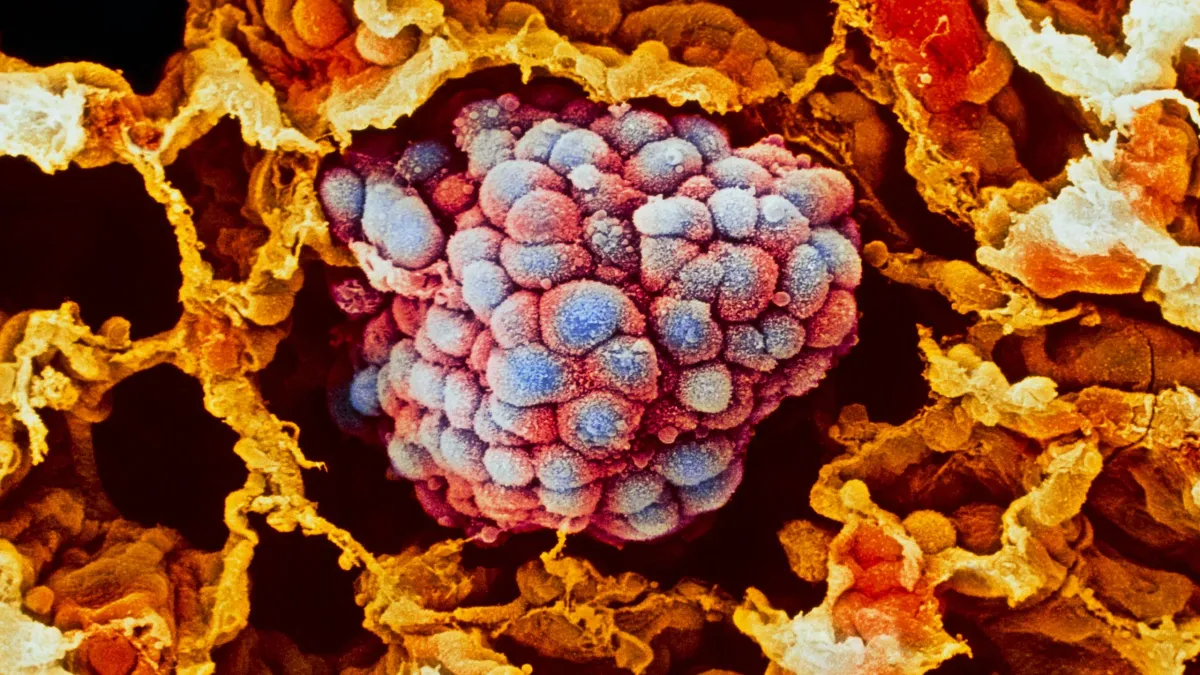
A Cheap Deworming Pill Could Help Beat Drug-Resistant Lung Cancer - ScienceAlert

When cancer cells learn to survive a drug designed to stop them, where do you turn next? A new study points to an unexpected possibility: a medicine used to treat parasitic worms. Researchers combined the deworming medicine with a targeted lung cancer drug. In laboratory experiments, the pairing reduced resistant cancer-cell viability. In mice, tumors took longer to double in size with the combination than with either drug alone. The idea was to find a weakness in cells that had learned to withstand treatment, then put that weakness under pressure. "The exciting message is that drug resistance may not make cancer cells invulnerable; it may leave them with weaknesses that we can target," pharmacology researcher Shakta Mani Satyam of RAK Medical and Health Sciences University in the United Arab Emirates told ScienceAlert. The study, published in PLOS ONE, paired gefitinib, a targeted cancer treatment, with mebendazole, a medicine used against parasitic worm infections. It focused on one model of EGFR-mutant non-small cell lung cancer that had become resistant to gefitinib.(Matthias Tunger/DigitalVision/Getty Images)EGFR is a protein that helps relay signals telling cells to grow.

ScienceAlert·
Science

Europe's new Sentinel-3C satellite just sent back spectacular images of Earth - Science Daily

Just two weeks after reaching orbit, Europe's new Copernicus Sentinel-3C satellite has delivered its first spectacular images of Earth, revealing everything from the snow-covered Alps to the frozen Arctic and the brilliant turquoise waters of the Caribbean. But the satellite is doing much more than taking beautiful pictures. Its instruments have also begun measuring ocean heights and the elevation of Greenland's massive ice sheet, providing an early demonstration of technology designed to monitor Earth's changing climate.

Science Daily·
Science

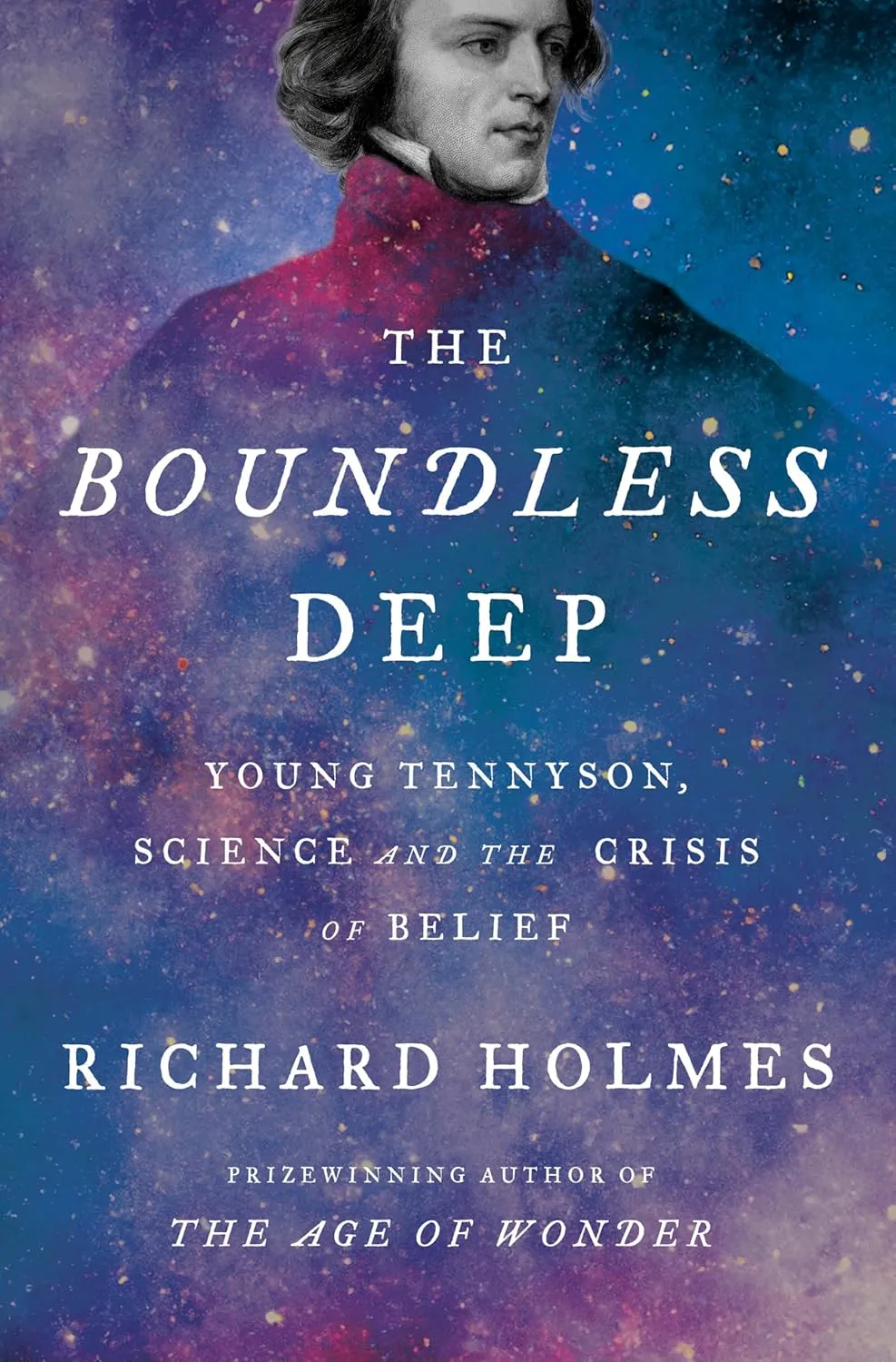
The Boundless Deep: Young Tennyson, Science, and the Crisis of Belief by Richard Holmes - California Review of Books

The image of Alfred Tennyson I’ve carried for decades goes back to the childhood card game of Authors that depicts him with a stately continence sharpened by a jutting black beard. He’s formidable, his aura superior. Holmes opens his biography of the youthful Tennyson by describing the similar formality of the imposing Tennyson statue at Trinty College Cambridge, sharing the honor with other Trinity greats, including Isaac Newton, Francis Bacon, and Thomas Babington Macaulay. Holmes doesn’t want to chip away at that statue but rather reveal its inner youthful core of the man—tall, handsome, and talented but unformed, emerging from a disturbed family of addicted or insane male siblings and four unusual sisters struggling under a violent alcoholic clergyman father. Alfred was certainly statuesque, but would he end up a block of unformed stone like his equally promising brothers? He was youngest of three equally regarded Tennyson brothers at Cambridge, all bright, handsome, and talented, in fact Alfred regarded by some as less promising than his elders who also wrote poetry.

California Review of Books·
Science

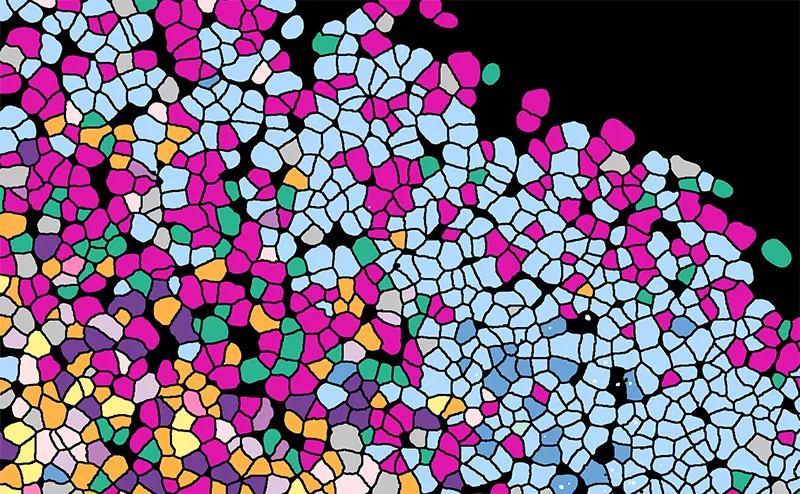
Art of Science 2026: Discovery in full colour - Walter and Eliza Hall Institute of Medical Research

Why is location so important for immune cells? Much like where we choose to live can influence our quality of life, access to resources and even how long we live, a cell’s location can influence its survival and function. This is particularly important in the lymph node, where an immune cell’s location can determine how effectively it responds to a threat, such as a viral infection.

Walter and Eliza Hall Institute of Medical Research·
Science

Human teeth pinpoint when lead began poisoning medieval town - Popular Science

Lead mining began during the 7th century in Derbyshire, England. Magpie Mine was the last facility to operate in the region. It opened in 1735 and finally closed in 1954. Thanks to some medieval human teeth, archaeologists have pinpointed when lead production first expanded across Europe during the Middle Ages. By examining dental enamel collected from graves located in central England, researchers now know the post-Roman society started mining and smelting again during the mid-7th century. As the team explains in a study published today in the journal Antiquity, the consequences of exposure to the toxic were stark—but distributed unequally among locals.

Popular Science·
Science

World-famous science educator Bill Nye believes in Titans: ‘You’re going to change the world’ | Newswise - Newswise

Newswise — When the first notes of the “Bill Nye the Science Guy” theme song began echoing through the Titan Student Union Portola Pavilion, students didn’t miss a beat. They sang along to the popular chorus — “Bill, Bill, Bill, Bill, Bill, Bill” — as the world-famous scientist and educator took the stage for the “Beyond the Conversation” series at Cal State Fullerton. Hosted by Associated Students Inc., the signature series invites notable speakers to campus to share their stories and spark dialogue among students. Bill Nye, who spoke to the Titan community on Oct. 7, joins a star-studded lineup of previous “Beyond the Conversation” speakers, including Olympic swimmer Michael Phelps, Oscar winner Ke Huy Quan, and Emmy and Grammy Award-winning actress Cynthia Erivo. As the co-creator and host of the Emmy Award-winning ’90s television series “Bill Nye the Science Guy,” Nye has emerged not only as an entertaining educator but also as an influential advocate for science and facts in an era of misinformation.

Newswise·