Science
Science and university research can’t deliver economic growth – at least not as we measure it - Wonkhe
Wonkhe is published by Thesis House Ltd, registered in England and Wales (no. 08784934), 31–35 Kirby Street, London EC1N 8TE.
Wonkhe·
Categories
9426 articles
Wonkhe is published by Thesis House Ltd, registered in England and Wales (no. 08784934), 31–35 Kirby Street, London EC1N 8TE.
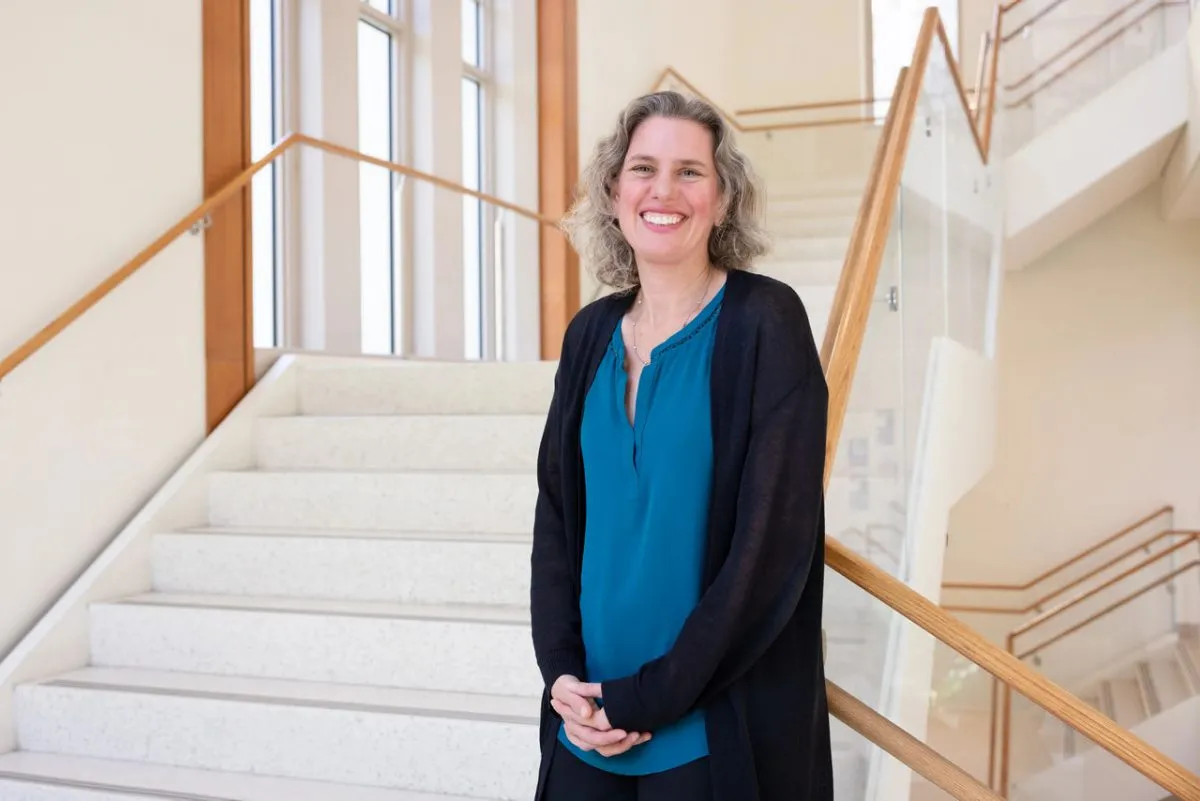
Katherine L. McNeill, the Bryk Faculty Fellow in the Lynch School of Education and Human Development, has been selected for the Massachusetts Science Educators Hall of Fame, which acknowledges individuals who have made extraordinary contributions to the advancement of education in the sciences and/or science teaching in the commonwealth for a minimum of 20 years. McNeill, a professor in the Teaching, Curriculum and Society Department, will be inducted at the Massachusetts Science Education Leadership Association Annual Conference on October 23. Additionally, she will be honored that evening by the Massachusetts Science Teachers Association at its annual awards dinner.
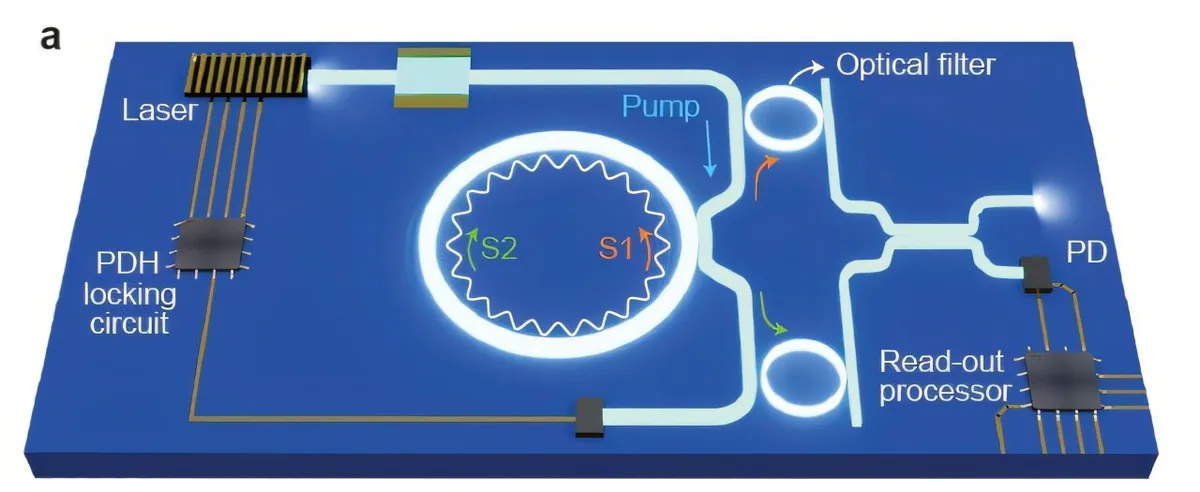
Researchers developed an integrated Brillouin laser ring gyroscope that measures rotation as slow as 37 degrees per hour. This image shows a conceptual schematic of the chip-based gyroscope. Researchers have developed a chip-scale optical ring-laser gyroscope that can measure rotation as slow as 37 degrees per hour. This record sensitivity, approaching Earth's rotation rate of 15 degrees per hour, could eventually be useful for precision navigation and orientation systems, particularly where GPS is unavailable. Gyroscopes measure how an object rotates, helping determine its orientation and movement.
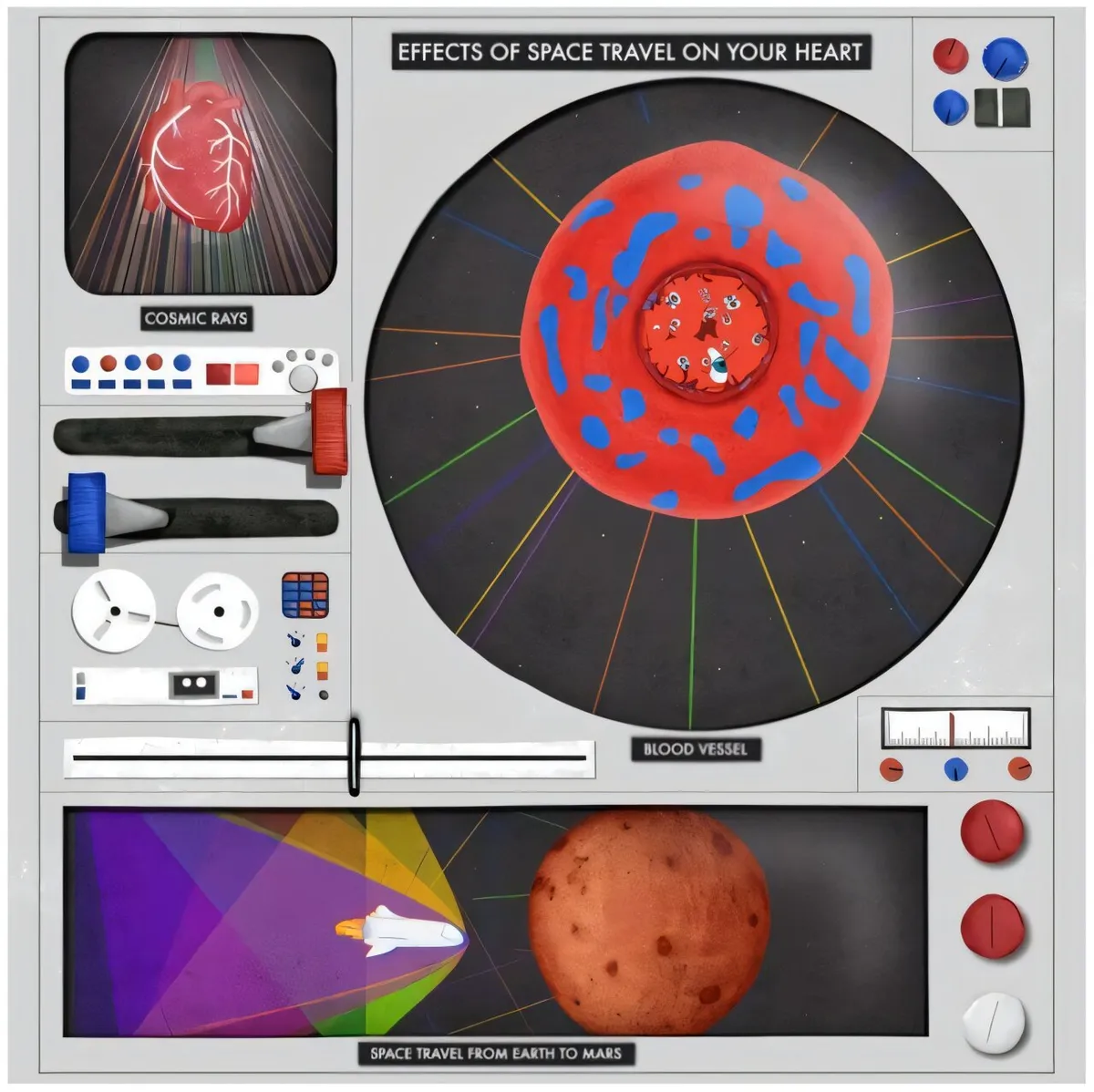
Artist's depiction of the cardiovascular effects of galactic cosmic radiation. When astronauts first travel to Mars or anywhere else in deep space, they will have to contend with two problems that our planet protects us from on its surface—radiation and weightlessness. Scientists already know both can have a profound impact on the human body, but the extent of that impact and how long it can last remain a mystery. A new paper by researchers at the Medical College of Wisconsin, published in PLOS ONE, tackles those questions and unfortunately comes up with some less-than-ideal answers about the long-term implications of deep-space exposure.
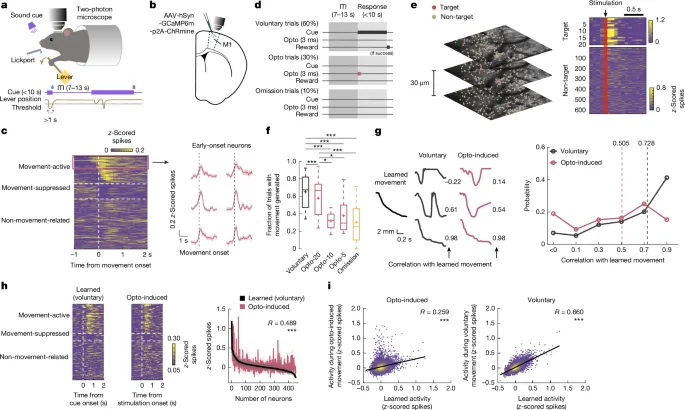
The data used in this study are available at Zenodo (https://doi.org/10.5281/zenodo.22216381)48. Source data are provided with this paper. The code used in this study is available at Zenodo (https://doi.org/10.5281/zenodo.22216381)48.
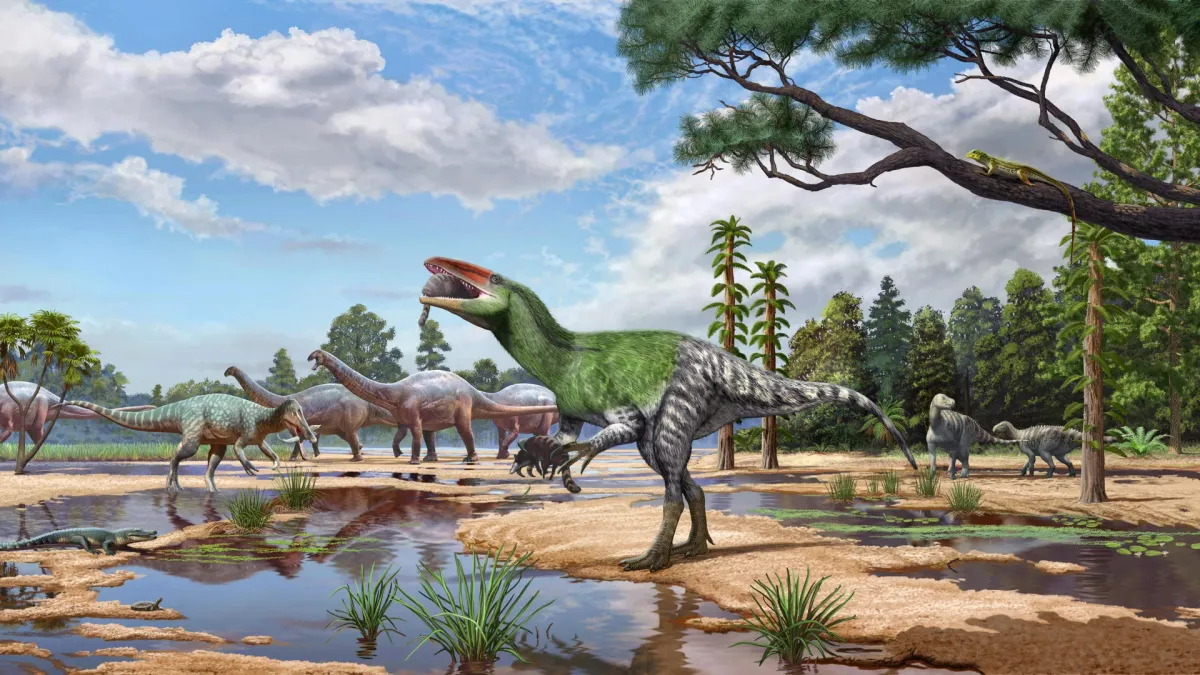
A dinosaur fossil that spent nearly a century overlooked in a museum collection has turned out to belong to an entirely new species of prehistoric predator. About the size of a large tiger and armed with enormous curved claws, the animal roamed what is now Britain approximately 120 million years ago. The discovery was made by researchers led by University College London (UCL), who examined a fossil skull fragment originally found on the Isle of Wight. Their findings, published in the journal Royal Society Open Science, identify the dinosaur as Invictibellatrix amberina, the first known European member of a mysterious group of carnivorous dinosaurs called megaraptorans.
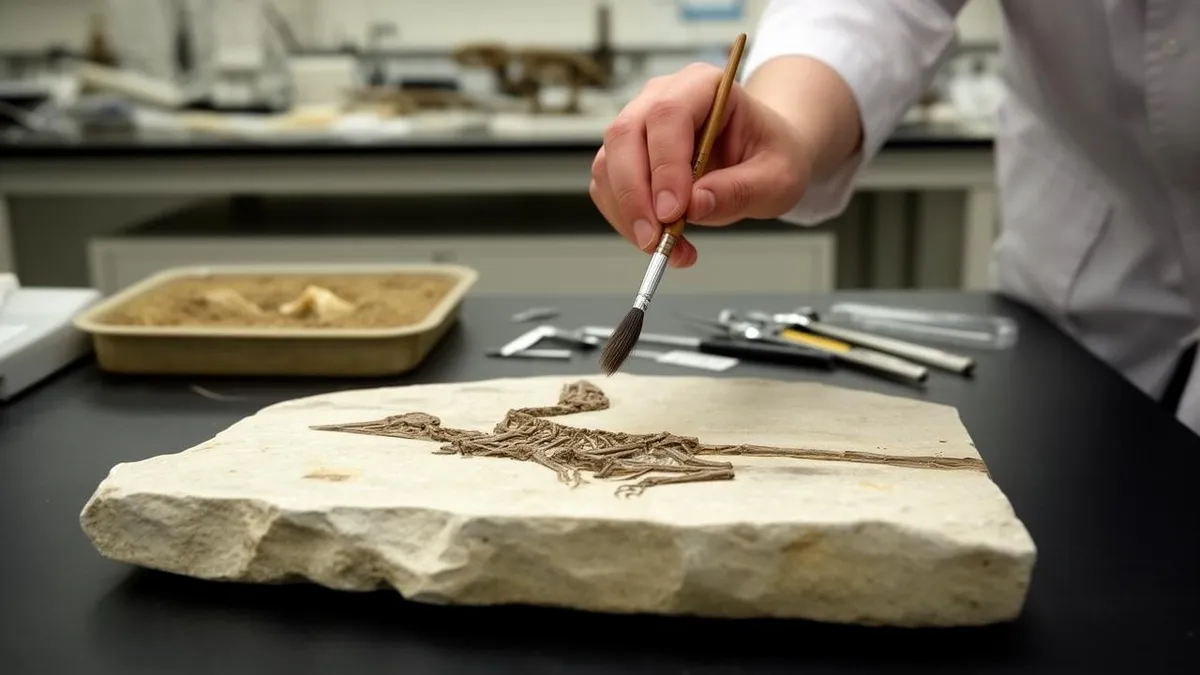
New research reveals that during the Late Jurassic period—when feathered dinosaurs were first taking to the skies—some early birds chose a different path, surviving on the ground. The discovery is being hailed as key evidence that the dinosaur-to-bird evolutionary transition was not a single linear pathway but branched into multiple directions depending on habitat. A research team led by Professor Wang Min of the Institute of Vertebrate Paleontology and Paleoanthropology (IVPP) at the Chinese Academy of Sciences announced in the international journal Nature that a 149-million-year-old fossil excavated in China's Fujian Province has been confirmed as a new ground-dwelling bird species. The team assigned the primitive bird the scientific name Yuezhuornis yangyuanensis.

Temporal Patterns of Arrhythmia and Conduction Disorder Diagnoses After Infective EndocarditisPaddy Ssentongo, MD, PhD1,2; W. Frank Peacock, MD, FACEP, FACC, FESC3; Kritika Singh, PhD4; Jared C. Durieux, PhD, MS, MDS, MPH5; Christos Colovos, MD, PhD1Department of Medicine, Division of Infectious Diseases, Penn State Health Milton S. Hershey Medical Center, Hershey, Pennsylvania2Department of Public Health Sciences, Penn State College of Medicine, Hershey, Pennsylvania3Henry JN Taub Department of Emergency Medicine, Baylor College of Medicine, Houston, Texas4Stanford University School of Medicine, Stanford, California5Evidence Architecture, Stow, OhioSummarySsentongo et al. showed that after infective endocarditis, a serious infection of the heart's inner lining and valves, patients had a 73% higher rate of new arrhythmias and conduction disorders than patients with bacteremia without infective endocarditis (bacteria in the bloodstream without infection of the heart). One-year risk was seven percent vs four percent, suggesting the closest heart-rhythm follow-up is needed in the first months after discharge.
A required part of this site couldn’t load. This may be due to a browser extension, network issues, or browser settings. Please check your
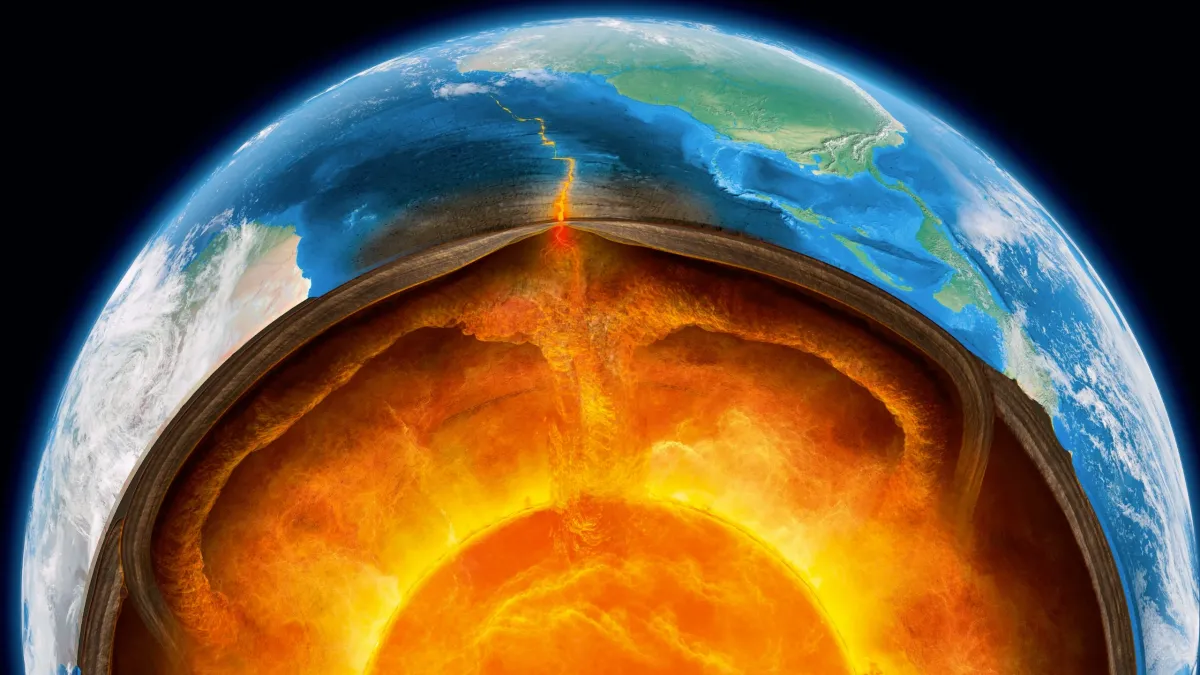
Scientists have discovered a mysterious rock in eastern Papua New Guinea that traveled to the underworld roughly 4.4 million years ago. The story it has to tell is strange indeed. As the rock journeyed deeper into our planet's interior, pushed by the forces of a subduction zone, its temperature did not do what scientists expected. At 45 kilometers below the surface, researchers estimate the rock became unusually warm, experiencing temperatures of about 700 °C (1,292 °F). That's hotter than models predict subduction zones should be at that depth. But that's not all. When the rock reached more than 90 kilometers (56 miles) deep, its temperature only rose by a further 100 °C. "What makes this rock so interesting is that it records two very different thermal conditions at different stages of its time deep inside Earth," says geologist Axel Schmitt from Curtin University in Australia. "At about 45 kilometers depth, the rock was surprisingly hot, but as it traveled deeper it entered an environment that was cooler than we would normally expect at that depth. "A tiny coesite inclusion inside a garnet crystal reveals that the rock traveled more than 90 kilometers beneath Earth's surface.
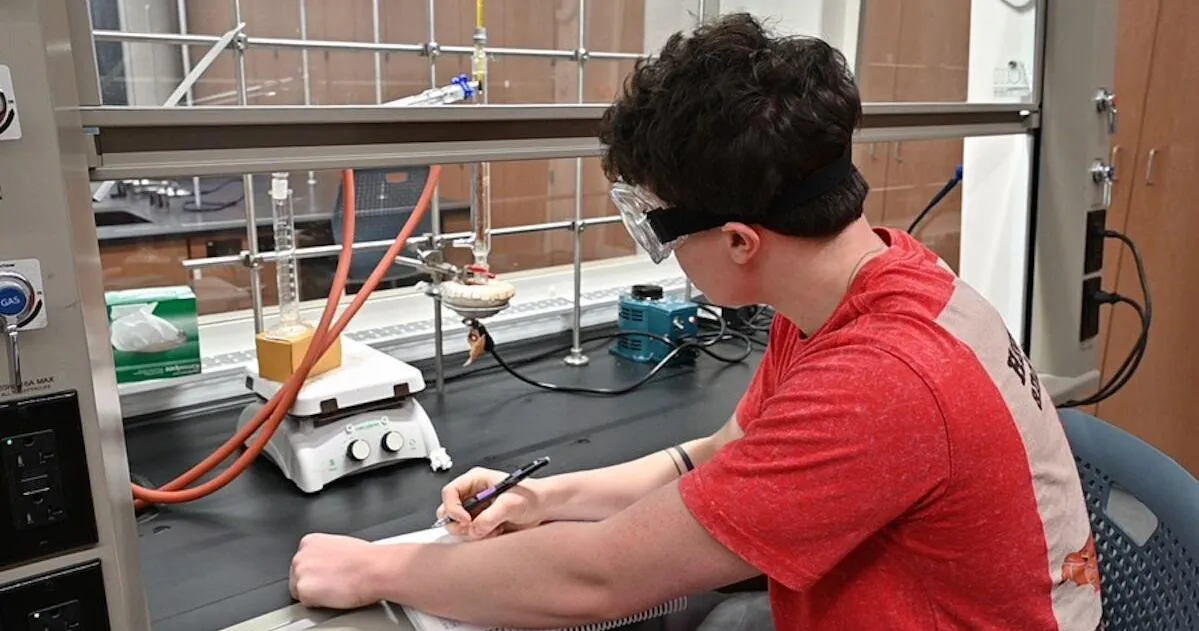
OLNEY — Olney Central College will unveil its newly renovated science labs during in an open house from 4-6. p.m. Oct. 20 at the Dr. Kent L. Wattleworth Hall. “We are excited to showcase the state-of-the-art science labs and celebrate what they will mean for our students and our faculty,” said OCC President Chris Simpson. “It is my hope that community members, alumni, and future students will attend this open house to see firsthand how these updated lab facilities will enhance teaching and learning at Olney Central College.”The $2 million project is the first major update to the third-floor facilities since OCC’s main classroom building opened in 1974. The renovations have transformed the physics, chemistry and two biology labs into modern, high-tech learning environments. Assistant Professor of Chemistry Dr. Aaron Lineberry says with the upgrades, OCC’s laboratory spaces now reflect the quality that has long existed within its science programs. “We’ve always had amazing instrumentation and equipment at least from the chemistry perspective. I have equipment that I know none of the other colleges in the area have access to,” Lineberry said.
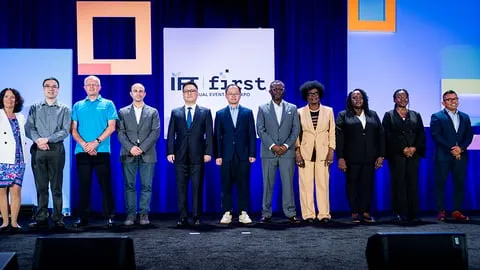
CHICAGO – October 14, 2026 – The Institute of Food Technologists (IFT), a nonprofit scientific organization committed to advancing the science of food and its application across the global food system, recently recognized four IFT Sections with its IFT Section Impact Award. The IFT Section Impact Award honors local IFT Sections for outstanding contributions in specific areas of food science community engagement, education, and outreach. This year’s winners were recognized at IFT FIRST Annual Event and Expo, the leading food science and innovation expo held in July in Chicago. Each winning Section receives a monetary prize to support continued local programming. IFT Sections allow food science professionals to network with their local peers through a variety of events and opportunities, including Suppliers’ Nights. IFT has 46 Sections spread across the U. S., as well as Mexico, Japan, England, and Canada.
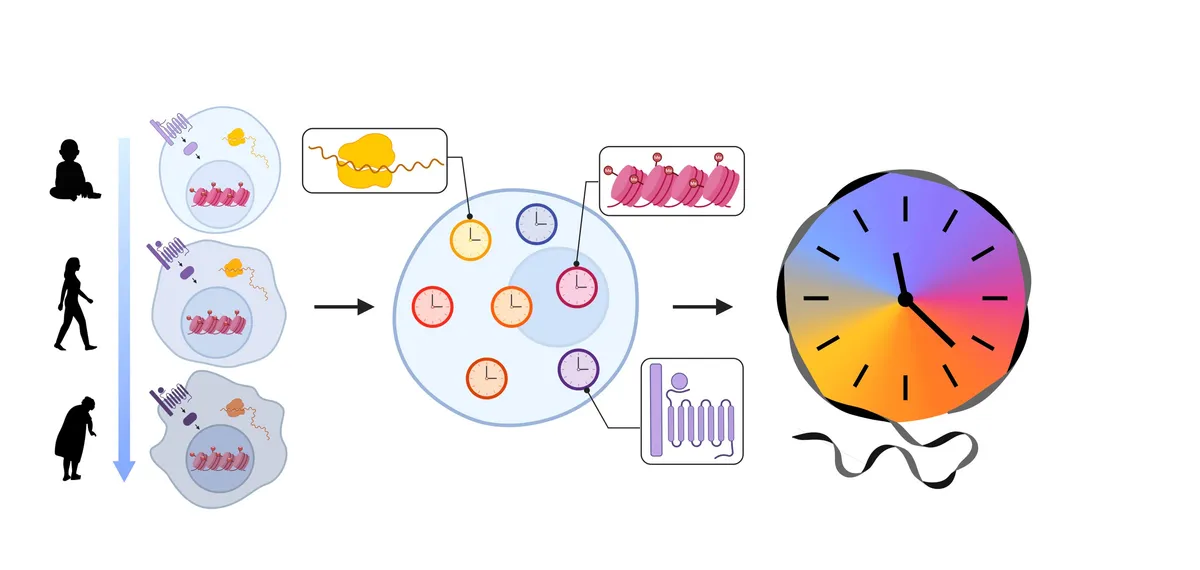
To read out the effects in their overexpression screen, the team had developed a "transcriptomic aging model" that can quantify age and the degree of rejuvenation based on changes in the expression of genes involved in different processes. Trained with gene expression data obtained from 464 fibroblast samples from donors across a wide range of ages, the machine learning-driven model provides an accurate overview of cells' age and health. Every organ and tissue progressively loses function and integrity as it ages.
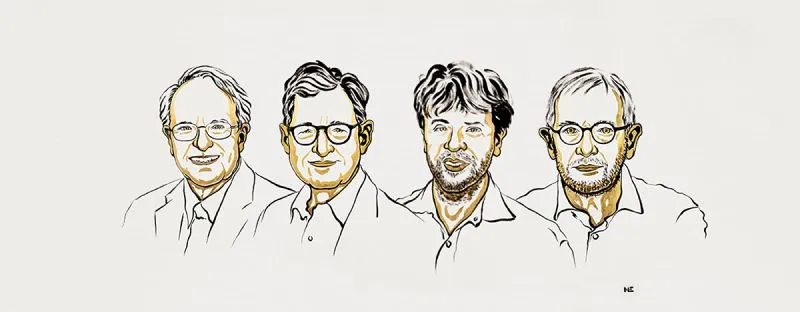
Four NSF-supported researchers are among the 2026 Nobel Prize laureates, recognized for breakthroughs that transformed neuroscience, created a new way to explore the universe, and improved understanding of economic stability The bottom lineKarl Deisseroth, Peter Hegemann, and Georg Nagel, physiology or medicine — Pioneered optogenetics, a technique that uses light-sensitive proteins to control nerve-cell activity and investigate brain function. NSF supported Deisseroth's research advancing optogenetic tools. Francis Halzen, physics — For major contributions to the NSF IceCube Neutrino Observatory and its discoveries of elusive neutrino particles. NSF invested in the design, construction, and ongoing operations of NSF IceCube, which has enabled greater understanding of astrophysical neutrinos and their origins. Robert E. Hall and Michael Woodford, Nobel Memorial Prize in Economic Sciences — Developed economic models explaining how the decisions of households and businesses influence economic fluctuations, helping improve policies to stabilize inflation, employment, and economic activity. NSF supported both laureates' research on economic fluctuations and stabilization policy.
Expanded corporate guidance: Science-Based Targets for Nature 2.0 introduces more flexible target-setting pathways, stronger freshwater and land methodologies, and practical implementation tools. Growing corporate adoption: More than 300 companies across 40 countries are engaging with SBTN methods, with over 60 validated targets across 18 companies.
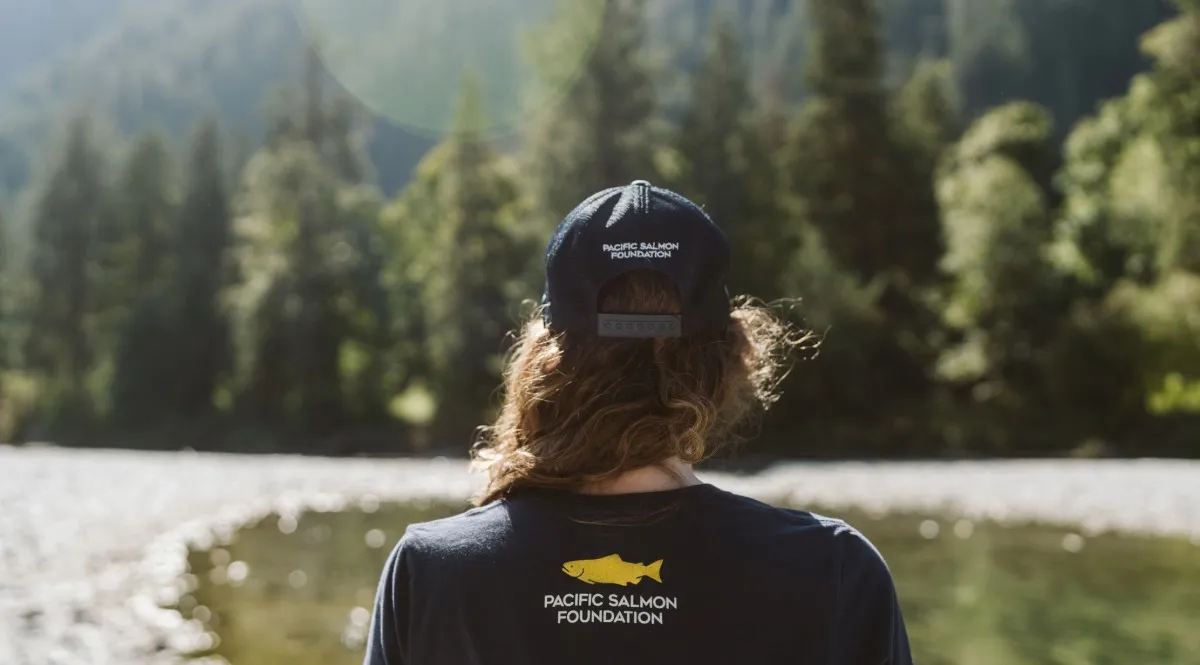
A new Pacific Salmon Foundation study shows how disputed findings can be turned into alarming headlines, fuelling the “scientific uncertainty” activists need to kill British Columbia’s ocean salmon farming sector. AnalysisBy Fabian DawsonSeaWestNewsThere is a simple way to make almost any industry look dangerous. Start with something that might pose a risk, present it as evidence of a wider threat, emphasize what scientists still don’t know, then argue that because nobody can prove there is zero risk, government must act before it is too late. That approach became deeply embedded in the Trudeau government’s handling of the B. C. salmon farming file because it also worked politically. It allowed the former government to harvest activist votes while using “scientific uncertainty” to support policy decisions that went well beyond what its own federal science reviews supported. The result was the Trudeau-era decision to end conventional ocean salmon farming in B. C. by 2029, despite federal assessments that had concluded ocean salmon farms posed no more than minimal risk to wild stocks.