BC's Katherine McNeill named to Massachusetts Science Educators Hall of Fame - Boston College
This story deserves to be shared
Send it to someone who'd care, or post it on your networks.
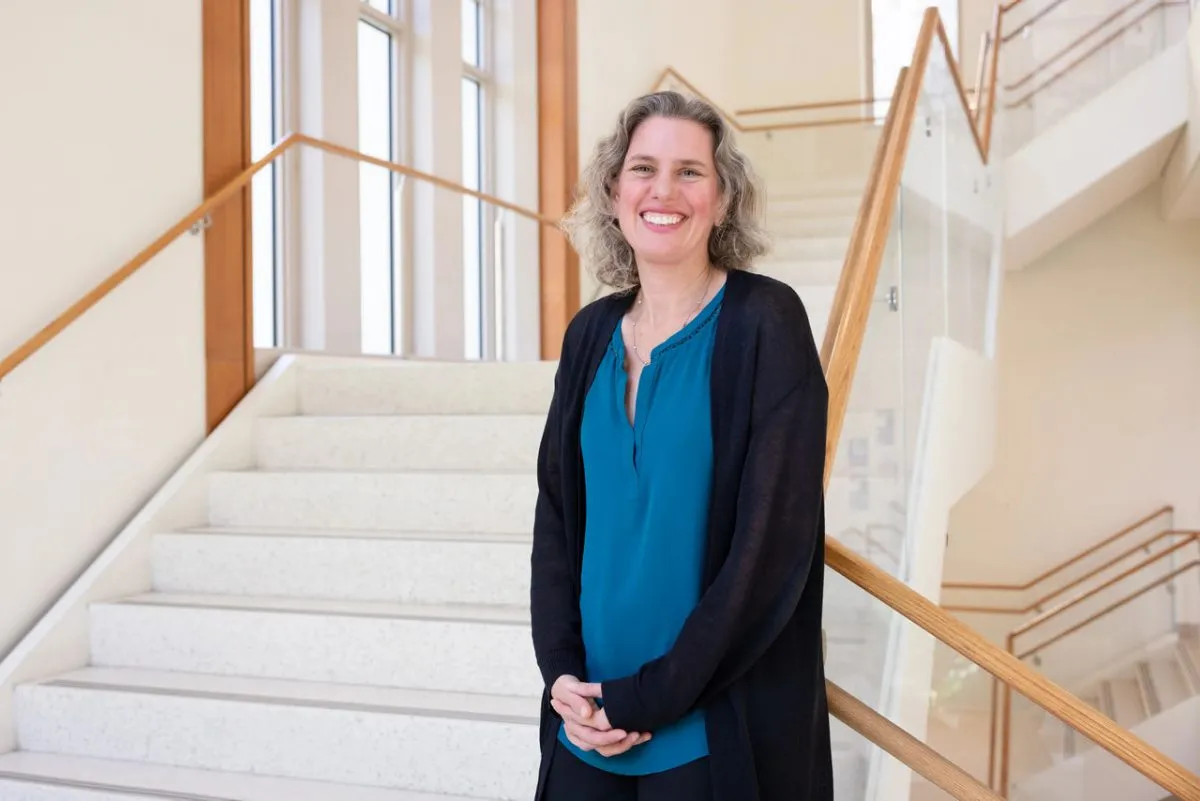
Katherine L. McNeill, the Bryk Faculty Fellow in the Lynch School of Education and Human Development, has been selected for the Massachusetts Science Educators Hall of Fame, which acknowledges individuals who have made extraordinary contributions to the advancement of education in the sciences and/or science teaching in the commonwealth for a minimum of 20 years.
McNeill, a professor in the Teaching, Curriculum and Society Department, will be inducted at the Massachusetts Science Education Leadership Association Annual Conference on October 23. Additionally, she will be honored that evening by the Massachusetts Science Teachers Association at its annual awards dinner.
This article is an excerpt. To read the full content, visit the original source. Boston College
Related articles
[Talk] Katherine Kinnaird: Music, Data Science, Meal Planning, and Topology connect us all - The University of Rhode Island
‘One of the ocean’s best-kept secrets’ spotted near Massachusetts - Popular Science
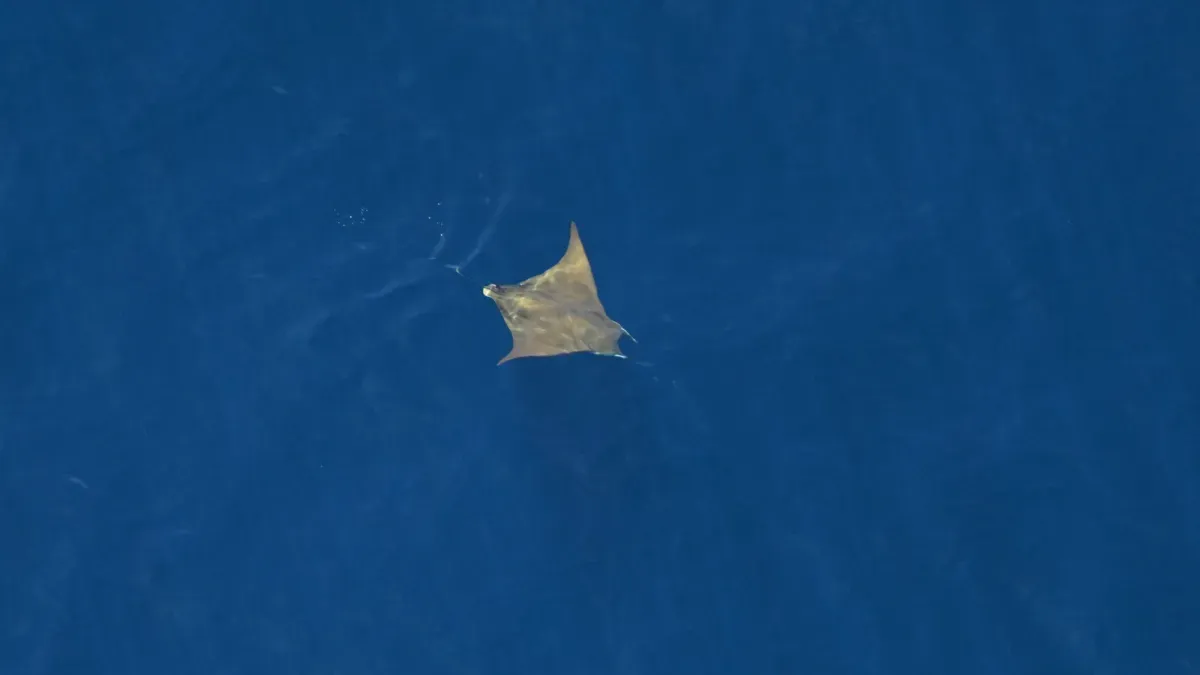
As the summer drew to a close, aerial surveyors with the New England Aquarium saw more than 2,000 animals across 15 different marine species in the Northeast Canyons and Seamounts Marine National Monument, southeast of Cape Cod. Among that vast diversity, the team spotted Chilean devil rays (Mobula tarapacana). This ethereal fish is “one of the ocean’s best-kept secrets,” according to the aquarium. “We rarely see Chilean devil rays on our aerial surveys,” Katherine McKenna, a researcher in the New England Aquarium’s Anderson Cabot Center for Ocean Life, tells Popular Science. McKenna was one of the observers on the team that saw the Chilean devil rays from above.

Educators Should Embrace the 'Science of Math.' Here's Why (Opinion) - Education Week
The science of reading boom has created a groundswell of interest in whether there’s an analog for math. One of the more interesting thinkers on this count is Daniel Ansari, a professor of psychology and education at Western University in Ontario, where he directs the Numerical Cognition Laboratory. Daniel’s research focuses on how children develop mathematical and numerical skills, and he thinks there’s a lot of popular confusion regarding the “science of math.” I reached out to hear what he thinks we’re getting right and wrong. Here’s what he had to say.—RickRick: You study how young children learn math. How’d you get into that? Daniel: It happened rather accidentally. When applying to Ph. D. programs in psychology, I came across a position that involved investigating the numerical abilities of children with Williams syndrome, a rare genetic developmental disorder. The relationship between the two sounded interesting, so I applied and was accepted. Rick: There’s been much recent attention to the science of reading. Is there an analogous science of math? Daniel: Yes, there is.
0 comments
No comments yet. Be the first to share your thoughts!