BBlogFlow

Categories

Science

6957 articles

Science

Cognitive Science Colloquium October 21 - Carleton University

Dr. Jasińska studies the neural systems that support language and cognitive development and learning using a combination of behavioral, genetic, and neuroimaging (fNIRS, s/fMRI, EEG/ERP) research methods. Her research aims to understand how early life experiences (including bilingual/multilingual language experience) shape neurocognitive development and learning, with a focus on understanding development in environments with poverty-related risk, including rural communities in West Africa and recently resettled refugee children in Canada. Dr. Jasińska received her Ph. D. in Psychology and Neuroscience from the University of Toronto in 2013, and completed postdoctoral training at Haskins Laboratories before establishing the BOLD laboratory.

Carleton University·
Science

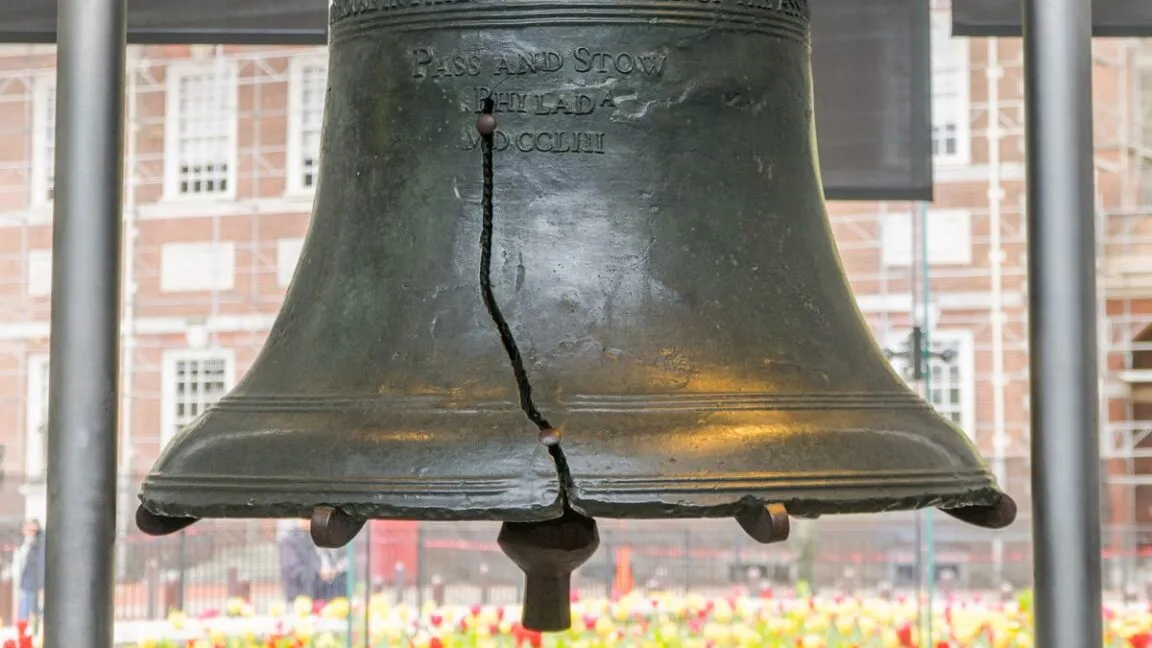
What did the Liberty Bell sound like? Science is on the case. - Ars Technica

Researchers hunted for clues in modal analysis of 20th-century replica bell at Penn State Behrend. The Liberty Bell, with its famous crack, hasn’t been rung in 180 years, but that hasn’t stopped scientists from pondering what the bell might have sounded like when tolling. In honor of the nation’s 250th anniversary, researchers at Penn State University have modeled its acoustic properties, drawing on data collected from one of the bell’s replicas. The work was first presented at a meeting of the Acoustical Society of America in Philadelphia earlier this year, followed by an article in Physics Today.

Ars Technica·
Science

Chris Davies obituary - The Guardian

My brother, Chris Davies, who has died aged 61 of cancer, was an academic metallurgist whose research helped to bring about a better understanding of why metals behave the way they do – and therefore how to control their properties during manufacturing. Much of his research took place at Monash University in Australia, where he had moved from the UK in the early 1990s. In particular, his work on the behaviour of light metals and alloys fed into the development of lighter, stronger and more reliable materials used in the making of aircraft, vehicles and medical devices. Chris’s studies also helped to support advances in 3D printing by providing insights into how companies can produce high-performance metal components more efficiently, with less waste and lower energy consumption. Born in Cardiff, Chris was the son of Jack and his wife, Margaret (nee Powell), both teachers of English. He attended Cardiff high school and then gained a degree in engineering at Imperial College London, where he stayed on to do a PhD.

The Guardian·
Science

Scientists stunned: new genetic clue suggests humans are still evolving today - Futura-Sciences - Futura, le média qui explore le monde

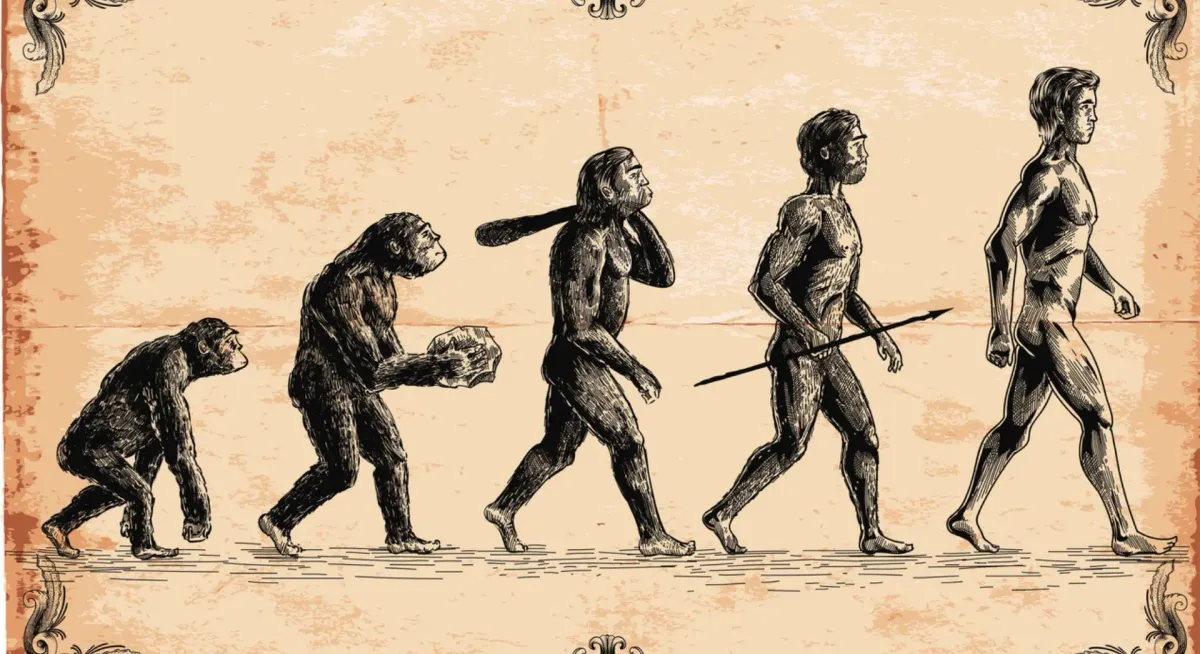
The Futura Team represents the pulse of Futura’s editorial department, bringing together a collective expertise dedicated to the dissemination of scientific knowledge. Rather than the work of a single author, every article published under this signature is the result of a rigorous collaborative process involving journalists, editors, and fact-checkers. Specializing in news analysis via desk research and international wire services, the team focuses on transforming raw information into accessible, verified content. This curation and synthesis process ensures constant monitoring of technological innovations and major scientific breakthroughs. By cross-referencing sources and conducting multiple rounds of peer review, the Futura Team guarantees scientific accuracy and pedagogical clarity. This collective signature serves as a hallmark of trust, providing reactive, cross-disciplinary information at the forefront of current events Forget what you learned in school about evolution being ancient history. Modern science shows it is humming along, especially in some of the world’s harshest environments.

Futura, le média qui explore le monde·
Science

The sun will no longer dictate the length of a day - Yahoo

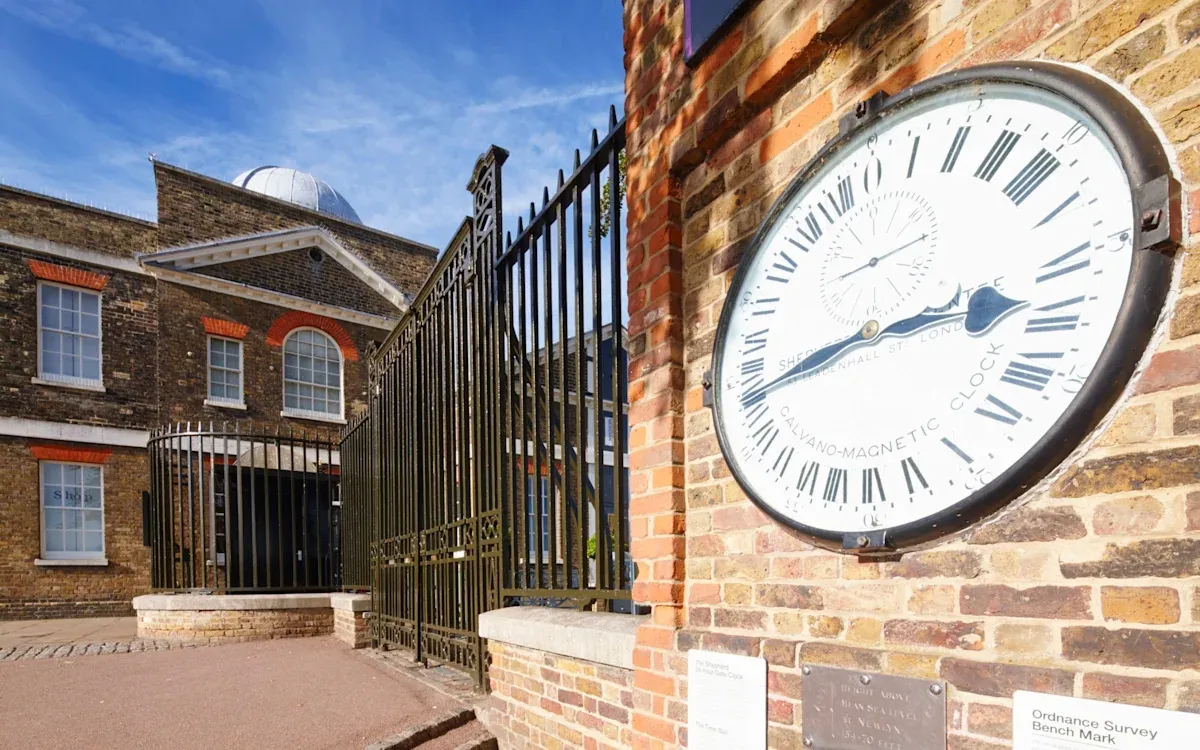
A day on Earth is no longer linked to the rising and setting of the sun after the world's timekeepers voted to get rid of the leap second. Since the 1970s, leap seconds have been added to global clocks 27 times, to keep atomic time in sync with Earth's daily rotation, which has slowed over billions of years. On such occasions clocks would pause for a second at 11:59:59 on New Year's Eve to allow the Earth's rotation to catch up with atomic time – which is set by the steady tick of electrons rather than planetary movement. The last one happened in 2016. But on Thursday afternoon, the General Conference on Weights and Measures in Paris approved a resolution to allow the difference between civil time (what people set their clocks to) and solar time to increase from one second to one hour. It means that there will be no more adjustments to clocks until the difference between a solar day and a 24-hour Earth atomic day has slipped by 60 minutes – a few thousand years from now.

Yahoo·
Science

Women in Science Honored for Advancing Healthcare Innovation - National Cancer Centre Singapore - Oncodaily

“Congratulations to Assoc Prof Joanne Ngeow on receiving the Senior Scientist Category award at the UL Research Institutes’ ASEAN-U. S. Science Prize for Women 2026. This year’s award theme, ‘AI for Advancing Inclusive and Resilient Healthcare in ASEAN,’ recognises female scientists whose research and innovation are advancing healthcare accessibility, resilience and outcomes across the region.

Oncodaily·
Science

New method filters false signals from the Sun’s hidden side to build fuller magnetic maps - The Watchers - Watching the world evolve and transform

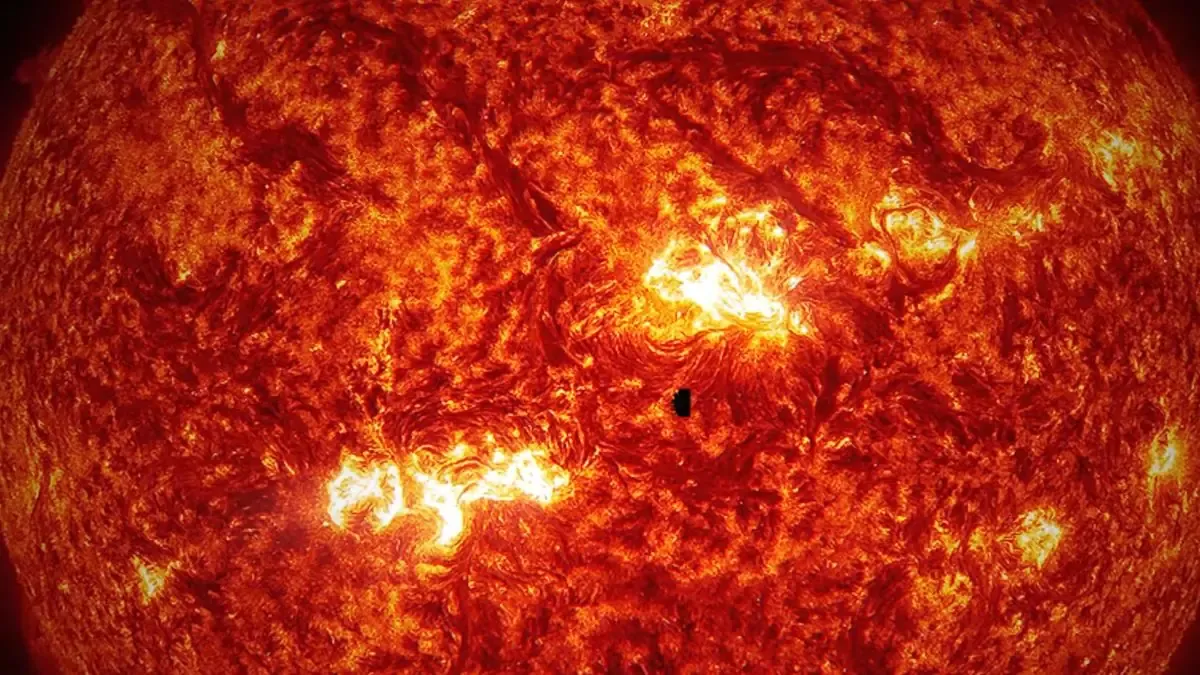
A new method for identifying magnetic activity on the far side of the Sun rejects about 90% of false helioseismic detections before they enter solar magnetic-field simulations. Tests found that conventional near-side-driven simulations underestimated the Sun’s total unsigned magnetic flux by roughly 10–20%, showing how much magnetic activity can be missing while active regions develop beyond direct Earth view. Scientists have long been able to reconstruct magnetic maps of the full Sun, but the hidden hemisphere remains a fundamental weakness. Surface flux transport models evolve magnetic fields measured on the Earth-facing side as the Sun rotates, yet they cannot directly capture an active region that emerges or continues growing out of view. The resulting maps provide boundary conditions for models of the corona and heliosphere, so missing far-side magnetic flux can propagate into calculations of the solar environment. Bibhuti Kumar Jha and colleagues developed a probabilistic system for deciding which far-side helioseismic detections are credible enough to add to an Advective Flux Transport (AFT) simulation. Helioseismology does not photograph the magnetic field itself.

The Watchers - Watching the world evolve and transform·
Science

World’s timekeepers upend how they adjust time to avoid catastrophic ‘negative second’ - Nature

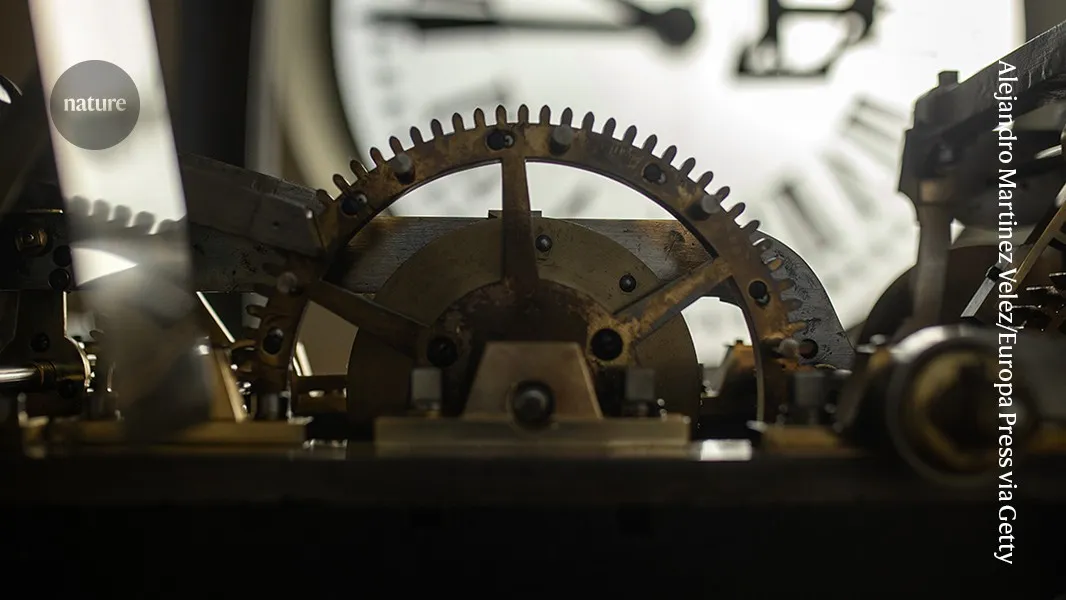
Governments have voted to abolish the leap second immediately and replace it with a leap hour. Metrologists retire the leap second immediately, instead of by 2035. Credit: Alejandro Martinez Velez/Europa Press via GettyTime discrepancies that used to be adjusted by a jump of a second around once every 1.5 years will now wait until an hour needs correcting instead. Leap seconds serve to align time given by the sun’s position in the sky, which is based on Earth’s unsteady natural rotation, with the more stable ticking of atomic clocks, known as Universal Coordinated Time (UTC). But the rogue seconds have been a thorn in timekeepers' sides, disrupting computing systems and causing misalignment between clocks on the day they are implemented. Their replacement — a shift of an hour once Earth time and atomic time drift apart by 3,600 seconds — likely won’t be needed for thousands of years, effectively pushing the issue onto future generations. The leap second is dead. Long live the leap hour? Member states of the General Conference on Weights and Measures (CGPM) voted to pass the resolution at their 28th meeting, outside Paris, on 15 October.

Nature·
Science

Scientists discover ‘D-Rex,’ a giant fungus with a 65-million-year evolutionary history - The Brighter Side of News

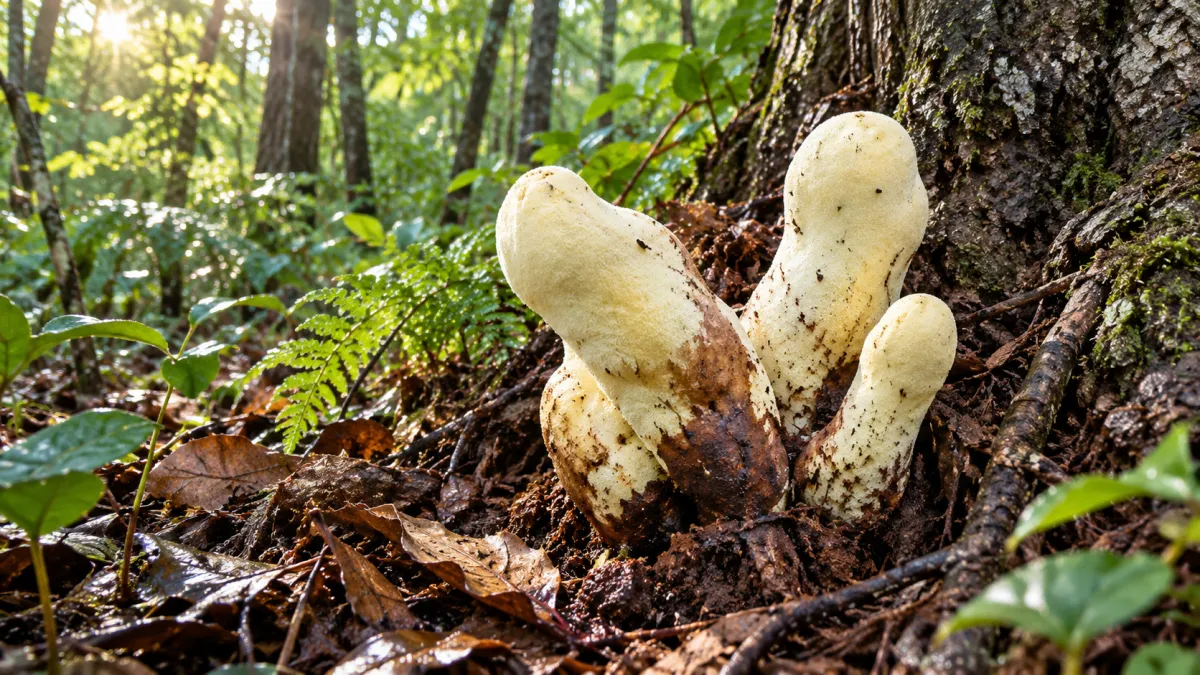
A newly described fungus from Yunnan produces upright structures measuring up to 50 centimeters in total height. DNA and microscopic evidence support a new species, genus and family within the fungal order Xylariales. Its estimated lineage age overlaps the dinosaur extinction, but a connection between that event and its evolution remains hypothetical. Pale, fingerlike structures rising from tree roots in southwestern China have revealed an unexpected giant among fungi. Named Dianjunus rex, the newly described species produces fleshy reproductive structures reaching 50 centimeters in total height. The largest reported specimen weighed 2.2 kilograms, roughly 4.9 pounds. Its size was only the beginning of the surprise. Genetic comparisons and microscopic examinations placed the fungus on a distinct evolutionary branch, supporting a new genus and family. The findings appeared in Frontiers in Fungal Biology. The team included scientists from the Kunming Institute of Botany, Chinese Academy of Sciences, and collaborating institutions. Corresponding author Indunil C. Senanayake works at the institute’s Germplasm Bank of Wild Species.

The Brighter Side of News·
Science

New Research From Psychological Science - Association for Psychological Science

Episodic recollection involves retrieving context information bound to specific events. However, autobiographical memory largely comprises recurrent, similar experiences that become integrated into joint representations. In the current study, we used scalp electroencephalography (EEG) to extract a neural signature of temporal context and investigate whether recalling a recurring event accompanies the reinstatement of one or multiple occurrences. We asked 52 young adults (aged 18–30) from the Philadelphia area to study and recall lists of words that included both once-presented and repeated items. Participants recalled repeated items in association with neighboring list items from each occurrence, but with stronger clustering around the repetition’s initial occurrence. Furthermore, multivariate spectral analyses of EEG data recorded just prior to the recall of these words revealed stronger patterns of context reinstatement of the first occurrence than the second. Together, these results suggest that the initial occurrence of an event carries stronger temporal-context associations than later repetitions, as predicted by retrieved-context frameworks of episodic memory.

Association for Psychological Science·
Science

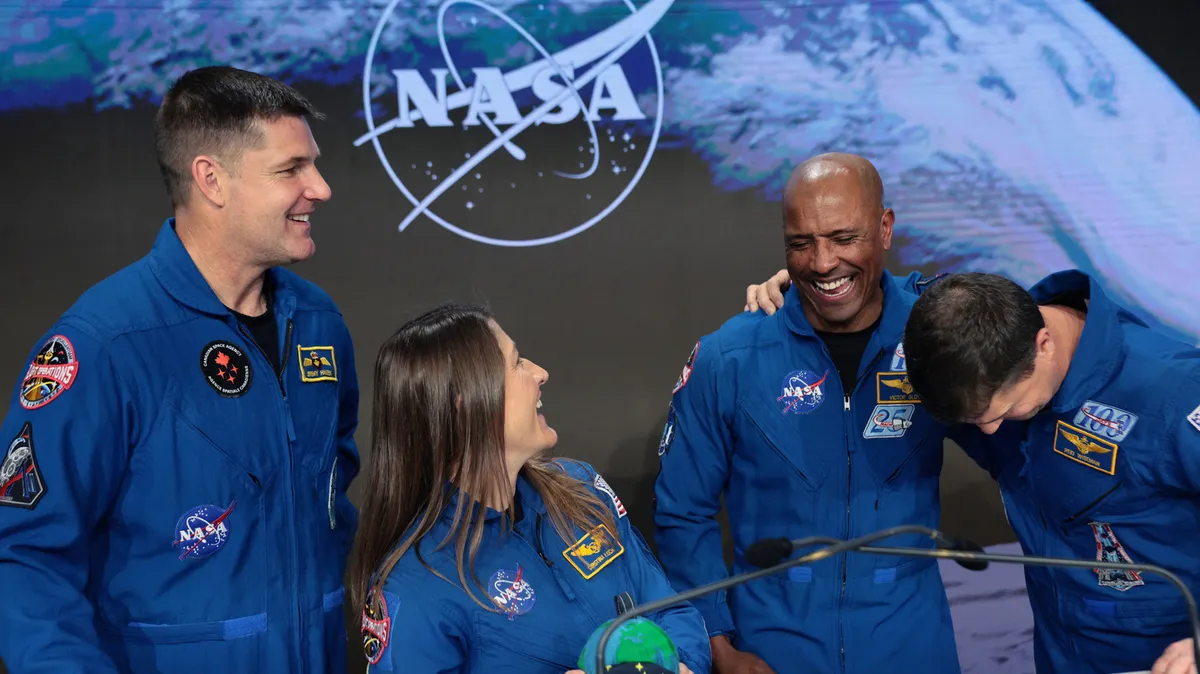
All Four Artemis II Astronauts Have Now Retired From Spaceflight, Here's What They're Doing Next - Jalopnik

Once upon a time — April, in fact — they went to the Moon. Now, they'll never leave home again. As of Tuesday, all four Artemis II astronauts have announced new life plans, and returning to the void of space isn't in any of them. It's a shame that NASA (and its Canadian cousin the CSA) will be losing this level of talent and experience from its active duty astronaut program. At the same time, these four brave humans accomplished an extraordinary achievement in the flight around the Moon, and that's as good a time as any to move on to new things. Remember that the Orion space capsule, which they lived in for 10 days, is essentially just two small rooms stacked on top of each other. That's a long time to share space with other people, in a place without showers, high-end meals, family, trees, or daylight. Plus, if anything were to go wrong, you'd die in the vacuum of space. No pressure, then (certainly not in the vacuum of space). Would you want to do that twice? Probably not. With that experience behind them, it can't be too surprising that they're ready to hang up the gloves. So, what is an astronaut to do if not floating around in microgravity?

Jalopnik·