Categories
Science
6963 articles
Science
Scientists discover ‘D-Rex,’ a giant fungus with a 65-million-year evolutionary history - The Brighter Side of News
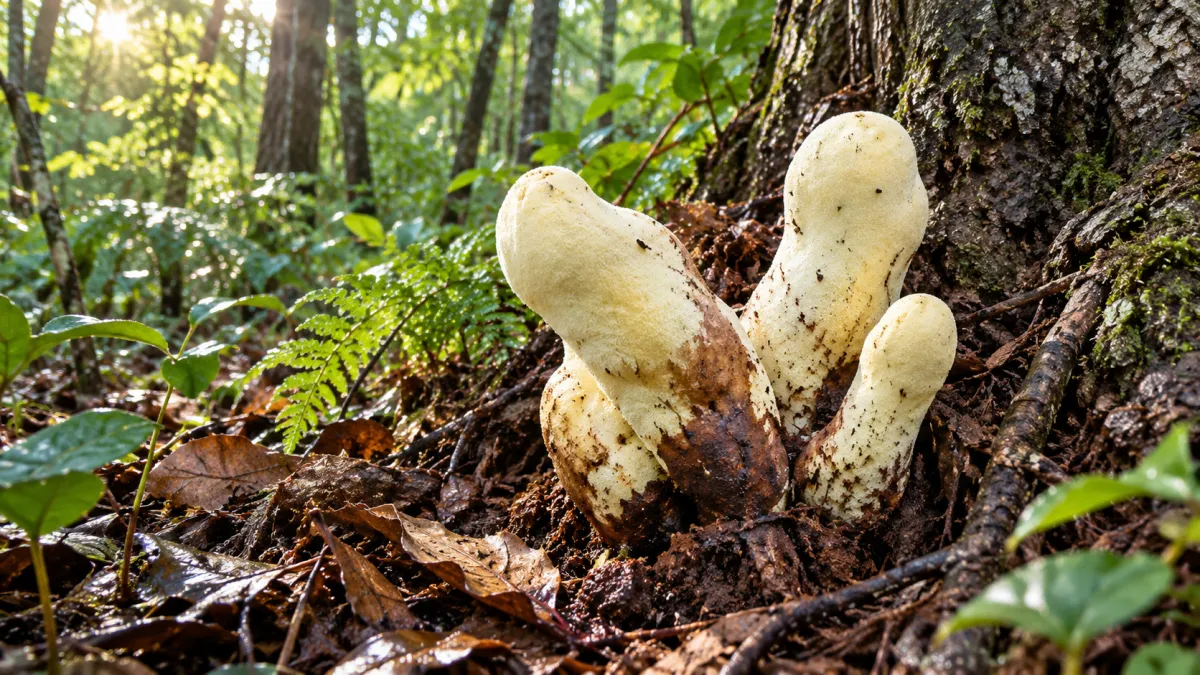
A newly described fungus from Yunnan produces upright structures measuring up to 50 centimeters in total height. DNA and microscopic evidence support a new species, genus and family within the fungal order Xylariales. Its estimated lineage age overlaps the dinosaur extinction, but a connection between that event and its evolution remains hypothetical. Pale, fingerlike structures rising from tree roots in southwestern China have revealed an unexpected giant among fungi. Named Dianjunus rex, the newly described species produces fleshy reproductive structures reaching 50 centimeters in total height. The largest reported specimen weighed 2.2 kilograms, roughly 4.9 pounds. Its size was only the beginning of the surprise. Genetic comparisons and microscopic examinations placed the fungus on a distinct evolutionary branch, supporting a new genus and family. The findings appeared in Frontiers in Fungal Biology. The team included scientists from the Kunming Institute of Botany, Chinese Academy of Sciences, and collaborating institutions. Corresponding author Indunil C. Senanayake works at the institute’s Germplasm Bank of Wild Species.
The Brighter Side of News·

Science
New Research From Psychological Science - Association for Psychological Science
Episodic recollection involves retrieving context information bound to specific events. However, autobiographical memory largely comprises recurrent, similar experiences that become integrated into joint representations. In the current study, we used scalp electroencephalography (EEG) to extract a neural signature of temporal context and investigate whether recalling a recurring event accompanies the reinstatement of one or multiple occurrences. We asked 52 young adults (aged 18–30) from the Philadelphia area to study and recall lists of words that included both once-presented and repeated items. Participants recalled repeated items in association with neighboring list items from each occurrence, but with stronger clustering around the repetition’s initial occurrence. Furthermore, multivariate spectral analyses of EEG data recorded just prior to the recall of these words revealed stronger patterns of context reinstatement of the first occurrence than the second. Together, these results suggest that the initial occurrence of an event carries stronger temporal-context associations than later repetitions, as predicted by retrieved-context frameworks of episodic memory.
Association for Psychological Science·
Science
All Four Artemis II Astronauts Have Now Retired From Spaceflight, Here's What They're Doing Next - Jalopnik
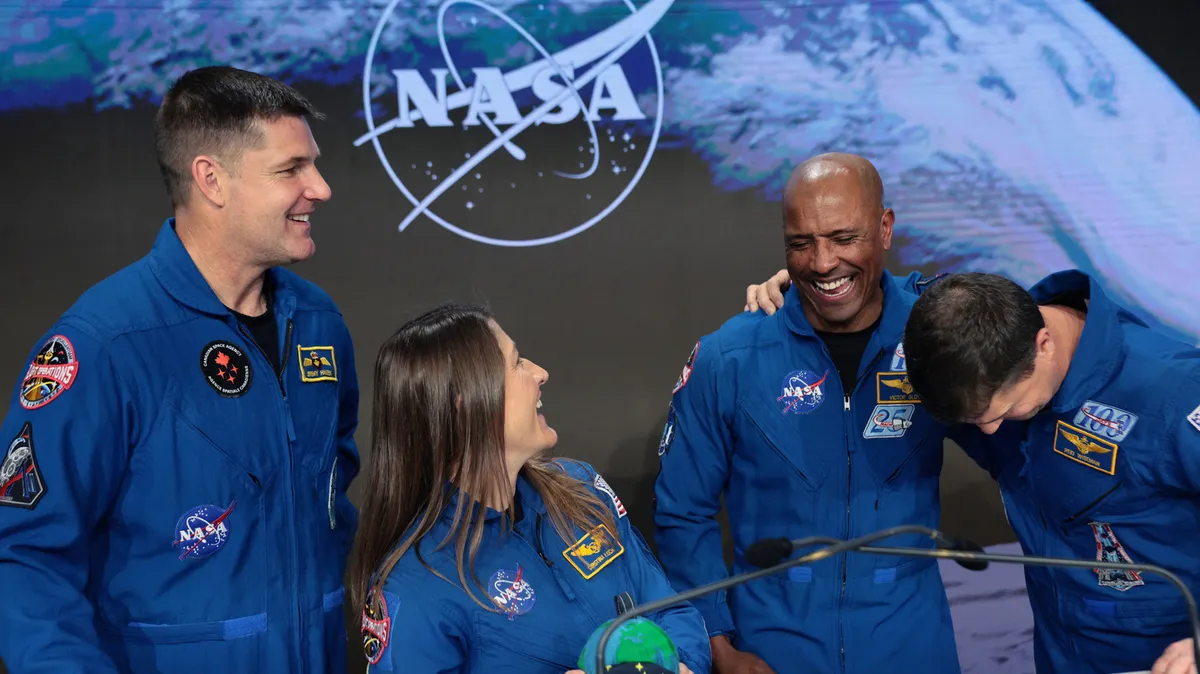
Once upon a time — April, in fact — they went to the Moon. Now, they'll never leave home again. As of Tuesday, all four Artemis II astronauts have announced new life plans, and returning to the void of space isn't in any of them. It's a shame that NASA (and its Canadian cousin the CSA) will be losing this level of talent and experience from its active duty astronaut program. At the same time, these four brave humans accomplished an extraordinary achievement in the flight around the Moon, and that's as good a time as any to move on to new things. Remember that the Orion space capsule, which they lived in for 10 days, is essentially just two small rooms stacked on top of each other. That's a long time to share space with other people, in a place without showers, high-end meals, family, trees, or daylight. Plus, if anything were to go wrong, you'd die in the vacuum of space. No pressure, then (certainly not in the vacuum of space). Would you want to do that twice? Probably not. With that experience behind them, it can't be too surprising that they're ready to hang up the gloves. So, what is an astronaut to do if not floating around in microgravity?
Jalopnik·
Science
RIT science professor wins award for excellence in teaching - Rochester Institute of Technology
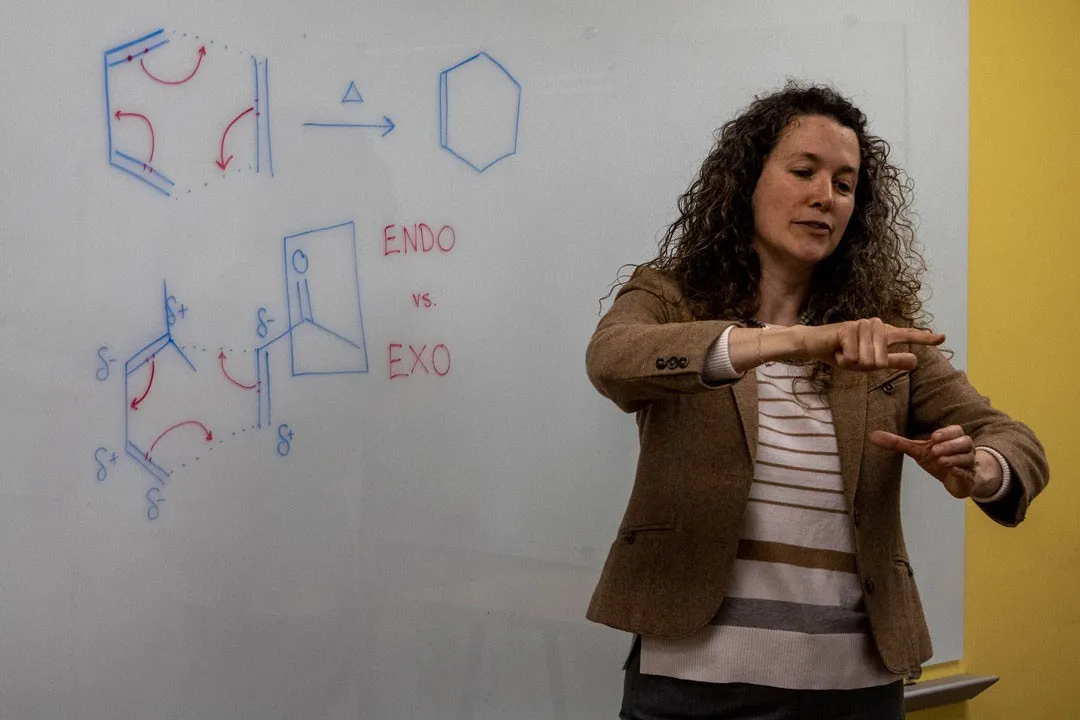
Christina Goudreau Collison earns 2026 James Norris Flack Award for Outstanding Teaching in Chemistry recognizing goal to make chemistry accessible to all students Tina Goudreau Collison has incorporated sign language into chemistry education, among other initiatives, to help all students learn and understand complex topics. Her efforts have resulted in awards for teaching.
Rochester Institute of Technology·
Science
Katz AI Master's Student Wins Best Poster at Network Science Informs AI 2026 - Yeshiva University
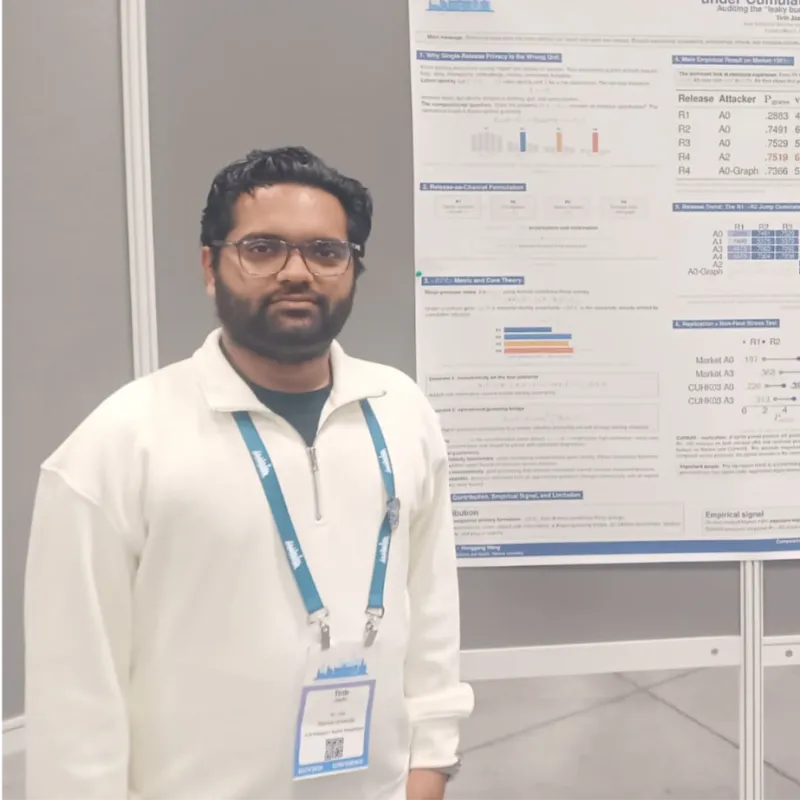
By Dave DeFuscoTirth Joshi, a student in the Katz School’s M. S. in Artificial Intelligence, won Best Poster Award at Network Science Informs AI 2026, a satellite event of the NetSci Conference 2026, for developing a new way to shrink large collections of data while doing a better job of keeping the features that show how the information is organized. In his research, “Preserving Manifold Structure in Landmark Coresets: Morse-Seeded Sampling on kNN Graphs,” Joshi addresses a basic problem created by the enormous amounts of information used in modern computing.
Yeshiva University·
Science
Congratulations to the 2026 Killam Laureates - University of Alberta
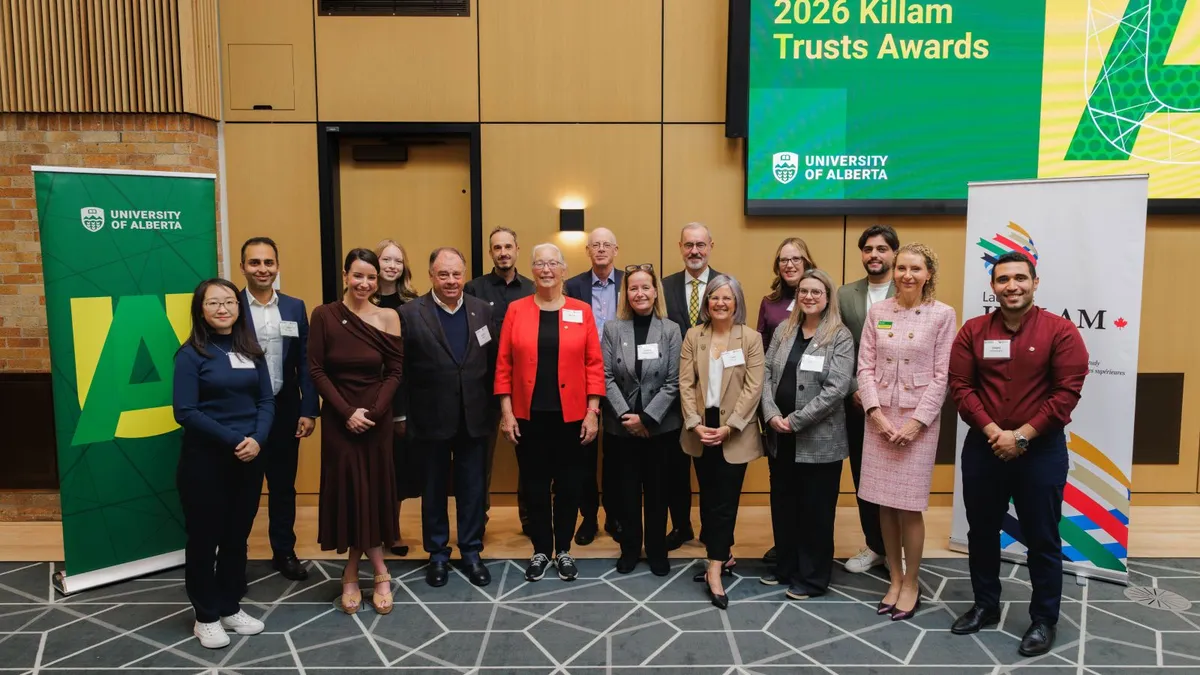
This year, we have the privilege of celebrating the University of Alberta 2026 Killam Laureates, a remarkable cohort of 28 doctoral students, postdoctoral scholars and academics who have made outstanding contributions to the university through their teaching, research and creative endeavours. Since 1967, the Killam awards have recognized outstanding academic achievement, leadership and extraordinary success in teaching and research at the U of A. The support of the Killam Trusts plays a vital role in advancing research and excellence across the U of A and among its Killam Laureates. This year, we also celebrate winners of the inaugural Killam Grand Challenges Scholarship for Interdisciplinary Research. This award is given to exceptionally talented doctoral students undertaking research which combines two or more diverse disciplines, to resolve “wicked problems” and contribute to solutions to grand challenges. Congratulations to the U of A’s 2026 Killam Laureates!
University of Alberta·
Science
Host Stars Shape Their Planetary Systems Into Two Families - Universe Today
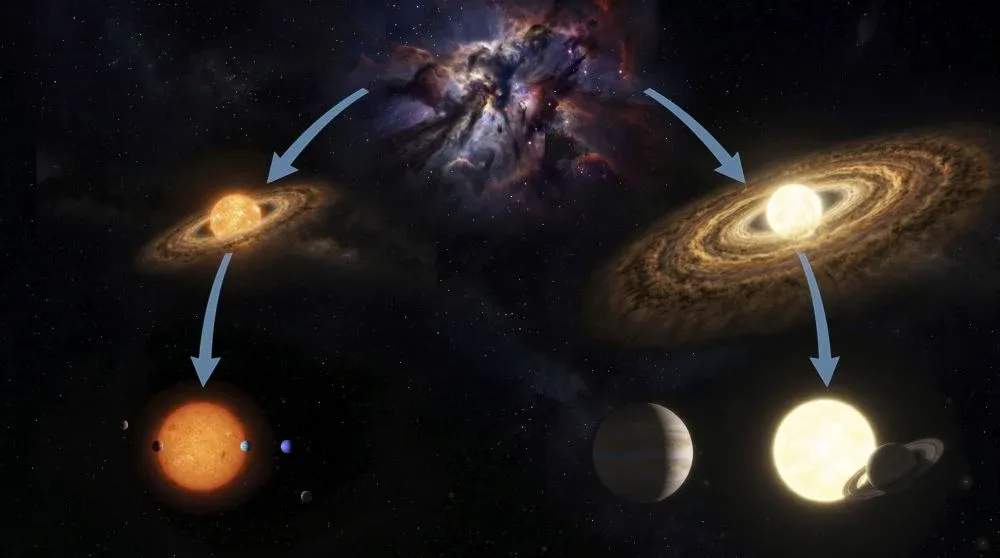
The age of exoplanet science took shape with the Kepler mission, and gained more momentum with the TESS mission. The initial goal had a simple definition: use the transit method to find planets orbiting other stars. Beyond that, scientists have worked hard and used multiple tools at their disposal to determine exoplanet compositions and other characterstics. Now exoplanet science is advancing beyond these initial stages. Planetary scientists want to understand not only the wide diversity in the exoplanet population; they also want to understand the different types of solar systems they're detecting.
Universe Today·
Science
How Bob McDonald goes where no Canadian has gone before - National Post
Skip to Content Subscribe My Account Manage My Subscriptions FAQ Newsletters Canada Canadian True Crime Canadian Politics Health World Israel & Middle East Financial Post NP Comment Longreads Puzzmo Diversions Comics NP News Quiz New York Times Crossword Horoscopes Modern Life Eating & Drinking Style Sponsored Play for Ontario Travel Travel Canada Travel USA Travel International Cruises Travel Essentials Culture Books Celebrity Movies Music Theatre Television Business Essentials Advice Lives Told Tails Told Shopping Buy Canadian Home Living Outdoor Living Kitchen & Dining Tech Style & Beauty Personal Care Entertainment & Hobbies Gift Guide Travel Guide Deals Savings National Post Store More Sports Hockey Baseball Basketball Football Soccer Golf Tennis Driving Vehicle Research Reviews News Gear Guide Obituaries Place an Obituary Place an In Memoriam Classifieds Place an Ad Celebrations Working Business Ads Archives Healthing Epaper Manage Print Subscription Profile Settings My Subscriptions My Offers Newsletters Customer Service FAQ Newsletters Canada World Financial Post NP Comment Longreads Puzzmo Diversions Modern Life Shopping Epaper Manage Print Subscription
National Post·
Science
How Bob McDonald goes where no Canadian has gone before - Yahoo News Canada
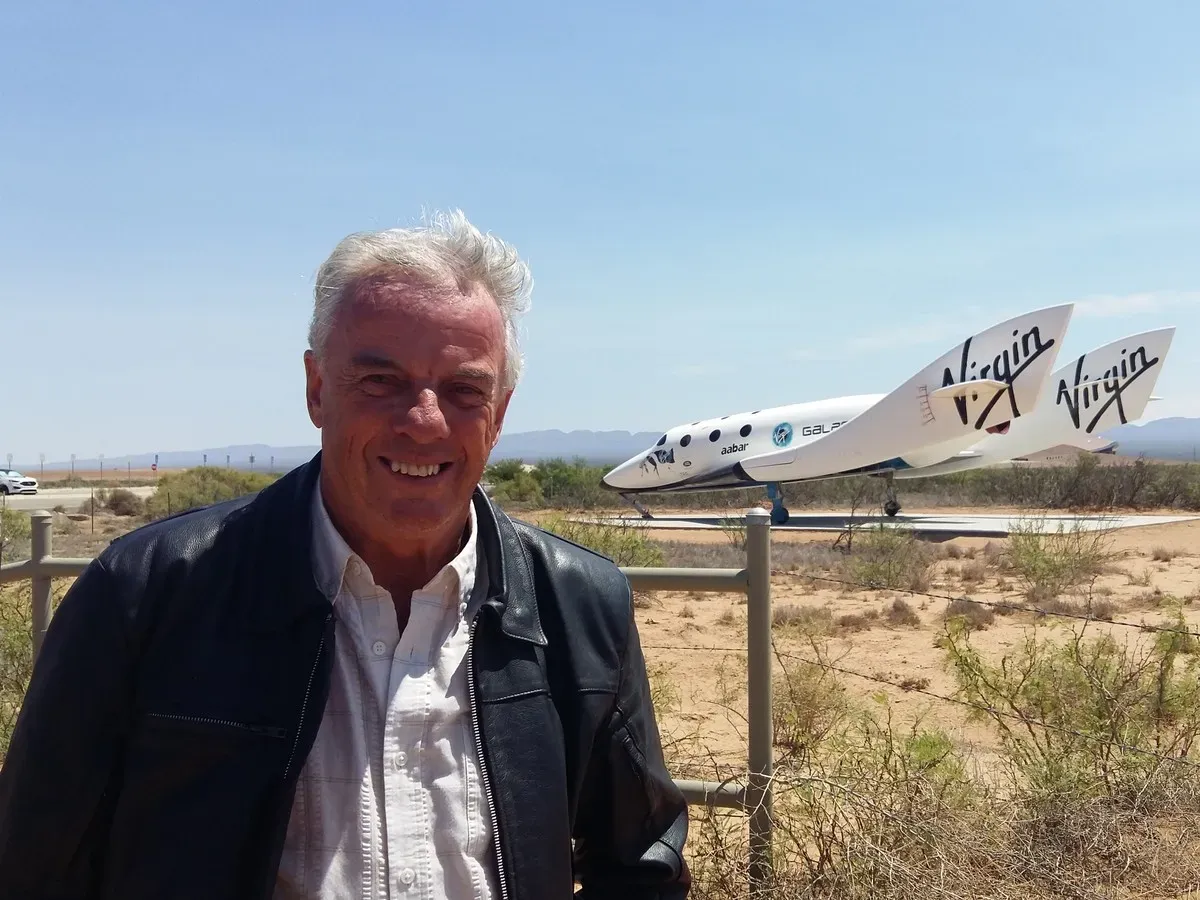
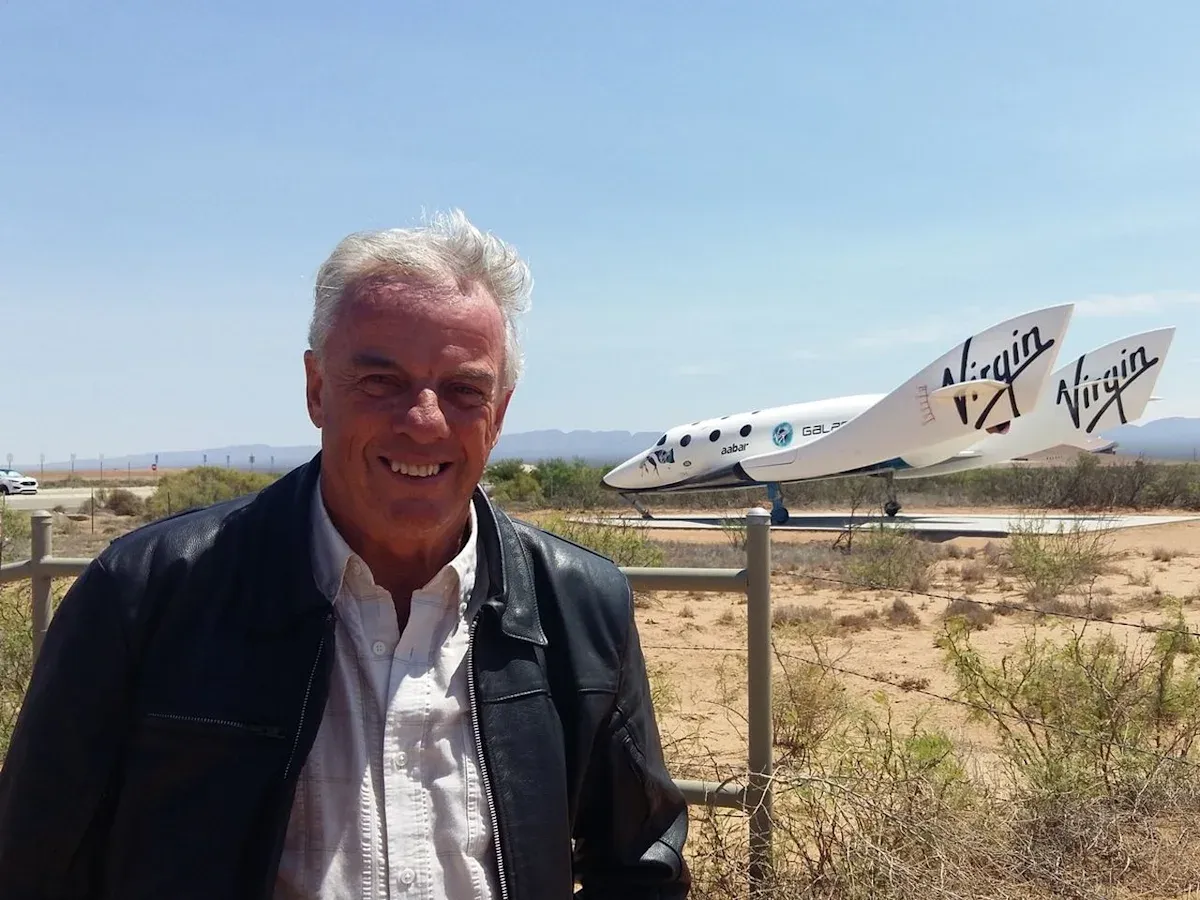
There's nothing quirky about it, if there's a man who deserves to wear the Order of Canada, it's Bob McDonald. The longtime top CBC science correspondent was and is for many Canadian children, synonymous with science and learning. How else do you come to possess 13 honorary degrees, medals from NSERC and The Royal Society of Canada, and a Gemini? How, in the name of the Sudbury Neutrino Observatory, do you get an honest to goodness space-borne asteroid named after you? A good Victoria boy, McDonald was sailing around Vancouver Island when he got the news he was also somewhere between Mars and Jupiter, as the story goes. "I almost fell overboard," he told the national broadcaster in 2014. "It's huge for me. As a little kid, I dreamt about going into space, being out there. That hasn't quite happened yet, so having an object named after me is almost as good. "As a main belt asteroid, Bobmcdonald is a "leftover planetary building block that never accreted enough material to become" a planet, according to Harvard University (which some pretty smart Canadians have attended). "They are therefore keys to understanding how the Solar System formed and evolved.
Yahoo News Canada·
Science
Saudi Arabia sends biological samples into space to study Alzheimer’s disease - Qazinform
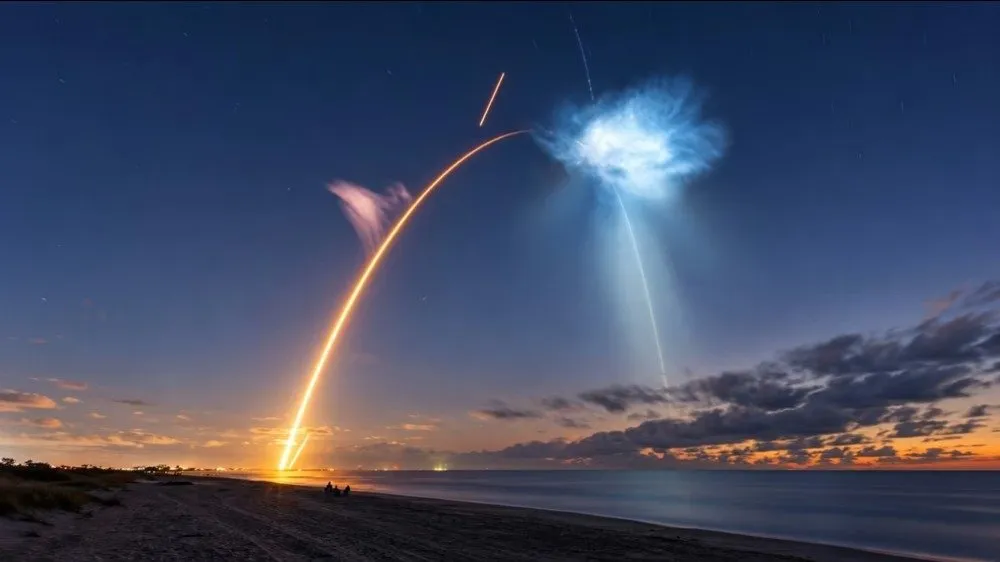
Saudi Arabia, represented by the Saudi Space Agency (SSA) and King Abdullah University of Science and Technology (KAUST), has launched the first biological samples of their kind from the Middle East to space as part of the BioGravity-1 mission aboard SpaceX CRS-35 to the International Space Station, with support from NASA, Saudi Press Agency reported. The launch is part of a long-term research program supporting scientific efforts against Alzheimer's disease and multiple sclerosis through three consecutive missions. The milestone strengthens the Kingdom's role in microgravity research and expands the use of space science and technology in health and life sciences research.
Qazinform·

Science
NASA Opens Space Apps Challenge to All Ages, Skill Levels - Mirage News
Registration is open for the 2026 NASA Space Apps Challenge, a two-day global event on Saturday, Nov. 14 and Sunday, Nov. 15, where teams work to create solutions inspired by NASA's most ambitious exploration goals and making use of the agency's free and open data. The annual challenge, often called a hackathon, is an intensive, collaborative problem-solving experience where participants tackle real-world challenges created by NASA subject matter experts. This year's Space Apps Challenge collectively supports three major focus areas: returning humans to the Moon, preparing for missions deeper into the solar system, and expanding understanding of the universe. Participants do not have to be programmers. Students, scientists, engineers, designers, storytellers, technologists, and space enthusiasts of all ages and experience levels can contribute their skills. "At NASA, science is for everyone, and we're inviting the next generation to help tackle some of humanity's most critical challenges in space through the NASA Space Apps Challenge," said Nicky Fox, associate administrator, Science Mission Directorate, NASA Headquarters in Washington.
Mirage News·
Science
NASA plans to send three SkyFall helicopters to Mars in 2028 — Space.com - UA.NEWS
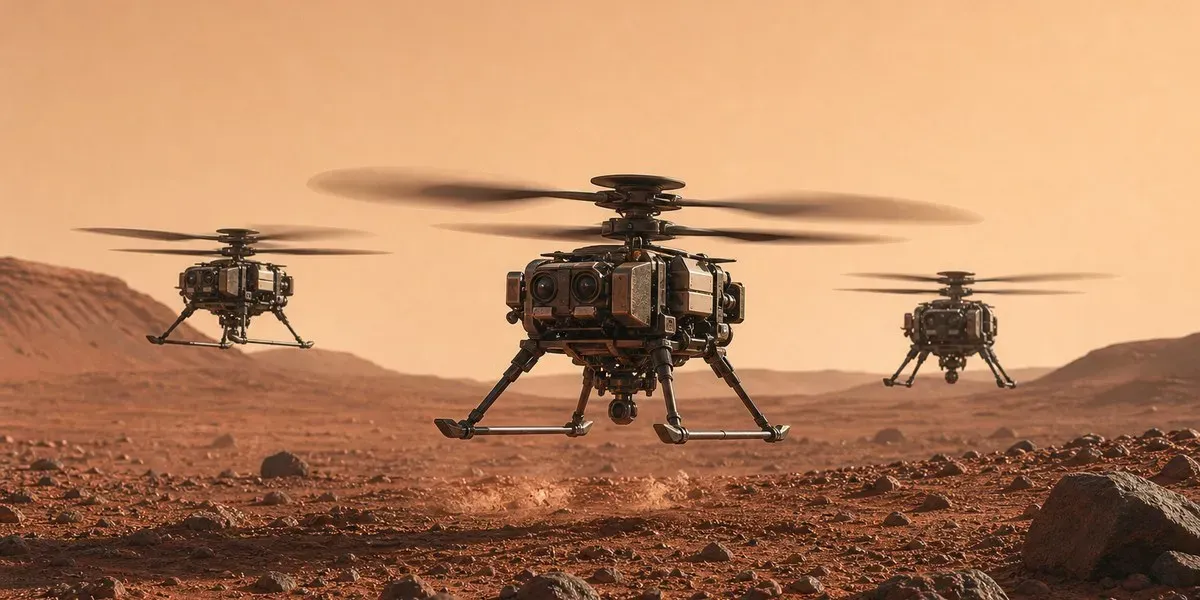
NASA is accelerating the development of three SkyFall Mars helicopters, which are to depart for the Red Planet in 2028 aboard the Space Reactor-1 Freedom spacecraft. The vehicle, equipped with a nuclear power system, is expected to deliver a capsule containing the aircraft to Mars’ northern hemisphere in spring, when the risk of dust storms is lower, Space.com reports. Independent landingThe three identical helicopters are planned to be released into the Martian atmosphere at an altitude of approximately 1,000 meters. After separation, they are expected to deploy, descend and land on the planet’s surface independently. This deployment method does not involve a single-use lander or a rover carrier, as was the case with Ingenuity, which operated alongside Perseverance. SkyFall is being developed based on the experience of Ingenuity, which completed 72 flights in Jezero Crater, although it was initially designed for only five. The new vehicles will be slightly larger but will operate according to the same principle. They are being designed for six months of operation, with the goal of extending this to one Earth year. More current news is available on the UA.
UA.NEWS·