Saudi Arabia sends biological samples into space to study Alzheimer’s disease - Qazinform
This story deserves to be shared
Send it to someone who'd care, or post it on your networks.

Saudi Arabia, represented by the Saudi Space Agency (SSA) and King Abdullah University of Science and Technology (KAUST), has launched the first biological samples of their kind from the Middle East to space as part of the BioGravity-1 mission aboard SpaceX CRS-35 to the International Space Station, with support from NASA, Saudi Press Agency reported.
The launch is part of a long-term research program supporting scientific efforts against Alzheimer's disease and multiple sclerosis through three consecutive missions. The milestone strengthens the Kingdom's role in microgravity research and expands the use of space science and technology in health and life sciences research.
This article is an excerpt. To read the full content, visit the original source. Qazinform
Related articles
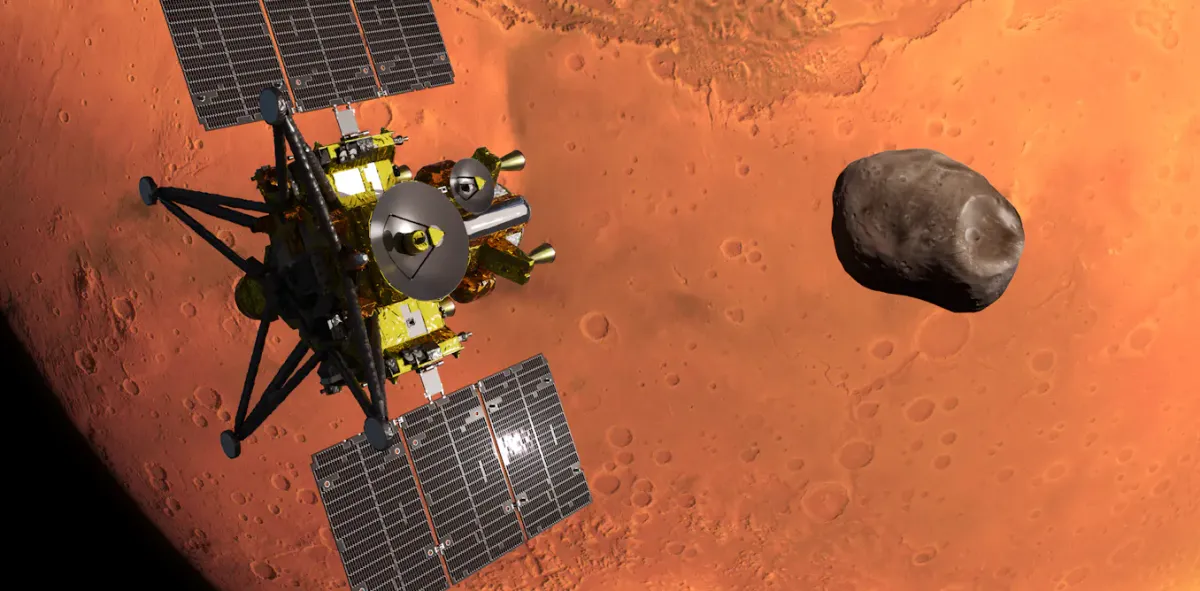
Japan’s MMX mission aims to swipe soil samples from Mars’ moon Phobos - The Conversation
A Japanese space mission is about to launch towards Mars. But it will not land on the planet itself. Instead, the Martian Moons Exploration (MMX) mission will focus on Phobos, the bigger of Mars’s two small moons. The mission will lift off on Monday October 19 at 20:41 BST on an H3 rocket from the Tanegashima Space Center, in the south of Japan.
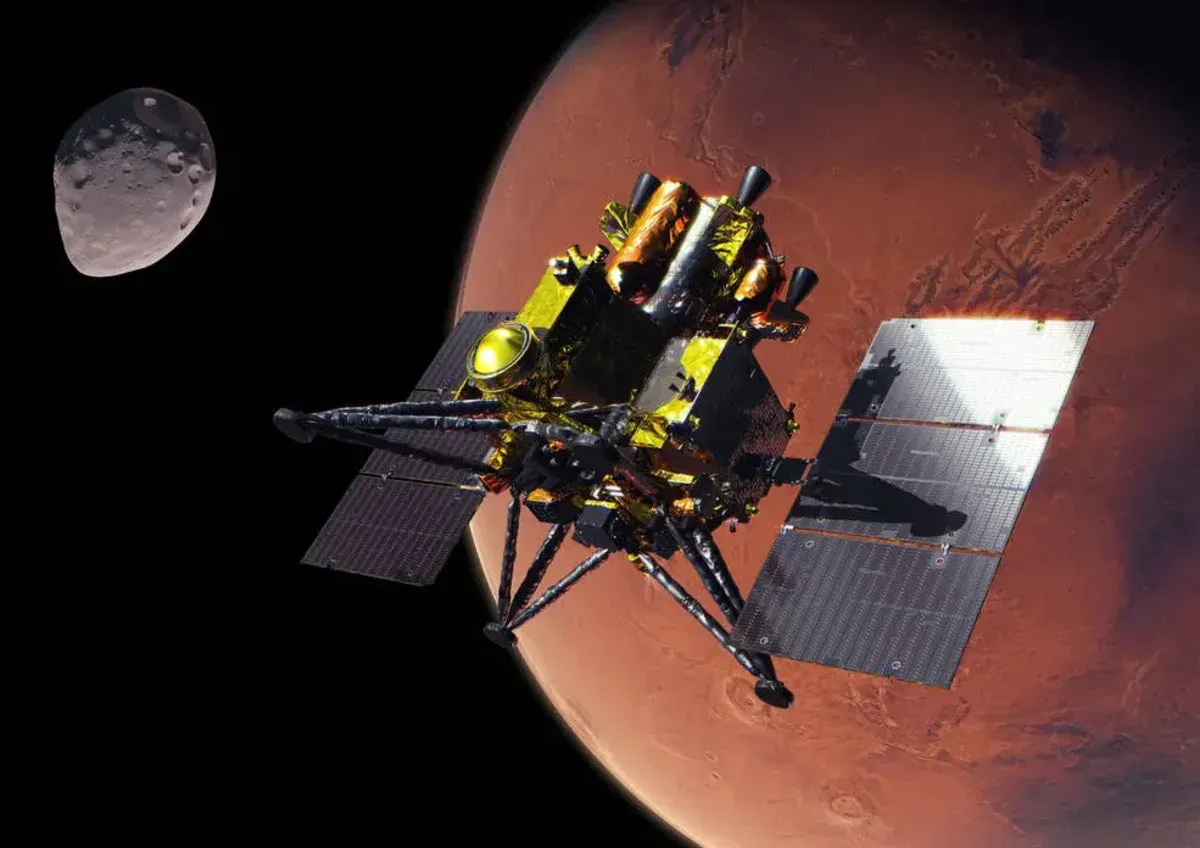
NASA-backed mission aims to land on Mars moon, bring samples home - Yahoo News Canada
NASA's ambitions to send humans to Mars to get an up-close look at Earth's planetary neighbor are no secret. But did you know the U. S. space agency also has interest in studying the red planet's dual moons? That's right, NASA is integral to a Japan-led mission that in the coming days could send an uncrewed spacecraft toward Mars with the goal of surveying both of the planet's moons – and even landing on one of them. The mission comes as NASA has set its sights firmly on Mars as it looks to send humans deeper and deeper into the solar system under its Artemis program. Here's what to know about the Mars mission and how to watch NASA officials give an update today, Oct. 15. NASA to provide update on upcoming Mars missionNASA officials will provide an update on an upcoming mission to send an uncrewed spacecraft to Mars, according to a press release. The mission, known as Martian Moons eXploration (MMX,) is headed by Japan's space agency, JAXA, with contributions from NASA. How to watch NASA livestreamAudio of the news briefing will be available to stream live at 4 p.m. Thursday, Oct. 15 on NASA's YouTube channel. What is Japan's Martian Moons eXploration (MMX) mission?

This week in science: Loud birds, eating with company, and asteroid samples - NPR
SACHA PFEIFFER, HOST: It's time now for our science news roundup from Short Wave, NPR's science podcast. With me are host Regina Barber and science correspondent Ari Daniel. Hi to both of you. REGINA BARBER, BYLINE: Hi. ARI DANIEL, BYLINE: Hello there. PFEIFFER: So as usual, you have brought us three science stories that caught your attention recently. What three do you have this week? BARBER: How eating with somebody could help manage your blood sugar. DANIEL: Plus, really loud birds. BARBER: (Laughter) And the origin story of Bennu, the asteroid NASA visited to bring back samples. PFEIFFER: Let's start with the blood sugar one. That's very interesting. I'm wondering if you're going to talk to us about the calming effect of a group meal. So tell us what's going on that says that eating with someone could help manage your blood sugar? BARBER: Yeah, so researchers in Israel gave participants the same amount of carbs to eat. So in this case, it was bread. Then they measured their blood glucose levels, and they found, compared to people who ate alone, people who ate together were better at regulating their blood sugar. PFEIFFER: Regulating like it didn't spike as high?
0 comments
No comments yet. Be the first to share your thoughts!