World’s timekeepers upend how they adjust time to avoid catastrophic ‘negative second’ - Nature
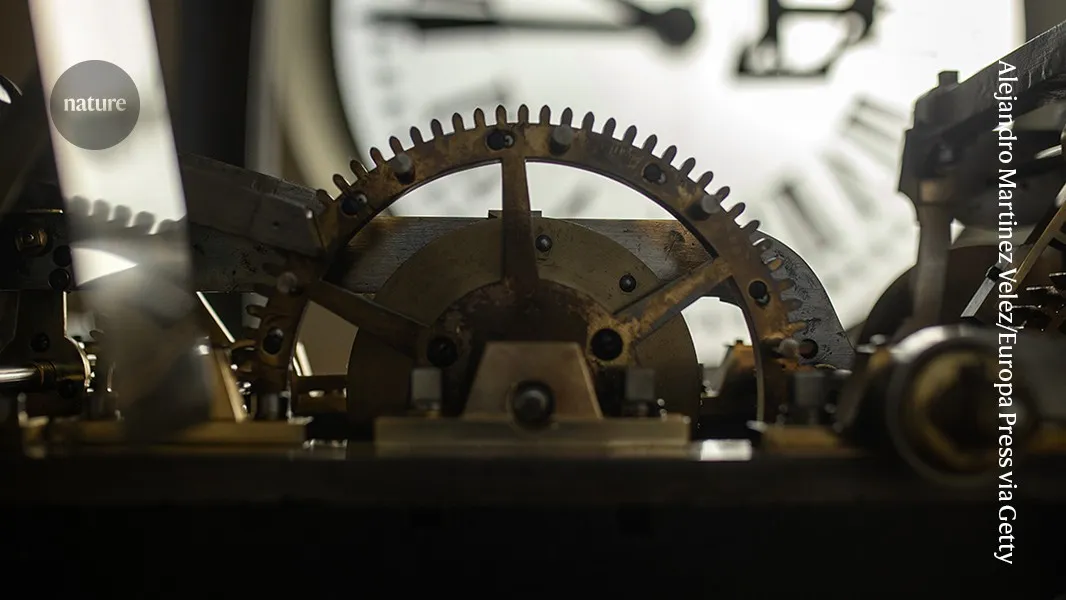
Governments have voted to abolish the leap second immediately and replace it with a leap hour.
Metrologists retire the leap second immediately, instead of by 2035. Credit: Alejandro Martinez Velez/Europa Press via GettyTime discrepancies that used to be adjusted by a jump of a second around once every 1.5 years will now wait until an hour needs correcting instead. Leap seconds serve to align time given by the sun’s position in the sky, which is based on Earth’s unsteady natural rotation, with the more stable ticking of atomic clocks, known as Universal Coordinated Time (UTC). But the rogue seconds have been a thorn in timekeepers' sides, disrupting computing systems and causing misalignment between clocks on the day they are implemented. Their replacement — a shift of an hour once Earth time and atomic time drift apart by 3,600 seconds — likely won’t be needed for thousands of years, effectively pushing the issue onto future generations. The leap second is dead. Long live the leap hour? Member states of the General Conference on Weights and Measures (CGPM) voted to pass the resolution at their 28th meeting, outside Paris, on 15 October.
This article is an excerpt. To read the full content, visit the original source. Nature
Related articles

World Timekeepers Decide to Kill the Leap Second - CNET
Human timekeeping rests on two main clocks, and they don’t always run at the same speed. For decades, the solution was the leap second, a minor adjustment added to international time to keep atomic accuracy aligned with the Earth’s natural motion. But on Thursday, the General Conference on Weights and Measures, or the CGPM (abbreviated from its French name), voted to abolish the leap second, closing a long-standing chapter in global time sync. Most modern clocks rely on Coordinated Universal Time, a hybrid system caught between atomic time, which flows at a near-perfectly constant rate, and astronomical time, which fluctuates as the Earth’s rotation speeds up and slows down. To bridge the gap, UTC periodically inserted a leap second to keep pace with the planet. But reconciling physical planetary shifts with precise digital systems ultimately created more technical disruptions than it solved.

Sibylle Loibl: What New Data Teaches Us About Early Triple-Negative Breast Cancer - Oncodaily
Sibylle Loibl, Chief Executive Officer at the German Breast Group Research Company (GBG Forschungs GmbH), shared on LinkedIn: “What if a clinical trial does not show the result we hoped for? That is not a failure. It is an important scientific finding.
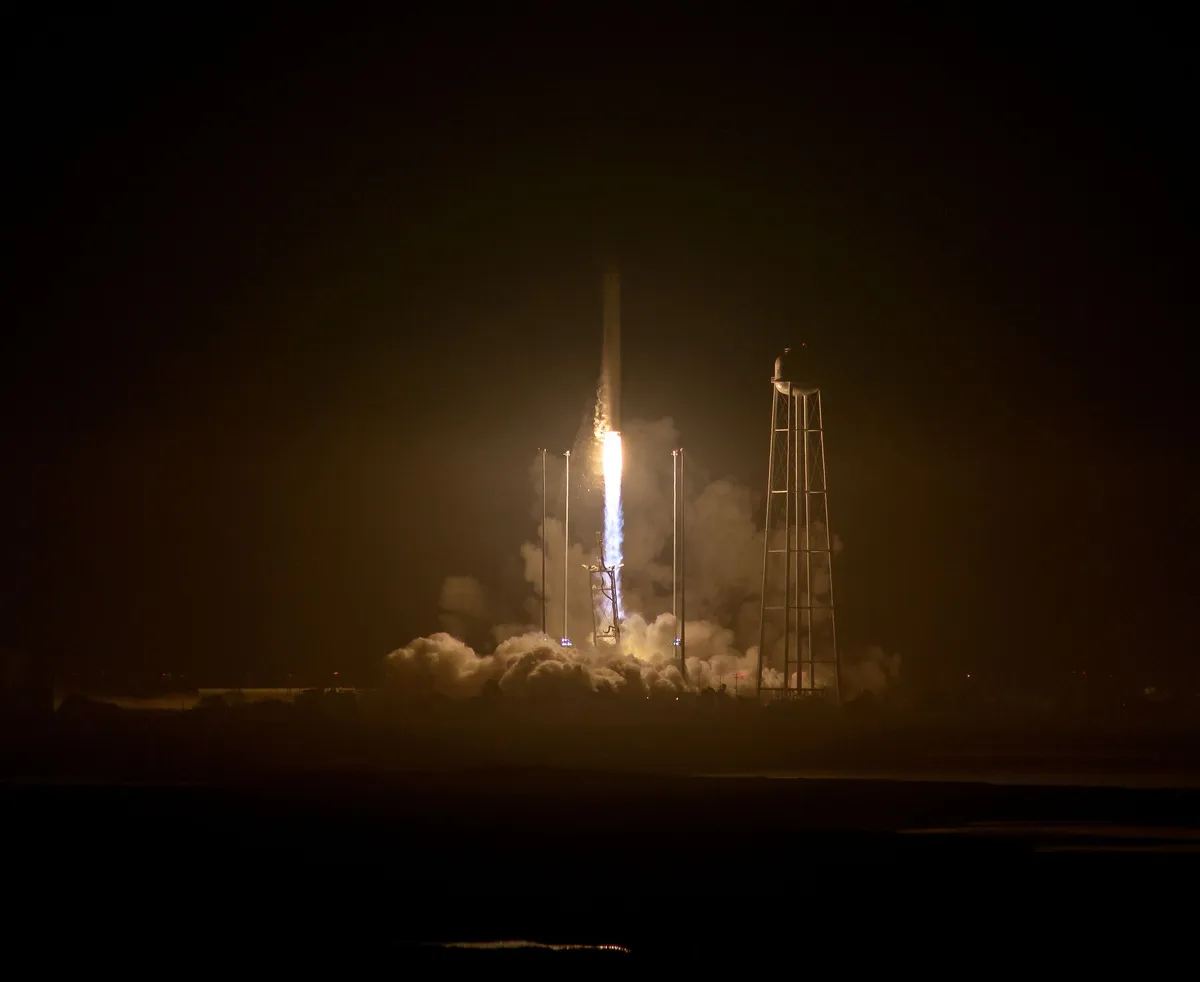
On this day in space! Oct. 17, 2016: Private Antares rocket returns to flight after catastrophic launch explosion - Space
The successful Antares launch restored U.S. cargo ship redundancy for NASA space station crews.
0 comments
No comments yet. Be the first to share your thoughts!