Scientists discover a way to reverse coral bleaching, one of the ocean’s biggest environmental threats - The Brighter Side of News
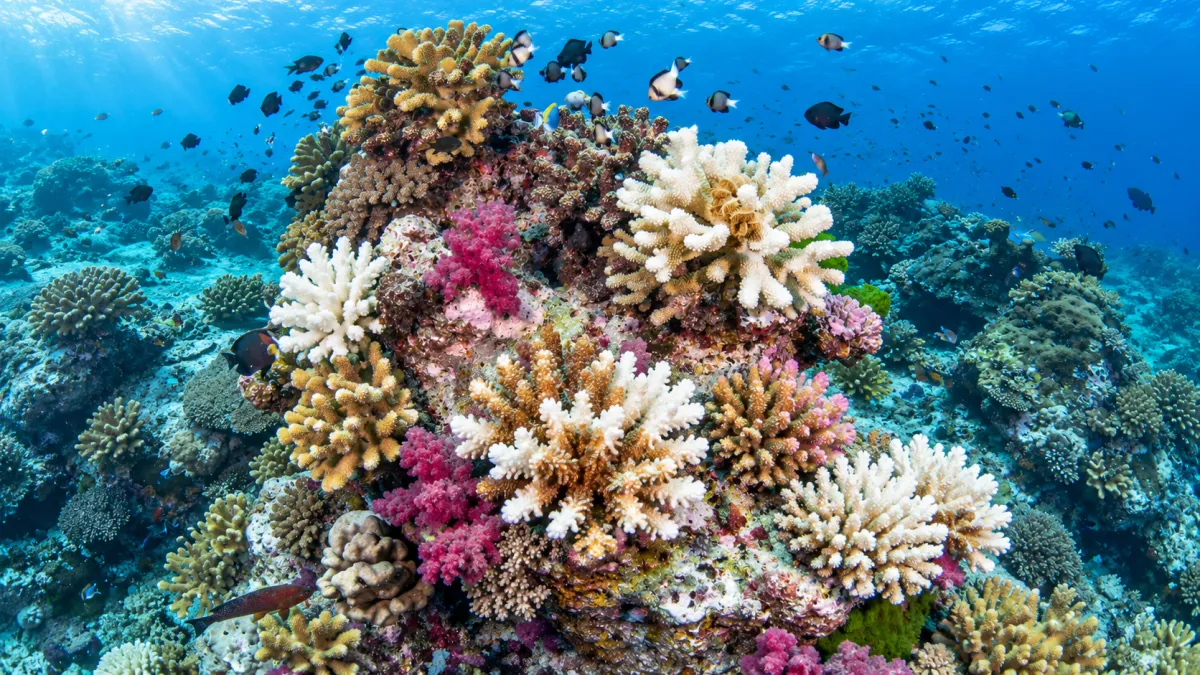
Bleached coral fragments recovered after touching healthy genetic clones in laboratory experiments involving one species and two genotypes. A week of contact supplied enough beneficial algae for fragments to continue recovering after separation. Tissue fusion appears to enable rapid transfer, but mismatched corals competed instead, and reef-scale restoration remains untested. A few millimeters separated recovery from severe decline in tanks of bleached coral. Fragments touching healthy genetic clones regained their beneficial algae and resumed growth. Fragments held nearby without contact largely succumbed to invasive algae and tissue loss. The laboratory findings, published in Science Advances, reveal a route to rapid recovery after bleaching. Stanford University researchers found that about a week of contact could provide enough algae for recovery to continue independently. The results identify a biological mechanism, rather than a method already demonstrated to restore natural reefs. Danny Collins, an oceans doctoral student at the Stanford Doerr School of Sustainability, led the study with colleagues including Steve Palumbi.